Walk down any busy street, and you'll be bombarded by visuals: store windows filled with mannequins, posters screaming sales, digital billboards flashing ads, and even pedestrians glued to their phones. In this chaos, how does a small café, a boutique clothing store, or a local bookstore make someone stop, look, and maybe even step inside? The answer, increasingly, lies in the art of balancing static appeal with dynamic movement—and that's where the acrylic light box video frame comes into play.
For years, businesses relied on static displays: printed posters, painted signs, or static photos in frames. They're familiar, easy to produce, and affordable. But here's the problem: our brains are wired to notice movement. Think about it—when you're scrolling through social media, a video auto-plays, and suddenly your thumb stops. That's the power of motion. Static displays, while reliable, often blend into the background. They become part of the "wallpaper" of the city, easy to ignore.
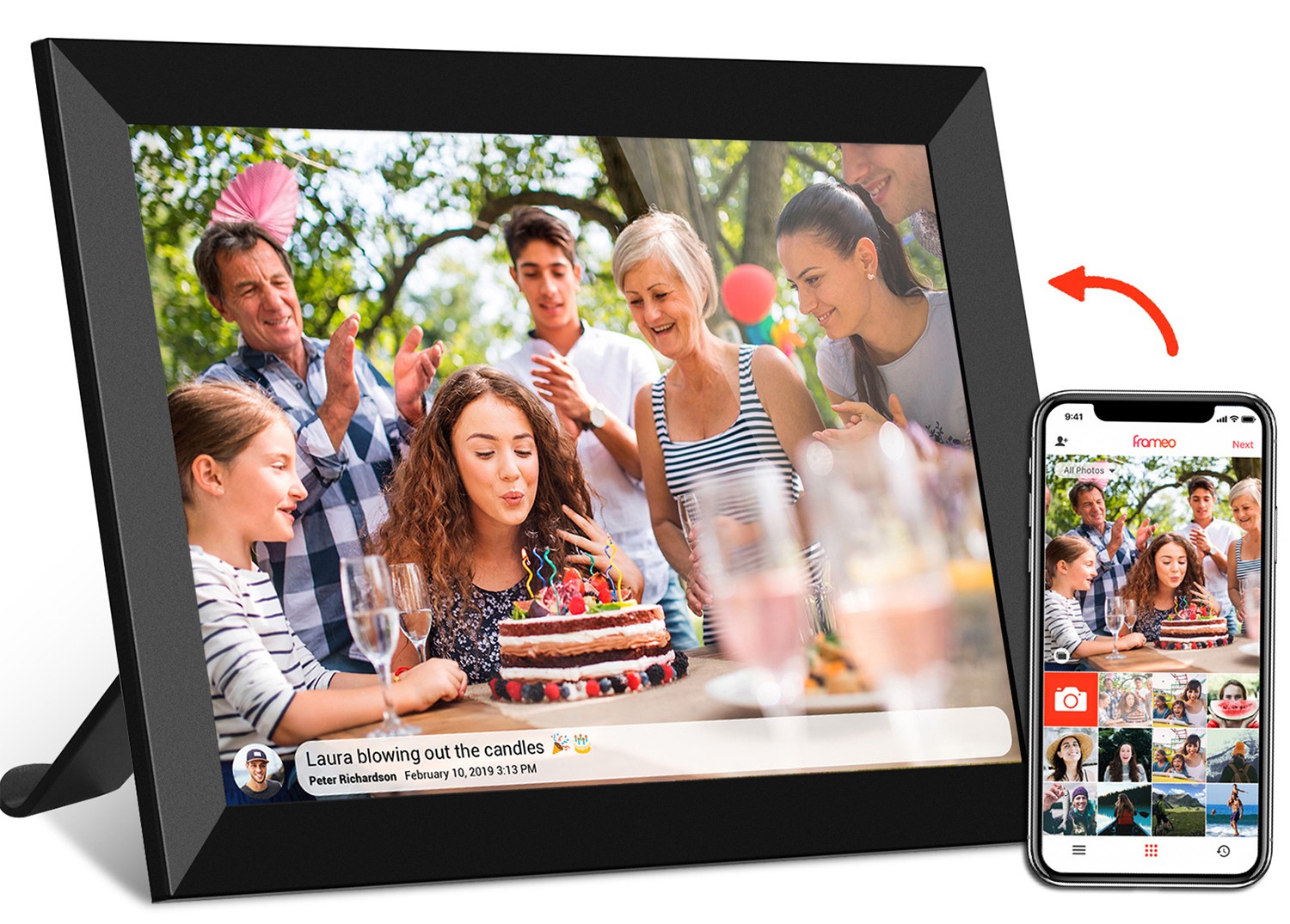
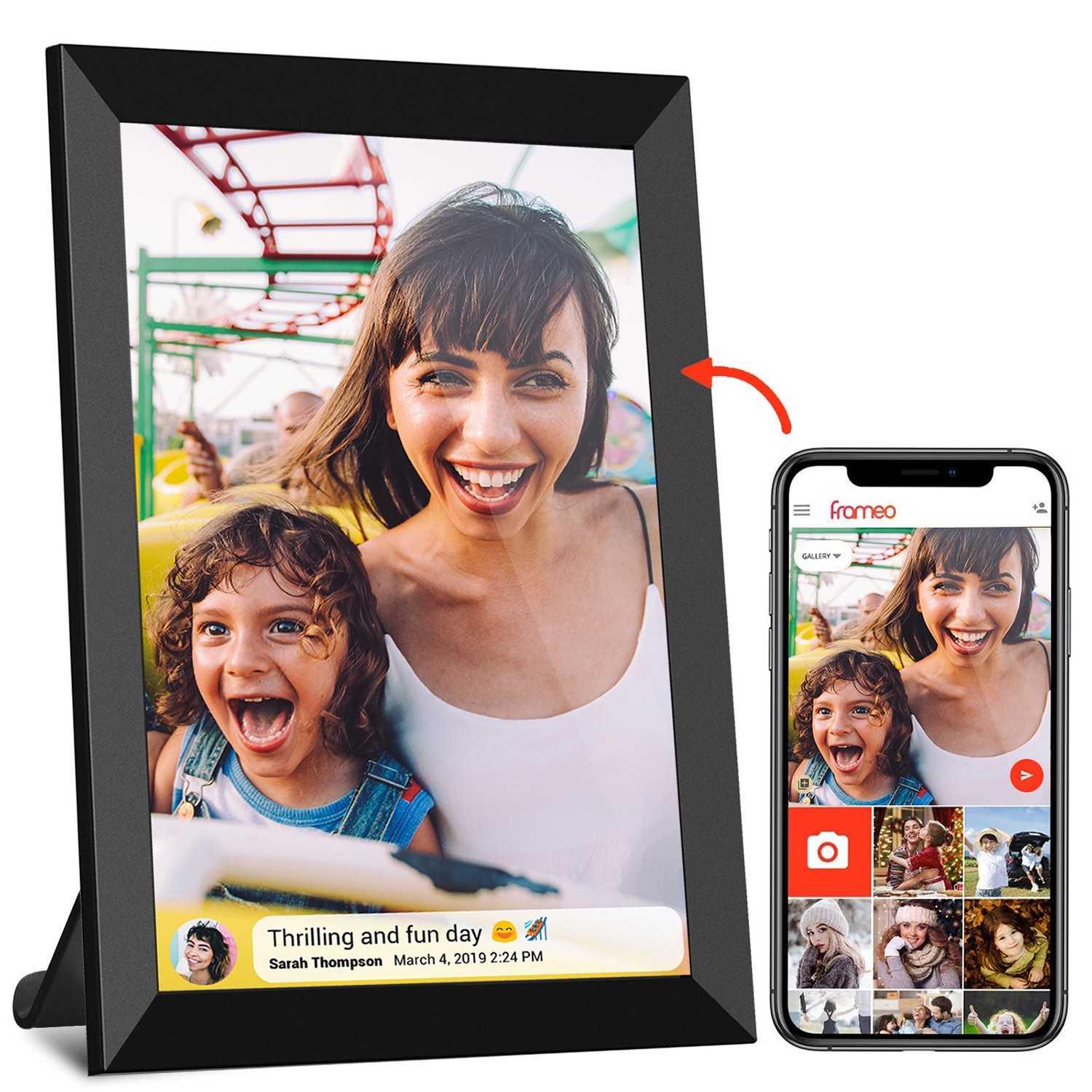
Enter the acrylic light box video frame. It's not just a screen; it's a marriage of sleek, high-quality acrylic (that static, tactile element we trust) and a dynamic video display (the movement that catches our eye). It's the best of both worlds: the professionalism and brand consistency of a well-designed static frame, paired with the engaging, unignorable pull of moving images. And in a world where the average person's attention span is shorter than a goldfish's (yes, really—studies say around 8 seconds), that combination isn't just nice to have; it's essential.