Walk into any modern factory, hospital, or corporate office today, and you'll likely spot a familiar device quietly transforming operations: an Android tablet. Once seen as consumer gadgets for streaming videos or checking emails, these versatile tools are now stepping into the industrial spotlight, redefining how we monitor, manage, and control complex systems. From tracking production lines in real time to simplifying patient data access in healthcare settings, Android tablets are proving that industrial control doesn't have to be clunky, expensive, or hard to use. Let's dive into why these devices are becoming indispensable in industrial environments, what features make them stand out, and how they're reshaping industries from manufacturing to healthcare.
Industrial control systems have long relied on specialized hardware—think bulky HMIs (Human-Machine Interfaces), proprietary software, and rigid setups that take months to configure. But in a world that demands agility, cost-effectiveness, and seamless connectivity, these traditional systems are starting to show their age. That's where Android tablets come in. Built on an open-source platform with a massive app ecosystem, they offer a level of flexibility that old-school systems can't match. Whether you need to customize a dashboard for a factory floor, integrate with IoT sensors, or run specialized software for patient care, Android tablets adapt without the need for expensive custom development.
Another big draw? Cost. Traditional industrial control panels can cost tens of thousands of dollars, with limited room for upgrades. Android tablets, on the other hand, are affordable, widely available, and easy to replace or upgrade as technology advances. Plus, with millions of developers building apps for Android, there's likely already a solution for your specific industrial need—no need to reinvent the wheel. And let's not forget user-friendliness: Most people already know how to use an Android device, which means less training time for staff and fewer errors on the job.
Not every Android tablet is cut out for industrial control, though. Consumer models might struggle with dust, vibrations, or 24/7 operation. Industrial-grade Android tablets, however, come packed with features designed to thrive in tough environments. Let's break down the must-haves:
Industrial settings are messy. Factories have dust and oil; hospitals have spills; warehouses have accidental drops. A good industrial Android tablet needs to shrug off these challenges. Look for devices with rugged certifications like IP65 or IP67, which mean they're resistant to dust and water. Many also feature reinforced frames, scratch-proof Gorilla Glass, and shock-absorbing cases to handle falls from waist height or higher. For example, a 10.1 inch Android tablet PC built for manufacturing might include a rubberized edge to protect against bumps, while a healthcare Android tablet could have an antimicrobial coating to prevent the spread of germs—critical in patient care areas.
In industrial control, losing connection isn't just inconvenient—it can halt production or compromise safety. Android tablets excel here with a range of connectivity options. Wi-Fi and Bluetooth are standard, but many industrial models go further: Ethernet ports for wired stability, 4G/5G for remote locations, and even POE (Power over Ethernet) support. POE is a game-changer, especially in settings like meeting rooms or factory floors where running separate power and data cables is a hassle. With POE, a single Ethernet cable delivers both power and internet, simplifying installation and reducing clutter. That's why POE meeting room digital signage has become so popular—no more searching for power outlets during important presentations.
Industrial control systems run 24/7, so downtime isn't an option. Android's open-source nature means manufacturers can tweak the OS for stability, disabling unnecessary features that might cause crashes. Many industrial tablets also use long-term support (LTS) Android versions, which receive security updates for years—unlike consumer devices that might stop getting updates after 18 months. This ensures your tablet stays secure and reliable, even as technology evolves.
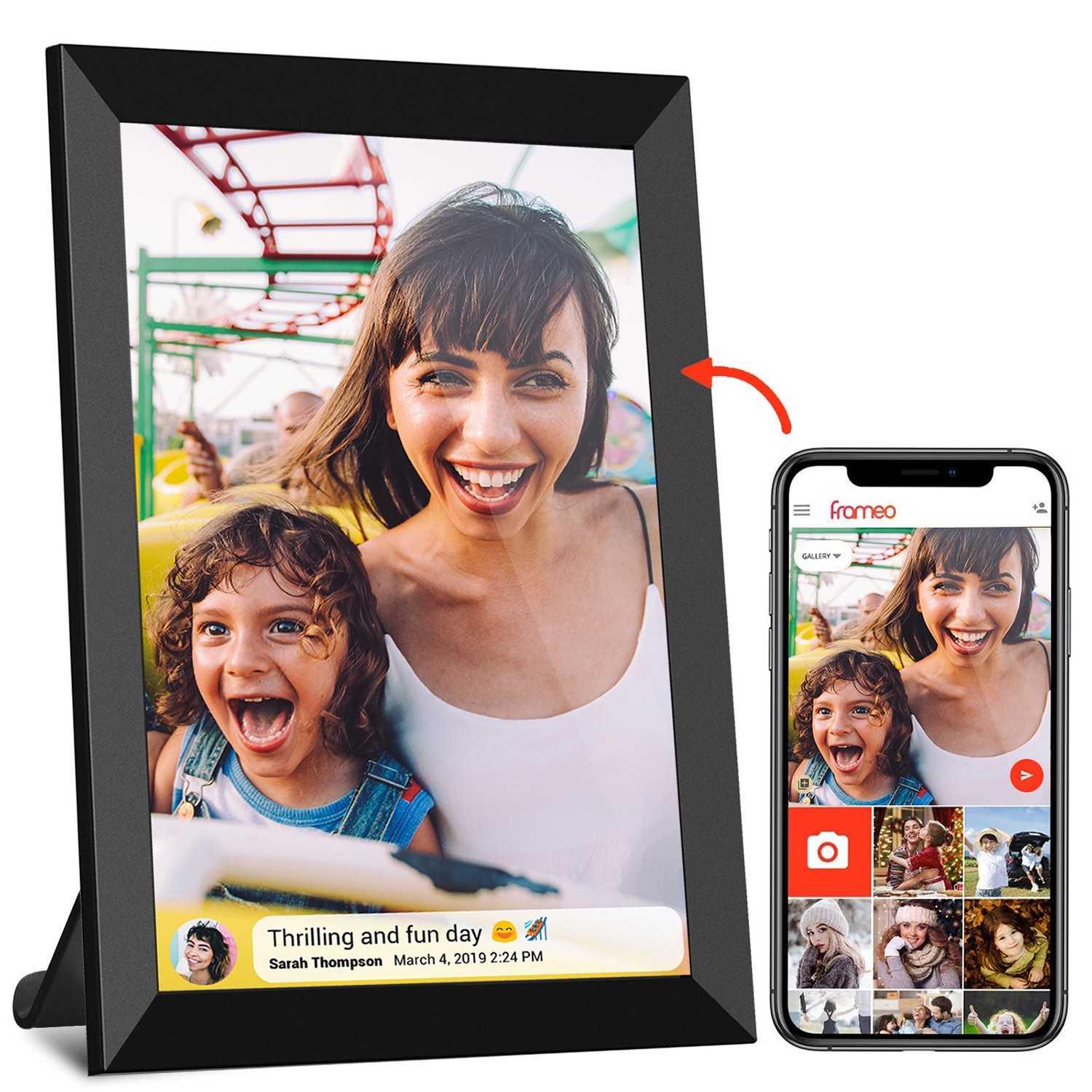
In bright factories or dimly lit hospitals, a screen that's hard to read is useless. Industrial Android tablets often feature high-brightness displays (1000 nits or more) to cut through glare, along with anti-reflective coatings. Touchscreens are another highlight: Many use capacitive touch that works even with gloves on—a must for workers in manufacturing or healthcare who can't stop to remove PPE. Some, like the 21.5 inch wifi digital photo frame with touch, even include multi-touch support for pinch-to-zoom or swipe gestures, making it easier to navigate complex data dashboards.
Android tablets aren't just theoretical—they're already making a difference across industries. Let's look at some key use cases:
Hospitals are busy, high-stakes environments where every second counts. A healthcare Android tablet puts patient records, medication histories, and lab results at staff fingertips, eliminating the need to carry clipboards or return to a nurse's station. Imagine a nurse walking into a patient's room, scanning their wristband with the tablet's built-in barcode scanner, and instantly pulling up allergies, vital signs, and care plans. Some models even integrate with hospital IoT devices, displaying real-time heart rate or blood pressure data. And with features like secure login and encrypted data storage, patient privacy is never compromised.
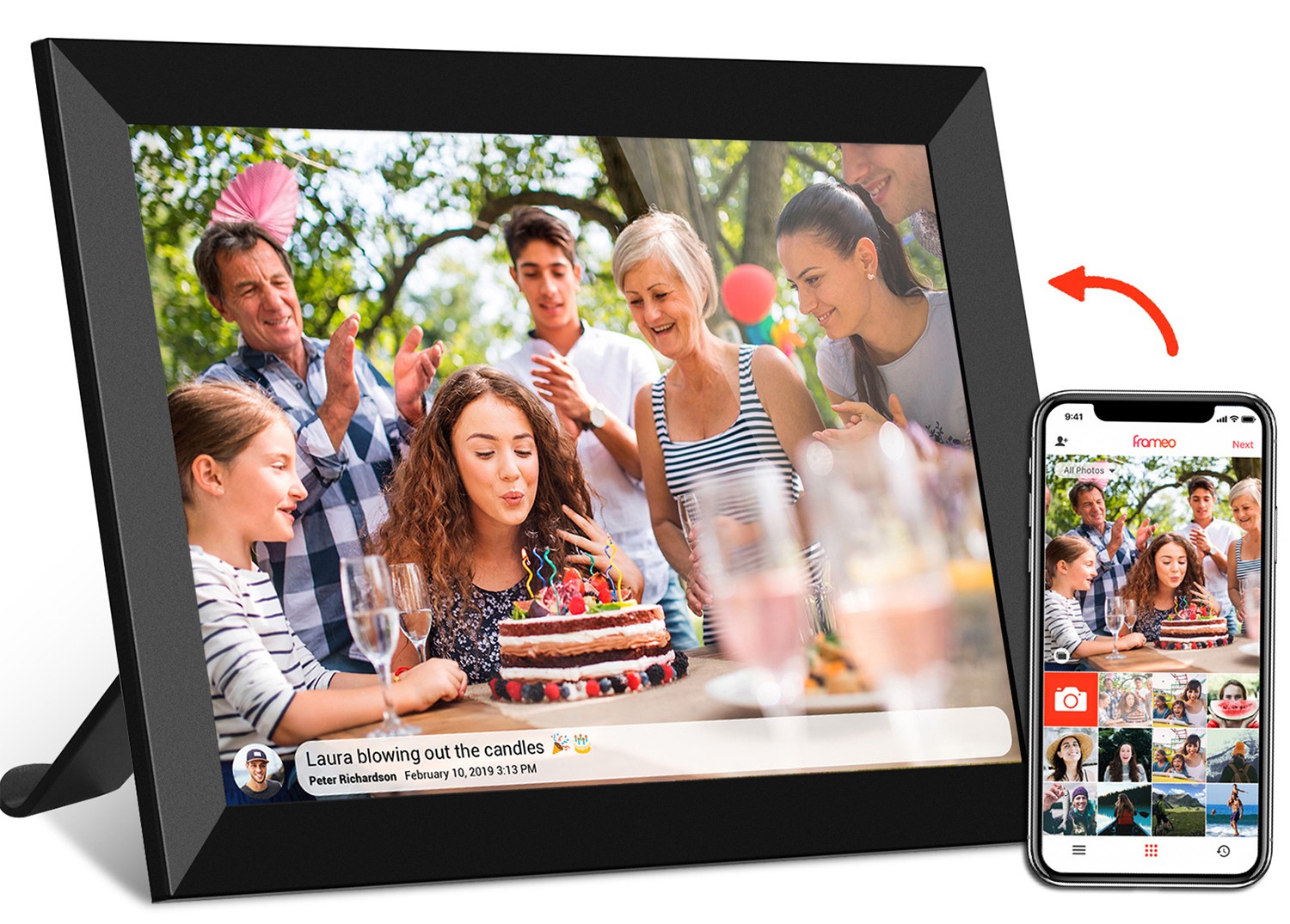
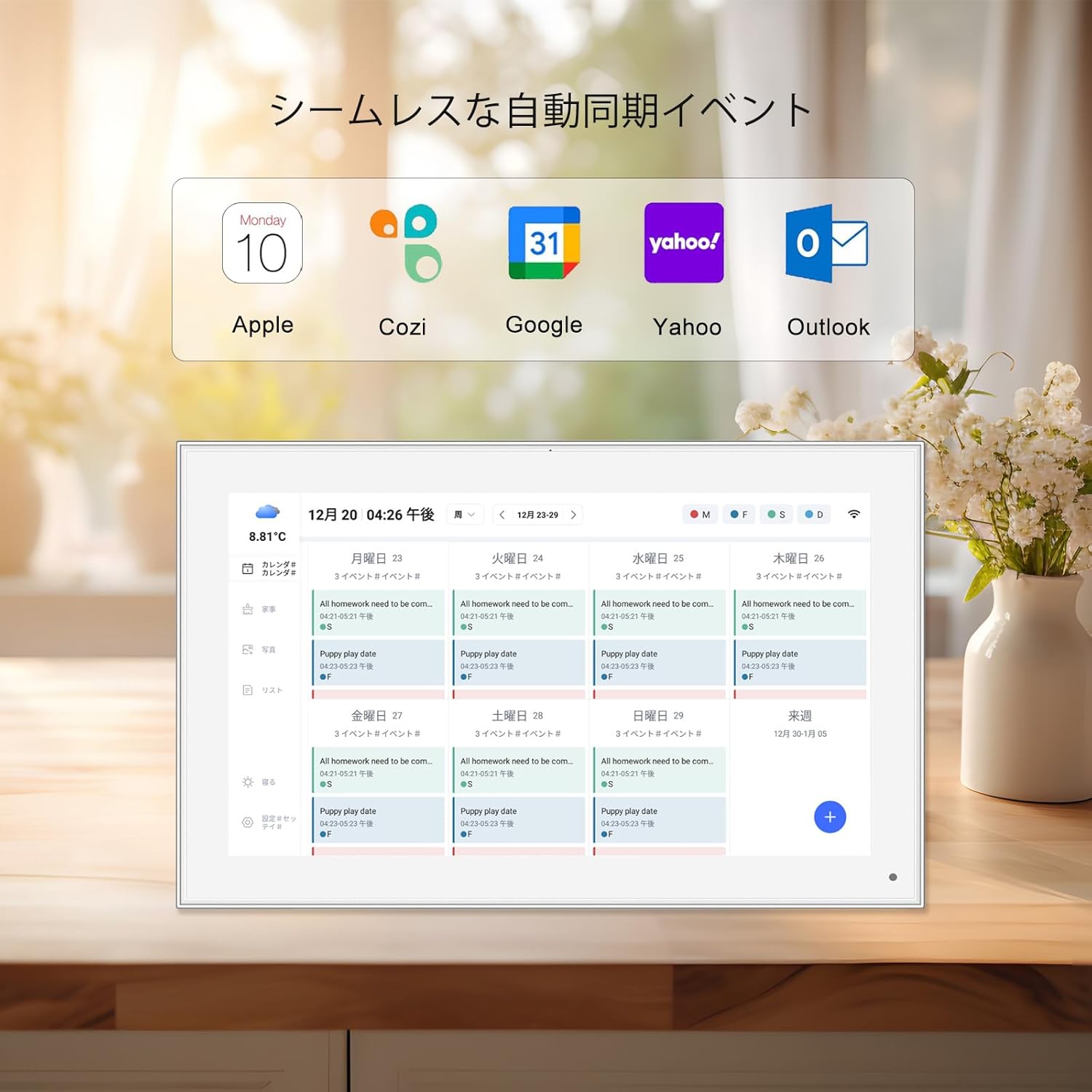
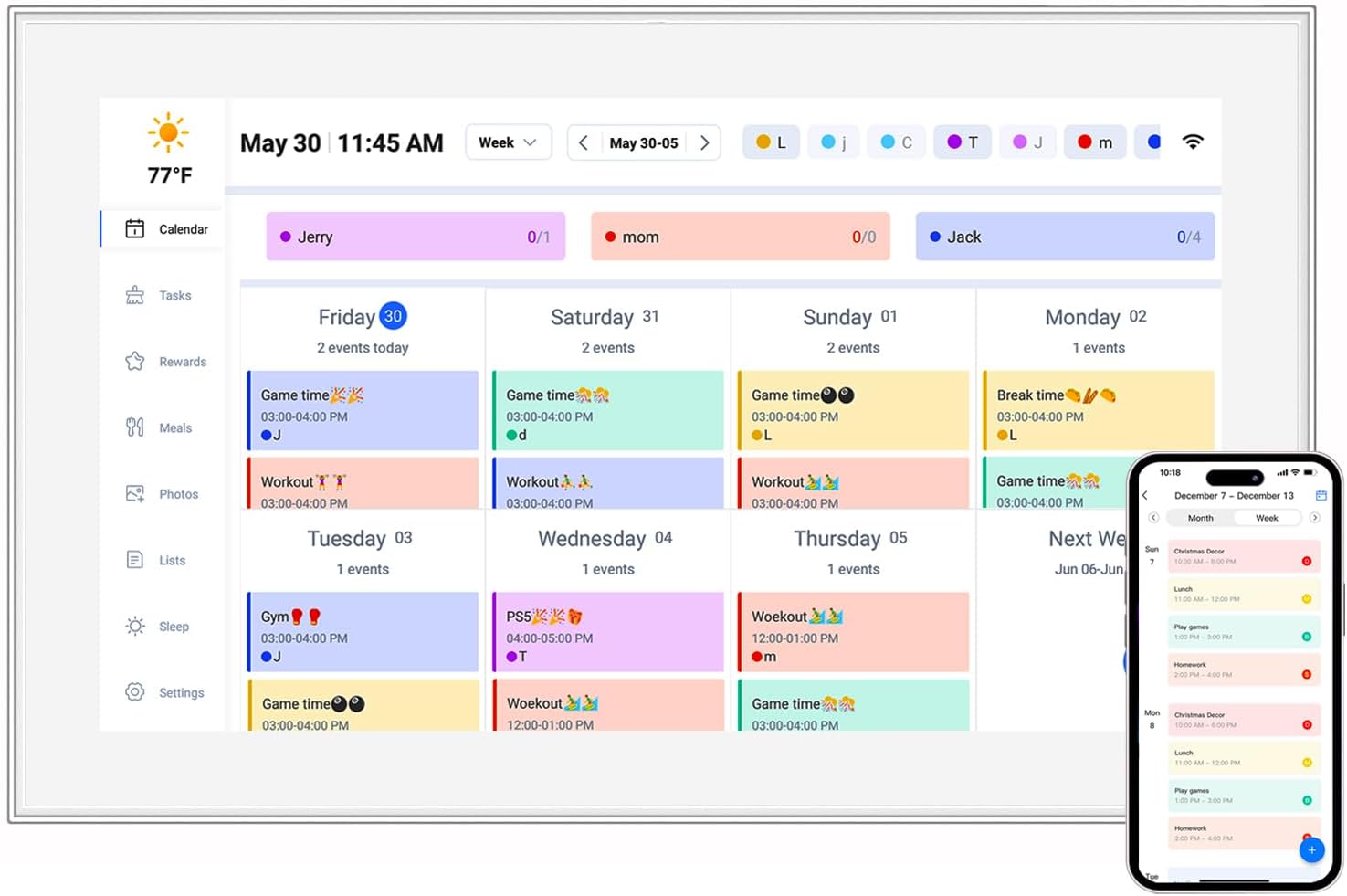
Factories thrive on efficiency, and Android tablets are helping managers keep a pulse on production lines. Mounted on walls or carried by supervisors, these tablets display live metrics: machine uptime, defect rates, inventory levels, and more. If a machine starts to slow down, the tablet can send an alert to maintenance staff, preventing costly breakdowns. Workers on the floor can also use tablets to log issues or update production counts, replacing paper forms that often get lost or delayed. For example, a 10.1 inch wireless wifi digital photo frame (repurposed with industrial software) might show a visual dashboard of a factory's output, making it easy to spot trends at a glance.
Retailers are using Android tablet digital signage to create immersive shopping experiences. A floor-standing digital signage display in a store window can showcase video ads, while a desktop tablet by the checkout can upsell products with personalized recommendations. Managers can update content remotely—no need to visit each store—ensuring promotions stay fresh. In restaurants, tablets on tables let customers order and pay without waiting for a server, while kitchen staff use mounted tablets to track orders in real time. It's all about flexibility, and Android's app ecosystem makes it easy to switch between functions as needs change.
Gone are the days of fumbling with HDMI cables and outdated projectors. POE meeting room digital signage, powered by Android tablets, lets teams connect wirelessly, share screens, and collaborate seamlessly. A 21.5 inch wifi digital picture frame with touch can double as a whiteboard, where participants jot down ideas with a stylus. Built-in cameras and microphones make video conferencing a breeze, while scheduling software ensures rooms are always booked and ready. Best of all, with POE, the tablet stays powered and connected without messy cables—perfect for keeping meeting spaces looking professional.
| Industry | Android Tablet Use Case | Key Benefit | Example Device |
|---|---|---|---|
| Healthcare | Patient data access, medication tracking | Reduced errors, faster care delivery | Healthcare Android tablet with antimicrobial coating |
| Manufacturing | Production line monitoring, maintenance alerts | Minimized downtime, improved efficiency | 10.1 inch Android tablet PC with IP65 rating |
| Retail | Dynamic pricing, inventory management | Real-time updates, better customer engagement | Android tablet digital signage with POE |
| Corporate | Meeting room collaboration, video conferencing | Simplified setup, enhanced productivity | POE meeting room digital signage (21.5 inch) |
So, why replace tried-and-true industrial systems with Android tablets? Let's compare:
A mid-sized automotive parts manufacturer was struggling with production delays. Their old HMI system was slow, hard to update, and limited to fixed workstations. Managers had to walk between lines to check statuses, and data entry was done on paper, leading to delays and errors.
The plant deployed 10.1 inch Android tablet PCs across the factory floor, mounted on stands near each production line. The tablets ran custom software that pulled data from IoT sensors on machines, displaying real-time metrics like speed, temperature, and defect rates. Workers could log issues directly into the tablet, triggering alerts to maintenance staff. Managers accessed the same dashboard from their offices via a web app, allowing remote monitoring.
Within three months, production delays dropped by 25%. Data entry errors decreased by 40%, and maintenance response time improved by 30%. The plant saved over $50,000 in the first year by reducing downtime and streamlining workflows. Workers reported higher job satisfaction, too—no more trekking across the factory or deciphering messy handwritten notes.
With so many options on the market, how do you pick the best Android tablet for your industrial control system? Here's what to consider:
Tablet size depends on how and where you'll use it. A 10.1 inch model is great for portability—think workers carrying it around a warehouse. Larger screens, like 21.5 inch wifi digital photo frames, work better for wall-mounted displays in meeting rooms or production lines where multiple people need to view data at once. Don't forget screen resolution: A higher resolution (like 1920x1080) ensures text and charts are crisp, even from a distance.
If your environment has reliable Wi-Fi, a wireless tablet might suffice. But for critical systems, wired connections (like Ethernet or POE) offer better stability. POE is especially useful if you're mounting the tablet in hard-to-reach places—no need for a nearby power outlet. For remote locations, look for 4G/5G support to stay connected even without Wi-Fi.
Ensure the tablet runs a recent, stable version of Android (Android 11 or higher) with long-term support. Check if the manufacturer offers security updates—you don't want to be stuck with outdated software that's vulnerable to hacks. If you need custom apps, verify that the tablet supports Google Play or has an enterprise app store for safe distribution.
Don't skip the specs here. Look for IP ratings (IP65/IP67 for dust/water resistance) and MIL-STD-810G for shock and vibration. If you're in a cold environment, check the operating temperature range—some tablets work in sub-zero conditions, while others might fail.
The future looks bright for Android tablets in industrial settings. Here are a few trends to watch:
Industrial control is no longer about big, expensive, one-size-fits-all systems. It's about flexibility, efficiency, and putting power in the hands of the people who need it most. Android tablets deliver on all fronts, combining the familiarity of consumer tech with the ruggedness and reliability of industrial gear. Whether you're managing a factory, running a hospital, or hosting meetings, there's an Android tablet built for your needs—from the compact 10.1 inch Android tablet PC to the feature-packed healthcare Android tablet or POE meeting room digital signage.
As technology evolves, these devices will only get smarter, more durable, and more integrated into our industrial workflows. The question isn't whether to adopt Android tablets for industrial control—it's how soon you can start reaping the benefits.