Commercial Digital Signage System for Enhancing Brand Promotional Power

Commercial Digital Signage System for Enhancing Brand Promotional Power

author: admin
2025-09-22

The Evolution of Brand Promotion: From Static to Dynamic

Walk into any modern shopping mall, corporate office, or even a local café, and you'll notice a shift in how brands communicate. Gone are the days of static posters and printed banners that fade over time or require manual updates. Today, it's all about movement, color, and real-time relevance—and that's where commercial digital signage systems come into play. These dynamic tools have redefined brand promotion, turning passive viewers into engaged customers and transforming spaces into interactive brand experiences. Whether it's a towering floor standing digital signage display in a retail store, a sleek android tablet digital signage at a restaurant counter, or a smart poe meeting room digital signage system in a corporate boardroom, digital signage has become the backbone of modern marketing strategies. In this article, we'll explore how these systems work, why they're essential for enhancing brand promotional power, and how to choose the right one for your business.

What Exactly Is a Commercial Digital Signage System?

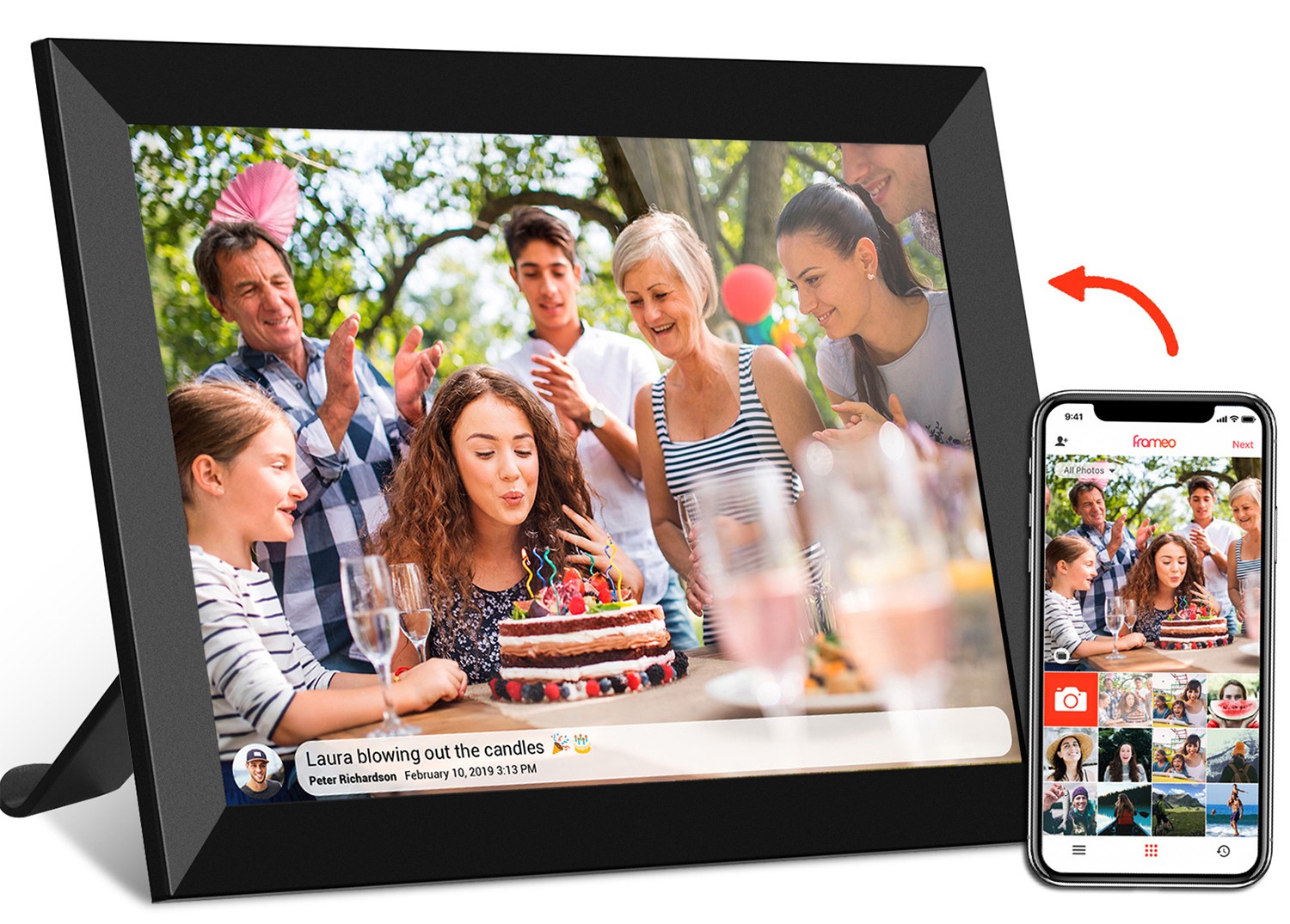
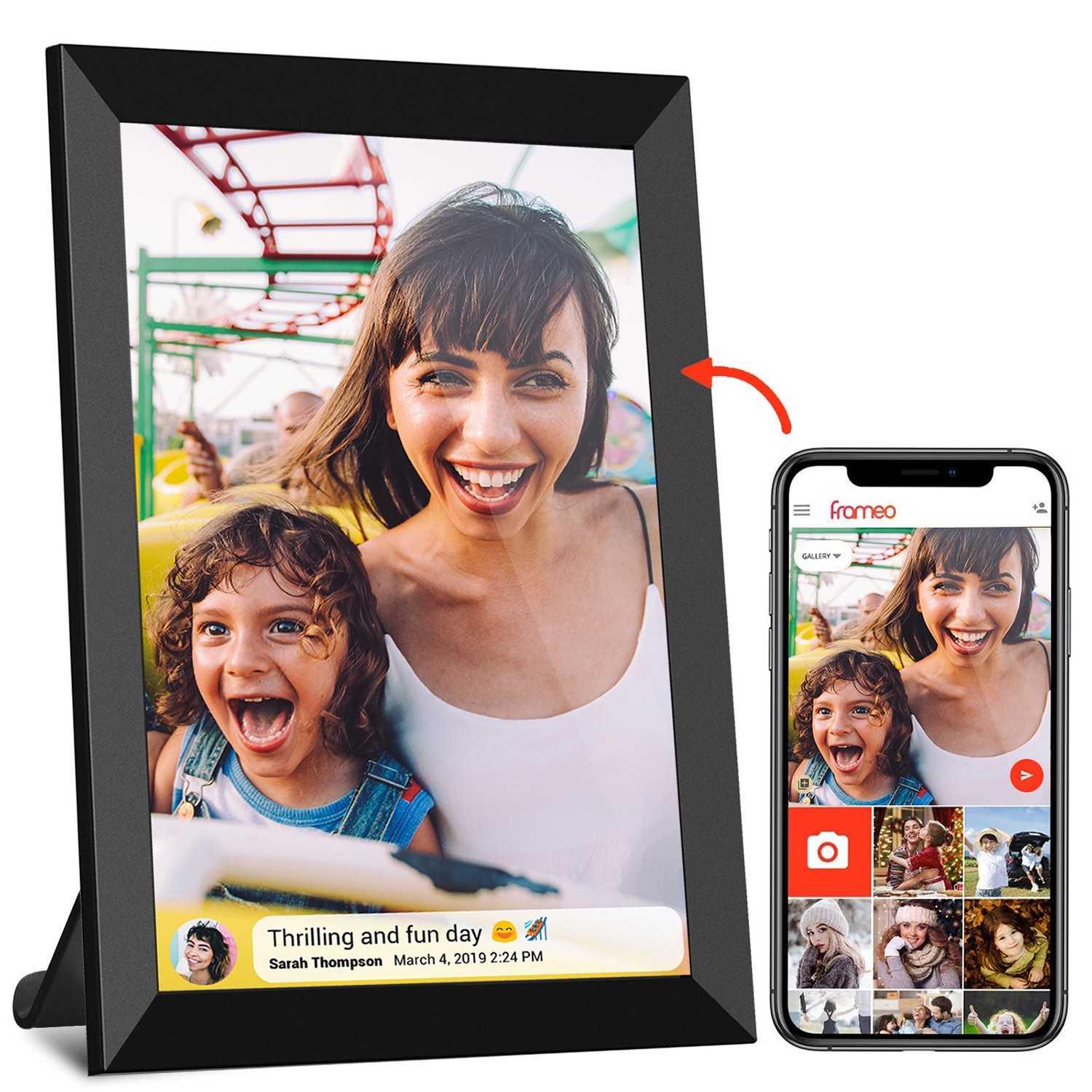
At its core, a commercial digital signage system is a network of digital displays connected to software that allows businesses to manage and display dynamic content—videos, images, text, live feeds, and even interactive elements—in real time. Unlike traditional signage, which is fixed and costly to update, digital signage offers flexibility, allowing brands to adapt messages based on time of day, audience demographics, or even current events. Think of it as a digital canvas that evolves with your brand's needs. These systems typically consist of three main components: the display hardware (like screens, projectors, or tablets), a content management system (CMS) to create and schedule content, and connectivity tools (Wi-Fi, Ethernet, or POE) to keep everything running smoothly. What makes them "commercial" is their durability—designed to operate 24/7 in high-traffic environments—and their ability to integrate with business tools, from CRM software to social media platforms. For example, a 21.5 inch wifi digital photo frame, originally designed for personal use, can double as a compact commercial signage solution in small spaces like boutique stores or hotel lobbies, showing off product images one minute and promotional videos the next.

Key Types of Commercial Digital Signage Systems: Finding the Right Fit

Commercial digital signage isn't a one-size-fits-all solution. Different businesses have different needs, and the market offers a range of options to match. Let's break down some of the most popular types and how they enhance brand promotion:

Floor Standing Digital Signage: Making a Bold Statement in High-Traffic Areas

If you want to command attention in busy spaces like shopping malls, airports, or trade shows, floor standing digital signage is your go-to. These tall, freestanding displays—often ranging from 43 inches to 55 inches or more—are impossible to miss. Imagine walking through a department store and encountering a floor standing unit near the entrance, looping a high-definition video of your latest product line with upbeat music. It's not just advertising; it's an experience. Brands like fashion retailers use these to showcase runway shows, while electronics stores highlight product demos. The key advantage? They're versatile—wheeled bases make them easy to move, so you can rearrange your promotional strategy as foot traffic patterns change.

Android Tablet Digital Signage: Compact Power for Targeted Messaging

For smaller spaces or more intimate settings, android tablet digital signage shines. These are essentially repurposed tablets (or specialized tablets designed for signage) that display content in areas like retail counters, restaurant tables, or hotel check-in desks. Their compact size (often 10.1 inches to 15.6 inches) makes them unobtrusive, but their bright screens and crisp resolution ensure messages don't get overlooked. A café might use one to display a rotating menu with mouthwatering images of lattes and pastries, updating prices or daily specials with a few taps on a CMS. What's more, many run on Android OS, which means they're easy to customize with apps, ensuring seamless integration with your existing software.

POE Meeting Room Digital Signage: Streamlining Corporate Communication

In corporate settings, poe meeting room digital signage is a game-changer. POE (Power over Ethernet) technology means these displays receive both power and data through a single Ethernet cable, eliminating the need for messy power cords and simplifying installation. Picture a busy office where every meeting room has a sleek 21.5 inch touchscreen display mounted on the wall. Employees can walk in, connect their laptops wirelessly, and start presenting—no fumbling with HDMI cables. But it's not just for presentations; these systems also display meeting schedules, room availability, and even company announcements, keeping everyone informed and productive. For brands, this translates to a more professional image and smoother internal communication, which indirectly boosts external promotional efforts by ensuring teams are aligned.
Comparing Signage Types: A Quick Overview
Signage Type Primary Use Case Ideal Location Key Advantage
Floor Standing Digital Signage High-impact brand storytelling Malls, airports, trade shows Maximizes visibility in crowded spaces
Android Tablet Digital Signage Targeted, intimate messaging Retail counters, café tables, lobbies Compact and cost-effective for small spaces
POE Meeting Room Digital Signage Corporate communication & presentations Office meeting rooms, boardrooms Simplifies installation with single-cable power/data
21.5 Inch Wifi Digital Photo Frame Multi-purpose display (signage/photos) Boutiques, reception areas, hotels Blends personalization with promotional content

Why Commercial Digital Signage Boosts Brand Promotional Power

So, what makes digital signage so effective for brand promotion? Let's dive into the key benefits that set it apart from traditional methods:

Dynamic Content Captures Attention (and Keeps It)

Humans are naturally drawn to movement and color. A static poster might get a quick glance, but a digital sign playing a short, engaging video? It stops people in their tracks. Studies show that digital displays increase viewer engagement by up to 400% compared to static signage. For example, a clothing store using floor standing digital signage to show models wearing their latest collection isn't just advertising—they're telling a story. The dynamic nature of the content makes viewers more likely to remember the brand and even share it on social media, turning passive viewers into brand advocates.

Real-Time Updates Mean Always Relevant Messaging

One of the biggest frustrations with traditional signage is the cost and effort of updating content. If you run a restaurant and your daily special changes, you either have to print new menus or hope customers notice a handwritten note. With digital signage, you can update your menu in seconds via a CMS, ensuring customers always see the latest offerings. Retailers use this to promote flash sales ("20% off today only!") or highlight trending products. Even corporate teams benefit—poe meeting room digital signage can instantly update meeting schedules if a last-minute change occurs, keeping everyone on the same page. This agility ensures your brand always stays relevant, which is crucial in today's fast-paced market.

Interactivity Builds Deeper Connections

Modern digital signage isn't just for watching—it's for interacting with. Many systems now feature touchscreens, allowing customers to engage directly with content. Imagine a cosmetics store with an android tablet digital signage at the makeup counter. Customers can tap to browse different shades, watch tutorials, or even take a virtual "makeover" using the tablet's camera. This level of interaction doesn't just inform; it entertains, creating a memorable experience that fosters brand loyalty. In meeting rooms, interactive poe signage lets teams annotate presentations, vote on ideas, or pull up real-time data, making collaboration more dynamic and productive.

Cost-Efficiency in the Long Run

While the initial investment in digital signage might be higher than printing posters, the long-term savings are significant. Think about how often you update your promotions: weekly sales, seasonal campaigns, new product launches. Each time, you'd have to reprint banners, flyers, or menus. With digital signage, those updates are free—just log into your CMS and hit "publish." Over time, this eliminates printing costs, labor for installation, and waste from outdated materials. Plus, many systems are energy-efficient, with LED displays that use less power than traditional screens, further reducing operational costs.

Key Features to Look for in a Commercial Digital Signage System

Not all digital signage systems are created equal. To ensure you're getting the most out of your investment, here are the essential features to prioritize:

Display Quality: Brightness, Resolution, and Size

The first thing viewers notice is the display itself. Look for high brightness (measured in nits) to ensure content is visible even in well-lit spaces—retail stores and lobbies often need 500 nits or more, while indoor meeting rooms might work with 300-400 nits. Resolution is equally important: 1080p (Full HD) is standard, but 4K is worth considering for larger displays like floor standing units, where detail matters. Size depends on your space: a 21.5 inch wifi digital photo frame works well in boutique reception areas, while a 43 inch floor standing sign makes sense for a mall. Don't forget aspect ratio—16:9 is standard for videos, but 4:3 might be better for menus or photos, as seen in some specialized signage.

Connectivity: Wi-Fi, POE, and Beyond

Your signage needs to stay connected to update content in real time. Wi-Fi is essential for most systems, but if you're installing multiple units (like in a chain of stores), ensure they can handle enterprise-level networks without lag. For meeting rooms, poe meeting room digital signage is a must—it simplifies setup by combining power and data into one cable, reducing clutter and installation costs. Some systems also offer Bluetooth or NFC for quick content transfers, which is handy for small businesses without dedicated IT teams.

User-Friendly Content Management System (CMS)

A powerful CMS is the brain of your digital signage system. It should be intuitive enough for anyone on your team to use—no coding required. Look for features like drag-and-drop content creation, pre-built templates, and scheduling tools (so you can set content to play at specific times, like breakfast menus in the morning and dinner specials at night). Cloud-based CMS platforms are ideal, as they let you manage multiple displays from anywhere with an internet connection. For example, a café owner could update all their android tablet digital signage menus from their phone while on vacation.

Durability and Reliability

Commercial environments are tough on equipment. Your signage will likely run 12-16 hours a day, so it needs to be built to last. Look for displays with industrial-grade components, anti-glare screens to reduce eye strain, and dust/water resistance (IP ratings) if used outdoors or in busy kitchens. For floor standing units, sturdy bases are a must to prevent tipping in high-traffic areas. Also, check for warranty coverage—most reputable manufacturers offer 2-3 years, which gives peace of mind for your investment.

Real-World Impact: How Brands Are Using Digital Signage to Succeed

To truly understand the power of commercial digital signage, let's look at some real-world examples of brands that have leveraged these systems to enhance their promotional efforts:
Case Study 1: Retail Store Boosts Sales by 28% with Floor Standing Digital Signage
A mid-sized clothing retailer was struggling to highlight their seasonal collections effectively. Their static window displays rarely changed, and customers often missed new arrivals. They invested in two 55 inch floor standing digital signage units—one near the entrance and another in the women's section. The entrance display played a montage of models wearing the latest line, while the women's section unit focused on tips and limited-time offers. Within three months, foot traffic to the women's section increased by 35%, and sales of featured items rose by 28%. Customers reported that the dynamic displays made them more aware of promotions, and staff noted that the signage reduced the need for constant verbal upselling.
Case Study 2: Corporate Office Streamlines Meetings with POE Signage
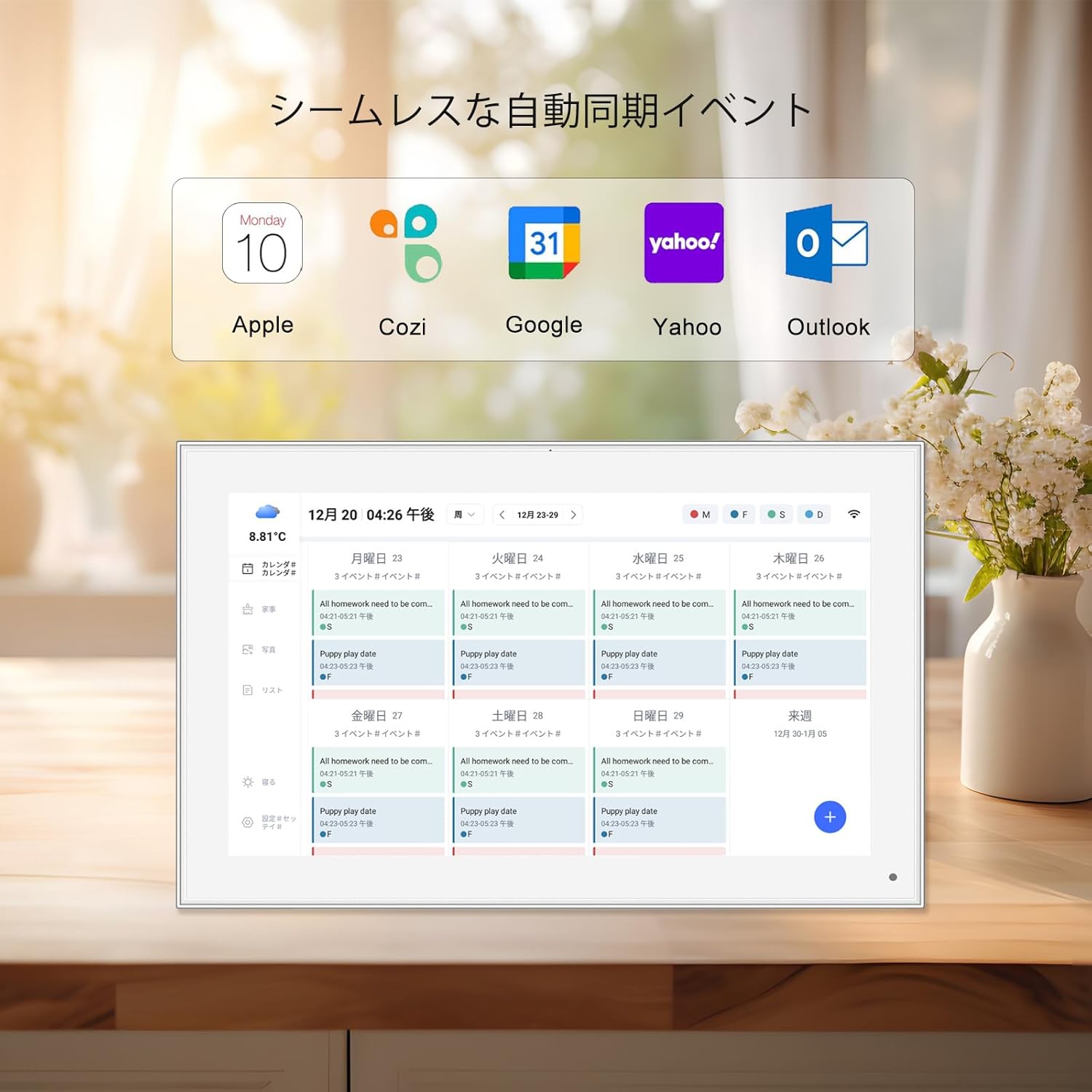
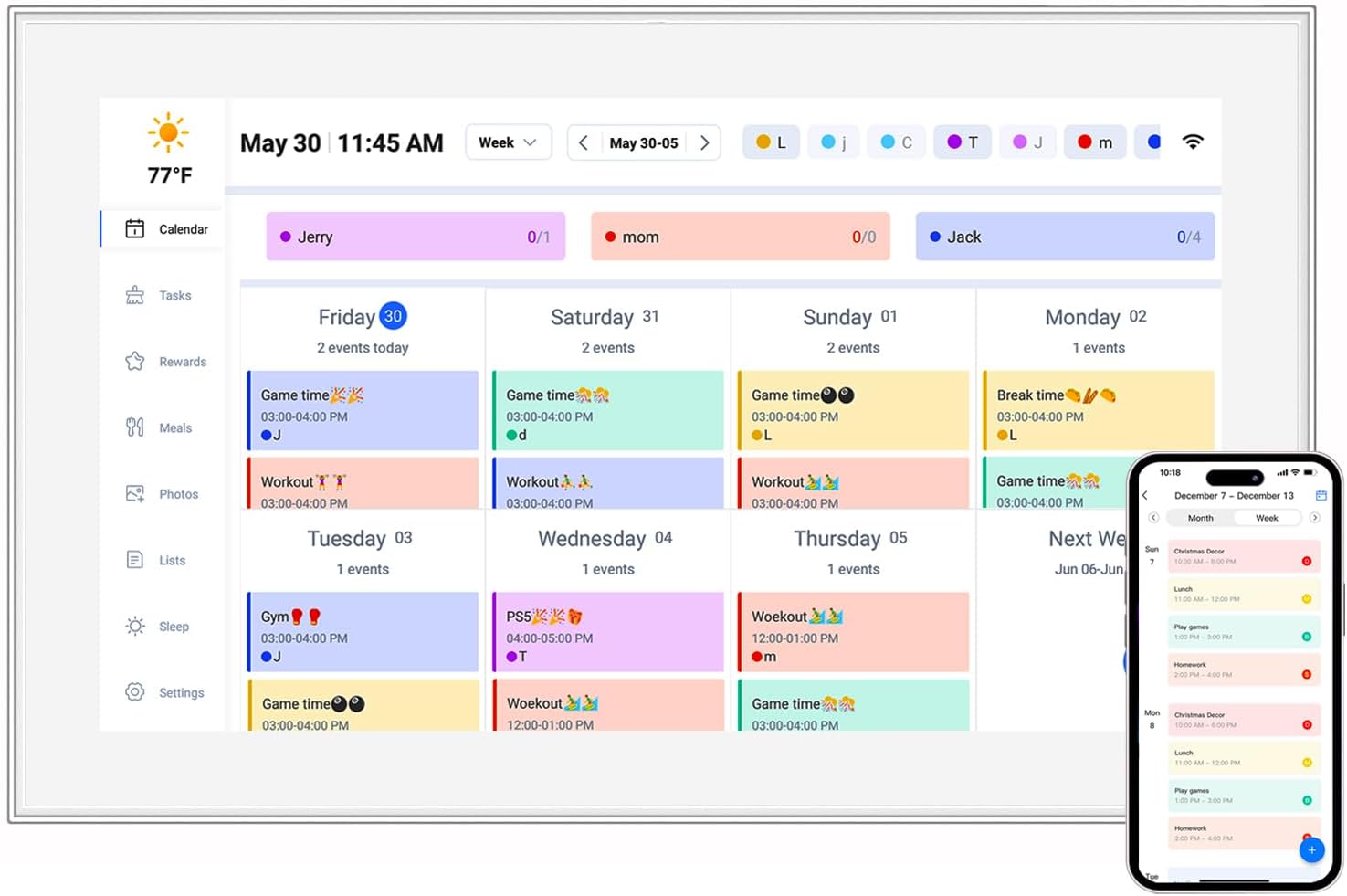
A tech company with 200 employees was tired of meeting room chaos—double-booked rooms, missing HDMI cables, and last-minute schedule changes. They installed poe meeting room digital signage in all 10 conference rooms: 21.5 inch touchscreens mounted on the walls, connected via a single Ethernet cable. The system synced with their Google Calendar, displaying real-time room availability, meeting agendas, and host information. Employees could book rooms on the spot via the touchscreen, and present wirelessly using screen mirroring. Within a month, meeting start times were 90% on schedule (up from 60%), and IT support requests for "cable issues" dropped by 75%. The company also used the signage to display company news and employee spotlights, fostering a more connected workplace culture.
Case Study 3: Café Enhances Customer Experience with Android Tablet Signage
A local café wanted to modernize its menu and reduce wait times. They replaced printed menus with 10.1 inch android tablet digital signage units at each table and the counter. The tablets displayed high-quality images of food and drinks, updated daily specials, and even allowed customers to place orders directly (sending them to the kitchen instantly). They also synced the tablets with their POS system, so prices and availability updated automatically. Customers loved the interactive experience—many spent more time browsing (and ordering extra items), while staff focused on preparing food instead of taking orders. Within six months, average order value increased by 15%, and customer wait times decreased by 20%.

Integrating Digital Signage into Your Brand Ecosystem

Digital signage doesn't exist in a vacuum—it works best when integrated with your other brand tools and platforms. Here's how to create a cohesive ecosystem:

Sync with Social Media and Online Trends

Your digital signage can be a bridge between your online and offline presence. For example, you can display live social media feeds (Instagram photos tagged with your brand hashtag, Twitter mentions) on a floor standing digital signage unit in your store. This not only shows social proof but also encourages customers to engage online. During a product launch, you could stream a live unboxing video from your YouTube channel directly to your android tablet signage, turning in-store shoppers into viewers and subscribers.

Blend with CRM and Sales Data

For retailers, integrating digital signage with your CRM (Customer Relationship Management) system can personalize the experience. Imagine a regular customer walks into your store, and your floor standing signage greets them by name (via facial recognition or a loyalty card scan) and suggests products based on their past purchases. While this might sound futuristic, it's already possible with advanced systems. Even simpler integrations—like displaying sales data on poe meeting room signage during team huddles—can help staff stay informed and upsell more effectively.

Desktop Tablet L-Type Series: Design Meets Functionality

For reception areas or front desks, the desktop tablet l-type series offers a sleek, space-saving solution. These are tablets mounted in an L-shaped stand, angled for easy viewing by both staff and visitors. They can display welcome messages, company information, or even live news feeds, but they're also functional for staff—checking in visitors, accessing customer records, or managing appointments. The design is modern and unobtrusive, blending seamlessly with your brand's aesthetic while serving a dual purpose. It's a small detail, but it makes a big impression on first-time visitors, reinforcing your brand's commitment to innovation and professionalism.

Future Trends: What's Next for Commercial Digital Signage?

As technology advances, digital signage will become even more powerful. Here are the trends to watch:

AI-Driven Personalization

Artificial Intelligence (AI) will take content personalization to new heights. Imagine a floor standing digital signage in a grocery store that uses cameras to detect the age, gender, and even mood of passersby, then displays tailored content—showing kids' snacks to families, energy drinks to young adults, or comfort food to someone looking tired. AI can also analyze foot traffic patterns to determine the best times to display certain promotions, ensuring maximum impact.

IoT Integration for Smart Signage

The Internet of Things (IoT) will connect digital signage to other smart devices, creating a more responsive ecosystem. For example, a restaurant's android tablet digital signage could sync with weather sensors—on rainy days, it might promote hot soups and coffee, while sunny days highlight iced drinks and outdoor seating. In retail, signage could connect to inventory systems, automatically updating to promote overstocked items or remove out-of-stock products from displays.

Sustainability Focus

As brands prioritize eco-friendly practices, digital signage will follow suit. We'll see more energy-efficient displays (with automatic brightness adjustment based on ambient light), recycled materials in hardware, and even solar-powered floor standing units for outdoor use. Some systems already offer "sleep mode" to reduce power consumption during off-hours, and this will become standard as sustainability becomes a key consumer concern.

Conclusion: Elevate Your Brand with the Right Digital Signage System

In a world where attention spans are shorter than ever, commercial digital signage systems are no longer a luxury—they're a necessity for brands looking to stand out, engage customers, and drive results. Whether you're a retail store using floor standing digital signage to showcase your latest collection, a corporate office streamlining meetings with poe signage, or a café enhancing menus with android tablet displays, the right system can transform how you connect with your audience. When choosing a system, focus on display quality, connectivity, a user-friendly CMS, and durability. Don't forget to integrate it with your existing tools—social media, CRM, IoT devices—to create a cohesive brand experience. And keep an eye on future trends like AI and sustainability to ensure your investment stays relevant for years to come. At the end of the day, commercial digital signage is more than just a way to display ads—it's a way to tell your brand's story, interact with customers, and build lasting relationships. So why wait? Start exploring options today, and watch your brand promotional power reach new heights.
HKTDC 2026