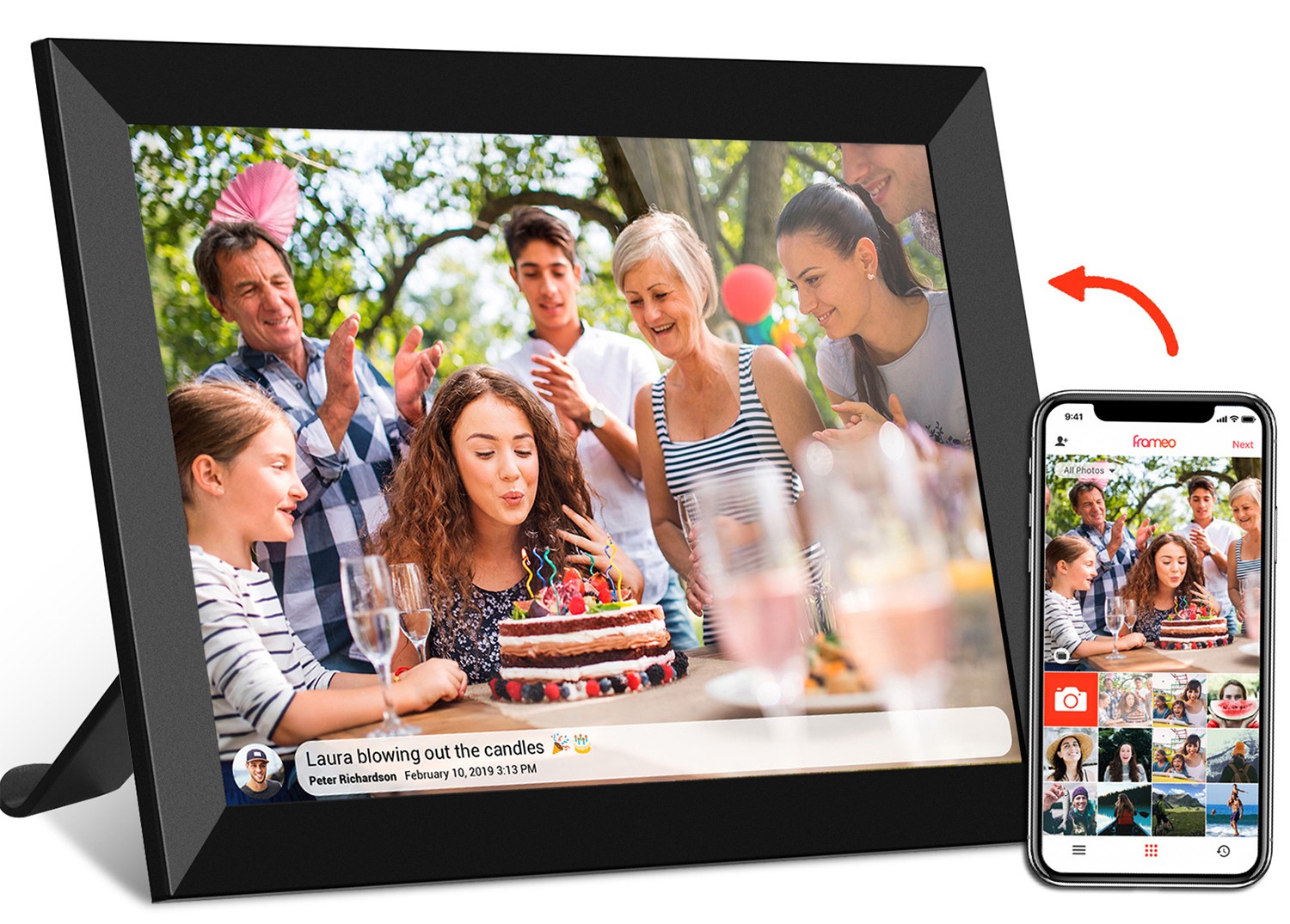
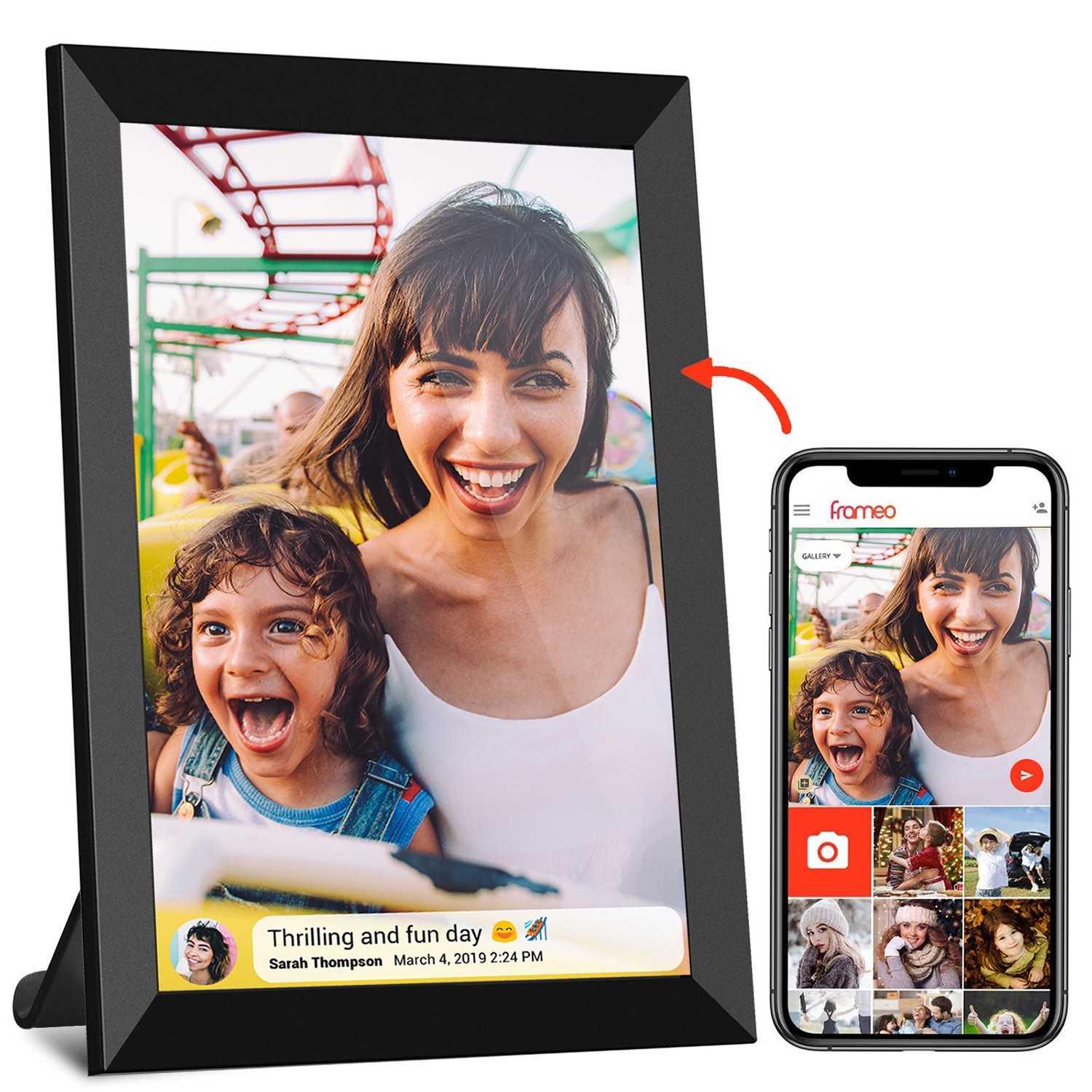
In today's fast-paced world, where consumers are bombarded with thousands of marketing messages daily, standing out is no longer optional—it's essential. Visual advertising, once dominated by static posters, billboards, and print ads, is undergoing a radical transformation. The shift? From static to dynamic . People don't just want to see a product; they want to experience it. They crave movement, storytelling, and interaction. This is where acrylic dynamic frames step in—a fusion of sleek design, cutting-edge technology, and emotional resonance that's redefining how brands connect with their audiences.
Imagine walking past a retail store window. On one side, a traditional poster shows a product in a static pose. On the other, a glossy, transparent frame that seems to come alive: a video plays, showing the product in action, its features highlighted through movement, color, and sound. Which one do you stop to watch? Chances are, it's the latter. That's the power of dynamic visual storytelling—and acrylic dynamic frames are the perfect canvas for it.
Let's start with the basics. Acrylic dynamic frames—often called acrylic motion video frames —are not your average picture frames. They're sophisticated display systems that combine the clarity of high-quality acrylic with the dynamism of digital video. At their core, they consist of three key components: a durable acrylic front panel, a high-resolution LED or LCD screen, and a built-in media player that powers the motion video content. The result? A seamless blend of physical design and digital storytelling that looks more like a piece of art than a traditional advertising tool.
Unlike clunky digital signage or bulky video screens, these frames are designed to be visually unobtrusive. The acrylic front acts as both a protective layer and a design element, enhancing the display's brightness and contrast while giving the frame a modern, premium feel. Think of it as a window into your brand's story—clear, inviting, and impossible to ignore.
You might be wondering: Why acrylic? Why not glass, plastic, or another material? The answer lies in acrylic's unique combination of properties that make it ideal for dynamic advertising frames.
First, clarity . Acrylic boasts a light transmittance rate of about 92%, which is even higher than glass (around 85-90%). This means the video displayed behind it appears brighter, more vivid, and truer to color—no fuzzy edges or glare to distract from your content. When you're trying to showcase a product's details or a video's emotional impact, clarity isn't just a nice-to-have; it's everything.
Second, durability . Acrylic is shatter-resistant, making it safer than glass, especially in high-traffic areas like retail stores or event venues. It's also lightweight—about 50% lighter than glass—so installation is easier, and there's less risk of damage during transport. For businesses that need to move displays between locations (like trade show exhibitors), this is a game-changer.
Third, design flexibility . Acrylic can be cut, shaped, and molded into almost any form—curved edges, custom logos, even 3D shapes. Want a frame that matches your brand's signature color? Acrylic can be tinted. Need a uniquely shaped frame for a product launch? Laser-cutting technology makes intricate designs possible. This flexibility lets brands create frames that don't just display content—they reflect the brand's identity.
Not all acrylic dynamic frames are created equal. Today's top models come packed with features that turn them from simple displays into powerful advertising tools. Here are a few that matter most:
Gone are the days of grainy, low-res videos. Most modern frames feature 1080p (Full HD) or even 4K resolution screens, ensuring that every detail of your content—from text to product close-ups—looks sharp. Some models also include anti-glare coatings on the acrylic panel, so the display remains visible even in bright sunlight or under harsh store lighting.
Why play a video 24/7 if no one's watching? Many frames now come with built-in motion or proximity sensors that trigger video playback when someone walks by. This not only saves energy but also creates a "wow" moment when the frame suddenly comes to life as a customer approaches. It's a simple feature, but it turns passive displays into interactive experiences.
Remember the days of printing new posters every time you ran a promotion? With acrylic dynamic frames, updating content is as easy as plugging in a USB drive, inserting an SD card, or even connecting wirelessly (some models offer Bluetooth or Wi-Fi for remote updates). This means you can switch out seasonal campaigns, flash sales, or new product videos in minutes—no printing costs, no waiting, no hassle.
Acrylic motion video frames aren't just for big brands with massive budgets. They work across industries, in settings where visual impact and audience engagement are key. Let's take a look at a few places where they're making a difference:
Retailers know the struggle: window displays need to stop pedestrians in their tracks. Static mannequins and posters often blend into the background, but an acrylic dynamic frame? It's like having a mini movie theater in your store window. Imagine a clothing brand showing a video of models walking down a runway, their clothes moving in the wind, or a tech store demonstrating a new smartphone's features through a looping video. These frames don't just show products—they tell stories that make customers want to step inside.
Trade shows are a sea of booths, all vying for attention. A sleek acrylic dynamic frame can be the difference between being ignored and drawing a crowd. For example, a food company could loop a video of their products being prepared—fresh ingredients, sizzling pans, happy customers—to make attendees' mouths water. The frame's modern design also signals that your brand is innovative, which matters when you're competing with dozens of other exhibitors.
First impressions count, especially in business. A corporate lobby with a generic reception desk and a static company poster feels cold and impersonal. Swap that poster for an acrylic dynamic frame showing a video of your team at work, customer success stories, or even a welcome message from the CEO, and suddenly the space feels alive. It's a subtle way to showcase your company culture and values without saying a word.
Still on the fence? Let's compare acrylic motion video frames with three common advertising tools: static frames, video brochures , and standard digital signage. This table breaks down how they stack up in key areas:
| Feature | Static Frames | Video Brochures | Standard Digital Signage | Acrylic Motion Video Frames |
|---|---|---|---|---|
| Visual Engagement | Low (static images only) | Medium (small screens, limited motion) | High (large screens, motion) | Very High (clear acrylic + motion video + sleek design) |
| Durability | Medium (glass can shatter, paper fades) | Low (small, easily damaged in transit) | High (but bulky and heavy) | Very High (shatter-resistant acrylic, lightweight) |
| Portability | High (lightweight, easy to move) | Very High (small, fits in mail) | Low (bulky, requires professional installation) | Medium (lightweight but larger than brochures) |
| Content Flexibility | Low (must reprint for updates) | Low (pre-loaded content, hard to update) | High (easy to update via software) | High (USB/SD or wireless updates) |
| Cost-Effectiveness (Long-Term) | Low upfront, high over time (reprinting costs) | High per unit (good for small audiences) | High upfront (installation, hardware) | Moderate upfront, low over time (no reprinting, durable) |
The takeaway? Acrylic motion video frames offer the best of both worlds: the visual impact of digital signage, the design flexibility of static frames, and the content control of modern tech—all in a package that's durable, lightweight, and easy to use.
Let's put this into real-world context. Take "Sweet Delights," a small bakery in a busy downtown area. For years, they relied on static posters in their window to advertise daily specials—muffins, cakes, seasonal treats. While the posters were colorful, foot traffic was steady but not growing, and many customers admitted they rarely noticed the specials unless they were right in front of the window.
Last year, the owner decided to invest in a 15.6 inch acrylic motion video frame. They worked with a local videographer to create short, 30-second videos: a close-up of a croissant being layered with butter, a time-lapse of a cake being iced, customers laughing as they bit into fresh cookies. The video looped continuously in the window, with motion sensors triggering it to play louder when someone walked by.
The results were staggering. Within two months, foot traffic increased by 30%. Sales of the featured specials rose by 45%, and customers started mentioning the "cool window display" in online reviews. The owner noted, "It's like having a salesperson in the window 24/7. People stop, watch the video, and suddenly they're craving a croissant they didn't even know we had."
This isn't an isolated success story. Businesses of all sizes are finding that acrylic dynamic frames don't just display content—they drive action.
Curious how these frames are made? The process combines art and engineering, with each step carefully designed to ensure the final product is both beautiful and functional.
It all starts with the client's vision. Manufacturers work with businesses to determine the frame's size (common options include 10.1 inch, 15.6 inch, and 21.5 inch), shape, and features (like motion sensors or touchscreens). Using 3D modeling software, they create a design that integrates the acrylic panel, screen, and internal components seamlessly.
Next, the acrylic sheet is cut to the exact dimensions of the design using laser cutting technology, which ensures precision down to the millimeter. The edges are then polished to a smooth, glossy finish—no rough spots or imperfections that could distract from the display. Some frames even have beveled edges for an extra touch of elegance.
The LED/LCD screen is mounted behind the acrylic panel, along with the media player, speakers (if audio is included), and power supply. The goal is to make these components as invisible as possible, so the focus remains on the content. Manufacturers also test the frame for heat management—ensuring the electronics don't overheat, even during long hours of use.
Before shipping, each frame undergoes rigorous testing: checking for screen dead pixels, ensuring the motion sensors work correctly, and verifying that the acrylic panel doesn't distort the video. Only after passing these tests is the frame packaged and sent to the client.
As technology evolves, so too will acrylic dynamic frames. Here are a few trends to watch for in the coming years:
Manufacturers are working to create larger displays (think 32 inch or even 43 inch) with thinner acrylic panels, making them suitable for bigger spaces like shopping malls or airport terminals without sacrificing design.
Imagine a frame that uses AI to analyze who's watching—age, gender, time of day—and adjusts the content accordingly. A coffee shop frame could show iced coffee videos in the morning and hot cocoa videos in the evening. This level of personalization will make frames even more effective at driving engagement.
Sustainability is becoming a priority for businesses, and acrylic manufacturers are responding by developing recycled acrylic options and frames with energy-efficient screens. This not only reduces environmental impact but also appeals to eco-conscious consumers.
In a world where attention spans are shorter than ever, static advertising is no longer enough. Brands need tools that capture attention, tell stories, and drive action. Acrylic dynamic frames—with their stunning clarity, durability, and dynamic content capabilities—are exactly that tool.
Whether you're a small bakery looking to boost foot traffic, a tech company showcasing new products at a trade show, or a corporate office wanting to impress visitors, these frames offer a way to connect with audiences on a deeper level. They're not just displays—they're investments in your brand's visibility and relevance.
So, what are you waiting for? It's time to swap the static for the dynamic, the ordinary for the extraordinary. Your customers (and your bottom line) will thank you.