Remember the last time you tried to work from a café, only to realize your laptop screen was too small to juggle a spreadsheet, email, and video call? Or when you wanted to show family photos during a weekend trip but your phone's display felt underwhelming? In today's fast-paced world, where we're always on the move and switching between roles—professional, parent, hobbyist—we need tech that keeps up. That's where the multi-interface portable monitor comes in. It's not just a screen; it's a chameleon that adapts to your life, whether you're closing a deal, bonding with your kids, or unwinding with a game. Let's dive into why this versatile device is becoming a must-have, and how it fits seamlessly into more scenarios than you might think.
Let's start with the basics. A portable monitor is exactly what it sounds like: a lightweight, slim screen you can carry around—no bulky desktop setup required. But "multi-interface" takes it up a notch. Think of it as a screen that speaks multiple "languages" when it comes to connecting devices. It's not fussy about what you plug into it: laptops, phones, tablets, gaming consoles, even cameras. Whether you're using a USB-C cable, HDMI, or DisplayPort, it just works. No complicated setup, no driver downloads—just plug and play. That flexibility is what makes it different from a regular monitor. It's designed for people who don't stay in one place or use one device all day.
And size matters— but not in the way you might think. While there are smaller options (like 15.6-inch or 13.3-inch), the sweet spot for most people tends to be around 24.5 inches. It's big enough to feel like a proper second screen when you're working, but still light enough to toss into a backpack. Imagine unfolding it on a hotel desk, a kitchen table, or even a park bench, and instantly having the screen real estate you need. That's the magic of a portable monitor done right.
Not all portable monitors are created equal. The best ones pack features that solve real problems. Let's break down the must-haves:
| Feature | Why It Matters | Everyday Example |
|---|---|---|
| Multi-Interface Connectivity | Works with laptops, phones, tablets, and more via USB-C, HDMI, etc. | Plug your work laptop in the morning, then switch to your kid's tablet for afternoon homework help. |
| Slim & Lightweight Design | Easy to carry without weighing you down. | Slips into a backpack alongside your laptop—no extra "monitor bag" needed. |
| High Resolution (1080p/4K) | Sharp text, clear images, and vibrant colors. | Editing photos or reading small print on spreadsheets doesn't strain your eyes. |
| Built-In Speakers | No need for external speakers for video calls or media. | Watching a tutorial or joining a Zoom meeting without fumbling with headphones. |
| Adjustable Stand | Customize angle for comfort—whether sitting at a desk or on a couch. | Prop it up at eye level during a long work session to avoid neck pain. |
These features might sound technical, but they translate to one thing: less hassle, more doing. When your monitor adapts to your devices and your space, you spend less time setting up and more time getting things done (or having fun).
The real beauty of a multi-interface portable monitor is how it fits into so many parts of your day. Let's walk through a few scenarios where it's not just helpful—but transformative.
If you've ever tried to work from a tiny laptop screen, you know the struggle: switching between tabs constantly, missing details in spreadsheets, or squinting at a shared document during a call. A portable monitor turns any space into a mini office. Picture this: You're at a coworking space, and instead of hunching over your 13-inch laptop, you unfold your 24.5 inch portable monitor, plug it into your laptop via USB-C, and suddenly you've got two screens. Left side: your video call. Right side: the presentation you're discussing. No more alt-tabbing like a maniac. It's like bringing your desk setup with you, minus the heaviness.
Freelancers and digital nomads swear by this. One designer I talked to, Mia, said, "I used to dread client meetings outside my studio because I couldn't show my work properly on my laptop. Now I bring my portable monitor, hook it up to my tablet, and walk them through designs like I'm in my office. They're always impressed by how professional it looks—and honestly, it makes me feel more confident too."
Gamers, listen up: You don't have to choose between portability and a great gaming experience. A portable monitor with a high refresh rate (think 144Hz) and low response time means smooth gameplay, whether you're at a friend's house or on a weekend trip. Imagine packing your Nintendo Switch, a small gaming laptop, and your portable monitor, then setting up a mini gaming station in a hotel room. No more squinting at the Switch's tiny screen or settling for laggy gameplay. It's like having a console setup that fits in your backpack.
Even casual gamers appreciate the upgrade. Jake, a college student, told me, "My roommate and I used to huddle around my laptop to play multiplayer games. Now we bring my portable monitor to the dorm common area, plug in both our controllers, and it's like having a mini TV. Plus, when I visit my parents, I can still play my favorite games without taking over their living room TV."
If you're a parent, you know screens are part of modern parenting—whether it's for virtual school, educational apps, or just keeping the kids entertained during a long errand. But balancing screen time with quality interaction can be tough. Enter the portable monitor, which pairs surprisingly well with a kids tablet. Here's how: You're helping your 8-year-old with math homework, and their tablet screen is too small to show the problem clearly. Plug their tablet into the portable monitor, and suddenly you're both looking at a bigger, brighter display. You can point to numbers, draw diagrams, and avoid the "lean in closer" neck strain. It turns homework time from a struggle into a collaborative activity.
And when homework's done? Use the monitor to watch a family movie or play a learning game together. Unlike a big TV, it's intimate—you can all gather around the kitchen table without feeling like you're in a theater. One mom, Lila, put it this way: "My son's kids tablet has great educational games, but I could never really engage with him because the screen was too small. Now we use the portable monitor, and I can sit next to him, help him solve puzzles, and actually see what he's doing. It's turned screen time into bonding time."
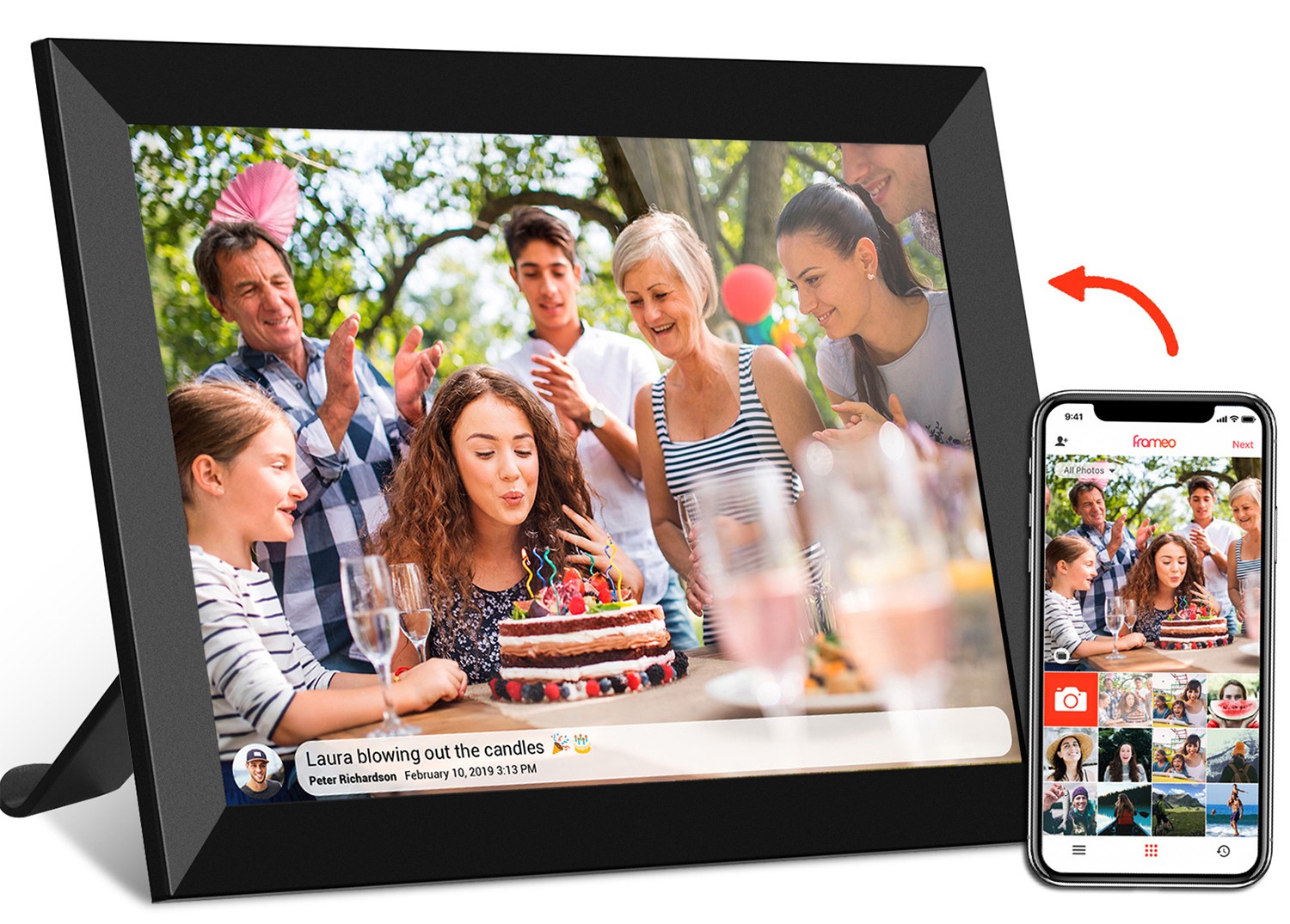
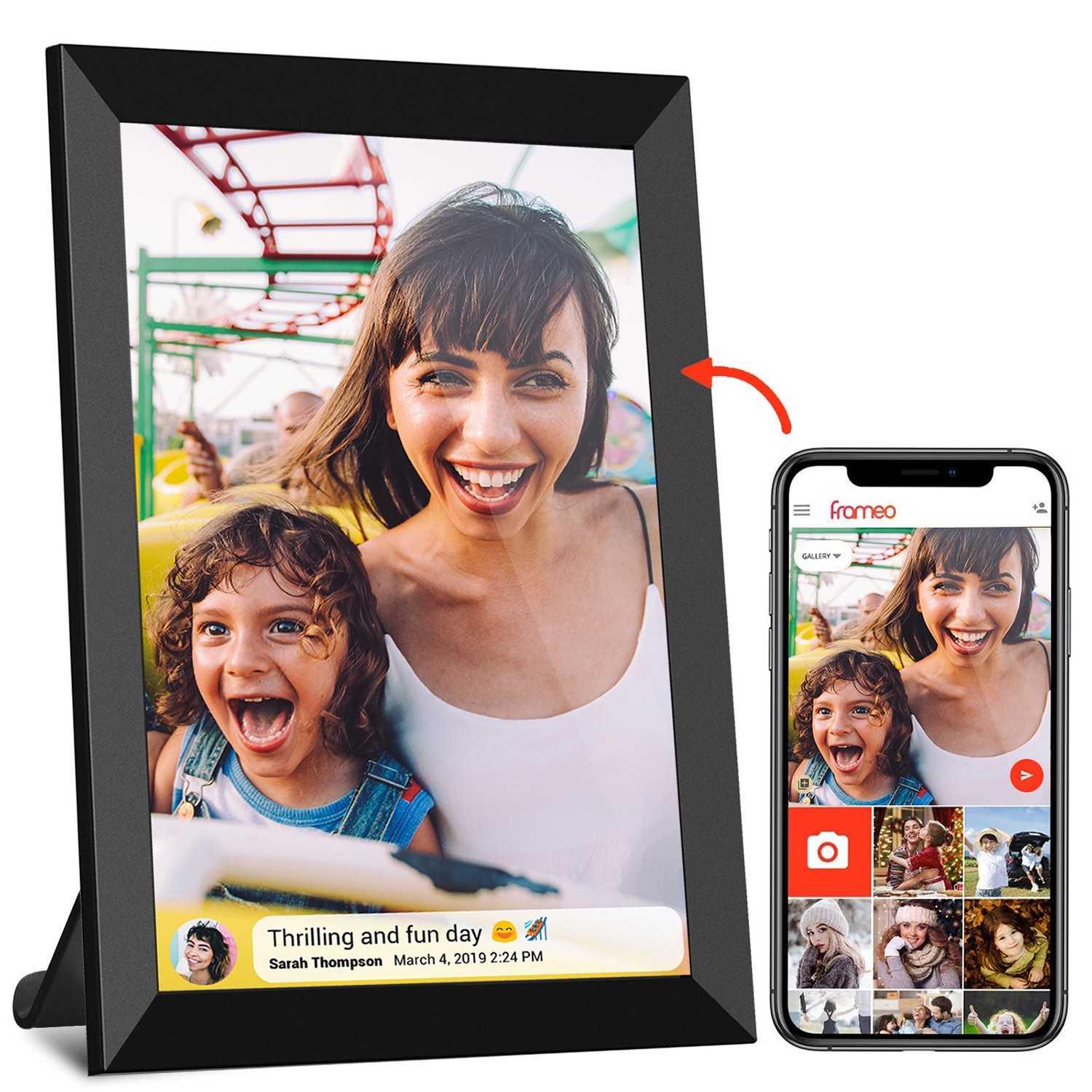
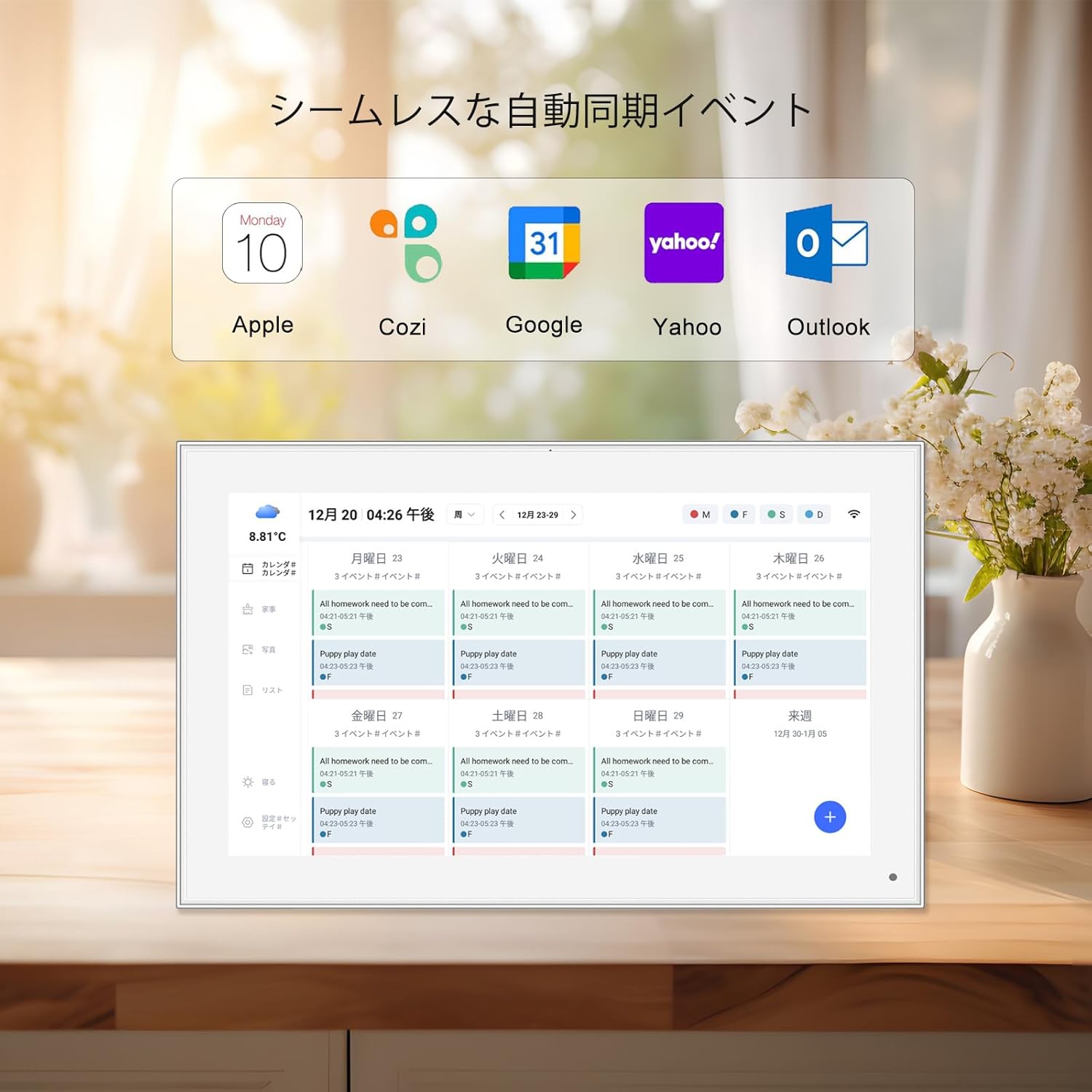
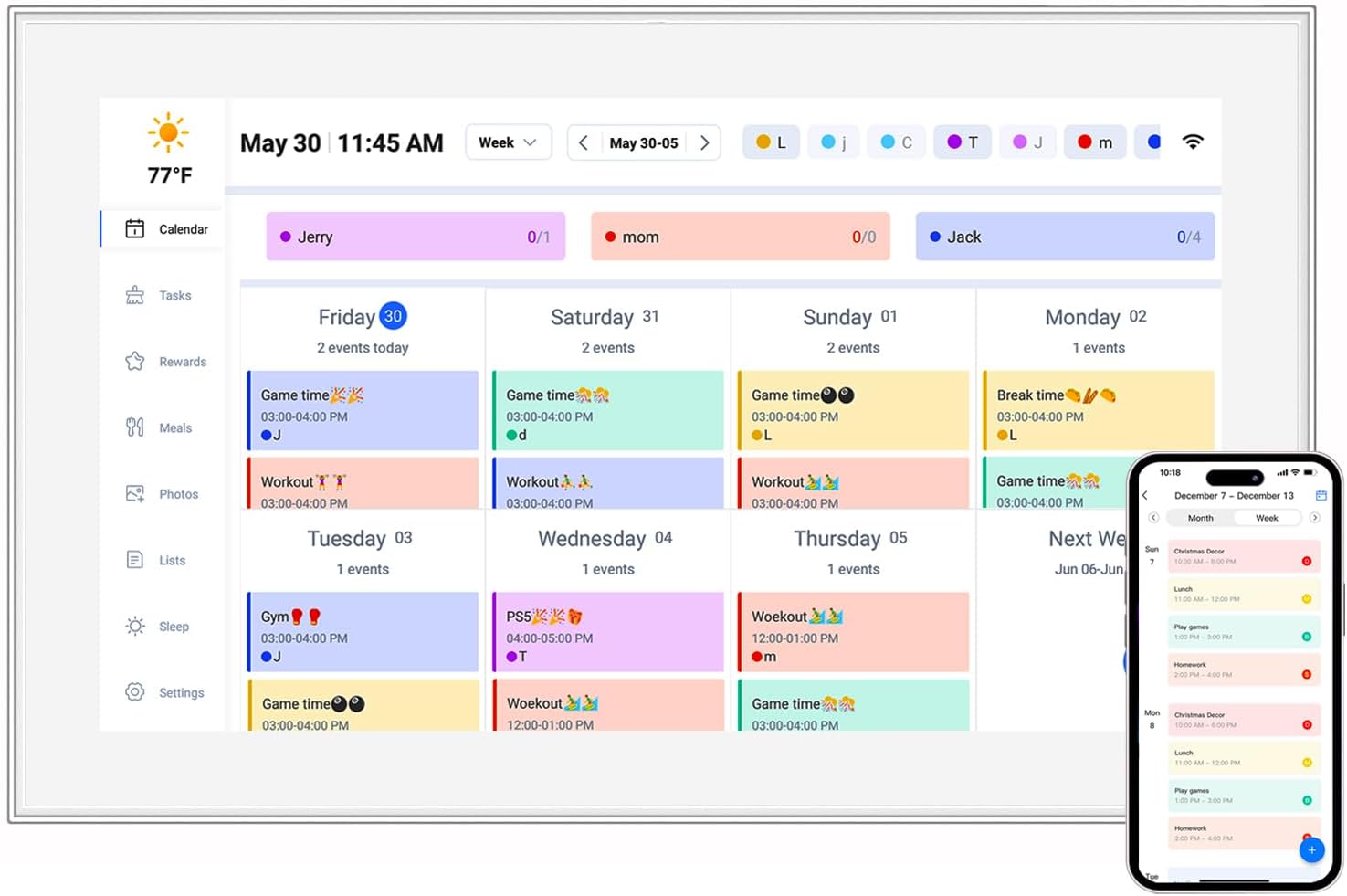
When you're not working or gaming, a portable monitor can blend into your home life seamlessly. Ever wished you had a dedicated space to display family photos, recipes, or your calendar? Pair your monitor with a 15.6 inch digital calendar, and you've got a smart display that keeps everyone on track. Stick it on the kitchen counter, and it can show the day's schedule, grocery list, or even a slideshow of vacation photos while you cook. It's like a mini command center for your home.
Hosting a dinner party? Use the monitor to play a slideshow of memories with friends, or stream background music. Going on a family trip? Pack it to watch movies in the car (yes, it's lightweight enough!) or display travel photos on the hotel wall. It's not just a tool for productivity—it's a way to make everyday moments feel a little more special.
With so many sizes available, why is 24.5 inches becoming a fan favorite? Let's break it down. Smaller monitors (13-15 inches) are super portable, but they can feel cramped for long work sessions or gaming. Larger ones (27+ inches) offer great screen real estate but lose the "portable" part—they're heavy and hard to carry. The 24.5 inch sweet spot hits the balance: big enough to feel like a proper second screen, but still light enough (usually under 3 pounds) to toss in a bag without breaking your back.
It's also versatile across devices. A 24.5 inch screen works equally well with a laptop, tablet, or phone. Hook it up to your phone, and suddenly you've got a mini TV for streaming. Connect it to your tablet, and it's a digital canvas for drawing or note-taking. One user, Raj, summed it up: "I tried a 15.6-inch first, but I kept squishing windows to fit. Then I upgraded to 24.5 inches, and it's perfect. I can have a browser, email, and a document open at once—no more juggling. And it still fits in my laptop bag!"
"Before I got my portable monitor, I was stuck working from my couch, hunched over my laptop for 8 hours a day. My back hurt, and I felt isolated because I never left the house. Now, I take my 24.5 inch portable monitor to the park, a café, or even my sister's backyard. I set up on a picnic table, plug in my laptop, and suddenly I've got a proper workspace with fresh air. It's not just about productivity—it's about mental health. I get to be outside, move around, and still get my work done. Plus, when my kids come home from school, I can switch the monitor to their kids tablet and help them with homework without leaving my 'outdoor office.' It's been a game-changer for work-life balance."
"I love gaming, but I travel a lot for work. For years, I'd either miss out on gaming with friends or try to play on my laptop's tiny screen, which was terrible. Then I got a portable monitor. Now, when I'm in a hotel room, I unpack my monitor, plug in my gaming laptop, and join my friends for a few rounds of our favorite game. The 24.5 inch size makes it feel like I'm at home, and the high refresh rate means I don't lag behind. Last month, I even brought it to a friend's wedding—we set it up in the hotel suite and played games with the wedding party after the reception. It's not just a monitor; it's how I stay connected to the people and hobbies I love, no matter where I am."
At the end of the day, a multi-interface portable monitor isn't just another tech gadget. It's a tool that adapts to you . Whether you're a busy parent, a digital nomad, a gamer, or someone who just wants more flexibility in their day, it solves the problem of "not enough screen, not enough space, not enough time." It turns any corner into a workspace, any gathering into a shared experience, and any trip into an adventure where you don't have to leave your productivity or joy behind.
So, if you've ever wished your tech could keep up with your life—instead of the other way around—it might be time to give a portable monitor a try. Start with the 24.5 inch size for that perfect balance of portability and performance, and get ready to wonder how you ever lived without it. After all, the best tech isn't about the specs—it's about making your life a little easier, a little more connected, and a lot more flexible. And that's exactly what a multi-interface portable monitor delivers.