Portable displays spark a new wave of innovation in enterprise information sharing

Portable displays spark a new wave of innovation in enterprise information sharing

author: admin
2025-09-24

From Static to Dynamic: The Evolution of Enterprise Information Sharing

Think back to the last time your team needed to share critical updates. Chances are, it involved a mix of email chains that got buried, printed reports that quickly became outdated, or a conference room projector that took 15 minutes to set up (and still displayed blurry slides). For decades, enterprise information sharing has been stuck in a cycle of inefficiency—relying on static tools that couldn't keep up with the speed of modern business. But in recent years, a quiet revolution has been unfolding: portable displays are rewriting the rules, turning once-clunky processes into seamless, dynamic experiences that keep teams connected, informed, and agile.

Whether it's a portable monitor that slides into a laptop bag for offsite meetings, a POE meeting room digital signage panel that powers up with a single Ethernet cable, or a compact android tablet displaying real-time metrics in a retail store, these devices are more than just screens. They're bridges between people, data, and decisions. In this article, we'll explore how portable displays are transforming enterprise information sharing—from the boardroom to the shop floor, and even into healthcare settings—why they're becoming indispensable, and what the future holds for this rapidly evolving technology.

What Makes Portable Displays a Game-Changer?

Before diving into their impact, let's clarify what sets portable displays apart. Unlike traditional monitors or bulky digital signage systems of the past, today's portable displays are designed with flexibility in mind. They're lightweight (often under 3 pounds), slim (less than an inch thick), and built to adapt to any environment—whether that's a cramped startup office, a client's conference room, or a hospital corridor. But it's not just about size; it's about smarts. Most come equipped with touchscreens, wireless connectivity (Wi-Fi, Bluetooth), and compatibility with cloud-based tools, allowing teams to share, edit, and collaborate on content in real time.

Take the 24.5 inch portable monitor , for example. Once considered a niche gadget for gamers, it's now a staple for remote and hybrid teams. A marketing manager can plug it into their laptop during a client pitch, instantly expanding their workspace to show both a presentation and live social media metrics. A sales rep can use it to walk through product demos in a coffee shop, no projector or power outlet required. These displays turn any space into a collaboration hub—and in a world where work happens everywhere, that's invaluable.

Then there's the rise of smart signage, like meeting room digital signage . Traditional conference room setups often meant dealing with tangled cables, finicky software, and content that had to be pre-loaded hours in advance. Today's digital signage panels, however, connect to the cloud, so teams can update agendas, share live data, or even stream video calls with a few taps. And with Power over Ethernet (POE) technology, as seen in POE meeting room digital signage , installation is a breeze: one Ethernet cable delivers both power and internet, eliminating the need for separate power cords. It's a small change that saves IT teams hours of setup time and reduces clutter—making meetings start on time and stay focused.

Transforming the Meeting Room: From Frustration to Productivity

Let's zoom in on the meeting room—the heart of enterprise collaboration and, historically, a hotbed of tech-related headaches. How many times has a key decision been delayed because the projector wouldn't sync, or the whiteboard ran out of space? Portable displays are solving these pain points by turning meeting rooms into dynamic, interactive spaces.

Consider POE meeting room digital signage as a case study. A mid-sized tech company in Chicago recently replaced their aging projectors with 21.5-inch POE-enabled panels in all conference rooms. The results were striking: meeting start times improved by 23% (no more fumbling with cables), and teams reported a 40% increase in engagement, thanks to the ability to pull up live spreadsheets, customer feedback, or even social media trends during discussions. "We used to spend the first 10 minutes of every meeting troubleshooting tech," says the company's operations director. "Now, we walk in, log in to our cloud account, and the screen populates with our agenda and any last-minute updates. It's like night and day."

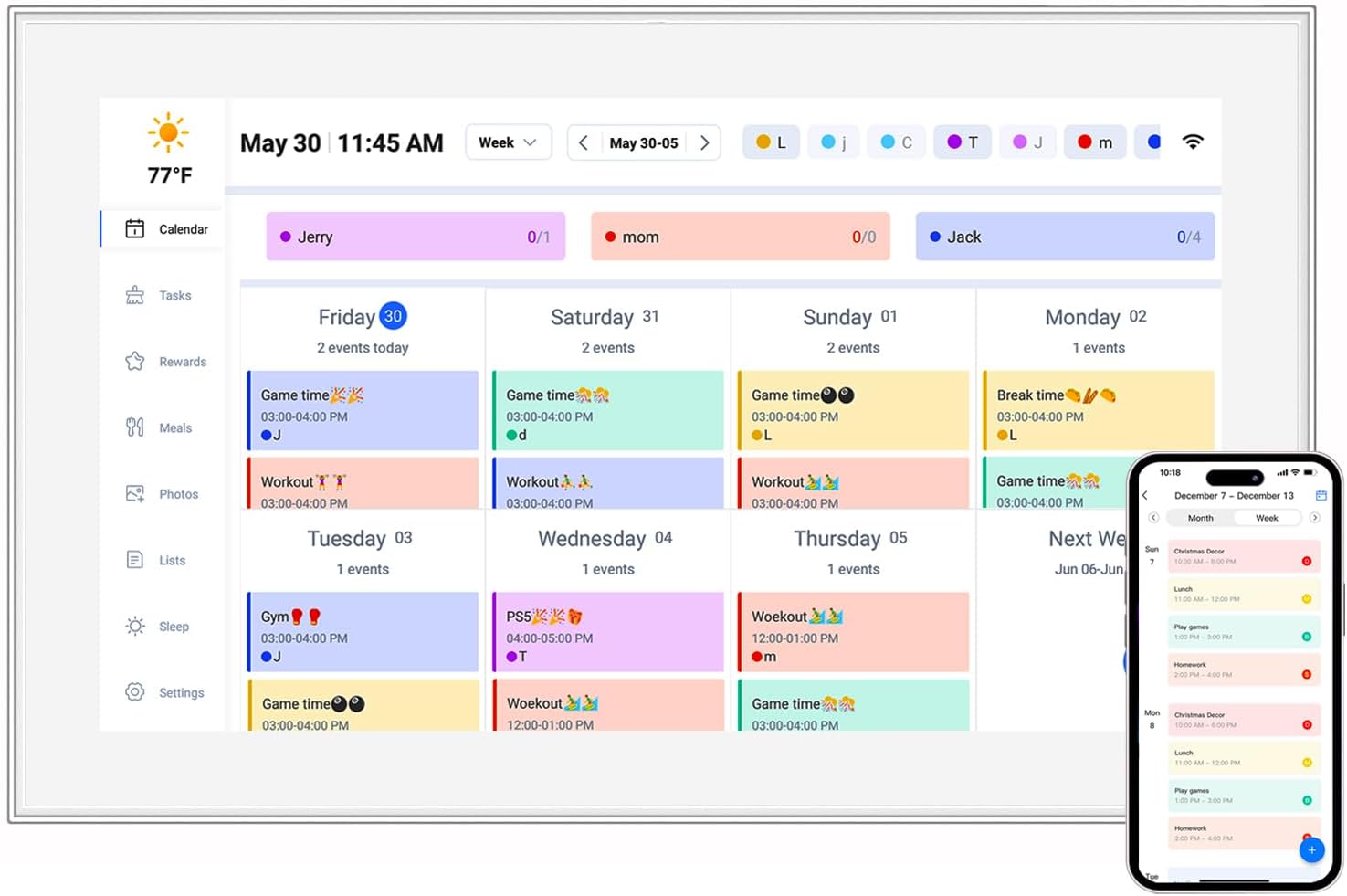
But it's not just about bigger screens. Compact android tablet devices are also making waves in smaller huddle spaces. A 10.1-inch Android tablet mounted on a wall in a team's breakout area can display real-time project timelines, task updates, or even a rotating feed of customer testimonials. Unlike static whiteboards, these tablets update automatically—so if a developer marks a task as "done" in the project management app, the whole team sees it instantly. It's a simple way to keep everyone aligned without endless check-in meetings.

And for hybrid teams, portable displays are bridging the physical and digital divide. A 24.5 inch portable monitor connected to a laptop allows in-office employees to share their screen with remote teammates, while the monitor itself displays the remote team's video feed. Suddenly, "you're on mute" or "I can't see that slide" becomes a thing of the past. It's a small adjustment, but it makes hybrid collaboration feel as seamless as being in the same room.

Beyond the Boardroom: Digital Signage in Customer and Public Spaces

Portable displays aren't just for internal teams—they're also transforming how enterprises share information with customers, visitors, and the public. Digital signage , once limited to large, fixed screens in shopping malls or airports, is now portable, customizable, and affordable enough for businesses of all sizes.

Take retail, for example. A clothing store might use a 15.6-inch digital signage panel near the checkout counter to display flash sales, customer reviews, or styling tips. Unlike printed posters, which need to be reprinted every time a promotion changes, digital signage can update in seconds via the cloud. A café could use a compact android tablet mounted near the entrance to show real-time wait times, daily specials, or even social media posts from customers (with their permission, of course). It's a way to engage customers without overwhelming them—and it's far more dynamic than a static menu board.

Corporate lobbies are another area seeing change. Instead of static reception desks with printed brochures, many companies now use digital signage to welcome visitors, display company news, or even guide guests to their meeting rooms. A 32-inch floor-standing digital signage panel can cycle through employee spotlights, sustainability initiatives, or upcoming events—telling the company's story in a way that feels fresh and engaging. And because the content is cloud-based, receptionists don't have to manually update materials; HR or marketing can push new content from their desks, ensuring visitors always see the latest info.

Even trade shows and events are getting in on the action. A portable monitor or lightweight digital signage panel can be set up in minutes at a booth, allowing reps to showcase product demos, customer testimonials, or live sales data. Unlike bulky traditional displays, these can be packed into a carrying case and reused at every event—saving money on rental fees and ensuring brand consistency across shows.

Healthcare: Where Information Sharing Saves Lives

Nowhere is the need for fast, accurate information sharing more critical than in healthcare. Hospitals, clinics, and care facilities rely on timely updates to coordinate patient care, track staff schedules, and ensure compliance with strict regulations. Here, portable displays—specifically healthcare android tablet devices—are making a tangible difference in patient outcomes and staff efficiency.

Let's consider a busy hospital ward. Nurses and doctors traditionally carried clipboards or laptops to access patient charts, but these were often cumbersome (laptops) or outdated (clipboards). Healthcare android tablet devices, however, are designed to be durable, sanitizable, and secure. A nurse can walk into a patient's room, log in with a fingerprint or RFID badge, and instantly access the latest lab results, medication schedules, or care plans—all updated in real time by the hospital's EHR system. If a doctor adjusts a treatment plan, the nurse sees the change immediately, reducing the risk of errors.

These tablets also streamline communication between teams. In the past, a shift change might involve a 30-minute meeting where nurses verbally relayed patient updates—a process prone to missed details. Today, many hospitals use healthcare android tablet devices mounted in nurse stations to display a shared dashboard: patient statuses, pending tasks, and urgent alerts (like a patient's vital signs dropping). It's a visual, at-a-glance system that ensures no update falls through the cracks.

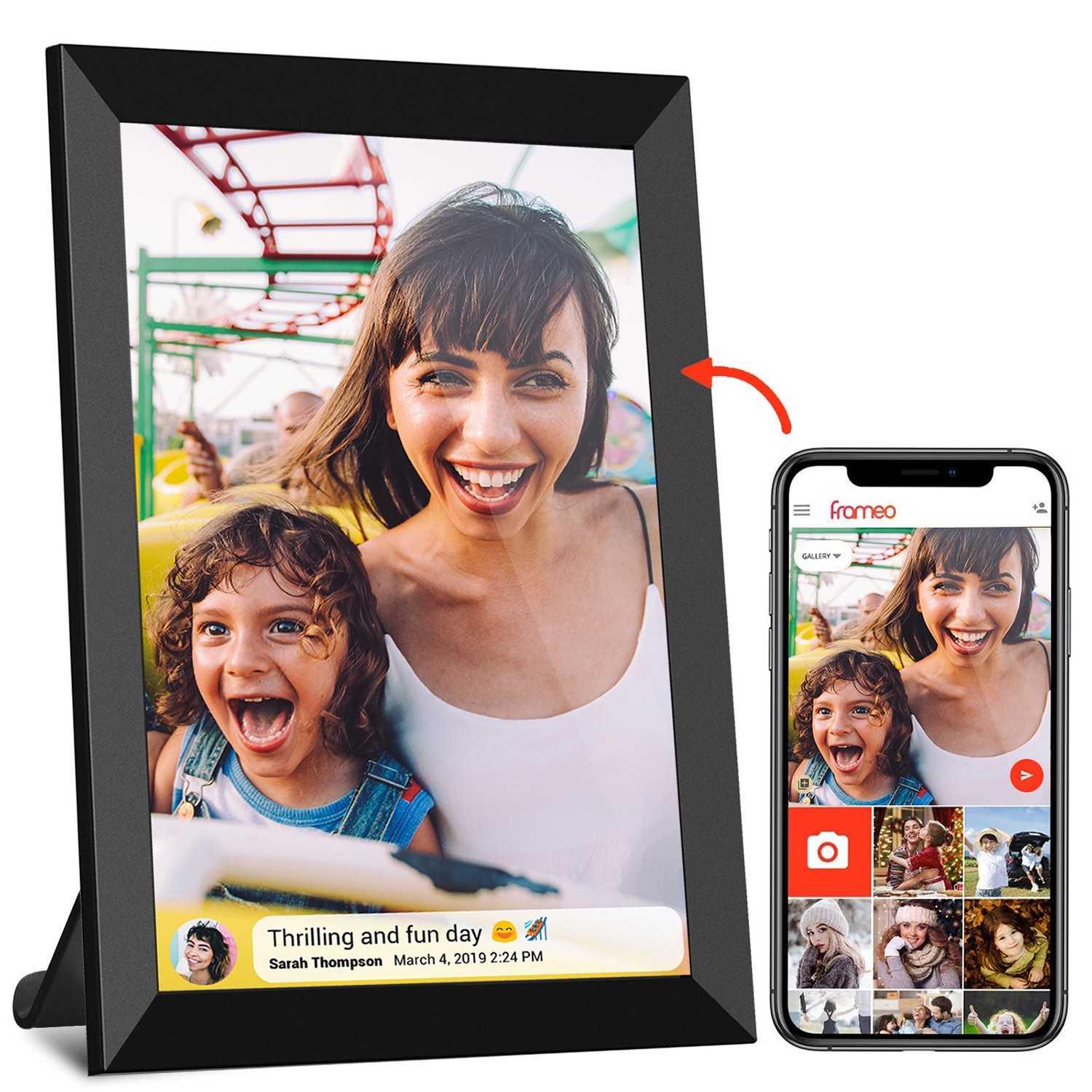
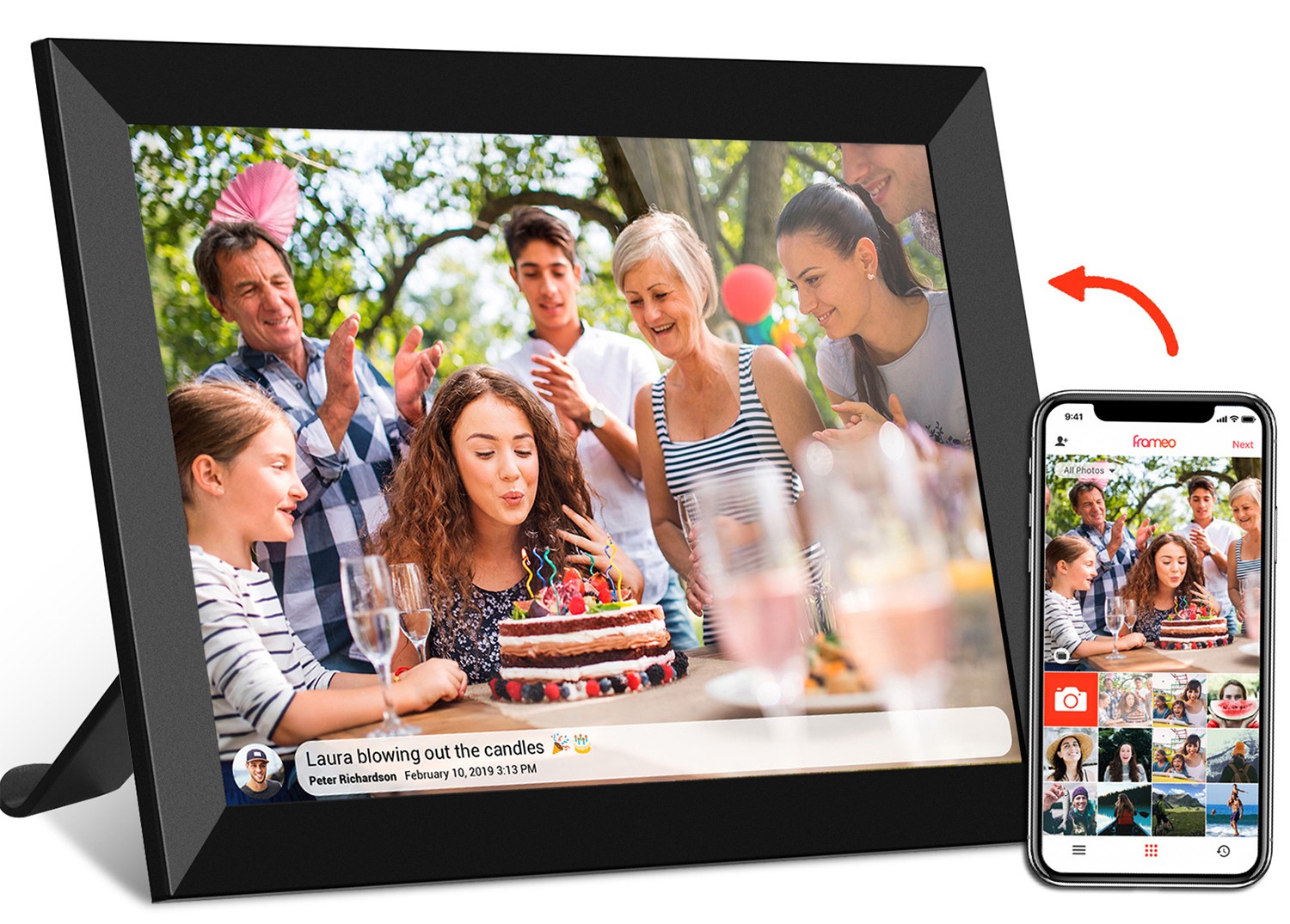
And for patients and families, portable displays are improving the care experience. A 10.1-inch digital photo frame in a patient's room can connect to family members via apps like Frameo, allowing loved ones to send photos or short messages from home. It's a small touch, but it reduces feelings of isolation—proving that enterprise information sharing isn't just about data; it's about connecting people, too.

Traditional vs. Portable: A Comparative Look at Information Sharing Tools

To truly understand the impact of portable displays, it helps to see how they stack up against traditional information sharing tools. Below is a comparison of key features that matter most to enterprises:
Aspect Traditional Tools (Bulletin Boards, Projectors, Static Signage) Portable Displays (Portable Monitors, Digital Signage, Android Tablets)
Mobility Fixed (bulletin boards, projectors) or bulky (large signage); hard to move between spaces. Lightweight and portable; can be moved to offices, client sites, or events with ease.
Setup Time 15–30 minutes (projectors, traditional signage); requires technical expertise. 2–5 minutes (portable monitors, POE signage); plug-and-play with minimal setup.
Content Flexibility Static; updates require reprinting or reloading (e.g., new whiteboard markers, reconfigured projectors). Dynamic; updates in real time via cloud or Wi-Fi; supports text, images, video, and live data.
Cost Efficiency High long-term costs (printing, replacement bulbs for projectors, frequent updates). Lower long-term costs (no printing, cloud-based updates, durable hardware).
Collaboration Features Limited (whiteboards have space limits; projectors are one-way displays). Interactive (touchscreens, real-time editing, cloud sharing with remote teams).
As the table shows, portable displays excel in the areas that matter most to modern enterprises: flexibility, speed, and collaboration. They're not just replacing old tools—they're creating new possibilities for how teams share information, make decisions, and connect with each other and their customers.

Overcoming Challenges: Security, Integration, and Adoption

Of course, no technology is without challenges, and portable displays are no exception. Enterprises considering adopting these tools need to address three key areas: security, integration with existing systems, and staff adoption.

Security is top of mind for any enterprise, especially when dealing with sensitive data. Portable displays, which often connect to the cloud or Wi-Fi, can be vulnerable if not properly secured. The solution? Look for displays with built-in security features like encrypted cloud connections, multi-factor authentication (MFA), and remote wipe capabilities. Many android tablet and digital signage models also support enterprise mobility management (EMM) software, allowing IT teams to control access, update security settings, and monitor usage from a central dashboard.

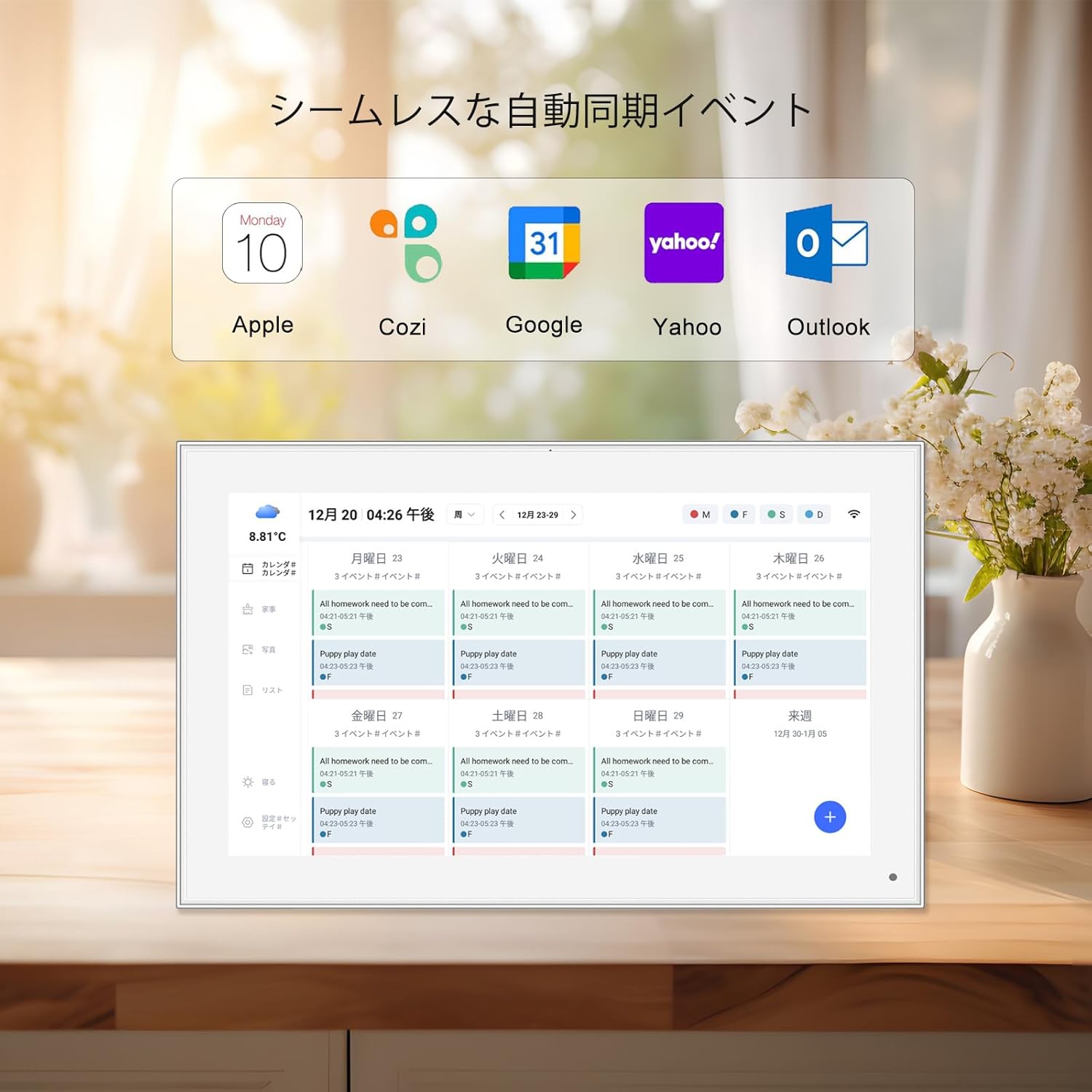
Integration with existing systems is another hurdle. Enterprises don't want to replace all their tools at once; they need portable displays to work with the software they already use—Microsoft 365, Google Workspace, Slack, project management tools like Asana or Trello, and EHR systems in healthcare. The good news is that most modern portable displays are designed with open APIs and compatibility in mind. For example, meeting room digital signage can integrate with calendar apps like Outlook or Google Calendar, automatically displaying meeting times and participant lists. Cloud-based content management systems (CMS) for digital signage also allow teams to pull data from spreadsheets, social media, or CRM tools—ensuring displays always show the most up-to-date information.

Finally, staff adoption . Even the best technology fails if teams don't use it. To encourage adoption, enterprises should involve employees in the selection process (ask what features they need), provide hands-on training, and highlight quick wins. A sales team might get excited about a portable monitor that makes client pitches easier; nurses might appreciate a healthcare android tablet that reduces paperwork. When teams see how the technology solves their daily frustrations, adoption follows naturally.

The Future of Portable Displays: What's Next?

So, where do portable displays go from here? The future looks promising, with advancements in technology set to make these tools even more powerful and versatile. Here are a few trends to watch:

AI Integration : Imagine a meeting room digital signage panel that uses AI to transcribe meetings in real time, highlight action items, and automatically share notes with absent team members. Or a healthcare android tablet that flags potential medication errors by cross-referencing patient data with drug interaction databases. AI will turn portable displays from passive screens into active assistants—anticipating needs and streamlining workflows.

IoT Connectivity : As the Internet of Things (IoT) grows, portable displays will become hubs for connected devices. A digital signage panel in a warehouse could display live inventory levels by connecting to IoT sensors on shelves. A portable monitor in a factory could show real-time machine performance data, alerting teams to maintenance needs before breakdowns occur.

More Compact, More Powerful : Advances in display technology (like OLED and In-Cell screens) will make portable displays even thinner, lighter, and brighter—without sacrificing battery life or durability. We'll see more models like the 24.5 inch portable monitor that offer large, high-resolution screens in a package that's easy to carry.

Sustainability : With enterprises focusing more on ESG goals, portable displays will play a role in reducing waste. Digital signage eliminates the need for printed materials, and energy-efficient models (like those with auto-brightness or low-power modes) will reduce carbon footprints. Some manufacturers are even using recycled materials in their displays—proving that innovation and sustainability can go hand in hand.

Conclusion: Embracing the Portable Revolution

Enterprise information sharing has come a long way from the days of bulletin boards and email chains. Portable displays—whether in the form of portable monitors , POE meeting room digital signage , android tablets , or healthcare android tablets —are leading a revolution that prioritizes flexibility, collaboration, and real-time connectivity. They're not just tools; they're enablers of a more agile, engaged, and human-centered workplace.

As we look to the future, one thing is clear: the enterprises that thrive will be those that embrace these innovations. They'll replace frustration with productivity, static data with dynamic insights, and isolation with connection. So, whether you're a small business looking to upgrade your meeting room or a large corporation aiming to transform how your teams collaborate, now is the time to explore how portable displays can spark a new wave of innovation in your organization. After all, in a world where information is power, the ability to share it quickly, clearly, and anywhere is the ultimate competitive advantage.
HKTDC 2026