In today's fast-paced world, digital signage has become an integral part of our daily lives. From the moment we step into a shopping mall and glance at a vibrant floor standing digital signage promoting the latest fashion collection, to the healthcare android tablet displaying patient information in a hospital corridor, these dynamic displays shape how we receive information, make decisions, and interact with our surroundings. Yet, behind every crisp image, smooth video, and responsive touch interaction lies a critical, often overlooked component: the materials used in their printing. As digital signage continues to evolve—becoming more flexible, interactive, and environmentally conscious—the role of new materials in printing has never been more significant. This article explores how advanced materials are revolutionizing digital signage printing, addressing traditional limitations, and unlocking new possibilities across industries.
Digital signage is no longer just about displaying content; it's about creating experiences. Whether it's a sleek acrylic motion video frame in a boutique window, a POE meeting room digital signage facilitating seamless collaboration, or a large outdoor billboard withstanding harsh weather, the materials used directly impact performance, durability, and user engagement. Traditional printing materials—such as rigid plastic substrates, solvent-based inks, and heavy glass—have long struggled to keep up with the demands of modern digital signage. They lack flexibility for curved designs, fade quickly under UV exposure, and often contain harmful chemicals. New materials, however, are changing the game by offering enhanced durability, sustainability, and functionality, making them a top priority for forward-thinking digital signage suppliers.
Before delving into new materials, it's essential to understand the limitations of traditional options that have driven innovation. For decades, digital signage relied on rigid substrates like thick PVC or glass, which restricted design possibilities—curved or irregularly shaped displays were nearly impossible. These materials were also heavy, making installation and transportation costly, especially for large formats like floor standing digital signage. In terms of inks, solvent-based formulas were the norm, but they release volatile organic compounds (VOCs) during printing, harming both the environment and indoor air quality—a major concern for settings like hospitals using healthcare android tablets.
Durability was another pain point. Traditional substrates and inks often faded within months when exposed to sunlight or fluctuating temperatures, requiring frequent replacements. For interactive displays, such as those used in POE meeting room digital signage, traditional conductive layers (like indium tin oxide, or ITO) were brittle and prone to cracking, reducing touch sensitivity over time. Additionally, sustainability has become a pressing issue: many traditional materials are non-recyclable, contributing to electronic waste. These challenges have paved the way for the development of new materials that address each of these gaps.
One of the most significant advancements in digital signage printing is the adoption of advanced polymer substrates. Unlike rigid traditional materials, these polymers—such as polyethylene terephthalate glycol (PETG), polycarbonate (PC), and thermoplastic polyurethane (TPU)—offer exceptional flexibility, allowing for curved, rollable, or even foldable digital signage designs. For instance, floor standing digital signage, which often requires a balance of stability and visual appeal, now uses thin, lightweight PC blends that are shatter-resistant and easy to transport. A digital signage supplier specializing in retail displays recently reported that switching to PC substrates reduced shipping costs by 25% and installation time by 40%, thanks to the material's lightweight nature.
These polymers also excel in durability. PETG, for example, has a high impact resistance (up to 10 times that of glass) and is resistant to scratches, making it ideal for high-traffic areas like airports or shopping malls. Its UV stability ensures that colors remain vibrant for years, even when used in outdoor digital signage. In healthcare settings, where hygiene is paramount, antimicrobial-treated PC substrates are being used in healthcare android tablets to prevent the growth of bacteria on touch surfaces—a feature that has become critical post-pandemic.
Ink technology has also undergone a transformation, with eco-friendly alternatives replacing traditional solvent-based options. Water-based inks, soy-based inks, and UV-curable inks are now leading the charge, offering low to zero VOC emissions and superior print quality. Water-based inks, for example, use water as a solvent instead of harsh chemicals, making them safe for indoor use—perfect for environments like hospitals where healthcare android tablets are in constant contact with patients and staff. A study by the Printing Industries of America found that water-based inks reduce indoor air pollution by up to 60% compared to solvent-based counterparts.
UV-curable inks, which dry instantly when exposed to UV light, have emerged as a favorite for high-resolution applications like acrylic motion video frames. These inks form a hard, scratch-resistant layer that enhances color vibrancy and longevity, ensuring that videos played on acrylic frames remain sharp even after prolonged use. For digital signage suppliers, the switch to eco-friendly inks isn't just a sustainability win—it's a market advantage. A survey of retail brands found that 78% prefer suppliers who use sustainable printing materials, citing consumer demand for environmentally responsible practices as a key driver.
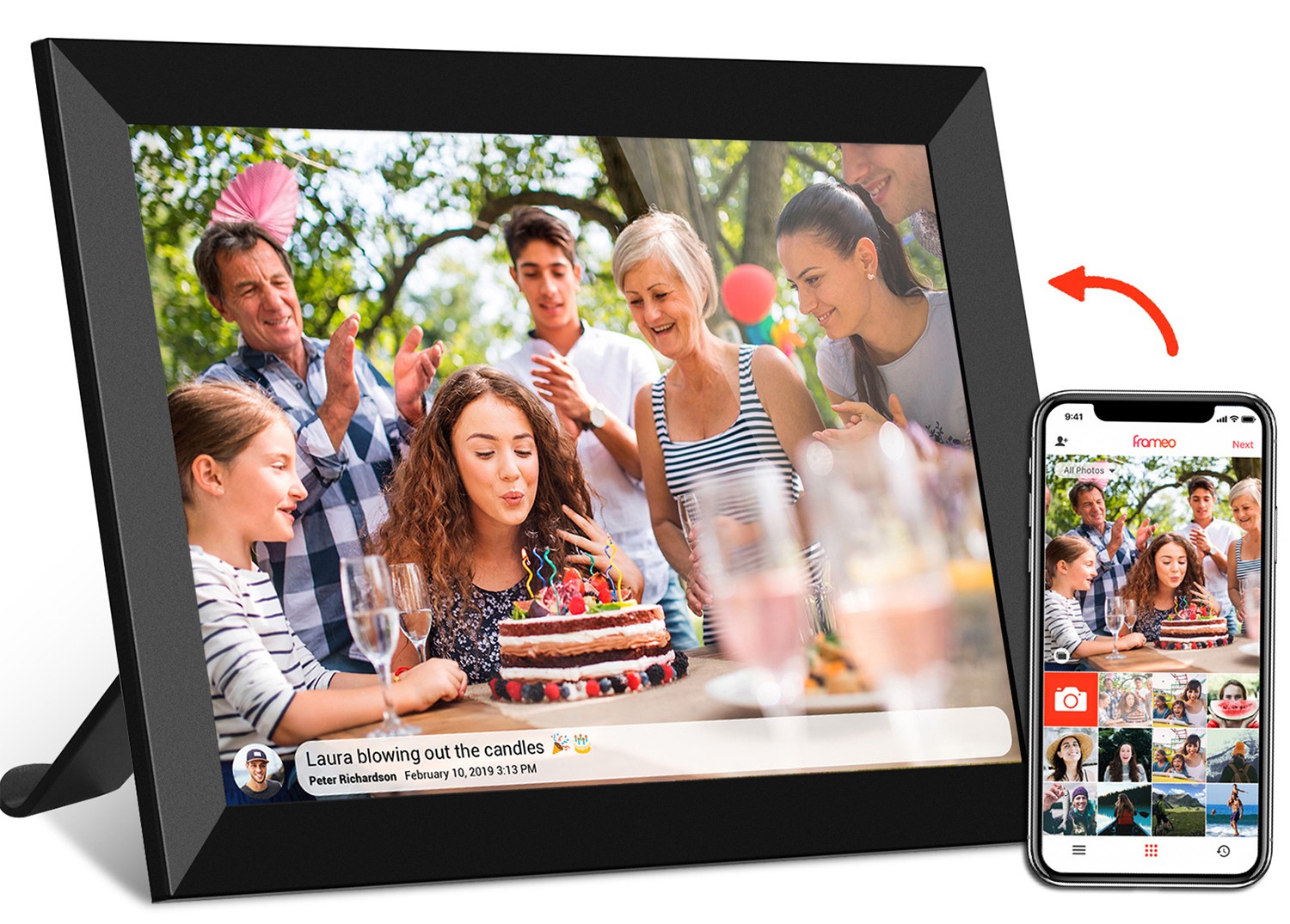
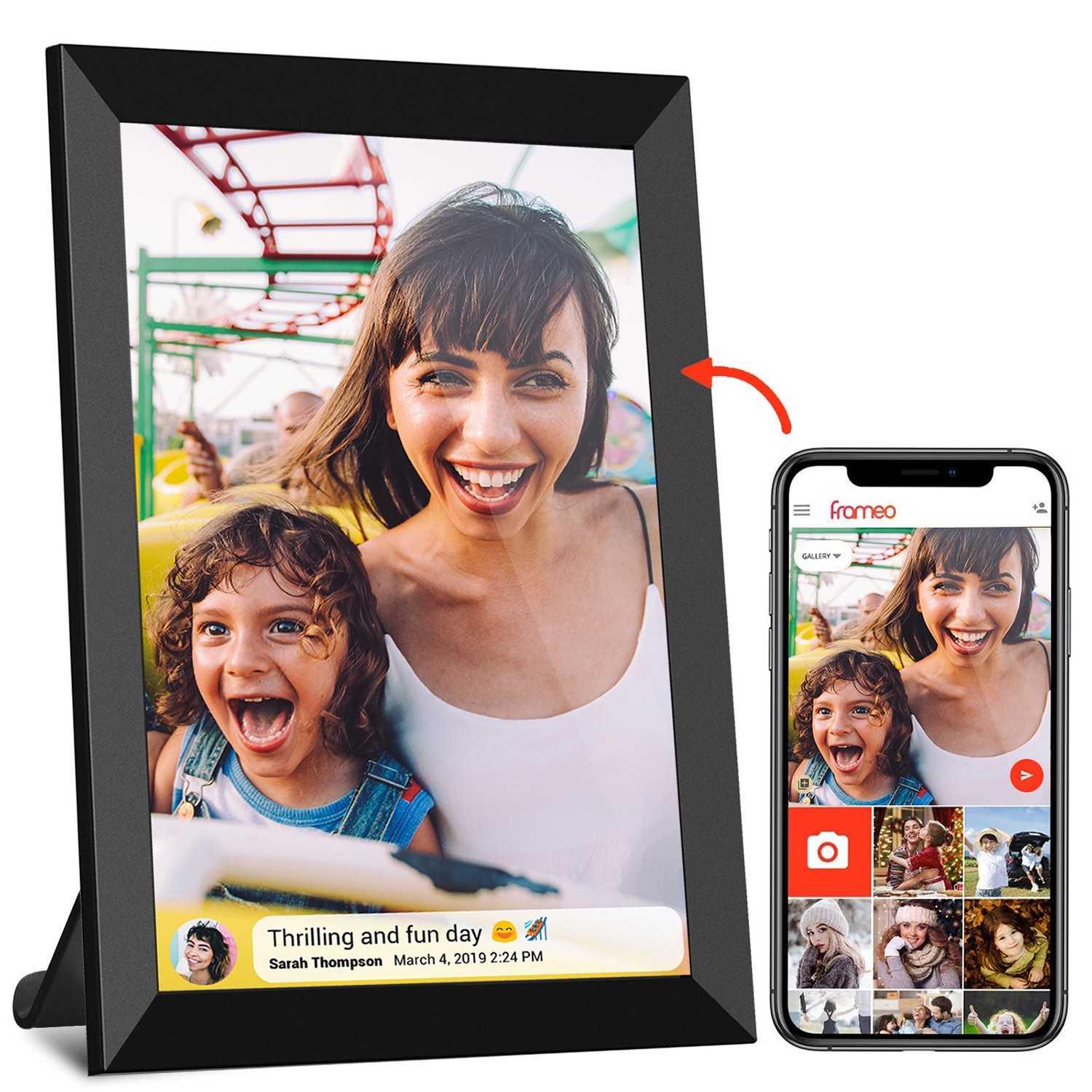
Acrylic has long been used in signage, but new high-clarity formulations are taking visual appeal to new heights. Modern acrylic substrates offer 92% light transmission—higher than glass (90%)—and are 50% lighter, making them ideal for applications like acrylic motion video frames. These frames, often used in luxury retail or art galleries, rely on the material's optical clarity to ensure videos and images appear lifelike, with minimal glare or distortion. A leading digital signage supplier specializing in premium displays noted that their acrylic motion video frames saw a 40% increase in customer engagement compared to glass-based models, thanks to the material's superior light transmission and sleek, modern aesthetic.
Beyond clarity, advanced acrylics are also customizable. They can be cut into intricate shapes, edge-lit for backlighting effects, or coated with anti-reflective layers for outdoor use. For example, a hotel chain recently installed acrylic motion video frames in their lobbies, using edge-lit acrylic to create a soft, ambient glow around promotional videos—a design that would have been impossible with traditional glass.
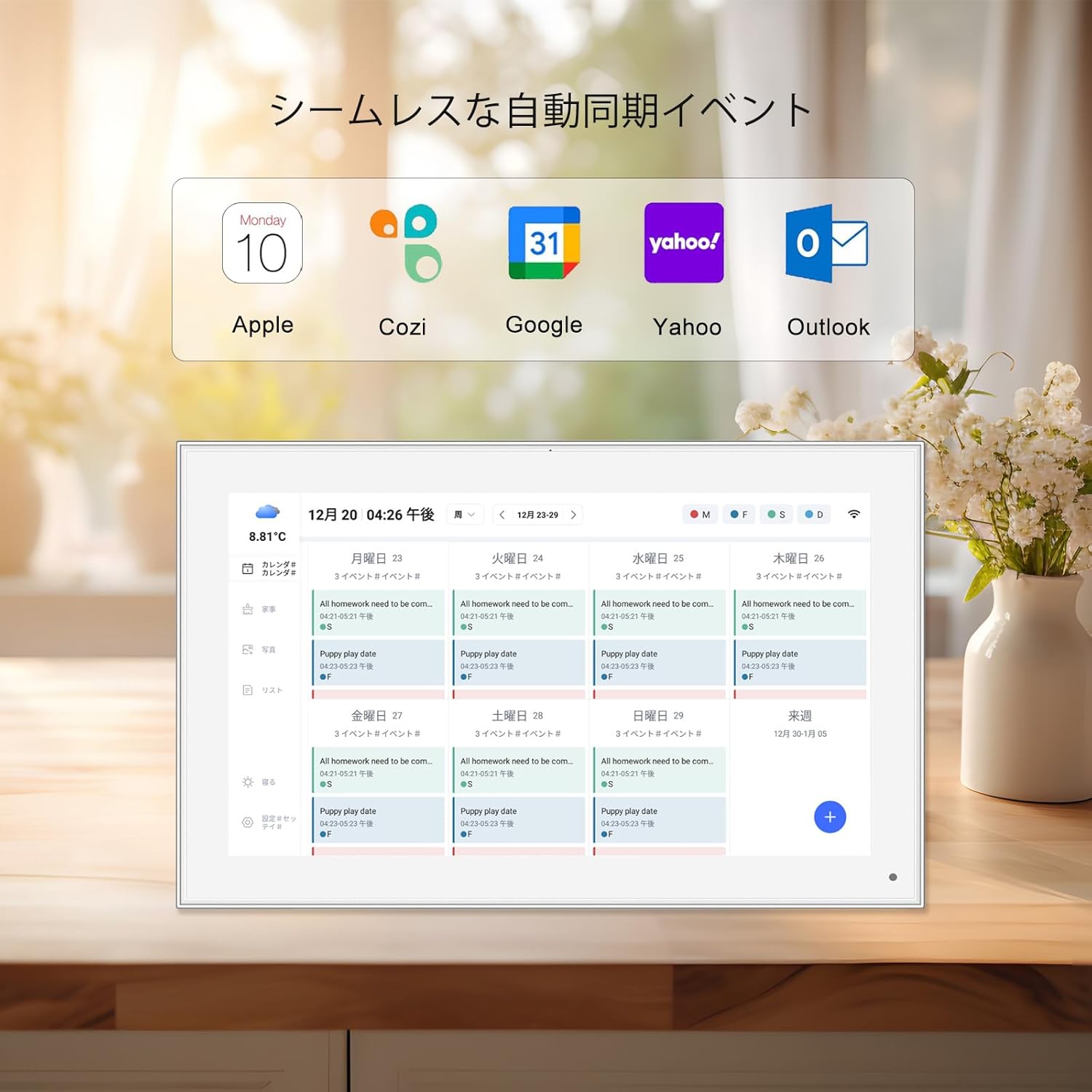
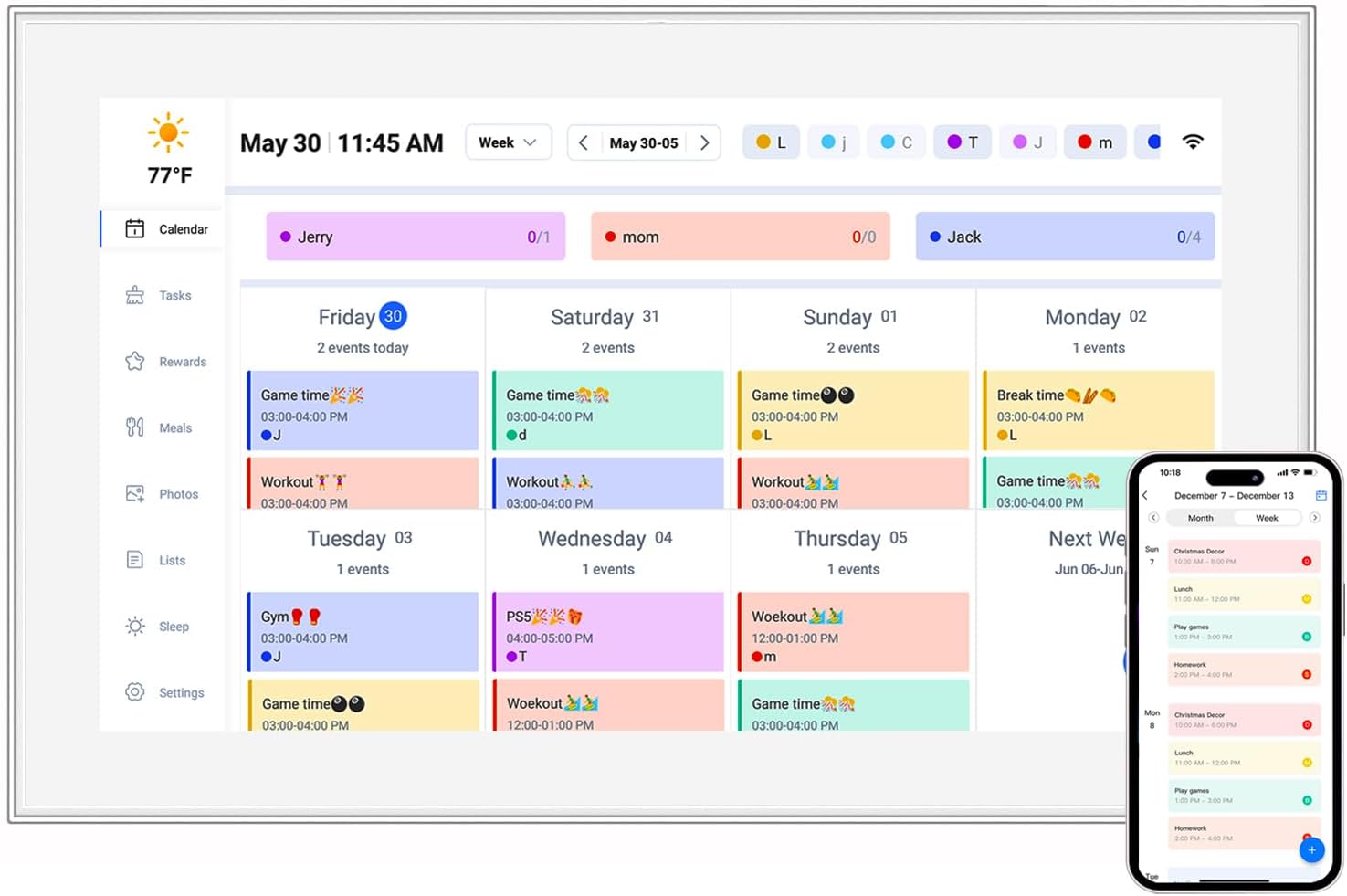
Interactive digital signage, such as POE meeting room digital signage, relies on conductive materials to enable touch functionality. Traditional ITO coatings, while effective, are brittle and expensive. New alternatives like silver nanowire inks and graphene-based films are changing this. Silver nanowire inks, printed directly onto substrates using inkjet technology, create a flexible, conductive layer that is highly responsive to touch. Unlike ITO, these inks can bend without cracking, making them suitable for curved or foldable displays.
Graphene, a single layer of carbon atoms, is another breakthrough. It offers exceptional conductivity, transparency, and flexibility, making it ideal for high-performance interactive signage. A case study involving a corporate office that upgraded to POE meeting room digital signage using graphene-based touch layers reported a 30% improvement in touch accuracy and a 50% reduction in maintenance costs, as the material is more resistant to wear and tear than traditional ITO. For digital signage suppliers, these conductive materials are unlocking new interactive possibilities, from multi-touch displays to gesture recognition, enhancing user engagement in meeting rooms, retail, and education settings.
| Material Type | Durability | Environmental Impact | Flexibility | Key Applications |
|---|---|---|---|---|
| Traditional Rigid Plastic (PVC) | Low (prone to cracking/fading) | High (non-recyclable, VOC emissions) | None (rigid) | Basic indoor signage |
| Advanced Polymers (PETG/PC) | High (impact/UV resistant) | Low (recyclable, low VOC) | High (flexible, bendable) | Floor standing digital signage, healthcare android tablets |
| Solvent-Based Inks | Medium (fades in 6-12 months) | High (VOC emissions) | N/A | Outdated outdoor signage |
| UV-Curable Inks | High (scratch-resistant, 3-5 year lifespan) | Low (zero VOC when cured) | N/A | Acrylic motion video frames, high-resolution displays |
| ITO Conductive Layers | Low (brittle, prone to cracking) | Medium (rare earth material) | Low (rigid) | Basic touchscreens |
| Silver Nanowire/Graphene | High (flexible, wear-resistant) | Low (abundant materials) | High (bendable, foldable) | POE meeting room digital signage, interactive kiosks |
A leading retail chain partnered with a digital signage supplier to upgrade their in-store displays with floor standing digital signage using advanced polymer substrates. The previous displays, made of rigid glass, were heavy (50kg each) and prone to damage during installation. By switching to a lightweight PC blend, the new displays weighed just 20kg, reducing shipping costs by 35%. The flexible polymer also allowed for curved edges, creating a more modern look that aligned with the brand's aesthetic. Additionally, UV-curable inks ensured that promotional content remained vibrant despite constant exposure to store lighting. Within three months, the chain reported a 22% increase in in-store sales, attributed to the more engaging, durable displays.
A hospital network sought to improve patient communication by deploying healthcare android tablets in patient rooms. Traditional tablets used plastic substrates with solvent-based inks, which were difficult to clean and harbored bacteria. The hospital partnered with a supplier to use antimicrobial PC substrates and water-based inks. The new tablets featured a smooth, easy-to-disinfect surface that reduced bacterial growth by 80% (tested by an independent lab). The water-based inks also eliminated chemical odors, improving patient comfort. Nurses reported spending 15% less time cleaning the tablets, allowing more time for patient care. Within a year, the hospital saw a 12% reduction in healthcare-associated infections, highlighting the impact of material choice on patient safety.
A tech company wanted to modernize its meeting rooms with interactive POE digital signage. Traditional ITO-based touchscreens were failing frequently, with cracked conductive layers leading to unresponsive touch controls. The company switched to graphene-based touch layers printed with silver nanowire inks. The new displays were not only more durable but also supported multi-touch gestures (up to 10 points), enabling collaborative editing during meetings. Employees reported a 40% reduction in technical issues, and meeting durations decreased by 25% as a result of smoother interactions. The digital signage supplier noted that the graphene-based displays had a lifespan of 7+ years, compared to 3-4 years for ITO-based models, reducing long-term replacement costs.
As technology advances, new materials will continue to push the boundaries of digital signage printing. One emerging trend is self-healing polymers, which can repair minor scratches when exposed to heat or light—ideal for high-traffic areas like floor standing digital signage. Researchers are also developing biodegradable substrates made from plant-based materials, addressing the electronic waste crisis. For example, a team at MIT recently created a substrate from cellulose (derived from wood pulp) that is fully biodegradable yet as durable as traditional plastics.
Another area of innovation is smart coatings that adapt to environmental conditions. Imagine an acrylic motion video frame with a coating that automatically adjusts brightness based on ambient light, reducing energy consumption by up to 30%. For healthcare android tablets, researchers are working on "active" antimicrobial coatings that release disinfectant agents when they detect bacteria, further enhancing hygiene.
Conductive materials will also see advancements, with carbon nanotubes and 2D materials like molybdenum disulfide offering even higher conductivity and flexibility than graphene. These materials could enable ultra-thin, foldable digital signage that can be rolled up like a poster—perfect for temporary events or mobile displays.
The application of new materials in digital signage printing is not just an upgrade—it's a revolution. From flexible polymers enabling innovative designs in floor standing digital signage to eco-friendly inks making healthcare android tablets safer, these materials are reshaping how digital signage functions, looks, and impacts the environment. For digital signage suppliers, embracing these materials is no longer optional; it's essential to meet client demands for durability, sustainability, and interactivity.
As we look to the future, the possibilities are endless. With self-healing polymers, biodegradable substrates, and smart coatings on the horizon, digital signage will become more resilient, eco-friendly, and integrated into our lives than ever before. Whether it's a sleek acrylic motion video frame in a boutique or a responsive POE meeting room digital signage in a corporate office, the materials of today are building the digital experiences of tomorrow. In this rapidly evolving industry, one thing is clear: the future of digital signage is in the materials we choose to print it with.