Walk into any coffee shop, mall, or office these days, and you'll probably spot it: a bright screen flashing promotions, menus, or announcements. That's digital signage, and it's quietly taken over the way businesses communicate. But here's the thing—while anyone can slap a screen on a wall, not all digital signage is created equal. The ones that stick in your memory? They're the result of thoughtful design. The rest? They might as well be invisible. In this guide, we're breaking down everything you need to know to create digital signage that doesn't just display information, but connects with people. From the basics of layout to choosing the right tools (like that floor standing digital signage you've seen in retail stores), let's dive in.
First off, what even is digital signage? At its core, it's a dynamic display—think TVs, tablets, or large monitors—that shows text, images, videos, or live data. Unlike static signs (you know, the paper posters that fade after a month), digital signage can update in real time, play videos, and even interact with viewers. But here's the kicker: none of that matters if the design is bad. Imagine a screen at a restaurant with tiny, blurry text and a video that's so fast you can't read the menu items. You'd ignore it, right? Good design turns that screen into a conversation starter.
So why does design matter so much? For starters, we live in a world of short attention spans. Studies say you have about 8 seconds to grab someone's focus before they move on. A well-designed sign cuts through the noise. It tells a story quickly, clearly, and in a way that feels natural. Whether you're using an android tablet digital signage for a small boutique or a massive video wall in a stadium, the design principles stay the same: make it easy to read, visually appealing, and relevant to the person looking at it.
You've heard the phrase "less is more," and it's never truer than with digital signage. When you cram too much information onto a screen—think 10 bullet points, 5 images, and a scrolling ticker—viewers get overwhelmed. They'll glance, get confused, and walk away. Instead, focus on one main message per screen. If you're promoting a sale, lead with "50% Off Sneakers" in big letters, add a photo of the shoes, and maybe a tiny "Today Only" at the bottom. That's it. Your brain processes visuals 60,000 times faster than text, so let the images do the heavy lifting.
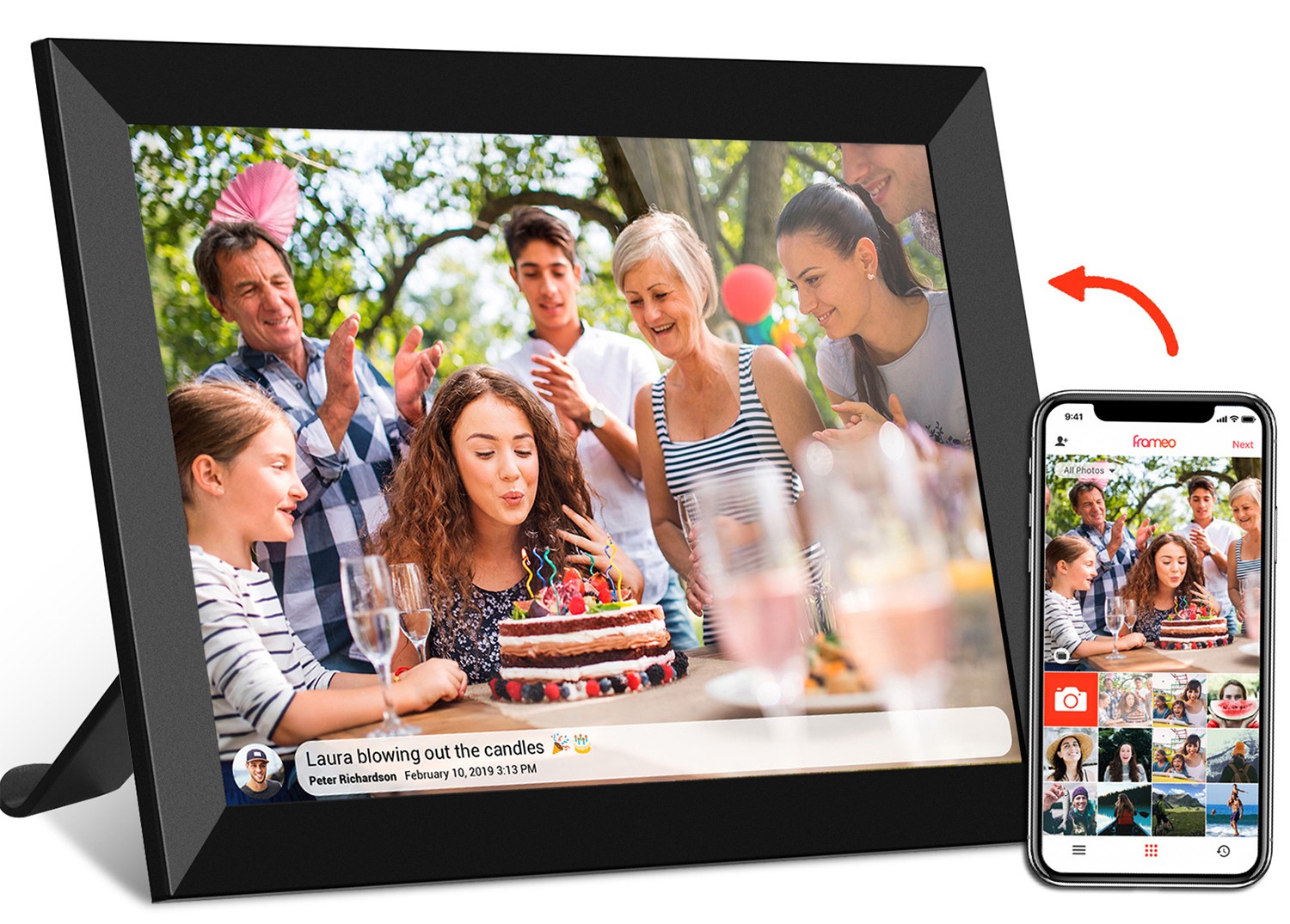
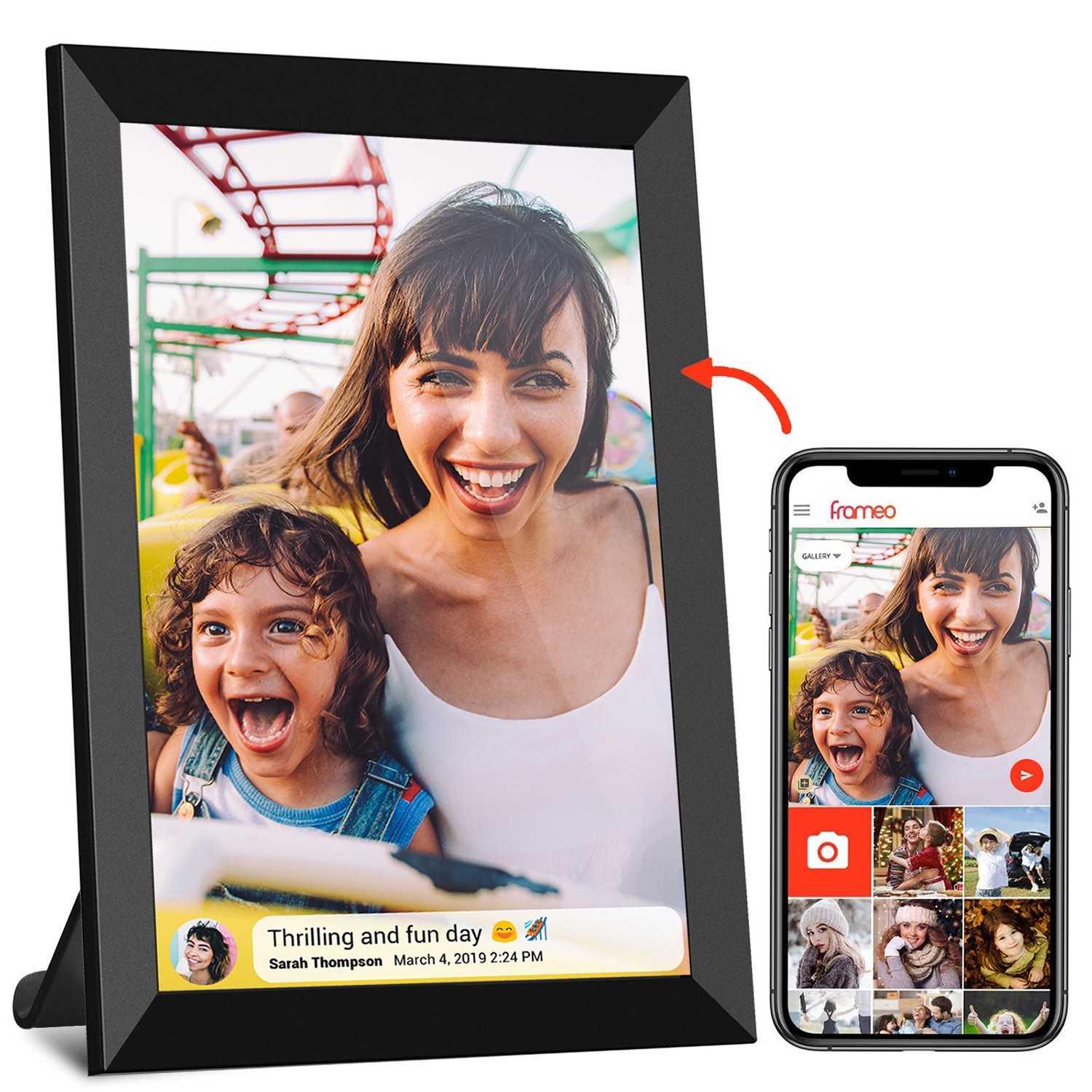
Ever squinted at a screen from 10 feet away, trying to read the text? Don't make your audience do that. Font size is key here. A general rule: if someone's standing 5 feet away, your text should be at least 1 inch tall (that's about 72 pixels for a screen). For larger displays, like that 21.5 inch wifi digital photo frame you might see in a lobby, go bigger. And skip the fancy fonts! Stick to sans-serif options like Arial, Helvetica, or Open Sans—they're easier to read from a distance. Oh, and contrast? Make sure text stands out from the background. Black text on a white screen? Classic and readable. Yellow text on a light blue background? Not so much.
Your digital signage should feel like an extension of your brand. If your logo is bright red and your website uses a specific shade of blue, use those colors on your signs. The same goes for fonts and tone. A kids' toy store might use playful, rounded fonts and bright colors, while a law firm would opt for something more professional and muted. Consistency helps people connect the sign to your business, even if they're just passing by. For example, a healthcare android tablet used in a clinic should have a calm, reassuring design—soft blues and greens, clear fonts—to put patients at ease.
Who's going to see your sign? A teenager scrolling through a mall has different interests than a busy professional rushing to a meeting. If you're designing for a gym, show action shots of people working out and short, energetic messages ("Crush Your Goals Today!"). For a retirement community, maybe use larger text, slower-moving visuals, and messages about events or wellness tips. Even the time of day matters—morning commuters might respond to coffee promotions, while evening shoppers could care more about dinner deals.
What do you want people to do after seeing your sign? Buy something? Visit a website? Ask a staff member for help? Your CTA should be clear and impossible to miss. Use verbs like "Shop Now," "Scan Here," or "Ask for Details." And place it where the eye naturally goes—usually the bottom right or center of the screen. For example, that android tablet digital signage near a store's checkout might say "Scan QR Code for 10% Off Your Purchase" with a big, bold QR code next to it.
Digital signage isn't one-size-fits-all. The screen you use in a tiny café will be very different from the one in a convention center. Let's break down the most common types and how to design for each. (Spoiler: We'll touch on some of those keywords you might be familiar with, like floor standing digital signage and POE meeting room digital signage.)
| Type | Typical Size Range | Best Use Case | Key Features | Design Tips |
|---|---|---|---|---|
| Floor Standing Digital Signage | 43–55 inches | Retail entrances, malls, event venues | Tall, freestanding, high brightness | Use vertical orientation for visibility; bold visuals to stand out in crowds |
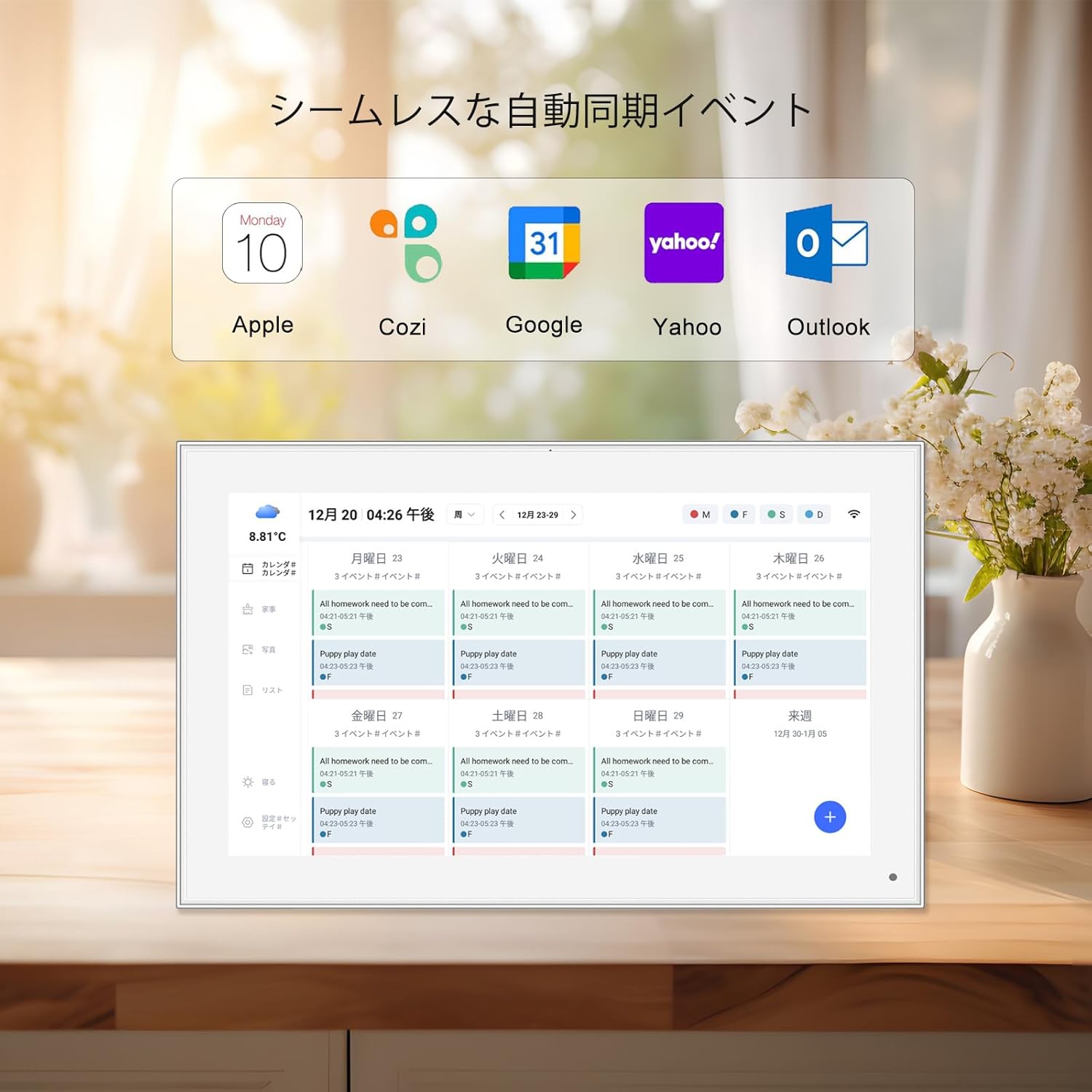
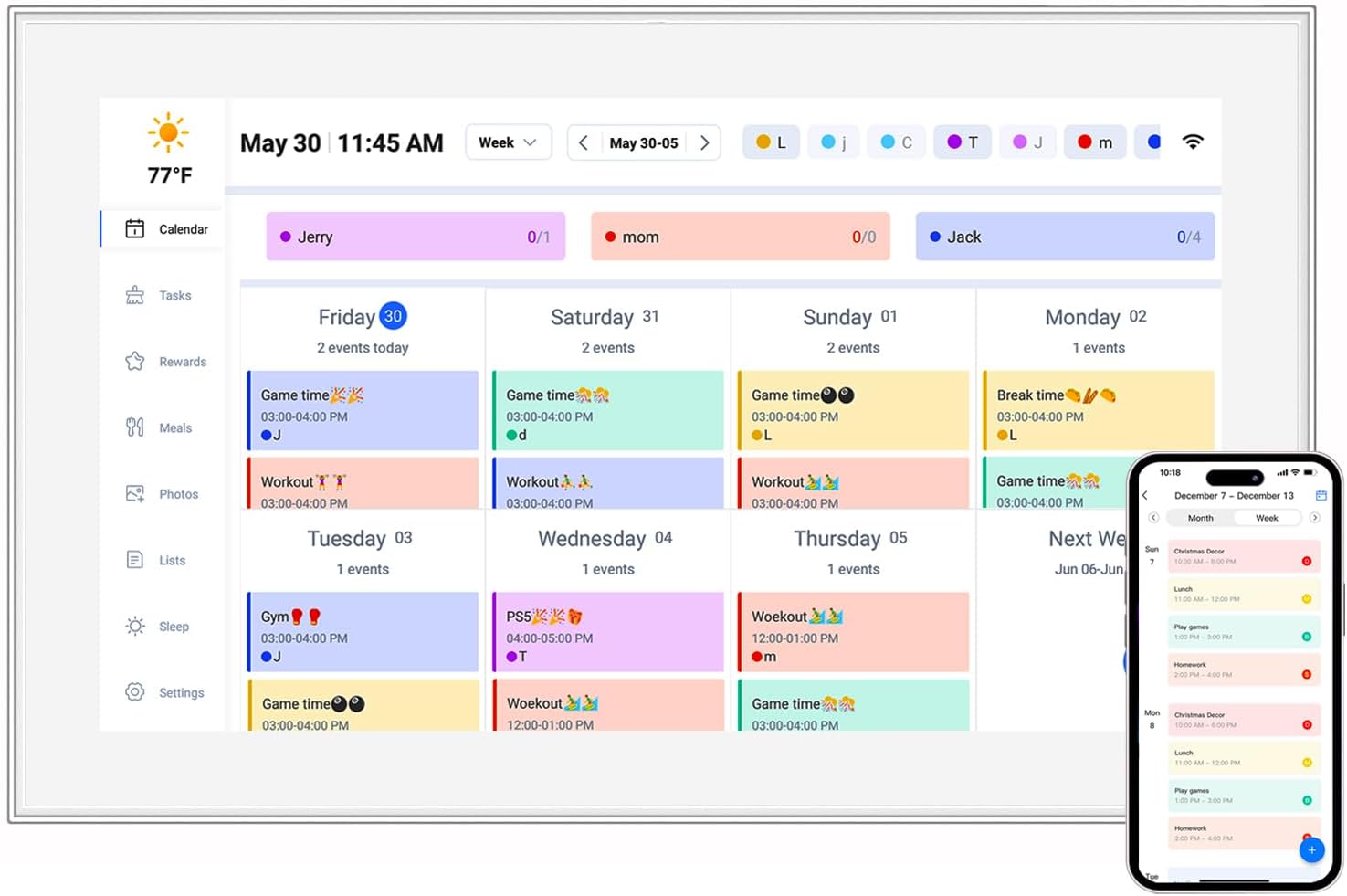
| Android Tablet Digital Signage | 10–15.6 inches | Lobbies, small retail, reception desks | Compact, touchscreen option, easy to mount | Simple layouts; interactive elements (like "Tap for Menu") |
| POE Meeting Room Digital Signage | 19–24 inches | Corporate meeting rooms, conference halls | Power over Ethernet (no extra cords!), cloud connectivity | Clean, text-heavy designs (agendas, attendee lists); minimal distractions |
| Healthcare Android Tablet | 10–13.3 inches | Patient rooms, clinics, waiting areas | Antimicrobial coating, user-friendly interface | Calm colors; large, readable text; educational content (e.g., "What to Expect During Surgery") |
If you've ever walked into a department store and seen a tall, freestanding screen near the entrance, that's floor standing digital signage. These are the attention-grabbers of the signage world—they're tall enough to be seen over crowds and bright enough to compete with store lights. Design-wise, think big and bold. Since they're often viewed from a distance, use large images and minimal text. A clothing store might use one to showcase a video of models wearing new arrivals, with text like "New Summer Collection—Shop Now" in 72-point font. Pro tip: If it's in a high-traffic area, avoid fast-paced videos—people might only get a 2–3 second glance, so make sure the main message is clear in a single frame.
Not every business has room for a 55-inch screen. That's where android tablet digital signage shines. These are the small, wall-mounted or countertop tablets you see in coffee shops (displaying the day's specials) or hotel lobbies (showing local attractions). Since they're up close and personal, you can get a bit more detailed with your design. For example, a café might use a 10.1 inch screen to display a menu with photos of each drink—think "Latte: $4.50" with a close-up of foam art. If it's touchscreen, add interactive elements: "Swipe Left for Breakfast Items" or "Tap to See Nutrition Info." Just don't overdo it—too many taps and people will lose patience.
Offices are getting smarter, and POE meeting room digital signage is leading the charge. POE stands for "Power over Ethernet," which means the screen gets both power and internet through a single Ethernet cable—no messy cords! These screens are usually mounted on walls outside or inside meeting rooms, displaying agendas, meeting times, or even who's in the room. Design here is all about clarity. You don't need flashy videos—just clean text. For example: "Team Sync: 2 PM – 3 PM | Attendees: Sarah, Mike, Priya | Agenda: Q3 Goals." Keep the background simple (maybe the company logo in the corner) so the info is easy to scan. Remember, people are rushing to meetings, so they need to get the details in 2 seconds flat.
Now that you know the "where" (type of signage) and "why" (design principles), let's talk about the "what"—the actual content on your screen. Whether it's a static image, a video, or live data, the goal is to keep it engaging without being overwhelming.
A blurry photo can ruin even the best layout. Always use high-resolution images (at least 1920x1080 pixels for most screens). If you're using product photos, make sure they're well-lit and show the item from the best angle. For example, a clothing store's floor standing digital signage should feature crisp, full-body shots of models—not dark, grainy snapshots. And don't forget aspect ratio! A square image on a widescreen will stretch and look distorted. Check your screen's dimensions (most are 16:9) and crop images accordingly.
Videos are great for storytelling, but no one wants to watch a 5-minute documentary on a screen in a hallway. Keep videos under 30 seconds—15 seconds is even better. Focus on one key message: a product demo, a customer testimonial, or a quick promotion. For example, a restaurant's android tablet digital signage could play a 10-second clip of a chef preparing a burger, with text that says "New! BBQ Bacon Burger—$12.99." Avoid loud music or fast cuts unless your brand is super energetic (looking at you, youth-focused brands). For healthcare settings, slow, calming videos work best—think nature scenes or gentle animations.
Want to make your signage feel fresh? Add live data. This could be anything from weather updates (useful in hotels) to social media feeds (great for events) or even inventory levels (retailers love this). For example, a sports bar might display live scores on their digital signage, keeping fans glued to the screen (and ordering more wings). The key here is to keep the data simple—don't show every stat under the sun. Just the highlights: "Team A: 2, Team B: 1 | 3rd Quarter."
You could have the most beautiful design in the world, but if your screen is hidden behind a plant or placed too high, no one will notice. Placement is all about understanding foot traffic and eye level.
For floor standing digital signage, position it where people naturally pause—near entrances, at the end of aisles, or next to checkout lines. In a mall, that might be right by the main doors, where shoppers are deciding where to go. In a store, place it at the end of a aisle to draw people through the entire space.
For smaller screens like android tablet digital signage, keep them at eye level—about 4–5 feet off the ground. A coffee shop might mount one above the counter, where customers are waiting to order. In an office, put POE meeting room digital signage outside each conference room, at eye level for someone walking down the hall.
Lighting matters too! If your screen is in direct sunlight, make sure it has high brightness (measured in nits—aim for at least 500 nits for outdoor or sunny areas). If it's in a dimly lit room (like a movie theater lobby), lower the brightness so it doesn't blind people. And avoid glare—tilt the screen slightly or use an anti-glare cover if needed.
A clothing retailer was struggling to get customers to notice their new summer collection. They placed a 55-inch floor standing digital signage near the entrance, displaying a 20-second video of models wearing the clothes, with text that read "Summer Styles: Up to 40% Off | Limited Stock." Within a week, foot traffic to the summer section increased by 35%, and sales of those items went up by 28%. The key? The video was bright and energetic, the text was large and clear, and the sign was placed right where customers first walked in.
A local hospital wanted to reduce patient anxiety before procedures. They installed healthcare android tablets near patient beds, loaded with educational videos ("What to Expect During Your MRI") and a "Request Assistance" button. The design was simple: soft blue background, large text, and easy-to-navigate menus (no complicated icons). Patient surveys showed a 42% decrease in reported anxiety, and nurses noted fewer "unnecessary" call button presses—patients felt more informed and in control.
You've got your design plan, you know the type of screen you need—now it's time to find someone to supply it. But this isn't just about buying a screen. A good digital signage supplier will be a partner, helping you navigate the technical stuff and ensuring your design vision comes to life.
What should you look for? First, reliability. You don't want a screen that crashes every week. Ask about warranty periods and customer support—do they offer 24/7 help if something goes wrong? Second, customization. Can they adjust the hardware to fit your space? For example, if you need a 10.1 inch android tablet digital signage with a custom logo on the bezel, will they do that? Third, software. A great screen is nothing without easy-to-use software to update content. Look for suppliers that offer cloud-based tools—so you can change your sign's content from your laptop, no technical degree required.
Digital signage is evolving fast, and the future looks pretty cool. Here are a few trends to watch:
AI Personalization: Imagine a screen that changes content based on who's looking at it. A coffee shop's android tablet digital signage might show lattes to a person in a suit (morning rush!) and iced drinks to a teenager in a hoodie. AI is making that possible by analyzing things like time of day, weather, and even (anonymously) viewer demographics.
Interactive Touchscreens: Touch isn't new, but it's getting smarter. Future screens might let you "grab" a product image and rotate it, or sign up for a newsletter with a quick tap. POE meeting room digital signage could even let attendees vote on agenda items in real time.
Sustainability: Brands are caring more about eco-friendly tech, and digital signage is no exception. Look for suppliers offering energy-efficient screens (LED backlights, auto-dim features) or even solar-powered options for outdoor use.
At the end of the day, digital signage is about people. It's about making someone's day easier (a clear menu), informing them (a meeting agenda), or even making them smile (a funny video). The best designs don't just look good—they feel good. So as you create your signage, ask yourself: "Would I stop and look at this?" If the answer is yes, you're on the right track.
Whether you're using a massive floor standing digital signage in a mall or a tiny healthcare android tablet in a clinic, remember: design is the bridge between your message and your audience. Build it well, and they'll keep coming back.