In today's fast-paced world, staying organized is more than a habit—it's a necessity. Enter the calendar days clock: a humble yet indispensable tool that marries timekeeping with date tracking, helping us navigate our days with clarity. But have you ever wondered what goes into creating these everyday essentials, especially the modern digital variants like the 10.1 inch digital calendar or the larger 15.6 inch digital calendar? Beyond their functional screens, the printing process and specifications play a crucial role in making these devices both useful and visually appealing. Whether it's a sleek home digital calendar or a specialized dementia digital day clock designed for clarity, every detail—from the ink on the display to the material of the frame—matters. Let's dive into the intricate world of calendar clock printing, exploring the step-by-step process and the key specifications that define these everyday helpers.
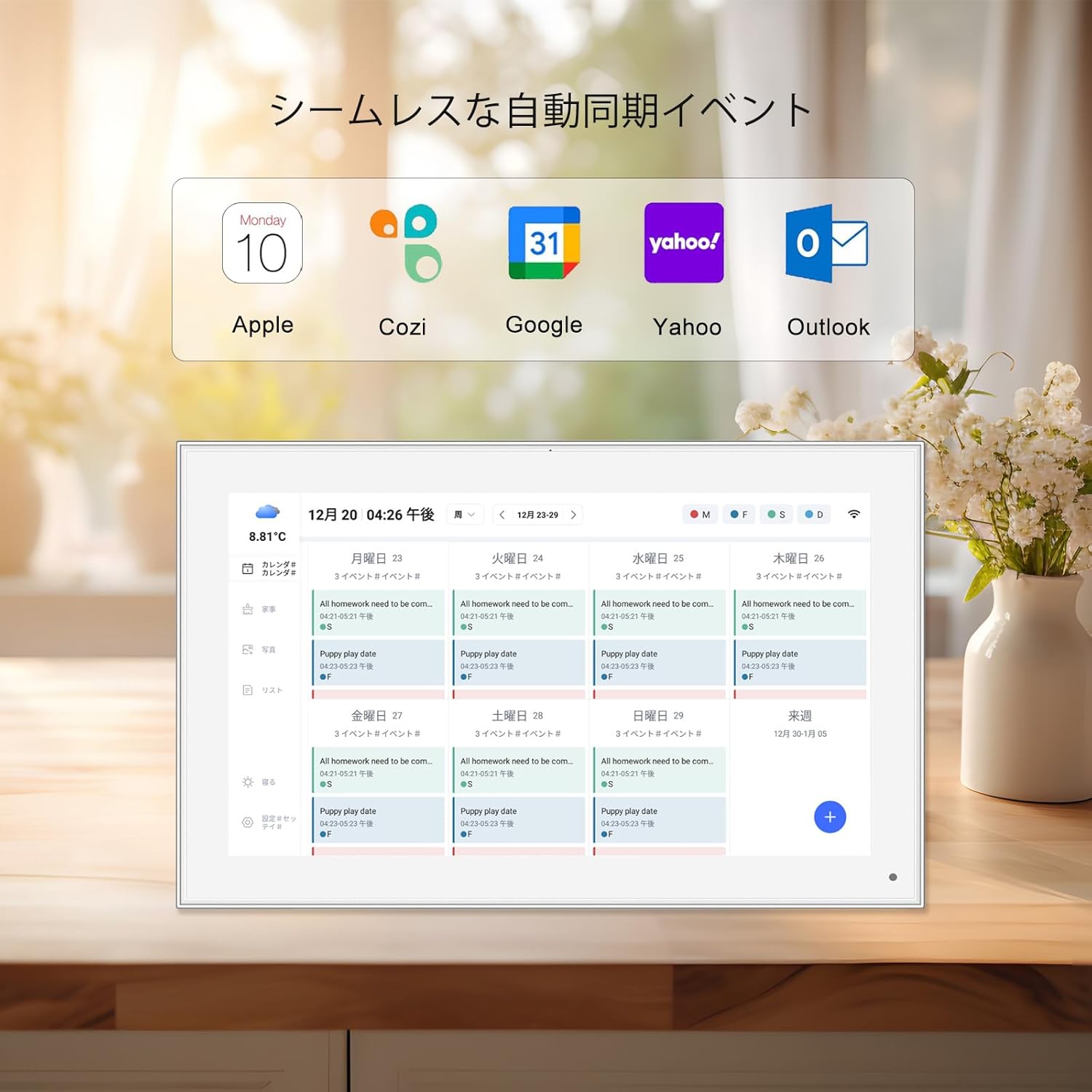
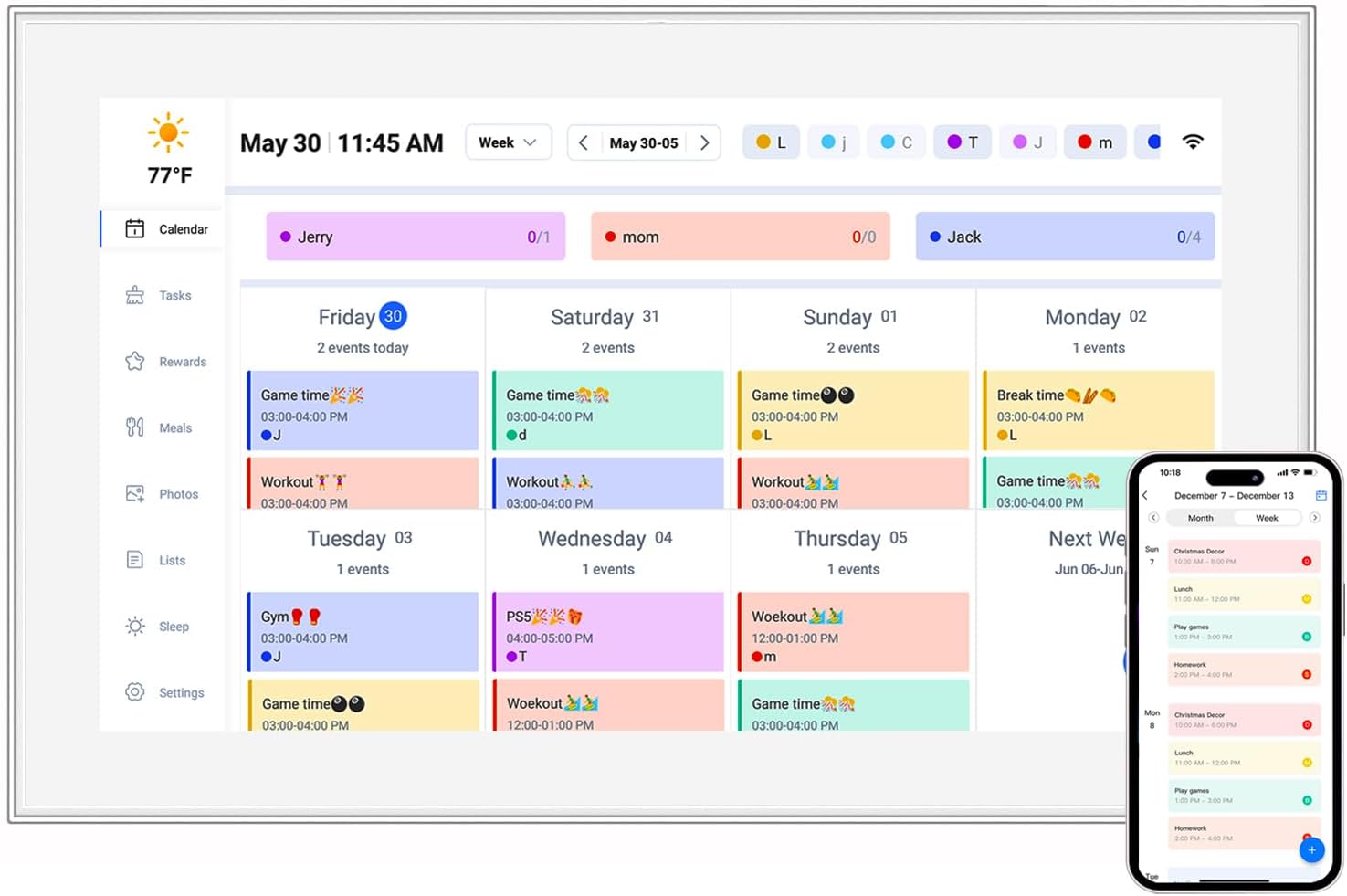
Before we delve into the printing process, it's worth appreciating why calendar days clocks have evolved beyond simple wall hangings. Today's versions, especially digital ones, are designed to be both functional and aesthetic. A 10.1 inch digital calendar, for example, might sit on a kitchen counter, displaying not just the date and time but also weather updates or family reminders. Larger models, like the 15.6 inch digital calendar, often find homes in offices or communal spaces, where readability from a distance is key. For specialized needs, such as the dementia digital day clock, clarity is paramount—bold fonts, high contrast, and simplified layouts help users with memory challenges stay oriented. In all cases, the printed elements (yes, even on digital screens, the interface and labels are "printed" via digital rendering) must be sharp, durable, and easy to read. This is where the printing process comes into play, ensuring that form and function work hand in hand.
Creating a calendar days clock is a multi-step journey that blends art, technology, and precision. Each phase, from initial design to final assembly, impacts the end product's quality. Let's walk through the process step by step.
Every calendar clock starts with a vision. Designers begin by asking: Who is this for? A home user might prefer a minimalist 10.1 inch digital calendar with soft pastels, while a dementia digital day clock needs high-contrast colors and large, bold numbers. The design phase involves sketching layouts, choosing typography, and selecting color palettes that align with the target audience. For digital models, this includes designing the user interface (UI)—deciding where the date, time, and additional info (like "Monday, October 15") will appear on the screen. Designers use software like Adobe Illustrator or Figma to create digital mockups, ensuring that the printed elements (even digital ones) are balanced and easy to parse. For physical components, like the frame or a decorative border, designers might incorporate patterns or textures that will later be printed onto materials like acrylic or PVC.
A key consideration here is scalability. A design that works for a 10.1 inch digital calendar might look cluttered on a 15.6 inch model, so adjustments to spacing and font size are critical. Similarly, for dementia digital day clocks, designers avoid busy backgrounds or small text, focusing instead on clarity. This phase often involves user testing—showing prototypes to potential users to gather feedback on readability and usability before moving to production.
Once the design is finalized, the next step is selecting materials that will bring it to life. The choice of substrate (the material being printed on) depends on the clock's use case. For example:
Material thickness also matters. A 15.6 inch digital calendar with a thin acrylic frame might feel flimsy, so manufacturers often opt for 2-3mm thick acrylic for sturdiness. For portable models, lighter materials like polycarbonate are chosen to reduce weight without sacrificing durability.
Before the first drop of ink touches the material, thorough preparation is essential. For physical printing (on frames, back panels, or decorative elements), this involves cleaning the substrate to remove dust, oils, or debris that could mar the print. Acrylic, for example, is wiped with isopropyl alcohol to ensure the ink adheres properly. For digital displays, the pre-printing step involves calibrating the screen to ensure color accuracy—this is why a 10.1 inch digital calendar's "printed" date looks consistent across different units.
Another critical task is file preparation. Design files are converted into formats compatible with the printing equipment (e.g., PDF for digital printers, vector files for UV printers). Colors are adjusted to match the substrate—acrylic, for instance, can make colors appear brighter, so designers might tone down hues slightly in the digital file to achieve the desired result. For text-heavy designs (like the numbers on a dementia digital day clock), fonts are tested for legibility at different sizes, ensuring that even from a few feet away, "Wednesday" or "3:45 PM" is clear.
The printing method depends on the material and design complexity. Here are the most common techniques used for calendar days clocks:
Digital printing is the workhorse of modern calendar clock production, especially for small to medium batches. It uses inkjet or laser technology to apply ink directly to the substrate, offering high resolution (up to 1200 DPI) and precise color matching. For 10.1 inch digital calendar frames with intricate patterns, or 15.6 inch models with photo-realistic backgrounds, digital printing ensures every detail is crisp. It's also cost-effective for custom designs—perfect for brands offering personalized calendar clocks (e.g., adding a family photo to the border).
For materials like acrylic or PVC, UV printing is a game-changer. This technique uses UV-curable inks that dry instantly when exposed to ultraviolet light, resulting in a glossy, scratch-resistant finish. UV printing is ideal for calendar clocks in busy spaces (like kitchens or offices) where the frame might get bumped or cleaned frequently. The inks are also fade-resistant, ensuring that the colors on a dementia digital day clock remain bright even after years of sunlight exposure. Additionally, UV printing can create textured effects—for example, a raised border around the date display—adding a tactile element to the design.
When producing thousands of identical calendar clocks (e.g., a basic 10.1 inch digital calendar for mass retail), screen printing is often used. This method involves creating a stencil (screen) for each color and pressing ink through the stencil onto the substrate. While it's less detailed than digital printing, screen printing is fast and affordable for large runs. It's commonly used for simple designs, like a brand logo on the frame or a solid-color border.
After printing, the calendar clock components undergo several finishing steps to ensure durability and polish:
The final step before packaging is rigorous quality control (QC). Inspectors check for:
QC is especially strict for specialized clocks. A dementia digital day clock, for example, must meet accessibility standards, such as high contrast ratios (minimum 4.5:1 for text) to comply with guidelines like the ADA (Americans with Disabilities Act). Any clock that fails these checks is either reworked or discarded, ensuring only top-quality products reach customers.
Now that we understand the printing process, let's explore the specifications that define a high-quality calendar days clock. These specs vary by model, but here are the most important ones to consider, whether you're buying a 10.1 inch digital calendar for home or a commercial 15.6 inch model.
| Specification Category | Details | 10.1 inch Digital Calendar | 15.6 inch Digital Calendar | Dementia Digital Day Clock |
|---|---|---|---|---|
| Display Size | Measured diagonally; affects readability and portability | 10.1 inches (25.65 cm) | 15.6 inches (39.62 cm) | Typically 8-12 inches (20.32-30.48 cm) |
| Printing Technology | Method used to apply design to physical components | Digital printing (frame); UV printing (acrylic accents) | UV printing (frame); screen printing (branding) | UV printing (high-contrast, scratch-resistant) |
| Substrate Material | Material of the frame/surround | 2mm acrylic (lightweight) | 3mm acrylic (sturdier for larger size) | Matte acrylic (reduces glare) |
| Ink Type | Type of ink used for printing | Water-based dye inks (vibrant, cost-effective) | UV-curable inks (durable, fade-resistant) | UV-curable inks (high opacity for contrast) |
| Color Gamut | Range of colors reproducible | sRGB (standard for consumer products) | Adobe RGB (wider range for richer colors) | Limited (focus on primary colors for clarity) |
| Resolution (Digital Screens) | Pixel density; higher = sharper text | 1280x800 (HD) | 1920x1080 (FHD) | 1024x600 (sufficient for large text) |
| Durability (UV Resistance) | How well colors resist fading from sunlight | Up to 2 years (indoor use) | Up to 3 years (indoor use) | Up to 5 years (UV inks + matte finish) |
| Weight | Total weight of the clock (frame + screen) | 500-700g (easy to mount) | 1.2-1.5kg (sturdy base recommended) | 600-800g (portable for caregivers) |
Each specification plays a role in the clock's performance. For example, a 10.1 inch digital calendar with a 1280x800 resolution ensures that the date and time appear sharp, even from a few feet away. UV-curable inks on a dementia digital day clock mean the high-contrast numbers won't fade, even if the clock sits near a window. The choice of acrylic over plastic for the frame adds durability—acrylic is less likely to crack if knocked over, a key safety feature for homes with children or elderly users.
For commercial buyers, like hospitals or offices, specs like weight and UV resistance are critical. A 15.6 inch digital calendar in a lobby needs to be lightweight enough for wall mounting but sturdy enough to withstand daily use. UV resistance ensures the clock's design remains professional-looking for years, reducing replacement costs.
As technology advances, so too does the printing process for calendar days clocks. One emerging trend is the use of "smart" inks—inks that change color based on temperature or light. Imagine a 10.1 inch digital calendar that shifts from cool blue in the morning to warm orange in the evening, mimicking natural light patterns. Another innovation is 3D printing for frames, allowing for intricate, custom designs (like a family crest or company logo) that were once too expensive to produce. For dementia digital day clocks, researchers are exploring conductive inks that could add touch-sensitive controls directly to the frame, making the clock easier to operate.
Sustainability is also shaping the industry. Manufacturers are moving toward eco-friendly inks (soy-based or water-based) and recyclable substrates (like bioplastic frames) to reduce environmental impact. Even digital calendar screens are becoming more energy-efficient, with low-power LEDs that extend battery life and reduce carbon footprints.
From the initial design sketch to the final quality check, creating a calendar days clock is a blend of creativity and precision. The printing process—whether digital, UV, or screen printing—turns a simple concept into a functional tool that helps us navigate our busy lives. Specifications like display size, ink type, and material choice ensure that each clock meets the unique needs of its users, whether it's a sleek 15.6 inch digital calendar for the office or a specialized dementia digital day clock for a loved one.
The next time you glance at your calendar clock, take a moment to appreciate the craftsmanship behind it. Every color, every line, and every texture is the result of careful planning and technical skill. And as technology continues to evolve, we can expect even more innovative, durable, and user-friendly calendar days clocks—all thanks to the art and science of printing.