In today's fast-paced world, where mobility and connectivity define our daily lives, the demand for sleek, high-performance portable devices has never been higher. Among these, the incell portable smart TV stands out as a game-changer, blending the functionality of a traditional television with the convenience of portability. Imagine unwinding after a long day by streaming your favorite show on a crisp, lightweight screen that you can carry from your living room to your bedroom, or even take on a weekend trip. Products like the 24.5 inch portable monitor have already set a benchmark for how we experience media on the go, but behind their stunning displays lies a critical, often overlooked process: printing. The printing technology used in manufacturing these devices is the unsung hero that brings their vibrant visuals, responsive touchscreens, and durable designs to life. As incell technology continues to evolve—integrating touch sensors directly into the LCD panel to reduce thickness and enhance responsiveness—the printing processes that deposit conductive materials, color filters, and protective layers must innovate in tandem. In this article, we'll explore the key challenges facing current printing methods for incell portable smart TVs and dive into the emerging innovation directions that are set to redefine the industry.
Before delving into innovations, it's essential to understand why printing matters in the context of incell portable smart TVs. Unlike traditional TVs, which rely on bulkier components, incell technology streamlines the display by embedding touch sensors into the liquid crystal layer. This integration results in thinner screens, lighter devices, and more accurate touch responses—qualities that are non-negotiable for portable use. However, this miniaturization also raises the stakes for the printing process. Every line, dot, and layer printed onto the incell panel must be precise, durable, and compatible with the delicate underlying technology. From depositing conductive silver traces that enable touch input to applying color filters that ensure vivid hues, printing directly impacts the device's performance, lifespan, and user experience.
Consider the 24.5 inch portable monitor, a popular size for users seeking a balance between screen real estate and portability. To achieve its slim profile (often less than 1cm thick), the printing process must deposit layers with micrometer-level precision. Even a tiny misalignment or uneven ink distribution can lead to dead pixels, unresponsive touch areas, or color distortion—flaws that would render the device frustrating to use. Similarly, in applications like healthcare android tablets, where reliability is critical (e.g., displaying patient data or enabling touch-based medical apps), the printed components must withstand repeated use and (disinfection) without degrading. In short, printing isn't just a manufacturing step; it's the foundation upon which the functionality and quality of incell portable smart TVs are built.
Despite its importance, the printing process for incell portable smart TVs faces several pressing challenges. These hurdles not only limit device performance but also increase production costs and hinder scalability. Let's break down the most critical ones:
Incell panels consist of multiple thin layers, including polarizers, liquid crystal cells, and touch sensors, each with unique chemical and physical properties. Traditional printing inks, often solvent-based, can react with these layers, causing warping, discoloration, or even delamination. For example, UV-curable inks, while fast-drying, may emit heat during curing that damages heat-sensitive incell components. This limits manufacturers' ability to use advanced inks that could enhance conductivity or durability, forcing them to stick to older, less efficient formulas.
As screens grow larger (think 21.5 inch wifi digital photo frames repurposed for smart TV use) and bezels shrink, the printing process must deposit finer and finer patterns. Conductive traces, which carry electrical signals for touch and display, now need widths as small as 5 micrometers (μm)—thinner than a human hair. Traditional screen printing, which struggles to achieve resolutions below 20μm, is no longer sufficient. This gap between demand and capability leads to "crosstalk" (signal interference between traces) or reduced touch accuracy, especially in multi-touch scenarios.
Portable devices are subjected to rough handling: bumps, drops, spills, and frequent cleaning. The printed layers on their screens must withstand these stresses without peeling, fading, or losing conductivity. Yet many current inks lack abrasion resistance; a simple wipe with a microfiber cloth could scratch off conductive material. In healthcare settings, where android tablets are disinfected multiple times daily with harsh chemicals, this problem is exacerbated, leading to shortened device lifespans.
High-precision printing technologies, such as inkjet with piezoelectric printheads, offer the accuracy needed for incell panels but come with steep upfront costs. Smaller manufacturers, especially those producing niche products like the hy300 ultra projector (which uses similar display tech), struggle to invest in these tools, limiting innovation. Conversely, cheaper methods compromise on quality, resulting in devices that fail to meet consumer expectations for clarity and responsiveness.
To overcome these challenges, the industry is embracing new printing technologies and approaches. These innovations not only address current limitations but also unlock new possibilities for incell portable smart TVs, from better display quality to enhanced smart features. Below are the most promising directions:
The future of printing for incell portable smart TVs lies in developing inks that are both compatible with sensitive layers and high-performing. Water-based inks are emerging as a front-runner here. Unlike solvent-based alternatives, they contain fewer volatile organic compounds (VOCs), reducing chemical reactions with incell layers. Additionally, nanocomposite inks—infused with conductive nanoparticles like silver or graphene—offer superior conductivity at lower thicknesses, allowing for finer traces and better signal transmission. For example, graphene-based inks have 10x the conductivity of traditional silver inks, enabling thinner, more flexible printed patterns that can bend without cracking—a boon for foldable incell smart TVs still in development.
Another breakthrough is self-healing inks, which contain microcapsules of conductive material. When the printed layer is scratched, these capsules rupture, releasing material that "heals" the damage. This technology could drastically improve durability, making devices like healthcare android tablets more resilient in high-stress environments. Brands like SSA, known for their 10.1 inch wifi digital photo frames, are already testing these inks to extend product warranties and reduce returns.
Inkjet printing is rapidly replacing screen printing as the go-to technology for incell portable smart TVs, thanks to its unmatched precision. Modern inkjet systems with piezoelectric printheads can eject droplets as small as 1 picoliter (pl)—a volume so tiny that 1000 droplets fit into a single grain of sand. This allows for resolutions up to 1200 dots per inch (DPI), enabling 5μm-wide conductive traces and sharp, uniform color filters. What's more, inkjet is additive—only the required amount of ink is deposited—reducing waste by up to 30% compared to screen printing, which often over-applies material.
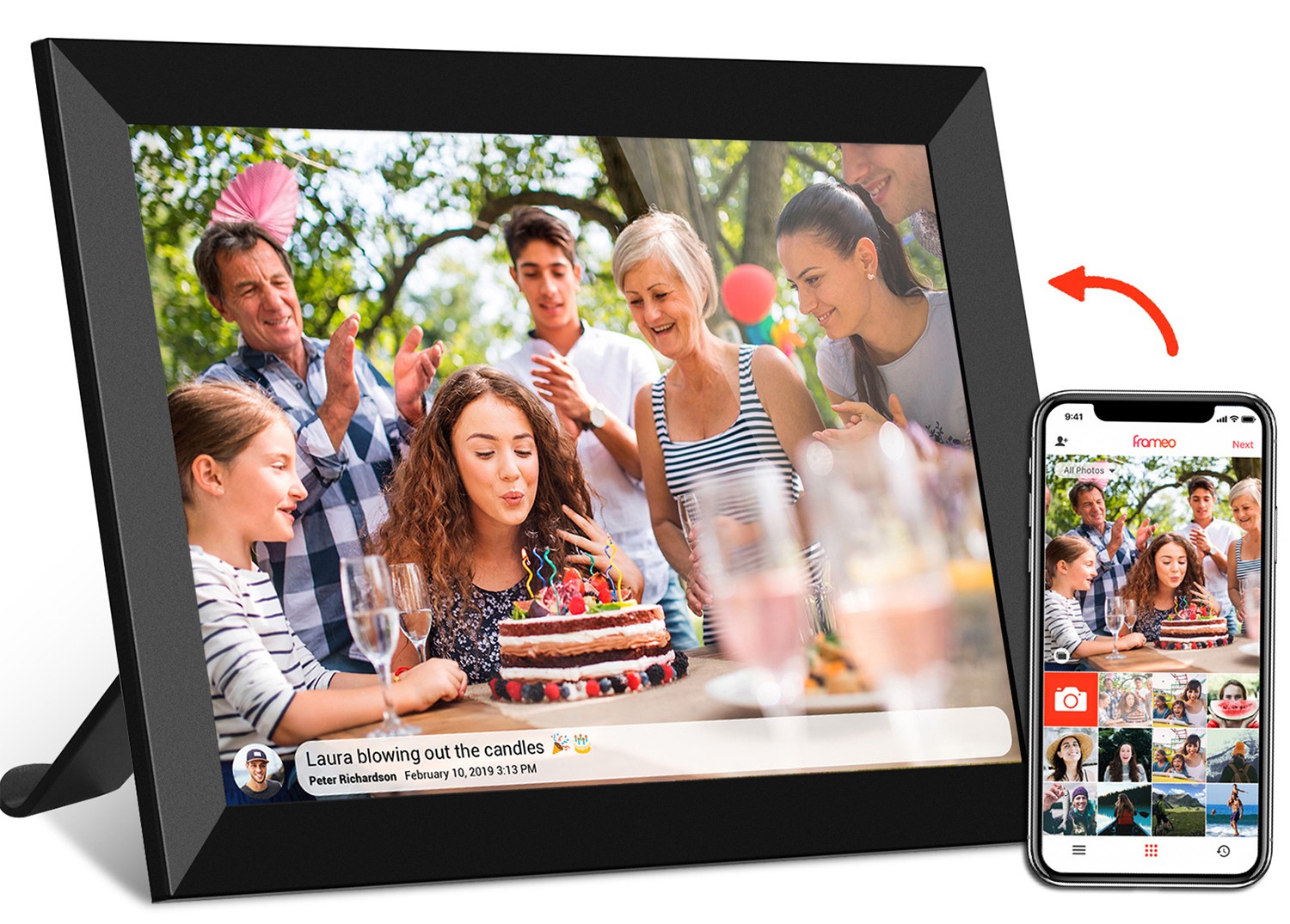
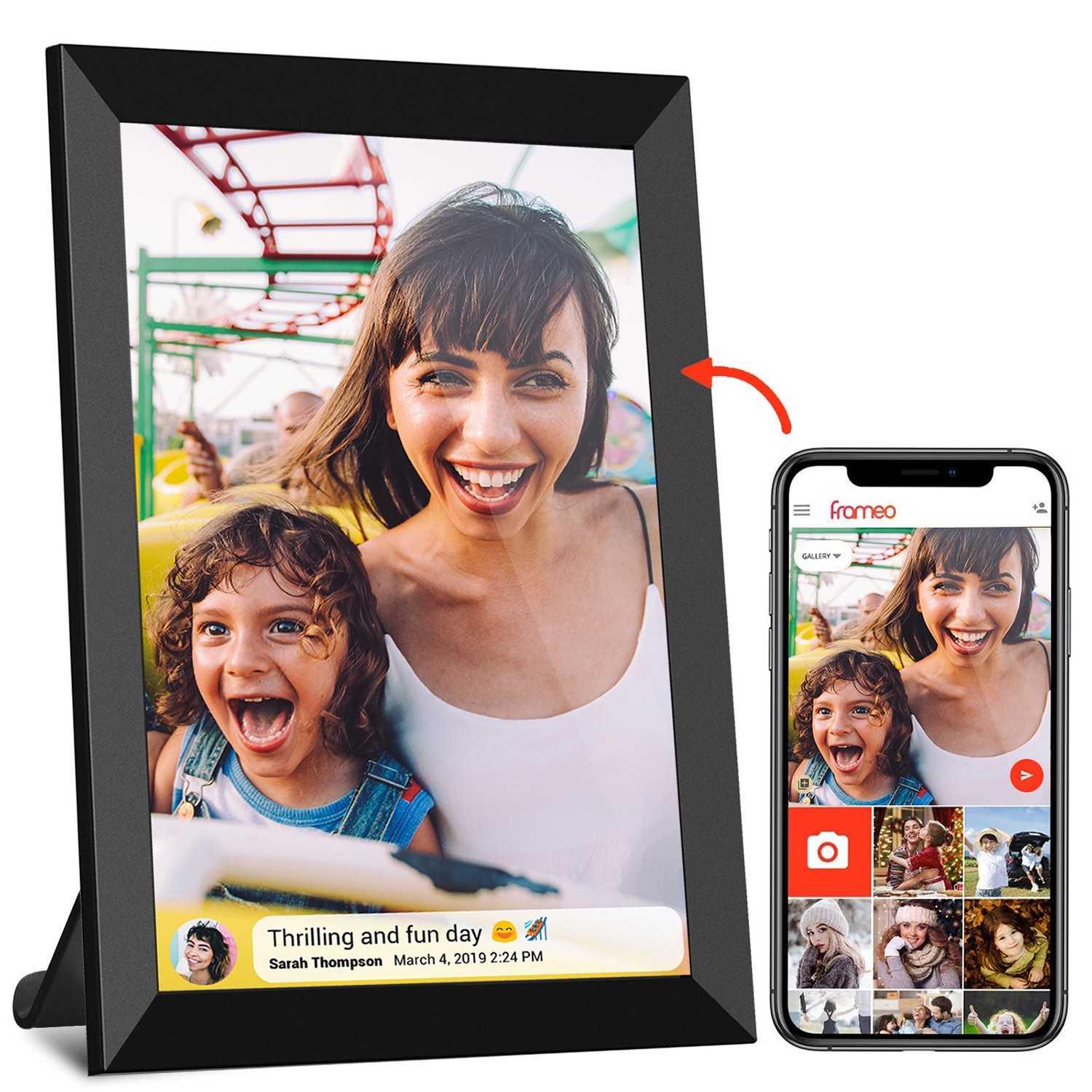
To put this in perspective, consider the 24.5 inch portable monitor. With inkjet printing, manufacturers can deposit over 1 million conductive traces across its surface, each perfectly aligned to ensure seamless touch response. This level of precision is why inkjet is becoming the standard for premium devices, including the frameo wifi digital photo frame 10.1 inch, which relies on accurate printing for its intuitive touch interface.
Environmental concerns are driving demand for sustainable manufacturing, and printing is no exception. Consumers and regulators alike are pushing brands to reduce carbon footprints, and the incell portable smart TV industry is responding with eco-friendly printing innovations. One key trend is the adoption of water-based inks with low VOC emissions, which not only reduce air pollution but also simplify waste disposal. Some manufacturers are even recycling excess ink by filtering and reusing it, cutting material costs by 15%.
Energy efficiency is another focus. Traditional drying processes, which use ovens at 150°C, consume massive amounts of energy. New UV-LED curing systems, however, operate at lower temperatures (around 60°C) and use 70% less energy. They also cure inks in seconds, speeding up production. For large-scale operations, like producing floor standing digital signage or 32 inch incell smart TVs, these savings add up quickly, making sustainability both an ethical and economic choice.
Tomorrow's incell portable smart TVs won't just display content—they'll interact with users and their environments. Printing is enabling this by integrating sensors and smart features directly into the screen. For example, printed pressure sensors, made by depositing conductive ink in a grid pattern, can detect force (e.g., a firm press vs. a light tap), adding new input methods. Similarly, printed light sensors can automatically adjust screen brightness based on ambient light, saving battery life.
The hy300 ultra projector, a compact device that pairs with portable screens, showcases this trend. Its projection lens uses printed diffraction gratings, which manipulate light to focus images without bulky glass components. Back on the incell TV itself, printed NFC (Near Field Communication) tags could allow users to tap their phones to share content instantly—a feature that would simplify connectivity and enhance user experience.
Consumers crave personalized devices, but mass production traditionally prioritizes uniformity. Printing is bridging this gap with digital printing technologies that enable on-demand customization. Unlike screen printing, which requires expensive, time-consuming stencil changes, inkjet printers can switch designs with a simple software update. This means manufacturers can produce 10.1 inch frameo wifi digital photo frames with custom logos for businesses, or incell smart TVs with unique color filter patterns for different regions—all on the same production line.
For example, a hotel chain could order 24.5 inch portable monitors pre-printed with their branding, while a healthcare provider could request android tablets with custom touch layouts for medical apps. This flexibility not only meets niche demands but also reduces inventory costs, as manufacturers produce only what's needed.
| Aspect | Traditional Printing | Innovative Printing |
|---|---|---|
| Material Compatibility | Limited to solvent-based inks; risk of damaging incell layers | Water-based, nanocomposite, and self-healing inks; safe for sensitive materials |
| Precision (Line Width) | 20-50μm (screen printing); prone to misalignment | 5-10μm (inkjet with piezoelectric heads); sub-picoliter droplet control |
| Durability | Low abrasion/chemical resistance; prone to peeling | Self-healing and chemical-resistant inks; withstands rough handling |
| Sustainability | High VOC emissions; energy-intensive drying; 30% material waste | Low VOC water-based inks; UV-LED curing (70% less energy); ink recycling |
| Smart Feature Integration | Limited to basic conductive traces | Printed sensors (pressure, light), NFC tags, and diffraction gratings |
As printing technologies evolve, the incell portable smart TV industry is poised for a transformation. Here's a glimpse of what the future holds:
With 1μm line widths and ultra-thin inks, incell smart TVs could soon have screens as thin as 0.5mm, making devices like the 24.5 inch portable monitor weigh less than 500g—lighter than a tablet. This would revolutionize portability, allowing users to roll up their TVs like posters or slip them into backpacks without bulk.
Printed conductive inks with higher conductivity will reduce power loss in touch and display circuits, extending battery life by up to 20%. Combined with printed solar cells integrated into the screen (bezel), future incell smart TVs might even charge themselves in sunlight.
Printed haptic feedback systems, which vibrate in response to touch, could make devices more accessible for users with visual impairments. Imagine a healthcare android tablet that "taps" to alert users of critical patient data, or a portable TV that guides visually impaired users through menus via touch vibrations.
In conclusion, the printing process is the backbone of innovation for incell portable smart TVs. By addressing material compatibility, precision, durability, and sustainability, manufacturers are not just improving displays—they're reimagining how we interact with technology. From the 24.5 inch portable monitor in your living room to the healthcare android tablet in a hospital, these printing advancements will touch every aspect of our digital lives. As we look ahead, one thing is clear: the future of portable smart TVs is not just about what's on the screen, but how that screen is made. And printing will be at the heart of it all.