Walk into a bustling coffee shop on a Monday morning, and you might notice a sleek screen by the counter flashing today's special—"Pumpkin Spice Latte: 10% Off Until Noon." Step into a hospital waiting room, and a wall-mounted display gently cycles through patient education videos and appointment updates. Visit a corporate headquarters, and a vibrant screen in the lobby welcomes visitors with personalized messages. These are all examples of digital signage—a technology that has quietly woven itself into the fabric of modern business, transforming how enterprises communicate, engage, and thrive. But how did we get from static billboards to these dynamic, interactive tools? And more importantly, what makes digital signage such a critical asset for businesses today? Let's explore the journey of digital signage technology and uncover the tangible value it brings to enterprises.
Rewind to the 1990s, and "digital signage" was more of a novelty than a necessity. The first iterations were bulky CRT monitors or early LCD screens, often repurposed from computers, hooked up to VCRs or DVD players. These systems played looped videos or static slideshows—think of the classic airport terminal screens showing flight schedules, or movie theater lobbies playing trailers on repeat. They were expensive, hard to maintain, and incredibly limited: updating content meant physically swapping out a tape or DVD, a tedious process that made real-time adjustments impossible.
By the early 2000s, USB drives replaced discs, making content updates slightly easier, but the core problem remained: these were still "dumb" screens, disconnected from the outside world. A restaurant couldn't suddenly promote a last-minute happy hour, or a retail store adjust pricing based on inventory levels. Despite these limitations, forward-thinking businesses saw potential. Digital signage offered something print never could—motion. Studies even back then showed that moving images captured 400% more attention than static ones, making it a powerful tool for grabbing eyeballs in busy environments.
The game changed in the late 2000s with the widespread adoption of high-speed internet and WiFi. Suddenly, digital signage screens weren't just displays—they were connected devices. This shift unlocked remote content management: businesses could update hundreds of screens across cities (or even countries) from a single computer. Cloud-based content management systems (CMS) emerged, allowing users to schedule content, set playlists, and tweak messages in real time. Imagine a clothing retailer with 50 stores: instead of printing 50 new posters for a weekend sale, they could push the update to all screens at once. Overnight, digital signage became scalable and cost-effective.
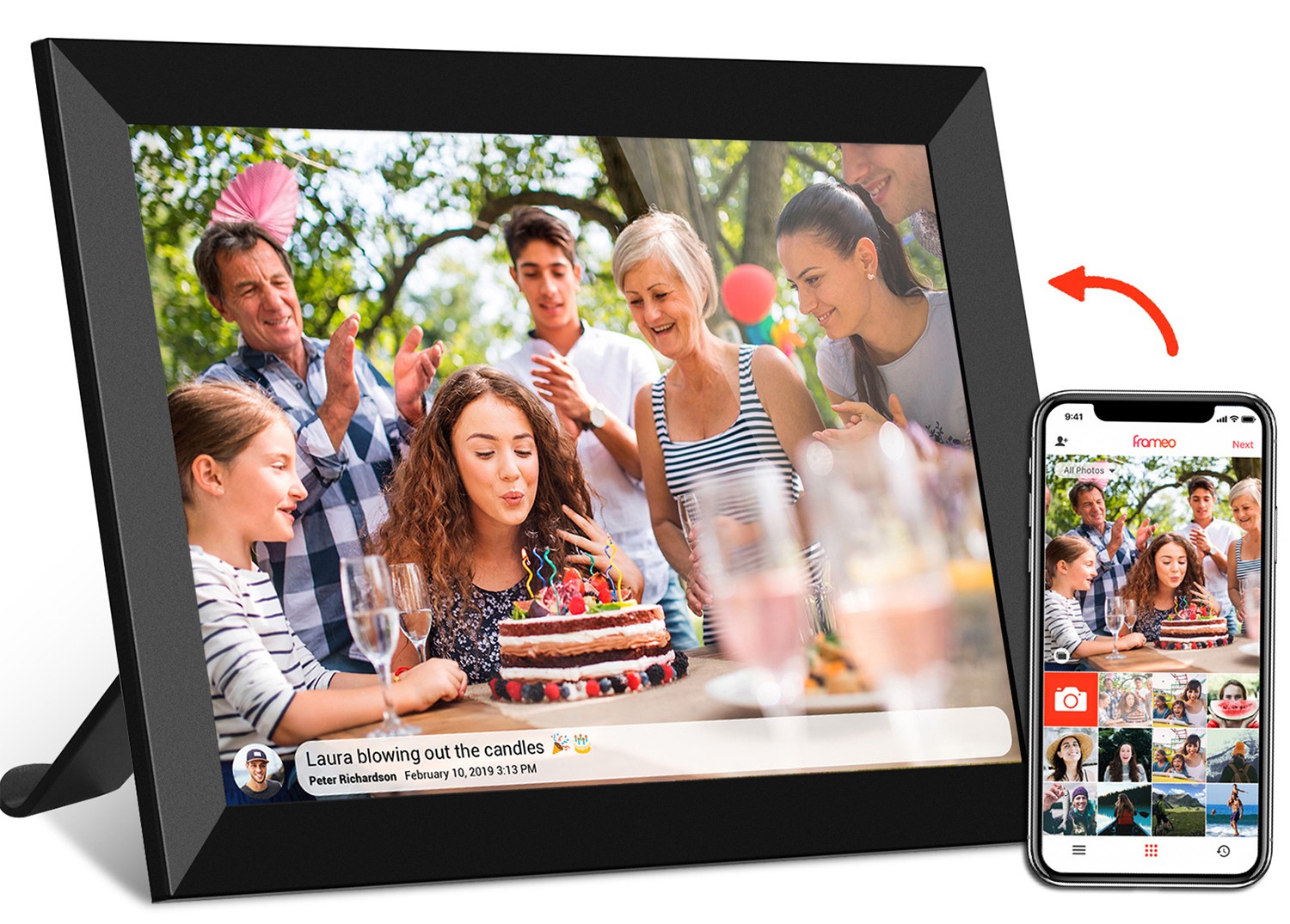
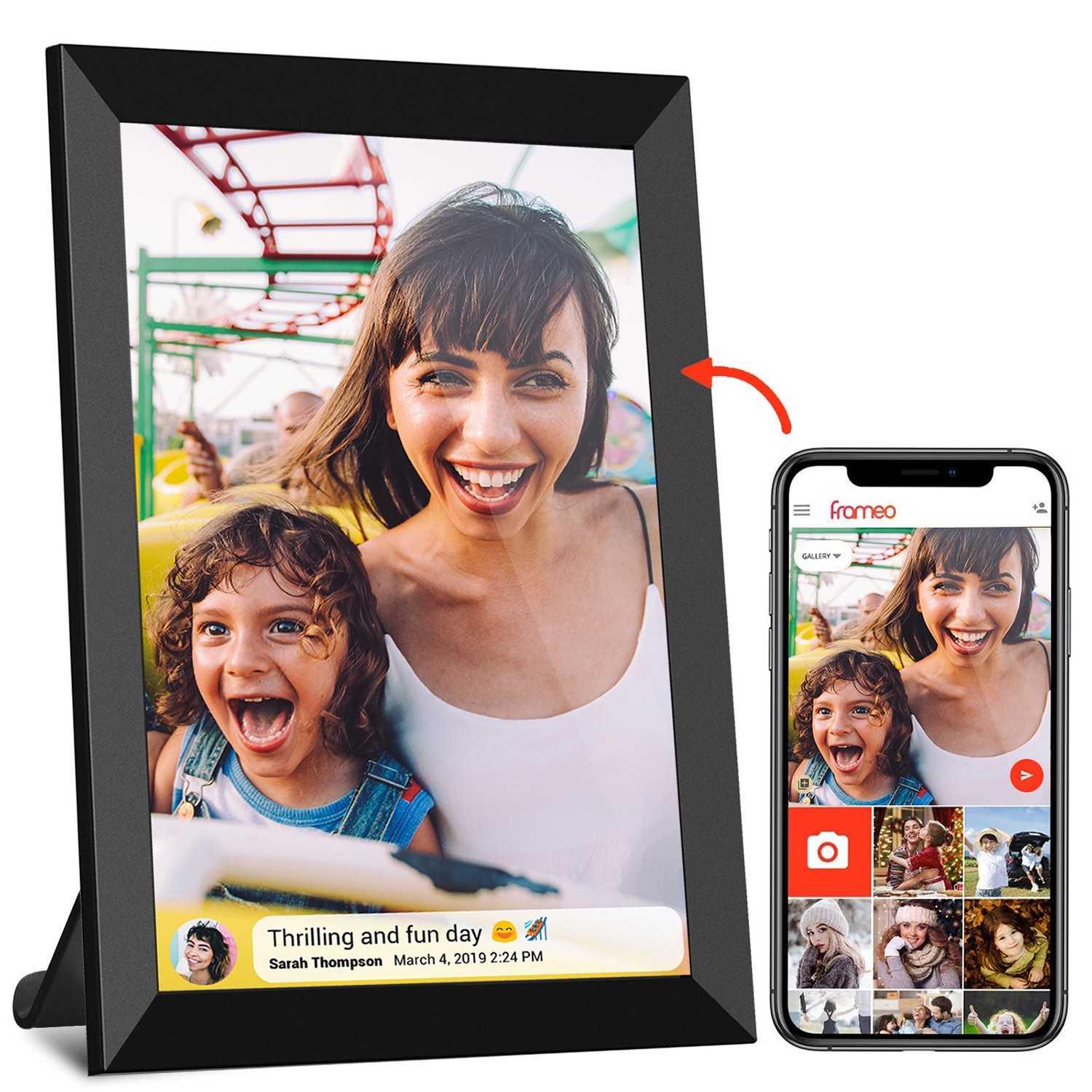
But the biggest leap came with the integration of operating systems. Enter Android tablet digital signage —a category that transformed basic screens into smart, devices. By using Android's open-source platform, manufacturers created signage that could run apps, process data, and interact with users. Suddenly, a digital sign wasn't just showing ads; it could let customers check product availability via touchscreen, or a hotel lobby display could pull live weather updates to welcome guests. This was the birth of "smart signage," and it opened the floodgates for innovation.
Today's digital signage is a far cry from those early USB-powered screens. It's tailored to solve specific business problems, with features that cater to industries from retail to healthcare. Let's break down the key innovations reshaping the space:
Touchscreen technology turned passive viewers into active participants. A floor standing digital signage unit in a mall, for example, might let shoppers search for stores, read reviews, or even "try on" makeup using AR filters. In a museum, interactive screens let visitors dive deeper into exhibits by swiping through additional photos or videos. This interactivity doesn't just boost engagement—it creates memorable experiences that stick with customers long after they leave.
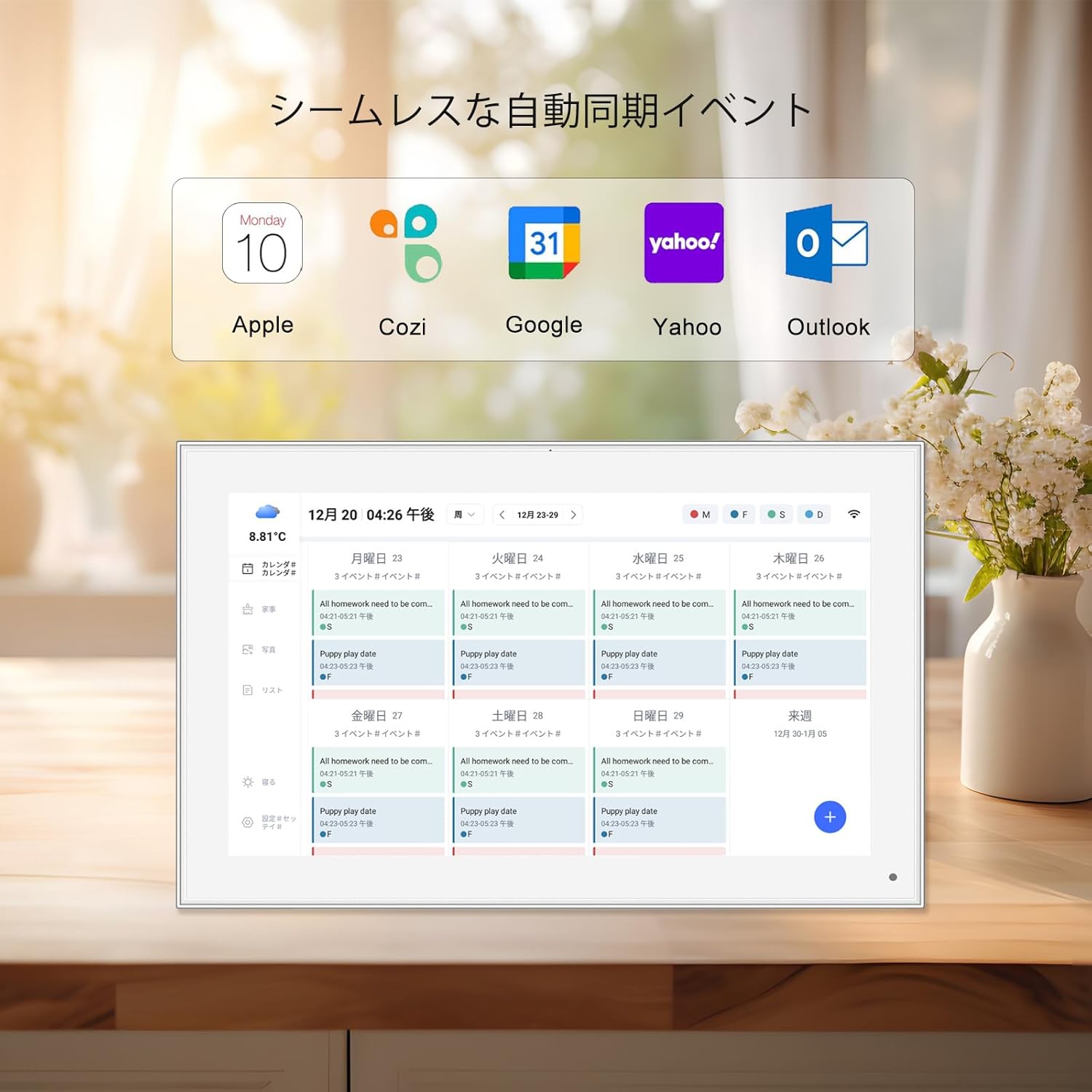
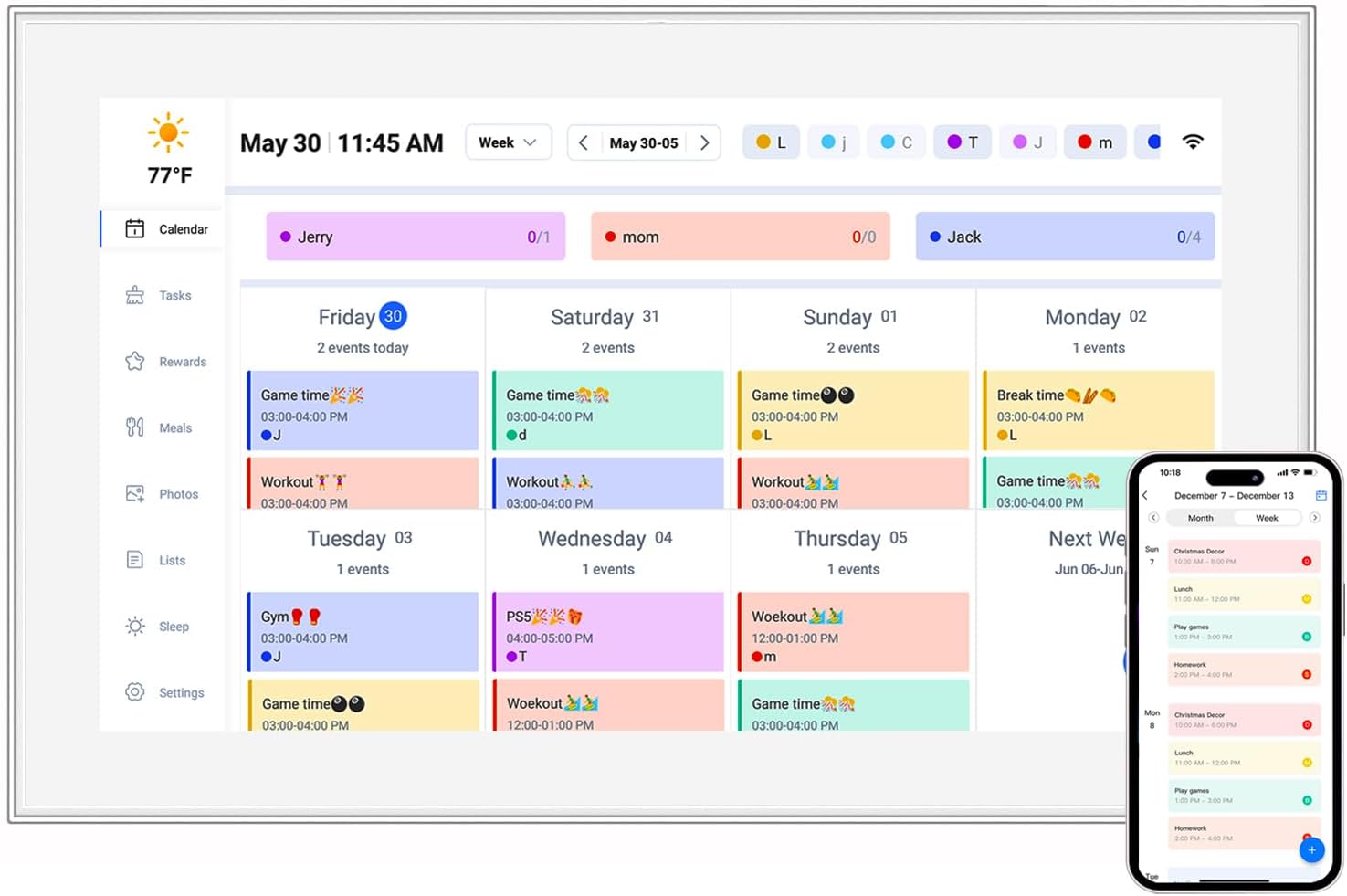
For large enterprises, managing power and data cables across multiple screens can be a logistical nightmare. That's where Power over Ethernet (POE) comes in. POE meeting room digital signage uses a single Ethernet cable to deliver both power and internet, eliminating the need for separate power outlets. This makes installation faster, cheaper, and more flexible—ideal for offices, hotels, or campuses where running new electrical lines is costly. A corporate headquarters, for instance, can install POE screens in every meeting room, updating schedules and agendas remotely without worrying about messy wiring.
Digital signage isn't one-size-fits-all anymore. Manufacturers now design hardware for specific industries. Take healthcare Android tablet displays: these devices are built with antimicrobial coatings to prevent germ spread, HIPAA-compliant software to protect patient data, and bright screens readable even in dimly lit exam rooms. They help nurses display medication instructions, let patients fill out forms digitally, or even connect to telehealth services. In retail, outdoor digital signage is weatherproof, with sunlight-readable screens that stay visible on the sunniest days. For education, rugged tablets stand up to daily use by students, with long battery life and easy-to-clean surfaces.
Modern digital signage isn't just about displaying content—it's about displaying the right content. With built-in sensors and AI, screens can now adapt to their audience. A coffee shop screen might show iced drinks to customers in summer clothes, or a grocery store display could highlight gluten-free products to shoppers carrying a celiac-friendly app. This personalization drives results: studies show that targeted content increases purchase intent by 32% compared to generic messages.
For enterprises, digital signage isn't a "nice-to-have"—it's a strategic investment that delivers measurable returns. Let's look at how it adds value across key areas:
| Traditional Print Signage | Modern Digital Signage |
|---|---|
| High ongoing costs (reprinting, shipping, installation) | Low long-term costs (one-time hardware, remote updates) |
| Static content (fixed for weeks/months) | Dynamic content (updates in minutes; real-time triggers) |
| No engagement metrics (guessing at effectiveness) | Detailed analytics (views, engagement time, conversions) |
| Limited reach (one message for all audiences) | Personalized content (tailored to demographics, behavior) |
| Slow to adapt (misses time-sensitive opportunities) | Agile (responds to trends, weather, inventory) |
Print signage is a recurring expense: reprinting flyers, replacing worn billboards, or updating menus costs time and money. Digital signage eliminates this. A restaurant chain with 100 locations, for example, might spend $50,000 annually on print menus. With digital menu boards? A one-time hardware investment, plus a monthly CMS fee of $200–$500. Over five years, that's a savings of over $200,000. And with faster content updates, businesses can capitalize on opportunities—like promoting a sudden surplus of fresh produce at a grocery store, or pushing last-minute ticket sales for a concert venue.
Digital signage makes interactions smoother and more intuitive. In a hospital, healthcare Android tablet displays in waiting rooms reduce anxiety by showing real-time wait times and doctor profiles. At a hotel, lobby screens let guests check in, request room service, or book spa appointments without waiting in line. These small conveniences add up: 70% of customers say digital signage improves their overall experience with a brand, according to a 2023 survey by Digital Signage Today.
Digital signage isn't just for customers—it's a powerful tool for employees, too. Corporate offices use screens to share company news, celebrate milestones, or display KPI dashboards. Factories post safety updates or production targets on the shop floor. Even remote teams benefit: digital signage in break rooms can stream virtual town halls or training videos, keeping everyone aligned. A study by Gallup found that companies with effective internal communication have 47% higher shareholder returns—making digital signage a smart investment in company culture.
Unlike print, digital signage tells you what's working. CMS platforms track metrics like how many people viewed a message, how long they watched, and whether they interacted with it (e.g., scanning a QR code). This data helps businesses refine their content. A retail store might notice that morning ads for coffee drive more QR scans than afternoon ones, then shift to promoting snacks later in the day. Over time, this leads to more effective messaging and higher ROI.
Let's look at how three enterprises leveraged digital signage to solve specific challenges and drive results:
A national athletic wear retailer wanted to increase sales of new shoe lines. They installed floor standing digital signage near shoe racks in 300 stores, displaying product videos, customer reviews, and size availability. Using their CMS, they targeted content by region: showing waterproof boots in rainy areas and breathable sneakers in warmer climates. Within three months, shoe sales rose by 35%, and customers reported spending 20% more time browsing the shoe section—proof that interactive, targeted content drives action.
A large urban hospital struggled with low patient satisfaction scores, partly due to confusing wayfinding and limited communication. They deployed healthcare Android tablet displays in lobbies, elevators, and patient rooms. Lobby screens showed interactive maps to help visitors find departments; room tablets let patients view their care plan, message nurses, or watch educational videos. Within six months, patient satisfaction scores jumped by 22%, and nurse call button usage dropped by 15%—freeing staff to focus on critical care.
A global tech company with 20 offices was tired of "meeting room chaos": double-booked rooms, lost presentation files, and wasted setup time. They installed POE meeting room digital signage outside every conference room, showing real-time availability, booking options, and upcoming meetings. Inside, larger POE screens let teams wirelessly share presentations and join video calls with one click. Meeting setup time dropped by 45%, and room conflicts decreased by 90%—saving the company over 5,000 employee hours annually.
As technology evolves, digital signage will become even more integrated into the enterprise toolkit. Here are three trends to watch:
AI and Machine Learning: Imagine a digital sign that uses facial recognition (with privacy safeguards) to detect customer demographics and instantly switch to relevant content—a toy store screen showing action figures to kids, or skincare products to adults. AI will also predict which content performs best, automatically optimizing playlists for maximum engagement.
IoT Integration: Digital signage will connect with other smart devices, creating seamless experiences. A grocery store sign could sync with inventory systems, automatically promoting items that are overstocked. A hotel lobby screen might adjust messaging based on occupancy levels—pushing spa deals when rooms are full, or discounts when they're empty.
Sustainability: With businesses prioritizing eco-friendly practices, digital signage will become more energy-efficient. Solar-powered outdoor displays, low-power LED screens, and recycled materials will reduce carbon footprints. And by eliminating print waste, digital signage will help enterprises meet their sustainability goals.
From its early days as a clunky screen playing looped videos to today's smart, interactive, and data-driven systems, digital signage has proven itself to be more than just a marketing tool—it's a strategic asset that drives efficiency, engagement, and growth. Whether it's through Android tablet digital signage in a retail store, floor standing digital signage in a mall, POE meeting room digital signage in a corporate office, or healthcare Android tablet displays in a hospital, the technology continues to adapt to the unique needs of enterprises.
For businesses willing to invest, the benefits are clear: lower costs, happier customers, better employee communication, and actionable insights. As we look ahead, digital signage will only grow more powerful, blending AI, IoT, and sustainability to become an indispensable part of the enterprise toolkit. In a world where attention is scarce and agility is key, digital signage isn't just keeping up—it's leading the way.