Picture this: You walk into a cozy café downtown, and instead of a static chalkboard listing today's specials, there's a sleek, transparent frame mounted near the counter. As you approach, it comes to life—playing a short video of steam rising from a latte, followed by text overlaying fresh bakery items, and even a quick clip of the barista crafting a signature drink. The frame itself is made of smooth, high-quality acrylic, blending seamlessly with the café's modern decor. That's the magic of an acrylic motion video frame —and the best part? It's fully customized to fit the café's brand, from the size and shape down to the content that plays on its screen.
In a world where attention spans are shorter than ever, static displays just don't cut it anymore. Whether you're a small business owner looking to engage customers, a marketer aiming to showcase products, or even someone wanting to add a personal touch to your home, acrylic dynamic video frames offer a unique way to tell stories, share information, and leave a lasting impression. But what makes these frames truly powerful is their customization potential. No two businesses or individuals are the same, so why should their display solutions be? In this guide, we'll dive deep into the world of customization for acrylic dynamic video frames—exploring why it matters, what options are available, who can benefit, and how to find the right solution for your needs.
First things first: Let's clarify what we're talking about. An acrylic dynamic video frame is a display device that combines the elegance of acrylic material with the functionality of a digital screen. Unlike traditional photo frames that hold static images, these frames can play videos, slideshows, animations, and even interactive content. The acrylic casing is often transparent or semi-transparent, giving the illusion that the video is "floating" in mid-air—a visually striking effect that instantly draws the eye.
At their core, these frames are designed to be both aesthetic and functional. The acrylic material is lightweight yet durable, resistant to scratches, and can be shaped into almost any form—from classic rectangles to curved edges or even custom logos. Inside, a small but powerful screen (often LED or LCD) is embedded, along with speakers, a battery or power port, and sometimes Wi-Fi or Bluetooth connectivity for easy content updates. Think of it as a hybrid between a high-end picture frame and a mini digital signage display, but with the added flair of acrylic's premium look.
But what sets "dynamic" video frames apart from regular digital frames? It's all in the motion. These frames aren't just for showing photos—they're built to handle smooth video playback, transitions, and even real-time updates. For example, a retail store might use one to loop product demo videos, while a museum could display historical footage alongside artifacts. The possibilities are endless, and customization is the key to unlocking them.
Imagine buying a generic t-shirt that's too big, too small, or just not your style—it might work in a pinch, but it won't make you feel confident or represent who you are. The same logic applies to display frames. A one-size-fits-all acrylic video frame might technically "work," but it won't align with your brand's personality, fit the space you have, or deliver the specific message you want to share. Customization turns a basic tool into a strategic asset—one that's tailored to your goals, audience, and environment.
Let's break down why customization is non-negotiable for anyone investing in an acrylic dynamic video frame:
"We wanted our frame to feel like part of our store, not just an add-on," says Maria, owner of a local skincare boutique. "We worked with a supplier to create a 10.1-inch frame with a rose gold acrylic border—matching our packaging—and programmed it to play short clips of customers using our products. Sales of the featured items went up 20% in the first month! People would stop, watch the videos, and ask about the products directly."
Now that we've covered why customization matters, let's get into the fun part: the options. When you decide to customize an acrylic dynamic video frame, you're not just picking a size—you're crafting a display that's uniquely yours. Here's a breakdown of the most important customization features to consider:
The acrylic itself is where the frame's personality starts. Acrylic is prized for its clarity (it's often called "plexiglass"), durability, and flexibility in shaping, making it ideal for custom designs. Here are the key material and design options to explore:
The screen is the "heart" of the frame, and its specs will determine how your content looks and performs. Customizing the screen ensures it meets your visual and functional needs:
What good is a beautiful frame if you can't easily update the content? Custom software and content management tools turn your frame into a dynamic, ever-changing display:
To help you visualize how these customization options come together, here's a table breaking down common choices and their ideal uses:
| Customization Aspect | Popular Options | Ideal For… | Key Benefit |
|---|---|---|---|
| Acrylic Finish | Clear, Frosted, Tinted (Blue, Red, Gold) | Retail stores, Hotels, Branded Events | Matches brand aesthetics; controls light reflection |
| Screen Size | 7-10.1 inches (countertop), 15.6-21.5 inches (wall-mounted) | Cafés (small), Museums (large), Offices (medium) | Fits space constraints; optimizes visibility |
| Resolution | 720p (basic), 1080p (standard), 4K (high-end) | Internal memos (720p), Product videos (1080p), Art displays (4K) | Ensures content clarity; avoids pixelation |
| Connectivity | Wi-Fi, Bluetooth, USB, SD Card | Remote businesses (Wi-Fi), Trade shows (USB), Home use (Bluetooth) | Flexible content updates; environments |
| Power Source | Battery (4-6 hours), AC-Powered (24/7) | Events (battery), Retail stores (AC), Outdoor pop-ups (solar hybrid) | Portability or permanent use; no downtime |
You might be thinking, "This sounds great, but is it right for me?" The short answer: If you need to display dynamic content in a way that's visually appealing, brand-aligned, and tailored to your space, then yes. From small businesses to large corporations, and even individuals, here are the industries and use cases where custom acrylic frames shine brightest:
Retailers are always looking for ways to stand out on crowded shelves—and acrylic dynamic video frames are a game-changer. Imagine a clothing store with frames near the fitting rooms, playing videos of models wearing the same outfit in different styles or showing styling tips. Or a cosmetics counter with a 10.1-inch frame displaying tutorial videos for new makeup products. Customization lets retailers match frames to their store's theme (e.g., a bohemian boutique with a curved, wooden-accented acrylic frame) and update content to promote sales, new arrivals, or limited-time offers.
"We added a 15.6-inch acrylic frame near our shoe section, and it's been amazing," says Jake, manager of a footwear store. "We customized it with our brand's signature teal acrylic border and programmed it to play videos of customers wearing our shoes—walking, running, dancing. People stop to watch, and we've seen a 15% increase in shoe sales since installing it. We even update the content weekly to feature new styles!"
In hospitality, the guest experience is everything—and acrylic frames add a touch of modernity and personalization. Hotels can use wall-mounted frames in lobbies to display event schedules, local attractions, or welcome messages for VIP guests. Restaurants and cafés can replace static menus with dynamic frames that showcase food videos, daily specials, or even customer reviews (with permission, of course). Custom sizing ensures frames fit in tight spaces like bar counters or small dining nooks, while battery-powered options are perfect for outdoor patios.
Hospitals and clinics often struggle with making waiting rooms less stressful—and dynamic frames can help. Custom frames in pediatric clinics might play calming animations or educational videos for kids, while adult waiting areas could display health tips or doctor profiles. Acrylic's easy-to-clean surface is a plus in medical settings, and customization ensures frames match the clinic's calming color scheme (soft blues, greens) to promote relaxation. Some healthcare facilities even use frames to display patient information (with privacy safeguards) or appointment reminders.
Personalization is key for events, and acrylic dynamic video frames add a memorable touch. For weddings, a custom frame with the couple's names laser-etched into the acrylic can play a slideshow of engagement photos or a video montage of their relationship. Corporate events might use frames to welcome attendees, display agendas, or highlight sponsor logos. Even birthday parties could feature a frame showing childhood photos or video messages from friends and family. The portability of smaller frames (7-10.1 inches) makes them easy to set up at venues, and custom designs (like heart-shaped frames for weddings) add a special touch.
Schools and offices can use acrylic frames to communicate information in a more engaging way. Campuses might display event flyers, class schedules, or student achievements on frames in hallways. Offices can use countertop frames in reception areas to showcase company culture (team outings, charity events) or internal updates (meeting reminders, policy changes). Custom software allows for easy content management—so the HR team can update frames across multiple office locations with a single click.
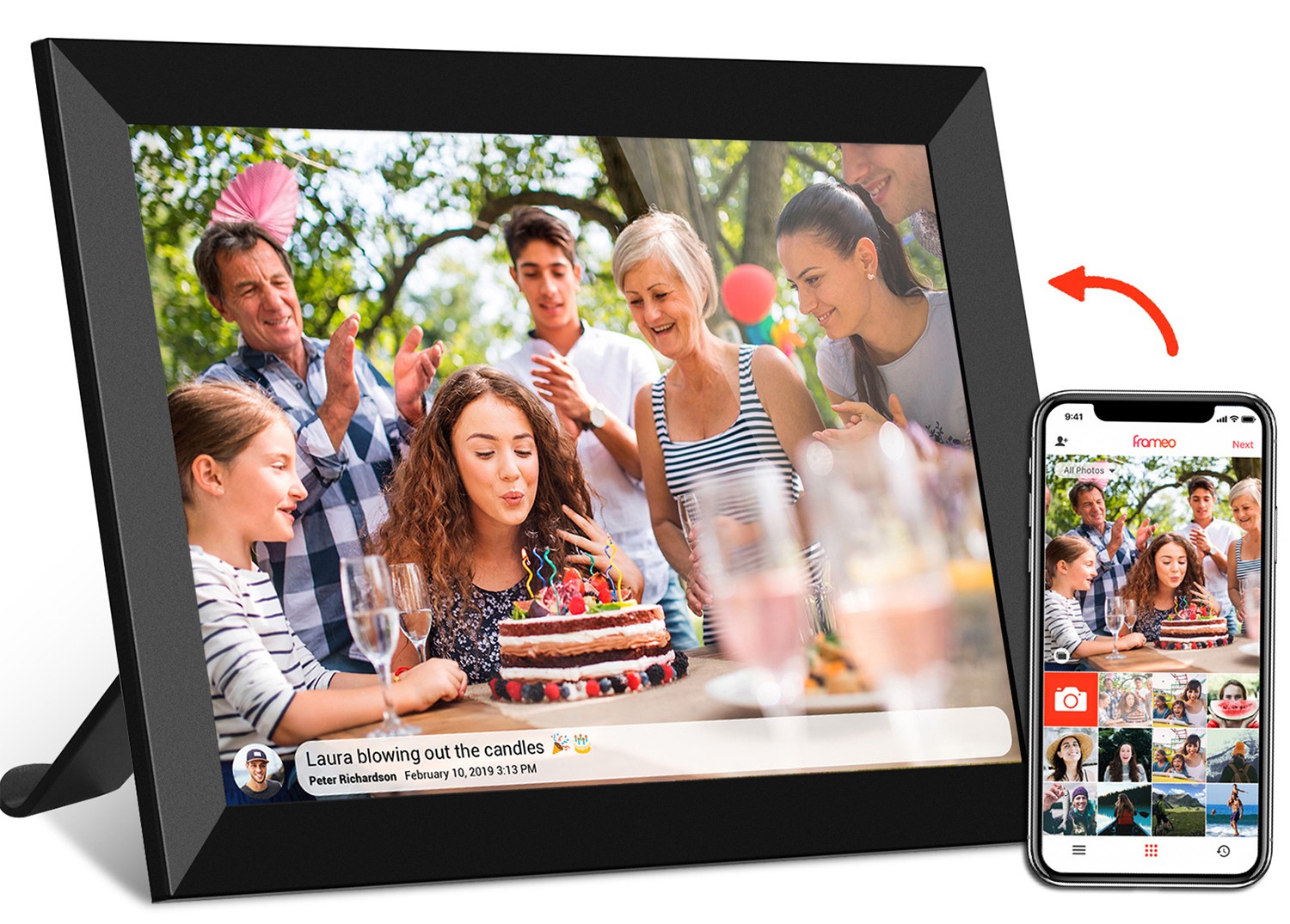
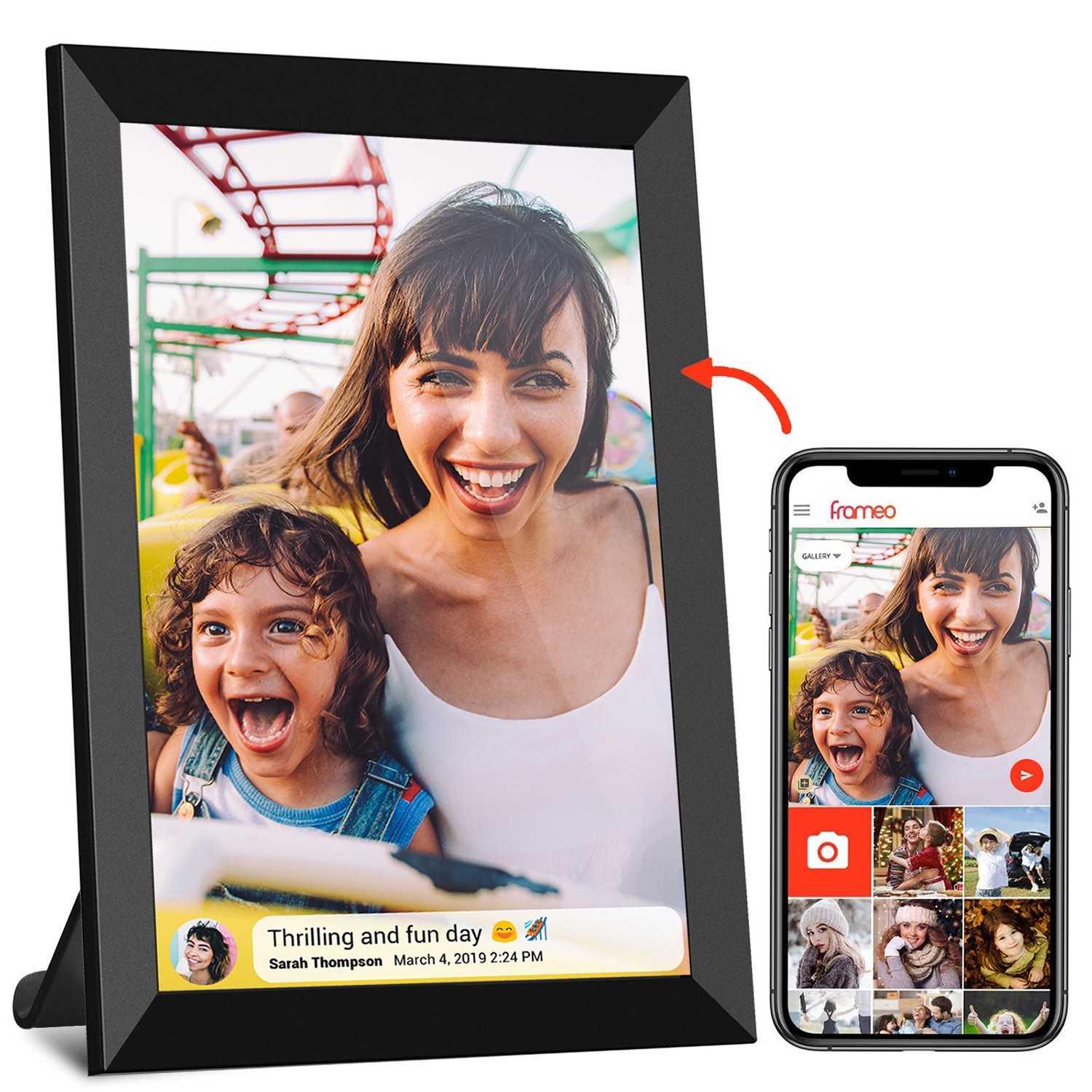
It's not just businesses that can benefit—acrylic dynamic video frames make unique, heartfelt gifts or home decor items. Imagine gifting a parent a frameo wifi digital photo frame customized with their grandkids' names etched into the acrylic, pre-loaded with family videos and photos. Or using a small frame in your home to display vacation clips, pet videos, or even a digital calendar (more on that later!). Customization lets you add personal touches like favorite colors, meaningful quotes, or inside jokes—making the frame feel truly one-of-a-kind.
You might be wondering: How does an acrylic dynamic video frame differ from other digital display products, like video brochures , 10.1 inch digital calendar s, or even standard digital photo frames? While there's overlap, each has unique strengths—and understanding the differences can help you decide if an acrylic frame is the right fit.
A video brochure is a small, portable device that looks like a book or pamphlet—open it, and a screen plays a video. They're great for direct mail campaigns, trade shows, or sales pitches (you can hand them to prospects). However, video brochures are typically small (4-7 inches), have limited battery life (20-30 minutes of playtime), and are designed for short-term use. Acrylic motion video frames, on the other hand, are larger, more durable, and meant for long-term display. They're also more customizable in terms of size, material, and software—making them better for permanent installations or ongoing marketing efforts.
When to choose which: Go with a video brochure for one-time events or direct marketing. Choose an acrylic frame for in-store displays, office lobbies, or home use where you need durability and ongoing content updates.
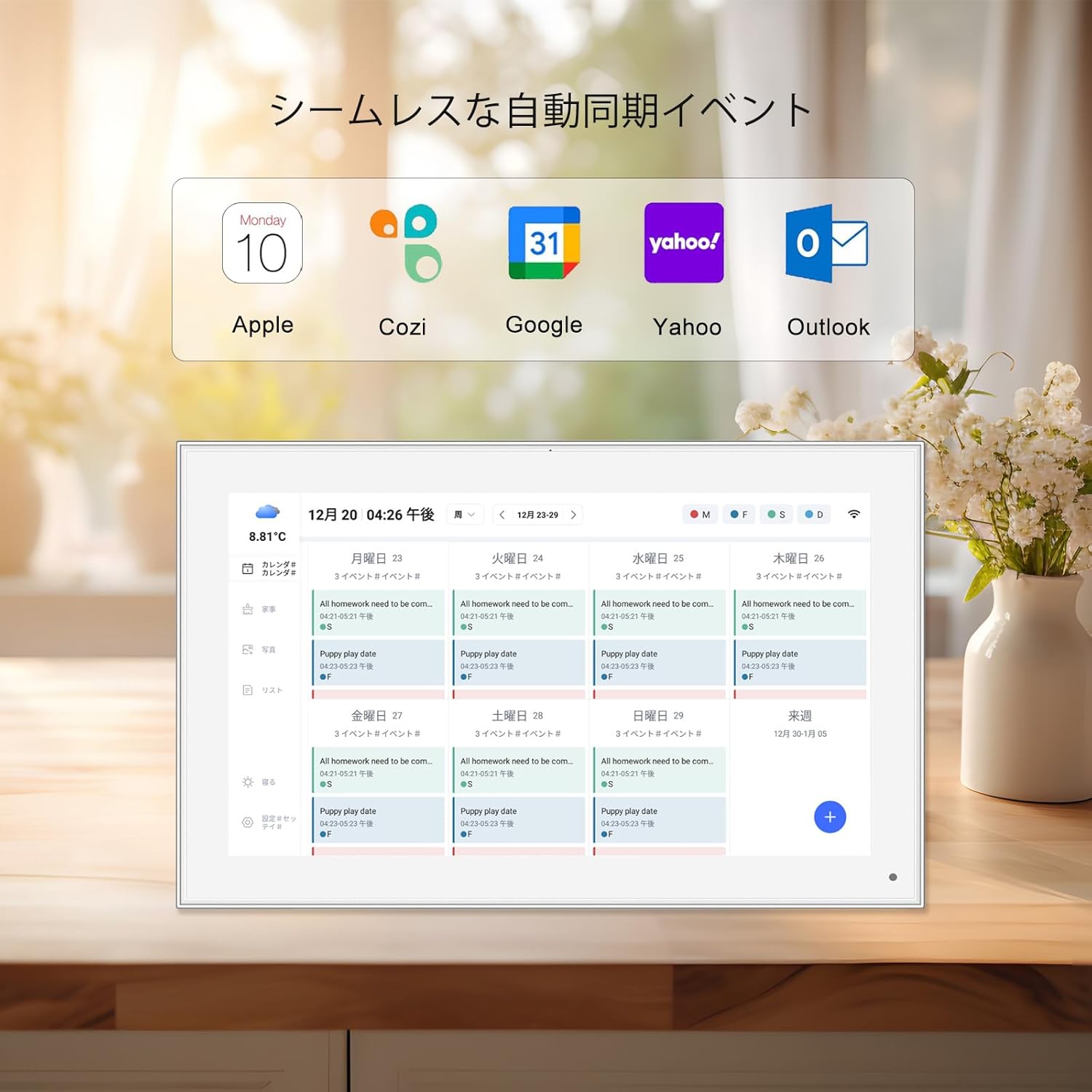
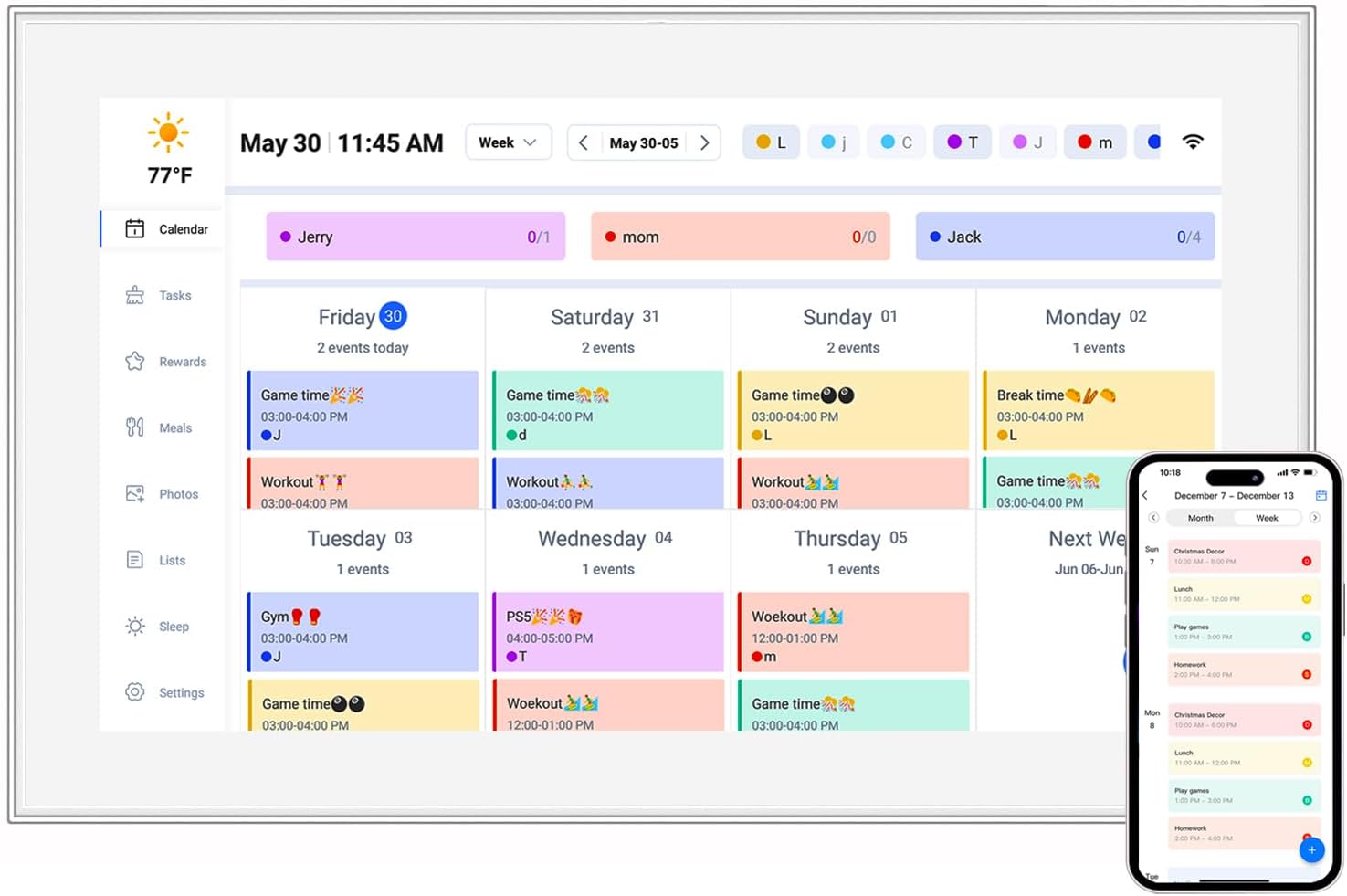
A 10.1 inch digital calendar (or larger) is designed primarily to display dates, times, and reminders—with some models offering photo slideshows or basic video playback. They're great for home offices or kitchens, where functionality (tracking schedules) is key. Acrylic dynamic video frames, by contrast, prioritize video and motion—they're built to play high-quality videos, animations, and interactive content. While some frames can display calendars as part of their content (via custom software), their main focus is storytelling and engagement, not just timekeeping.
When to choose which: A digital calendar is ideal if you need a functional, schedule-focused device. An acrylic frame is better if you want to combine visual appeal with dynamic content (videos, animations) alongside basic info like dates.
Standard digital photo frames (like the popular frameo wifi digital photo frame ) are designed to display photos and sometimes short video clips. They're affordable, user-friendly, and great for home use. However, they often have basic plastic frames, limited customization, and less powerful software. Acrylic dynamic video frames step up the game with premium acrylic materials, larger screens, higher resolution, and advanced customization options (touchscreens, remote updates, branded designs). They're built for both home and commercial use, with a focus on durability and visual impact.
When to choose which: A standard digital photo frame works for casual home use (displaying family photos). An acrylic frame is better for businesses, events, or anyone wanting a premium, customizable display that goes beyond basic photos.
Now that you're sold on the benefits of a custom acrylic dynamic video frame, the next step is finding a supplier who can bring your vision to life. Not all manufacturers or suppliers are created equal—some specialize in mass-produced, one-size-fits-all frames, while others focus on high-quality, fully customized solutions. Here's what to look for when choosing a partner:
Acrylic is a unique material—working with it requires specialized tools and expertise to ensure clean cuts, smooth edges, and precise shaping. Ask potential suppliers about their experience with acrylic fabrication: Do they have in-house laser cutters or CNC machines? Can they handle custom shapes (like logos or asymmetrical designs)? Request samples of their previous work to check the quality of the acrylic finish and craftsmanship.
A good supplier should offer a wide range of customization options—not just size and color, but also technical specs (screen resolution, brightness), software features (remote updates, scheduling), and add-ons (touchscreens, speakers, batteries). Avoid suppliers who push "standard packages" with limited tweaks; you want someone who's willing to listen to your needs and create a solution from scratch if necessary.
Even the best frame is useless if you can't update its content or troubleshoot issues. Look for suppliers who offer user-friendly software for content management, along with reliable tech support. Do they provide a demo of their software before you buy? Can they help you set up scheduling or remote updates? What's their response time for technical questions? A supplier with strong after-sales support will save you headaches down the line.
You don't want to receive a frame with scratches on the acrylic, a dim screen, or buggy software. Ask about the supplier's quality control process: Do they test each frame for screen brightness, video playback, and durability before shipping? Do they offer warranties (and what do they cover—parts, labor, shipping)? A supplier who stands behind their products with a solid warranty is a good sign they prioritize quality.
A reputable supplier should have a portfolio of past projects and case studies. Look for examples of frames they've customized for businesses similar to yours (e.g., retail, hospitality, healthcare). Reading case studies can give you ideas for your own frame and show how the supplier solves specific challenges (like fitting a frame into a small space or creating a custom UI for a client).
If you're a small business or individual needing just one frame, make sure the supplier doesn't have a high MOQ (e.g., 50+ units). Many suppliers cater to both small and large orders, but it's best to confirm upfront. Some even offer "sample orders" so you can test a frame before committing to a larger purchase.
As technology advances, the customization possibilities for acrylic dynamic video frames will only grow. Here are a few trends to watch in the coming years:
At the end of the day, an acrylic dynamic video frame is more than just a display device—it's a canvas for your story. Whether you're a business owner wanting to connect with customers, a creative looking to showcase your work, or someone who wants to add a personal touch to their space, customization is the key to making that story shine. From the acrylic material that frames your content to the software that brings it to life, every detail can be tailored to fit your vision, your brand, and your audience.
So, what's your story? Maybe it's a café owner wanting to turn daily specials into mini-movies. Maybe it's a bride and groom sharing their love story through video at their wedding. Maybe it's a healthcare clinic using animations to calm nervous patients. Whatever it is, a custom acrylic dynamic video frame can help you tell it in a way that's memorable, engaging, and uniquely yours. The possibilities are endless—all you have to do is imagine (oops, scratch that— envision ) what's possible.