There's something about hitting the open road that feels timeless—wind in your hair, music on the radio, and the promise of a new destination. But let's be real: modern life has changed how we experience those rides. Today, a long drive isn't just about getting from point A to B. It's about keeping the kids entertained, staying connected for work, navigating unfamiliar routes, or even squeezing in a little relaxation after a busy week. And that's where the right tech can turn a tedious journey into something memorable. Enter the incell portable smart tv —a game-changer for anyone who spends time in cars, SUVs, or RVs. Unlike clunky built-in infotainment systems or flimsy tablet holders, these devices blend portability, performance, and purpose to fit seamlessly into life on the go.
In this article, we're diving into why incell portable smart displays are becoming a must-have for in-vehicle scenarios. We'll break down their standout features, how they solve common road trip headaches, and why options like the 24.5 inch portable monitor are winning over families, commuters, and adventurers alike. Whether you're planning a cross-country vacation or just want to make your daily commute less mundane, let's explore how these devices are transforming the way we ride.
Remember when car "entertainment" meant a static radio, a stack of CDs, or maybe a tiny CRT screen that played fuzzy DVDs? Times have changed. Today's drivers and passengers expect more—much more. We want to stream movies, video chat with loved ones, mirror our phone's navigation, or even finish that work presentation while parked at a rest stop. Built-in car infotainment systems have improved, but they often come with a catch: they're expensive, hard to upgrade, and tied to a single vehicle. If you switch cars or rent one for a trip, you're back to square one.
That's where portable smart displays step in. They're like a Swiss Army knife for the road—versatile, adaptable, and designed to move with you. And among these, incell portable smart TVs stand out. "Incell" refers to the display technology, which integrates touch sensors directly into the LCD panel, eliminating the need for a separate touch layer. The result? Thinner screens, better image quality, and more responsive touch controls—perfect for a bumpy road where a laggy screen would be more frustrating than helpful.
But it's not just about the tech specs. These devices answer real needs. Think about a family with young kids: a portable monitor mounted to the back of the front seat can turn a 3-hour drive into a peaceful journey with cartoons, educational videos, or even interactive games. For the remote worker who commutes an hour each way: a lightweight display that connects to your laptop transforms the car (when parked, of course!) into a mobile office, letting you review emails or join a quick video call before heading into the office. And for the solo traveler: streaming a favorite show or following a cooking tutorial on a crisp screen makes rest stops feel less like a chore and more like a mini break.
Not all portable displays are created equal. When you're using a device in a car, you need something that can handle the unique challenges of the environment—vibrations, temperature swings, varying light conditions, and the need for quick, easy setup. Let's break down why incell portable smart TVs check all these boxes.
One of the biggest frustrations with mobile screens is visibility. A bright sunny day can turn even the nicest tablet into a reflective mess, making it impossible to watch a video or read directions. Incell displays tackle this with high brightness levels (often 300 nits or more) and anti-glare coatings. Take the 24.5 inch portable monitor, for example: its IPS panel ensures wide viewing angles, so kids in the backseat can watch from either side without the image washing out. And with resolutions up to 1080p (or even 4K in some models), details stay sharp—whether you're streaming a movie or zooming in on a map.
"Portable" shouldn't mean "tiny." A 7-inch tablet might be easy to carry, but it's not great for sharing with a car full of people. Incell portable smart TVs strike a balance: the 24.5 inch model, for instance, offers a large enough screen for group viewing but weighs just 2-3 pounds, making it easy to lift and mount. Most come with foldable stands or detachable headrest mounts, so you can set them up in seconds and stow them away when not in use—no tools, no permanent installation, and no damage to your car's interior.
What good is a display if you can't connect it to your devices? Incell portable smart TVs come packed with ports and wireless options to keep you linked. Wi-Fi and Bluetooth let you stream directly from apps like Netflix or Disney+, mirror your phone's screen for navigation, or pair with wireless headphones (a must for quieting backseat chaos). HDMI and USB-C ports mean you can plug in a laptop, gaming console, or even a USB drive full of downloaded movies for times when Wi-Fi is spotty. Some models even include built-in speakers with decent bass—though for longer trips, pairing with a portable Bluetooth speaker can take the audio experience up a notch.
Cars are tough environments. Between sudden stops, potholes, and the occasional spilled snack, your tech needs to hold up. Incell portable smart TVs are built with this in mind: reinforced frames, scratch-resistant screens, and shock-absorbent materials help protect against bumps and drops. Many also have temperature resistance, so they won't overheat on hot summer days or freeze up in winter—important if you leave the device in the car for short periods.
Sure, streaming movies is a big draw, but incell portable smart displays offer more than just entertainment. They're tools that can make your time on the road more productive, organized, and even safer—when used responsibly, of course.
We've all been there: stuck in a parking lot 10 minutes before a meeting, wishing you had a bigger screen to review your notes. A portable monitor solves that. Connect it to your laptop via USB-C or HDMI, and suddenly you've got a dual-screen setup—perfect for multitasking. Writers can have their draft on one screen and research on the other; designers can view client feedback alongside their work. And since many models run on Android, you can even use them as standalone android tablet devices, accessing productivity apps like Google Docs, Slack, or Zoom directly from the screen.
Phone screens are great for quick directions, but when you're driving in an unfamiliar area, a larger display can reduce stress. Mirror your phone's navigation app (like Google Maps or Waze) to the incell display, and suddenly, turn-by-turn directions are easier to read at a glance. Some models even have built-in GPS, though for most users, mirroring is simpler and ensures you're using the latest map updates from your phone.
Of course, any in-vehicle tech should never distract the driver. Incell portable smart TVs are designed with this in mind. Mounting options keep the screen out of the driver's line of sight—usually behind the front seats for backseat passengers or on the dashboard (facing away from the driver) for parked use. Many also have auto-dimming features that adjust brightness based on ambient light, reducing eye strain, and touch controls that are easy to use without fumbling—important for passengers who want to pause a video or adjust the volume quickly.
Not all incell portable smart TVs are the same, and choosing the right one depends on your needs. To help, here's a breakdown of key models and their standout features, including the popular 24.5 inch portable monitor:
| Model | Screen Size | Resolution | Key Features | Best For |
|---|---|---|---|---|
| 24.5 Inch Portable Monitor (Incell) | 24.5 inches | 1080p (Full HD) | IPS panel, 350 nits brightness, HDMI/USB-C, headrest mount included, 6-hour battery | Families, group road trips, movie nights in the car |
| 15.6 Inch Android Smart Display | 15.6 inches | 1080p | Built-in Android 11, Wi-Fi/Bluetooth, 16GB storage, detachable keyboard case | Remote workers, solo travelers, productivity on the go |
| 10.1 Inch Compact Incell Display | 10.1 inches | 720p | Ultra-lightweight (1.2 lbs), car charger included, shock-resistant case | Small cars, short commutes, kids' individual use |
The 24.5 inch model is a crowd favorite for family trips, thanks to its large screen and durable build. It's also a top pick for RV owners, who can mount it in the living area for movie nights after a day of hiking. The 15.6 inch Android version, on the other hand, appeals to professionals—it's essentially a portable android tablet with a bigger screen, making it ideal for working on the go. And the 10.1 inch compact model is perfect for smaller cars or parents who want a dedicated screen for each child to avoid "it's my turn!" arguments.
Still on the fence? Let's hear from real users who've integrated incell portable smart TVs into their in-vehicle routines.
Mark, a dad of three from Colorado, recently took a 12-hour road trip to visit family. "We'd tried tablet holders before, but the screens were too small, and the kids kept fighting over what to watch," he says. "This time, we brought the 24.5 inch portable monitor and mounted it to the back of my SUV's headrest. Game changer. The kids streamed cartoons, played multiplayer games, and even video chatted with their grandparents. The fighting stopped, and we actually had conversations in the front seat. I wish we'd invested in one years ago."
Lisa, a marketing consultant in Chicago, commutes 45 minutes each way. "I used to spend that time listening to podcasts, which is fine, but I always felt like I was losing hours of work time," she explains. "Now, I keep a 15.6 inch Android display in my car. When I get to the office parking lot, I plug in my laptop, and I've got a dual-screen setup. I can answer emails, prep for my first meeting, or even join a quick call. It's like gaining an extra hour of work time each day—without feeling rushed."
Jake, who travels the country in his van, relies on his incell portable smart TV for both work and relaxation. "I write travel blogs, so I need to edit photos and post updates on the go," he says. "The display connects to my camera via HDMI, so I can review shots right after a hike. And at night, I stream movies on it—it's like having a home theater in my van. The best part? It's lightweight enough to take with me when I camp, so I can watch the sunset while streaming a documentary on my portable chair."
Ready to invest in an incell portable smart TV? Here are a few pro tips to ensure you love using it for years to come:
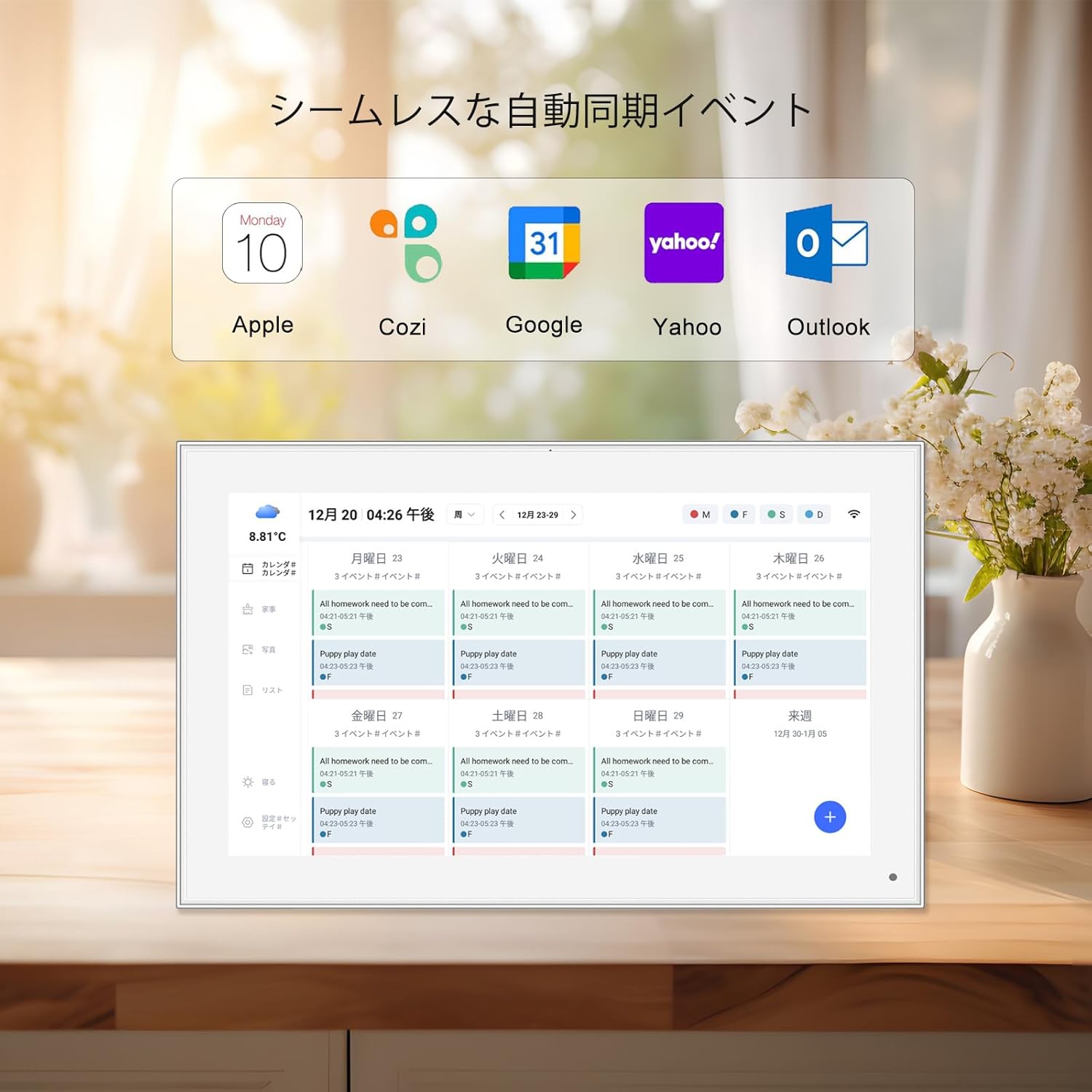
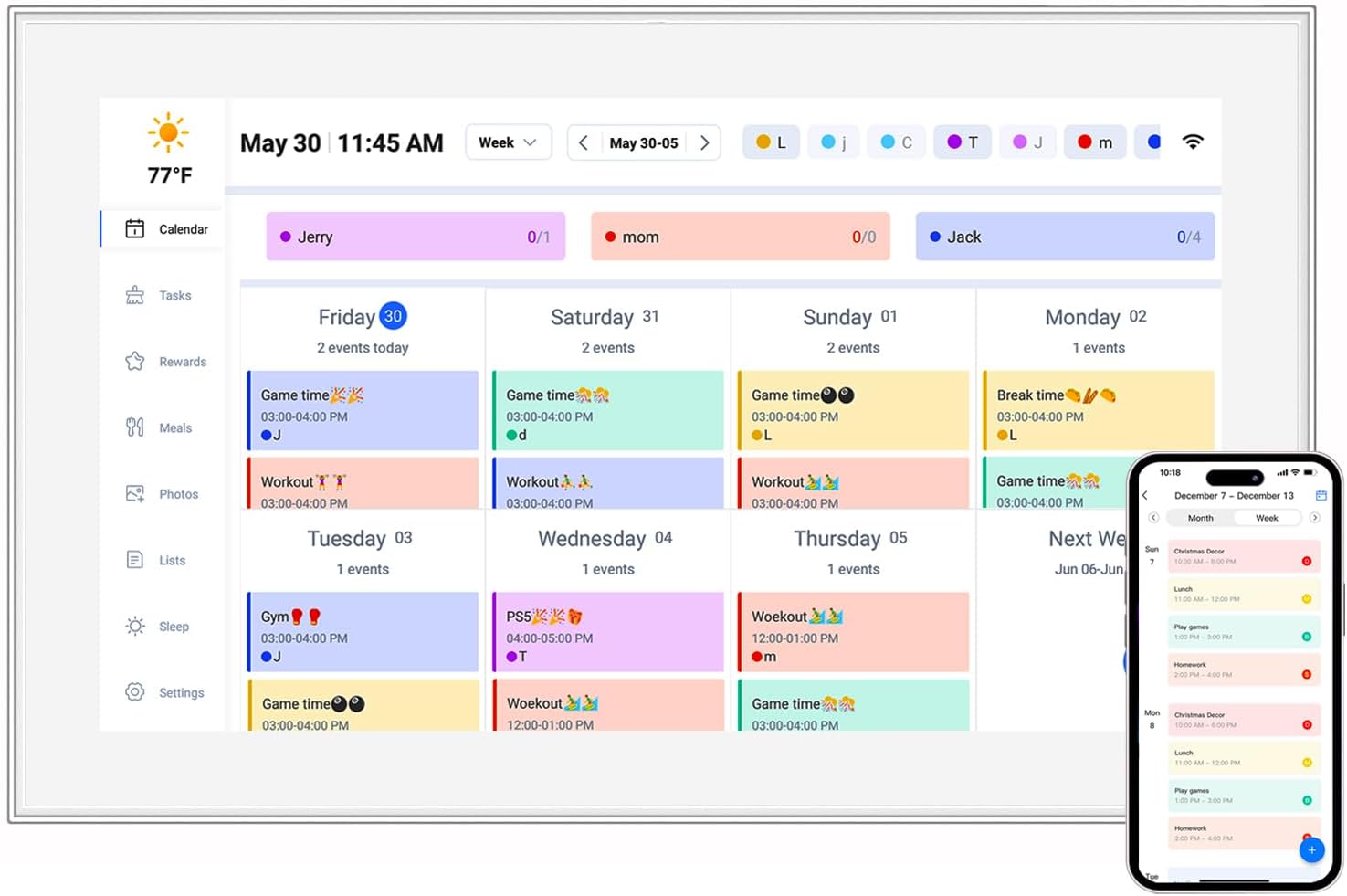
As technology evolves, incell portable smart TVs are only going to get better. We're already seeing trends like foldable screens (for even more portability), built-in AI assistants (think voice-controlled playback or hands-free navigation), and solar-powered batteries (reducing reliance on car chargers). Some manufacturers are even experimenting with displays that double as smart mirrors, showing weather updates or calendar reminders when not in use.
But perhaps the most exciting development is integration with smart car systems. Imagine your portable display syncing with your car's GPS to automatically pull up directions when you start the engine, or adjusting the volume based on how loud the road noise is. As cars become more connected, these displays will blur the line between "portable" and "built-in," offering the best of both worlds.
At the end of the day, an incell portable smart TV isn't just a gadget. It's a tool that transforms your time on the road from something to endure into something to enjoy. Whether you're keeping the kids happy, squeezing in work, or simply making the most of a solo adventure, these devices add a layer of convenience and joy that's hard to match with traditional car tech.
So, the next time you're gearing up for a drive, consider this: what if your car didn't just take you places, but also kept you connected, productive, and entertained along the way? With an incell portable smart display—like the versatile 24.5 inch portable monitor—that's not just a what-if. It's the new reality of life on the road.