Walk into any modern office, and you'll likely spot a familiar scene: desks cluttered with sticky notes, whiteboards covered in half-erased meeting times, and employees constantly glancing at their phones to check the next deadline. In a world where every minute counts, staying organized shouldn't feel like a full-time job. That's where the smart calendar clock terminal comes in—a yet powerful tool that's quietly transforming how teams manage time, stay connected, and boost productivity. More than just a clock or a calendar, this device blends functionality with simplicity, turning chaotic schedules into streamlined workflows. Let's dive into how this innovative gadget is becoming an essential part of the efficient office ecosystem.
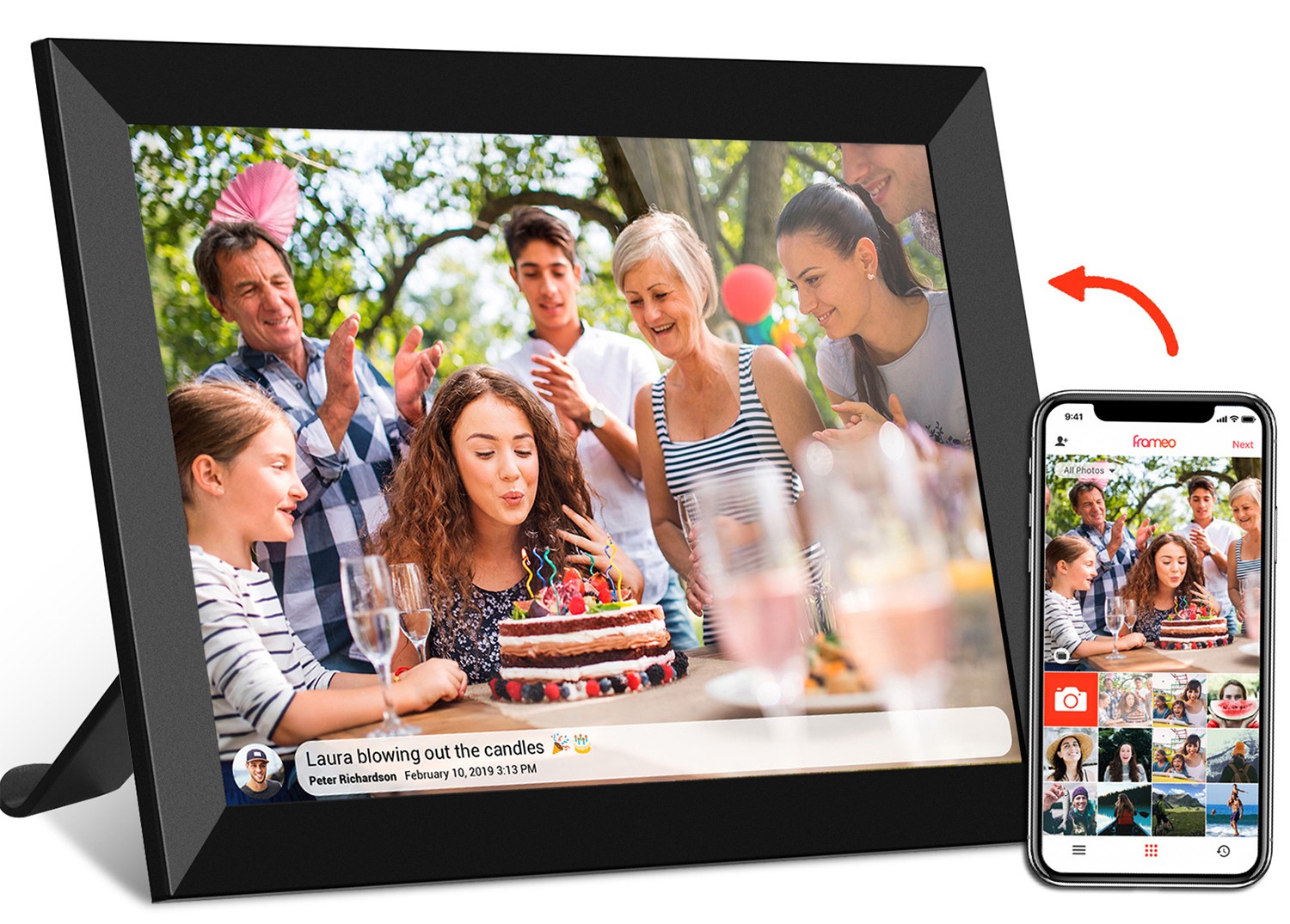
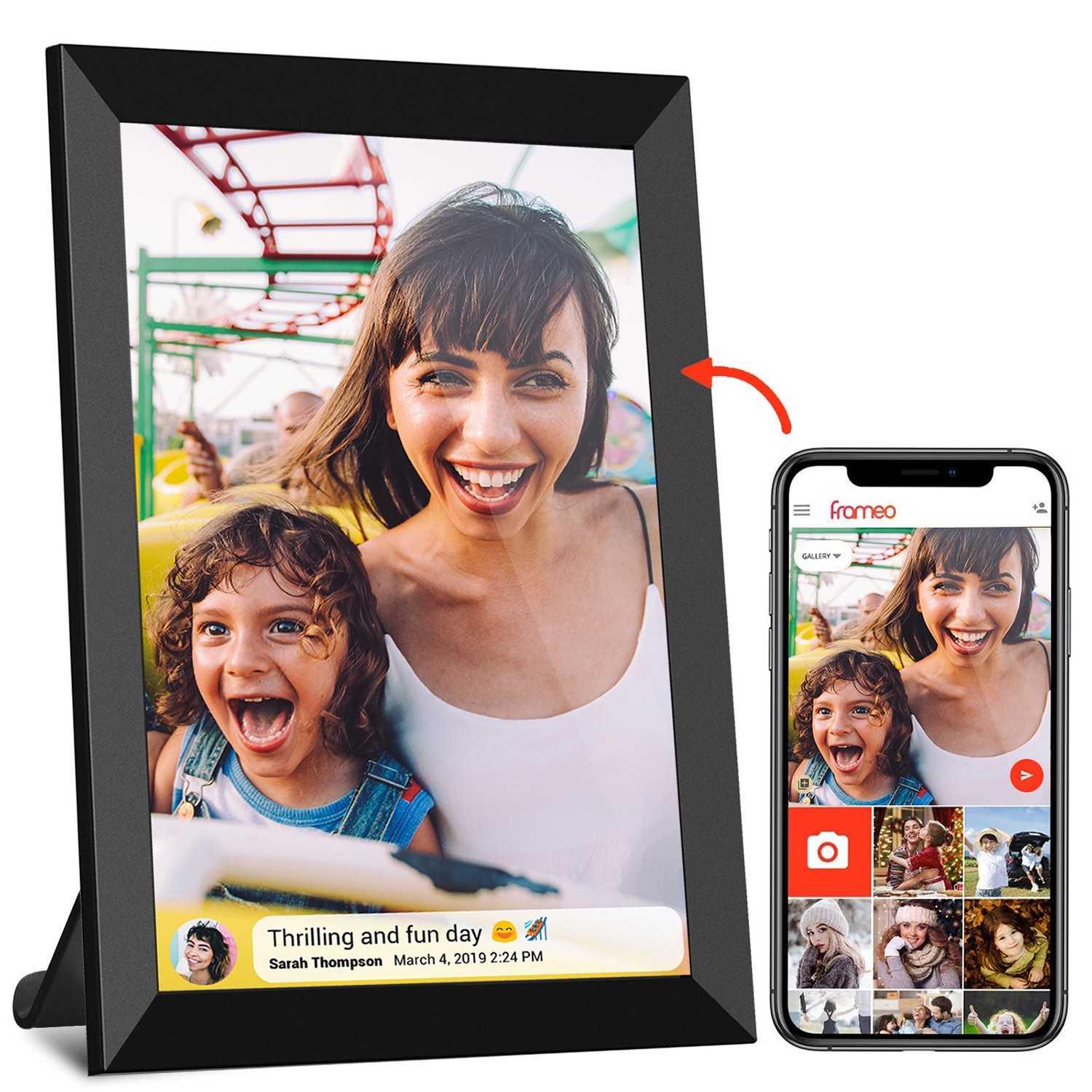
At first glance, you might mistake it for a sleek digital photo frame or a compact tablet. But a smart calendar clock terminal is designed with a singular purpose: to keep your office running like a well-oiled machine by merging timekeeping, scheduling, and communication into one intuitive device. Think of it as your office's "command center"—always visible, always updated, and always working to keep everyone on the same page. Unlike traditional desk clocks that only tell time or wall calendars that require manual updates, these terminals sync with your team's digital tools, display real-time information, and adapt to your unique workflow.
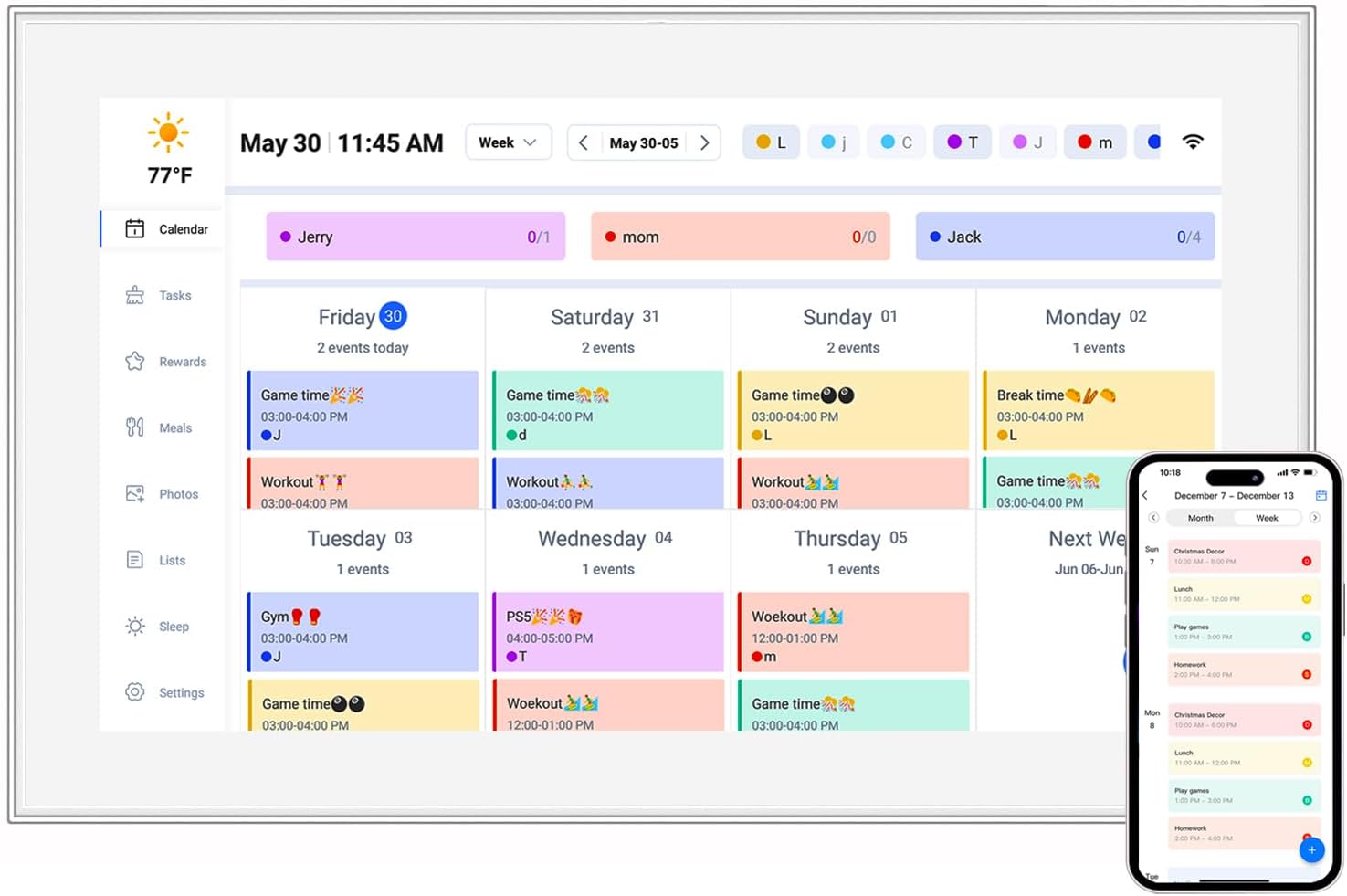
At its core, it's a calendar days clock with superpowers. Beyond showing the date and time, it can pull in meetings from your company's calendar app, send reminders for upcoming deadlines, display team announcements, and even integrate with project management software. It's not just about tracking time—it's about making time work for you.
What sets a smart calendar clock terminal apart from a basic desk clock or a phone app? Let's break down the features that make it indispensable in today's fast-paced offices:
Gone are the days of switching between a clock, a paper calendar, and a laptop to check your schedule. These terminals combine a crisp, easy-to-read time display with a dynamic calendar view. Whether you prefer a classic analog clock face or a digital readout with the day, date, and month, the display is customizable to fit your office's aesthetic. For example, the 15.6 inch digital calendar model offers a large, high-resolution screen that's perfect for shared spaces like meeting rooms, where everyone can quickly glance up to see the day's agenda. Smaller options, like the 10.1 inch digital calendar , are ideal for personal desks, offering the same functionality in a more compact size.
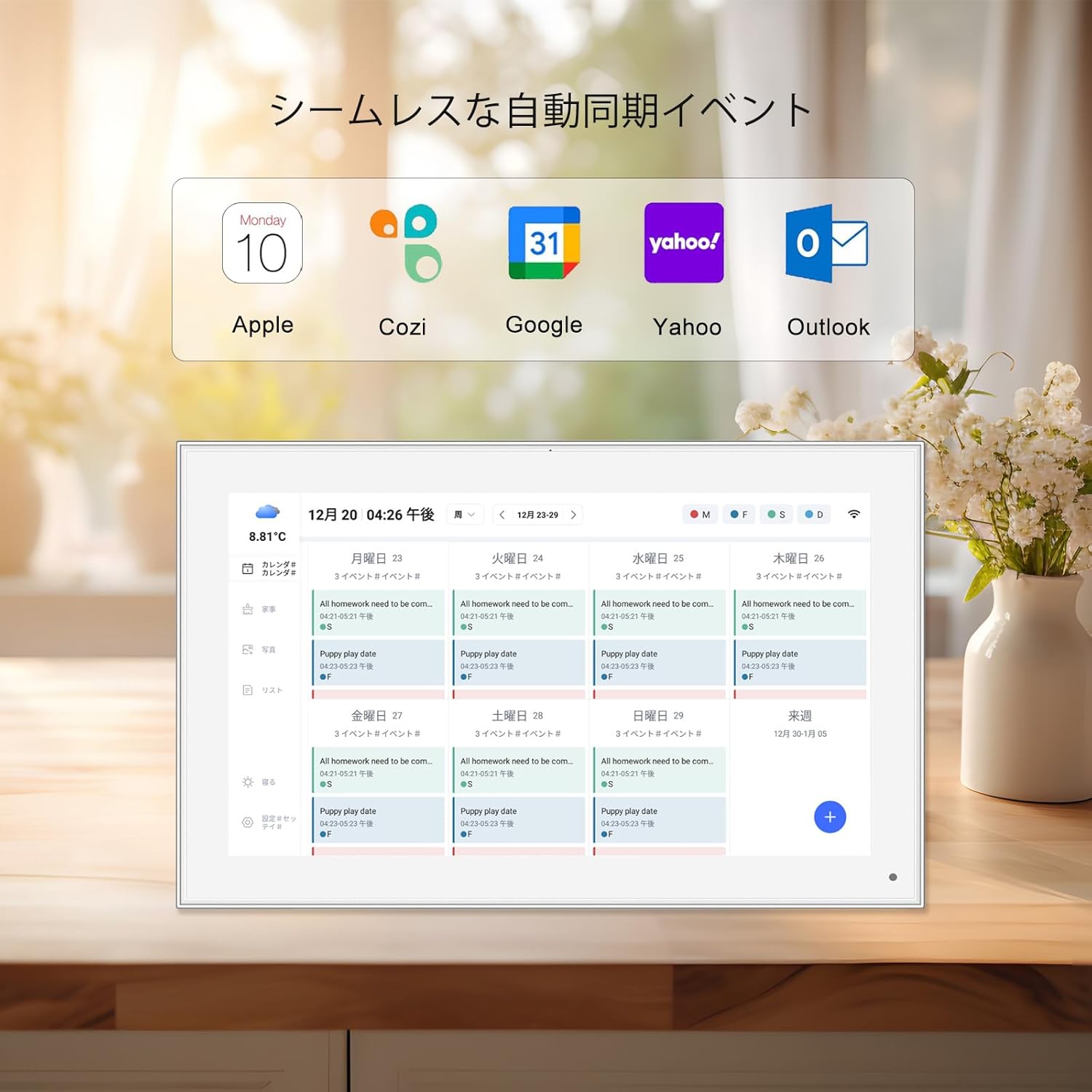
The magic happens when the terminal connects to your existing calendar tools—Google Calendar, Microsoft Outlook, Apple Calendar, or even team-specific platforms like Asana or Trello. Once synced, it automatically updates with new meetings, deadlines, or events. Forgot about that 2 PM client call? The terminal will flash a reminder 10 minutes before, complete with the meeting link and attendee list. No more missed appointments or last-minute scrambles to join a Zoom call.
Not all alerts are created equal. A smart calendar clock terminal lets you prioritize what matters. Set it to buzz gently for personal reminders (like "submit the quarterly report") and flash brightly for urgent team updates (like "server maintenance at 5 PM"). Some models even allow color-coding: red for deadlines, blue for meetings, and green for company announcements. It's like having a personal assistant who knows exactly what you need to focus on.
Modern offices run on collaboration, and these terminals play well with others. Many models connect to Slack, Microsoft Teams, or email, so you can see new messages or important emails without picking up your phone. Imagine sitting at your desk, and your terminal displays a notification: "Sarah just shared the project draft—review by EOD." No need to unlock your laptop; you can acknowledge it with a quick tap on the touchscreen, and the terminal will mark it as "seen."
Offices are getting smarter, and so is their furniture. The desktop tablet l-type series is a perfect example of design meeting functionality. These terminals feature an L-shaped stand that elevates the screen to eye level, reducing neck strain from constantly looking down at a phone or laptop. The compact base takes up minimal desk space, leaving room for your coffee mug, notebook, and the occasional stress ball. For reception areas or open-plan offices, wall-mounted versions keep the terminal visible without cluttering surfaces.
Still on the fence? Let's talk about the tangible ways a smart calendar clock terminal can transform your office's workflow. We've worked with dozens of teams, and here's what they report:
One marketing agency we worked with saw a 30% drop in missed meetings within the first month of installing these terminals. "Before, we'd have people joining 10 minutes late because they forgot to set a phone alarm," says their operations manager. "Now, the terminal by the conference room door flashes 15 minutes before, and everyone knows to wrap up their current task. It's like having a silent coordinator keeping us on track."
Phones are productivity killers—we all know it. Every time you check your phone for a calendar alert, you're one scroll away from getting sucked into social media or endless emails. A dedicated terminal keeps your schedule visible without the temptation of notifications from other apps. Employees report spending 20% less time on their phones during work hours, freeing up mental space for deep, focused work.
Shared terminals in common areas (like break rooms or near the printer) become informal communication hubs. Post a company announcement ("Office closed Friday for team retreat!") or a team milestone ("Congrats to the sales team for hitting Q3 targets!"), and everyone sees it. It's a low-pressure way to keep the team connected without adding another email to their inbox.
Starting a new job can be overwhelming. Where's the next training session? Who's the IT contact? A smart calendar clock terminal on a new hire's desk can be preloaded with their onboarding schedule, making the first week feel less chaotic. "It was like having a buddy on my desk," one new employee told us. "I never had to ask, 'When's the HR meeting?'—the terminal just told me."
| Feature | Traditional Tools (Sticky Notes, Wall Calendars) | Smart Calendar Clock Terminal |
|---|---|---|
| Updates | Manual (erase, rewrite, re-stick) | Automatic (syncs with digital calendars) |
| Reminders | None (you have to remember to check) | Customizable alerts (visual, audio, or both) |
| Space Usage | Cluttered (sticky notes everywhere, large wall calendars) | Compact (minimal desk/wall space) |
| Collaboration | Static (only visible to those near the desk/wall) | Shared (updates in real-time for the whole team) |
| Integration | None (isolated from digital tools) | Seamless (works with Google Calendar, Slack, Asana, etc.) |
Not all offices are the same, and neither are their needs. Let's break down two popular models to help you decide which fits your space:
With its large, 15.6-inch screen, this model is designed for visibility in busy areas. Think conference rooms, reception desks, or team hubs where multiple people need to check the schedule at once. The high-definition display ensures that even from across the room, you can read meeting times, participant names, and agenda details. It often comes with built-in speakers, so audio reminders (like "Team meeting starting in 5 minutes") can cut through office noise. Some versions even offer touchscreen functionality, letting you swipe between daily, weekly, or monthly views with a tap. For larger teams or open-plan offices, this is the workhorse of the bunch.
If you're tight on desk space or want a terminal that's just for you, the 10.1-inch model is the way to go. It's compact enough to sit alongside your laptop without feeling bulky, yet still large enough to display your daily schedule, to-do list, and important reminders. Many users love its portability—you can move it from your desk to a home office setup if you're hybrid working. It typically runs on Wi-Fi or Bluetooth, so you don't need a mess of cords, and the battery life lasts all day (no more hunting for an outlet). For individual contributors or small teams, this is the perfect balance of functionality and size.
And if you're looking for something with a bit more style, consider the desktop tablet l-type series . These models feature a sleek, L-shaped design that angles the screen upward, making it easier to read without craning your neck. The base is sturdy but slim, and they come in neutral colors like black, white, or wood grain to match your office decor. It's not just a tool—it's a design statement.
Smart calendar clock terminals aren't one-trick ponies. Here are a few scenarios where they've made the biggest impact:
We've all been in this situation: You book a conference room, but when you arrive, someone else is already there—they "forgot" to update the calendar. A 15.6 inch digital calendar outside the room displays real-time booking status: "2:00–3:00 PM: Marketing Team (Booked)," "3:00–4:00 PM: Free." No more awkward interruptions or double-booked rooms. Inside the room, another terminal shows the meeting agenda, shared notes, and even a countdown timer to keep discussions on track.
Imagine starting your day by glancing at your terminal: "9:00 AM: Client call (link ready), 11:00 AM: Draft blog post, 1:00 PM: Lunch with Sarah, 3:00 PM: Project deadline." It's like having a daily roadmap right in front of you. Throughout the day, it nudges you when it's time to switch tasks, so you stay focused instead of getting lost in a single email thread. One software developer told us, "I used to spend 10 minutes every morning planning my day. Now, the terminal does it for me. I just show up and work."
Visitors often judge an office by its reception area. A cluttered desk with a paper sign-in sheet feels outdated; a sleek 15.6 inch digital calendar displaying "Welcome! Today's Visitors: Mr. Smith (10:00 AM), Ms. Lee (2:30 PM)" feels professional and organized. Some terminals even let visitors check in themselves by tapping their name, sending an alert to the host's desk. It's a small touch that makes a big difference in how clients perceive your company.
Smart calendar clock terminals are just the beginning. As offices become more tech-integrated, we're seeing exciting innovations on the horizon. Imagine a terminal that syncs with your smart coffee maker, reminding you to grab a cup before your 9 AM meeting. Or one that integrates with office occupancy sensors, showing you which desks are free if you're looking for a quiet spot to work. Some manufacturers are even experimenting with AI-powered features, like suggesting the best time for a team meeting based on everyone's availability and productivity patterns.
For now, though, the biggest win is simplicity. In a world of overcomplicated tools, the smart calendar clock terminal does one thing and does it well: it helps your team stay organized, connected, and on time. It's not about replacing your favorite apps—it's about bringing the most important information to eye level, so you can focus on what really matters: doing great work.
At the end of the day, the question is: Will a smart calendar clock terminal actually improve your office's efficiency? From what we've seen, the answer is a resounding yes. Teams report less stress, better communication, and more time spent on meaningful work—all for a tool that costs less than a high-end laptop. Whether you opt for the compact 10.1 inch digital calendar for personal use or the 15.6 inch model for shared spaces, it's an investment in your team's productivity and well-being.
So, the next time you find yourself rushing to a meeting you forgot about, or staring at a messy desk covered in sticky notes, ask yourself: What if my schedule was just… visible? What if I didn't have to "remember" anything, because a smart terminal was there to remind me? That's the promise of the smart calendar clock terminal—not just to tell time, but to make every minute count.