Remember the last time you unboxed a new gadget? Chances are, you tossed the thick, text-heavy manual aside without a second glance. You're not alone. In a world where attention spans are shorter than ever—estimated at just 8 seconds, according to some studies—traditional paper manuals, with their tiny fonts and endless paragraphs, just don't cut it anymore. Brands are starting to realize this, and they're turning to something far more engaging: touch video manuals. These interactive tools aren't just about explaining how a product works; they're about telling a story, building a connection, and ultimately, boosting brand promotion in ways old-school manuals never could.
Gone are the days when a brand's promotional efforts relied solely on flashy ads or catchy slogans. Today's consumers crave authenticity and interaction. They want to feel like they're part of the brand's journey, not just passive buyers. Touch video manuals step into this gap perfectly. They combine the tangibility of physical marketing materials with the dynamic engagement of digital content, creating a unique experience that lingers in customers' minds long after the interaction ends. Let's dive into how these tools work, why they're a game-changer for brand promotion, and how you can leverage them to stand out in a crowded market.
So, what makes a touch video manual different from, say, a YouTube tutorial or a digital PDF? It's all about the blend of physical and digital. A touch video manual is a physical device—think a sleek video brochure, an acrylic motion video frame, or even a mini tablet embedded in packaging—that integrates a small screen with printed or tactile elements. When a user interacts with it—by opening the brochure, tapping the screen, or pressing a button—a video plays, guiding them through product features, usage tips, or brand narratives. Unlike static manuals, these tools don't just inform; they immerse.
Take the video brochure, for example. At first glance, it looks like a high-end pamphlet, with glossy images and brand colors. But open it up, and a 4.3-inch or 7-inch screen lights up, playing a 30-60 second video. It could be a demo of your product in action, an interview with your founder, or a customer testimonial. The best part? It's portable. Slip it into a client's hand at a trade show, mail it to VIP customers, or include it in product packaging—either way, it's a tangible reminder of your brand that recipients are unlikely to throw away.
Then there's the acrylic motion video frame. Sleek and modern, this device looks like a piece of art, with a clear acrylic frame that houses a screen. It's perfect for in-store displays: place it near your products, and it automatically plays looping videos that explain features or highlight promotions. Unlike traditional digital signage, which can feel impersonal, the acrylic frame blends into the environment, making the content feel more approachable. Imagine a cosmetics brand using one to show customers how to apply a new foundation—step-by-step, with close-up visuals—right there on the store shelf. It's interactive, helpful, and memorable.
Touch video manuals aren't just "cool gadgets"—they're strategic tools that drive real results for brand promotion. Here's why they work:
Let's be honest: reading a manual is boring. But watching a video? That's something people actually enjoy. Studies show that video content retains 95% of a message, compared to just 10% when reading text. Touch video manuals leverage this by turning product information into a mini-movie. Whether it's a 2-minute clip of your product solving a customer's problem or a behind-the-scenes look at your manufacturing process, video is inherently more engaging than text. And when customers are engaged, they're more likely to remember your brand and share their experience with others.
Consider this: a tech company launching a new portable monitor—the 24.5 inch portable monitor, for example—could include a video brochure in the box. Instead of a manual listing specs like "1920x1080 resolution" and "USB-C connectivity," the video shows a freelancer setting up the monitor in a coffee shop, switching between laptop and tablet seamlessly, and editing photos with crystal-clear clarity. Suddenly, the product isn't just a list of features; it's a tool that fits into the customer's lifestyle. That emotional connection is what turns first-time buyers into repeat customers.
Brands that thrive today aren't just selling products—they're selling stories. Customers want to know what you stand for, who's behind the brand, and how your products make a difference. Touch video manuals are the perfect platform to share these stories. Unlike traditional manuals, which focus solely on "how-to," touch video manuals can weave in your brand's values, mission, and personality.
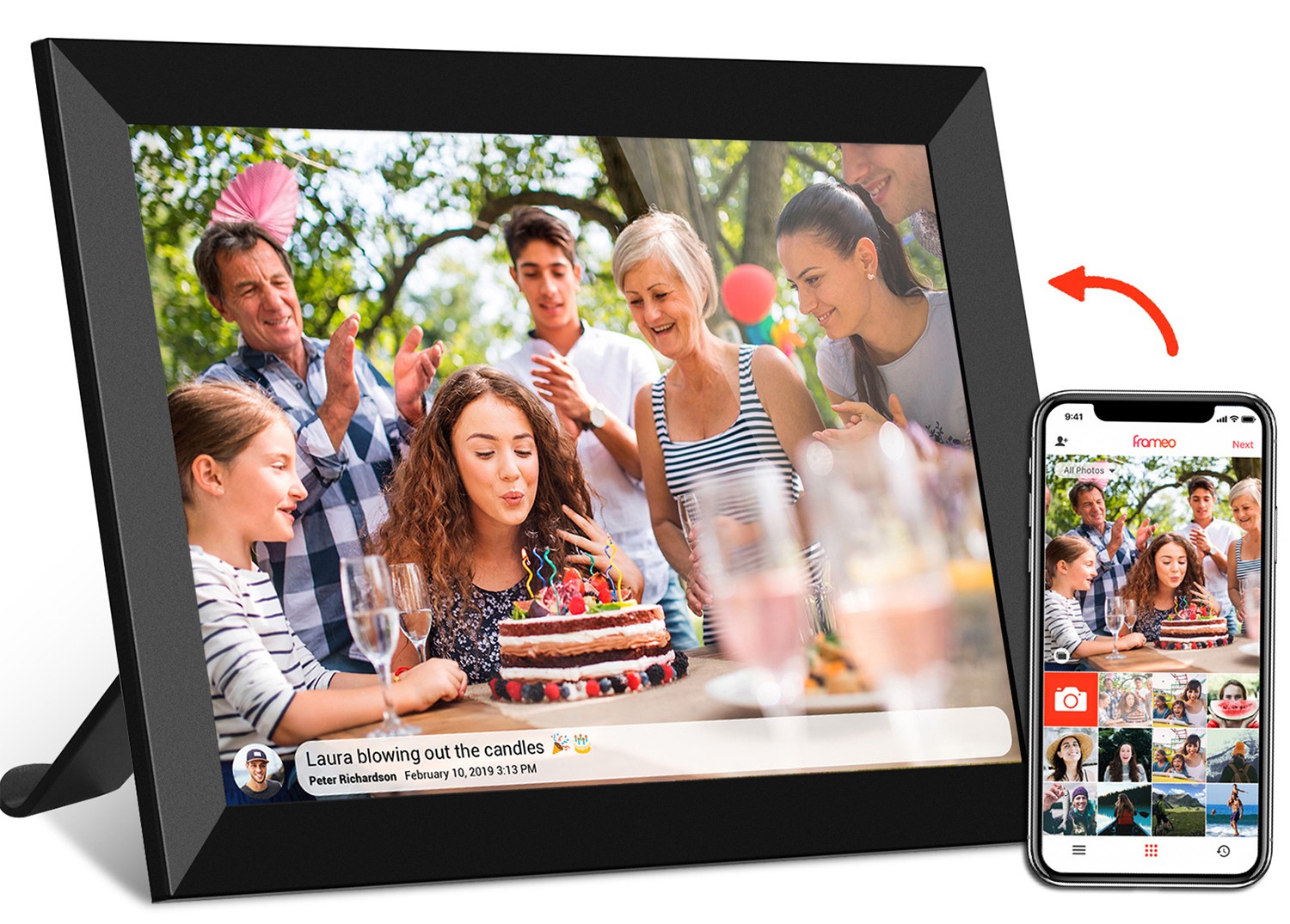
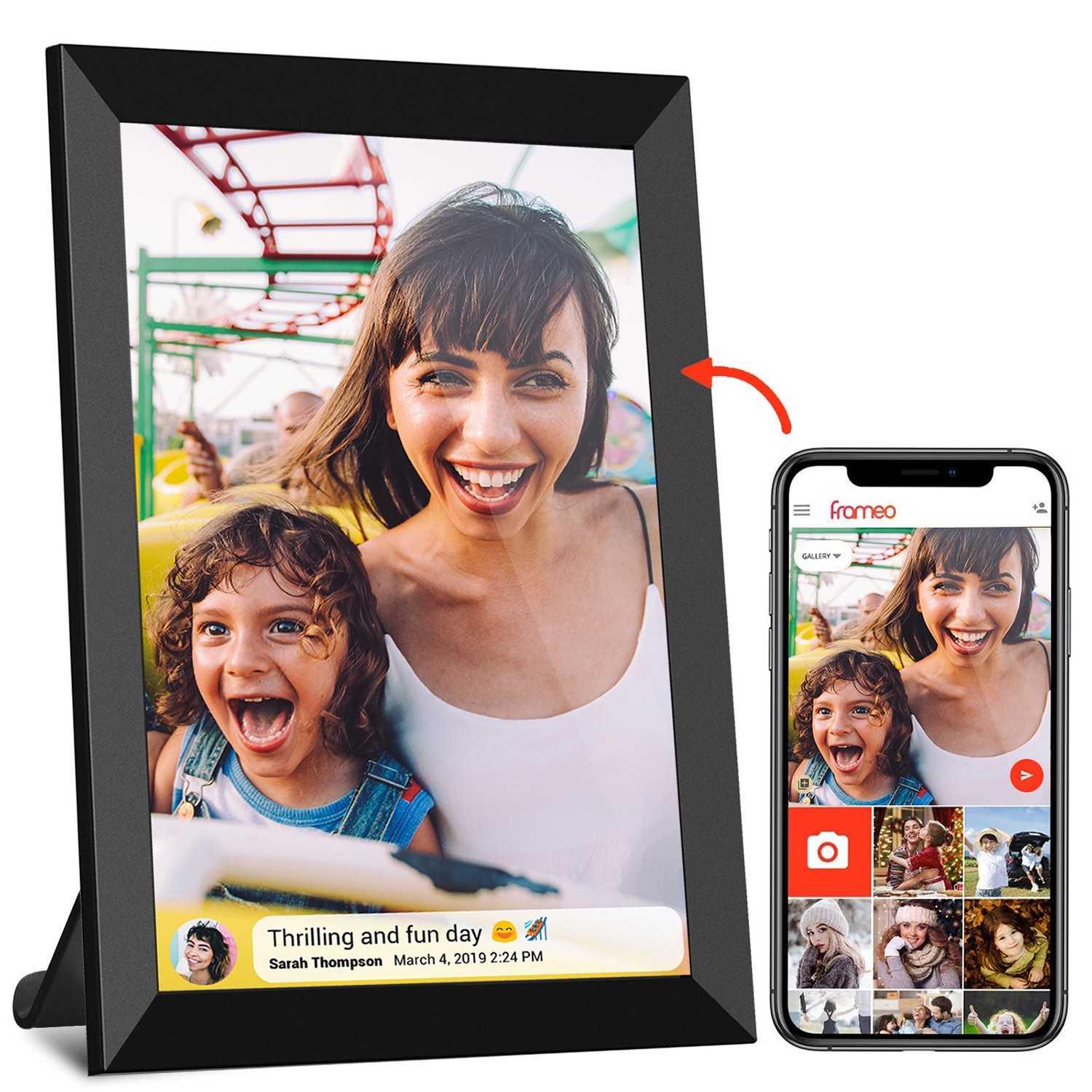
For instance, a company that sells frameo wifi digital photo frames—like the 10.1 inch frameo wifi digital photo frame—could use a touch video manual to tell a story about connection. The video might show a grandmother receiving the frame, tearfully watching photos of her grandchildren pop up via wifi, and then sending a photo back using the frame's touchscreen. It's not just about the frame's "32GB storage" or "1280x800 resolution"—it's about the love and connection it fosters. When customers associate your brand with positive emotions, they become loyal advocates.
In a world of generic marketing materials, touch video manuals feel luxurious. They signal that your brand cares about the customer experience, right down to the smallest detail. Receiving a video brochure or an acrylic motion video frame feels like getting a gift, not just a sales pitch. This premium feel elevates your brand's perceived value, making customers more willing to invest in your products and recommend them to others.
Think about it: if you're comparing two similar products, one comes with a flimsy paper manual, and the other includes a video brochure that plays a high-quality demo. Which one makes you feel like you're buying from a reputable, innovative brand? The answer is obvious. Touch video manuals don't just promote your product—they promote your brand as forward-thinking and customer-centric.
You might think touch video manuals are only for tech or retail brands, but that couldn't be further from the truth. They work across industries: healthcare, education, hospitality, even nonprofits. A healthcare android tablet manufacturer could use a touch video manual to train medical staff on using their device, with interactive tutorials that make complex features easy to understand. A wedding planner could send video brochures to couples, showcasing real weddings they've organized with video clips of venues, decor, and happy clients. The possibilities are endless.
Still skeptical? Let's look at how real brands are using touch video manuals to boost promotion and drive results.
A small tech startup was launching a new portable projector, the hy300 ultra projector. They had a limited marketing budget but wanted to make a big splash at a major trade show. Instead of spending thousands on a flashy booth, they invested in 500 video brochures. Each brochure opened to a screen playing a 2-minute video: footage of the projector displaying a movie on a bedroom wall, a business presentation in a small conference room, and even a backyard movie night with friends. The video highlighted the projector's key selling points—portability, brightness, and easy setup—in a way that a pamphlet never could.
The result? The startup ran out of brochures by the end of the first day. Attendees were so impressed that they shared photos and videos of the brochure on social media, generating organic buzz. Within a month, the company had secured 20+ wholesale orders, and their Kickstarter campaign exceeded its goal by 150%. The video brochure wasn't just a manual—it was a viral marketing tool.
A national clothing retailer was struggling to connect with younger customers. Their in-store displays felt outdated, and sales of their new sustainable fashion line were lagging. They decided to replace traditional posters with acrylic motion video frames placed near the sustainable collection. The frames played short videos: interviews with the farmers who grew the organic cotton, footage of the factory where garments were made (with fair labor practices highlighted), and customers explaining why they loved the clothes.
The impact was immediate. Foot traffic to the sustainable section increased by 40%, and sales jumped by 35% in the first month. Customers spent more time in the store, watching the videos and asking staff questions about the brand's sustainability efforts. Even better, many customers shared the videos on Instagram and TikTok, tagging the brand and spreading the message further. The acrylic motion video frames didn't just promote the clothes—they promoted the brand's values, turning casual shoppers into loyal, eco-conscious customers.
A family-owned electronics brand specializing in frameo wifi digital photo frames wanted to stand out during the holiday season. They knew their target market—grandparents and families—valued connection, so they created a touch video manual for their 21.5 inch wifi digital picture frame frameo with touch. The manual was a small, gift-like box that, when opened, played a video of a family's holiday gathering: kids opening presents, grandparents laughing, and photos being sent to the frame in real time. The video ended with the tagline, "This holiday, give the gift of 'I'm thinking of you.'"
They included the touch video manual in every frame sold and sent samples to parenting bloggers and influencers. The response was overwhelming. Bloggers raved about the "emotional unboxing experience," and customers left reviews like, "I cried when I saw the video—it's exactly why I bought this frame for my mom." Sales of the 21.5 inch frame doubled compared to the previous holiday season, and the brand's social media following grew by 200%. The touch video manual didn't just explain how to use the frame—it made customers feel like they were part of the brand's family.
| Feature | Traditional Paper Manuals | Touch Video Manuals |
|---|---|---|
| Engagement Level | Low—text-heavy, often ignored or discarded. | High—video and interactivity capture and hold attention. |
| Information Retention | Poor—users remember ~10% of text-based information. | Excellent—users remember ~95% of video content. |
| Brand Perception | Generic—signals "we didn't invest in the customer experience." | Premium—signals innovation, care, and attention to detail. |
| Storytelling Ability | Limited—focused solely on facts and instructions. | Strong—can convey emotions, values, and brand narratives. |
| Shareability | Low—no one shares a paper manual on social media. | High—unique and engaging, encouraging social media shares. |
| Cost Efficiency (Long-Term) | Initially cheap, but high replacement costs and low ROI. | Higher upfront cost, but higher engagement and sales drive better ROI. |
Ready to jump on the touch video manual bandwagon? Here's how to make the most of these tools:
Your touch video manual should tell a story that aligns with your brand's core values. If sustainability is key, focus on eco-friendly practices. If innovation is your USP, highlight cutting-edge features. The video should feel like an extension of your brand, not just a random sales pitch.
Attention spans are short, so aim for videos between 30 seconds and 2 minutes. Focus on one key message per video—don't try to cram everything in. For example, a video brochure for a 10.1 inch wireless wifi digital photo frame could focus on "how to send photos in 3 easy steps," while another video highlights "why our frame's screen is better for viewing photos."
Think about where your audience will interact with the manual. Trade shows? Mail them to prospects. Product packaging? Include them with high-end items. In-store? Use acrylic motion video frames or digital signage. The more targeted the distribution, the better the results.
Add a call-to-action (CTA) in your videos: "Share this with a friend who needs to see it!" or "Tag us in your unboxing video!" Make it easy for customers to share by including QR codes that link to your social media or a landing page with the video.
Track metrics like engagement (how many people watch the full video), social shares, and sales attributed to the touch video manual. Use this data to refine your content—if customers love a particular video, make more like it. If a certain distribution channel isn't working, pivot to another.
We'd be remiss not to mention the challenges. Touch video manuals do have a higher upfront cost than paper manuals. A video brochure can cost $5–$20 per unit, depending on screen size and quantity, while an acrylic motion video frame might run $100–$300. For small brands, this can seem daunting. But consider the ROI: if the manual boosts sales by even 10%, or reduces customer service calls (by making instructions clearer), it will pay for itself quickly.
Another challenge is content creation. You'll need high-quality videos, which may require hiring a videographer or investing in equipment. But you don't need Hollywood-level production—authentic, relatable content often performs better. A smartphone video with good lighting and a clear script can work wonders, especially for smaller brands.
Finally, there's the learning curve. If you're new to touch video manuals, you'll need to research suppliers, choose the right type of manual (video brochure, acrylic frame, etc.), and coordinate production. But many suppliers offer end-to-end services, from design to manufacturing, making the process easier than you might think.
As technology advances, touch video manuals will only get better. Imagine AI-powered manuals that tailor videos to the user—for example, a video brochure that plays different content for a tech-savvy millennial vs. a less tech-savvy senior. Or manuals with built-in QR codes that let users download additional content or connect with your brand online. The possibilities are endless.
But even today, without fancy add-ons, touch video manuals are a powerful tool. They bridge the gap between physical and digital marketing, creating experiences that are personal, engaging, and memorable. In a world where customers are bombarded with ads daily, standing out requires innovation—and touch video manuals deliver that in spades.
Traditional paper manuals are relics of the past. They're boring, ineffective, and do nothing to promote your brand's personality or values. Touch video manuals, on the other hand, are the future of customer communication. They engage, inform, and inspire—turning casual customers into loyal advocates and driving brand promotion in ways that feel authentic and meaningful.
So, what are you waiting for? Whether you're a tech startup launching a new portable monitor, a retail brand promoting sustainable fashion, or a family business selling frameo wifi digital photo frames, a touch video manual can transform how customers perceive your brand. It's not just about explaining your product—it's about telling your story, building connections, and leaving a lasting impression. And in today's competitive market, that's the key to success.