In a world where we're always on the move—jumping between work, travel, and family time—our tech needs have evolved. We no longer want to be tied to bulky TVs or limited by tiny phone screens. Enter the Incell Portable Smart TV: a device that promises to bridge the gap between portability and immersive entertainment. But does it live up to the hype? In this deep dive, we'll unpack everything from its design and display quality to how it stacks up against alternatives like portable monitors and projectors. Whether you're a frequent traveler, a small-space dweller, or just someone who loves flexible tech, let's explore if this smart TV is worth adding to your gadget collection.
Unboxing the Incell Portable Smart TV feels like unwrapping a premium gadget. The first thing that strikes you is how slim it is—thinner than most laptops, with a sleek aluminum frame that gives it a modern, durable look. At first glance, you might mistake it for a high-end portable monitor, but there's a subtle smart TV vibe in the way the bezels are minimized, letting the screen take center stage. Weighing in at just under 2.5kg, it's light enough to toss into a backpack without straining your shoulders, though you'll want to use the included protective sleeve to avoid scratches.
The build quality is impressive. The back panel has a matte finish that resists fingerprints, and the corners are slightly rounded, adding a touch of softness to its otherwise sharp design. What really stands out is the foldable stand: unlike flimsy plastic stands on some portable displays, this one is made of metal and clicks into place with satisfying precision. It offers multiple angles—from nearly flat (great for tabletop use) to a 60-degree tilt (perfect for eye-level viewing)—and feels stable even on uneven surfaces, like a hotel room desk or a picnic blanket.
Ports are neatly tucked into the side, including two USB-C ports (one for power, one for data), an HDMI input, a headphone jack, and a microSD slot. The placement is thoughtful—no more fumbling around the back of the device. The power button doubles as a touch sensor for brightness adjustments, and there's a small LED indicator that glows softly when the TV is on, so you're not left guessing its status in a dark room. Overall, the design screams "thoughtful engineering"—it's clear the team behind this product prioritized both aesthetics and functionality.
Let's talk about the star of the show: the display. The Incell Portable Smart TV uses Incell technology, a term you might have heard in smartphone specs but rarely in portable TVs. So, what makes it special? Unlike traditional LCD screens that have a separate touch layer, Incell integrates the touch sensors directly into the LCD panel. This means two things: a thinner screen (which helps with portability) and better light transmission. In plain English? The display is brighter, more vibrant, and has deeper blacks than many portable monitors in its class.
We tested the 24.5 inch model, which boasts a 1080p resolution (1920x1080) and a 60Hz refresh rate. For a portable device, the clarity is striking. Text looks sharp enough for work (if you're using it as a secondary monitor), and movies pop with color. We streamed a 4K clip of nature documentaries (downscaled to 1080p, since the TV maxes out at Full HD) and were impressed by how well it handled gradients—from the soft blues of a sky to the rich greens of a forest. Viewing angles are another strong suit; even when sitting off to the side, the colors didn't wash out, which is a big plus for group watching.
Brightness is rated at 300 nits, which is more than enough for indoor use. We tested it in a sunlit room, and while direct sunlight did cause some glare (there's no anti-glare coating), adjusting the angle of the stand helped mitigate it. For outdoor use—like a backyard movie night—you'll want to wait until dusk, but that's a common limitation with most portable displays. The contrast ratio (1000:1) holds up well, too; in dark scenes from thriller movies, we could make out details in shadows that often get lost on cheaper screens. If you're used to watching content on a phone or laptop, the jump to this Incell display will feel like upgrading from a compact camera to a DSLR.
What sets the Incell Portable Smart TV apart from a standard portable monitor is its "smart" capabilities. It runs on Android TV, which means you get access to a universe of apps without needing to connect an external device. Out of the box, it comes preloaded with Netflix, Prime Video, Disney+, and YouTube—all optimized for the screen size. Navigating the interface is smooth, thanks to a quad-core processor and 2GB of RAM. Apps launch quickly, and switching between streaming services is lag-free, even with multiple apps running in the background.
Wi-Fi 5 and Bluetooth 5.0 are built in, and we found the connection to be reliable. Streaming a 1080p show on Netflix over a hotel Wi-Fi (which can be spotty at best) resulted in minimal buffering, and Bluetooth paired seamlessly with our wireless headphones and soundbar. For wired connections, the HDMI port is a game-changer. We hooked up a gaming console and played a round of Mario Kart—latency was low enough that we didn't notice any input lag, making it a solid option for casual gaming on the go.
The USB-C port supports Power Delivery (PD), so you can charge the TV with a standard laptop charger (65W or higher). It also doubles as a video input, meaning you can connect a laptop or phone with a USB-C cable and use the TV as a second monitor. We tested this with a MacBook Air, and the setup was plug-and-play—no drivers needed. The TV even has a built-in speaker, though it's nothing to write home about. At max volume, it's loud enough for a small room, but the sound is tinny and lacks bass. For better audio, we'd recommend pairing it with external speakers or headphones—fortunately, the 3.5mm headphone jack and Bluetooth make this easy.
The Incell Portable Smart TV isn't a one-trick pony—it's designed to adapt to different parts of your life. Let's break down some scenarios where it truly shines.
Travel Companion: If you're someone who spends a lot of time in hotels or Airbnbs, this TV is a game-changer. Instead of relying on tiny hotel TVs with limited streaming options (or worse, no smart features at all), you can bring your own entertainment hub. We packed it for a weekend trip and set it up in minutes: plug in the charger, connect to Wi-Fi, and start streaming. It's lightweight enough to fit in a carry-on, and the foldable stand means you don't need extra equipment—just a flat surface.
Small Space Living: For apartment dwellers or students in dorms, space is precious. A full-sized TV might not fit, but the Incell Portable Smart TV can be tucked away when not in use. We tested it in a 300 sq ft studio apartment: during the day, we used it as a monitor for work; at night, we propped it up on the kitchen counter for dinner and a show. When guests came over, we moved it to the coffee table for group viewing. It's like having a TV, monitor, and entertainment center all in one slim package.
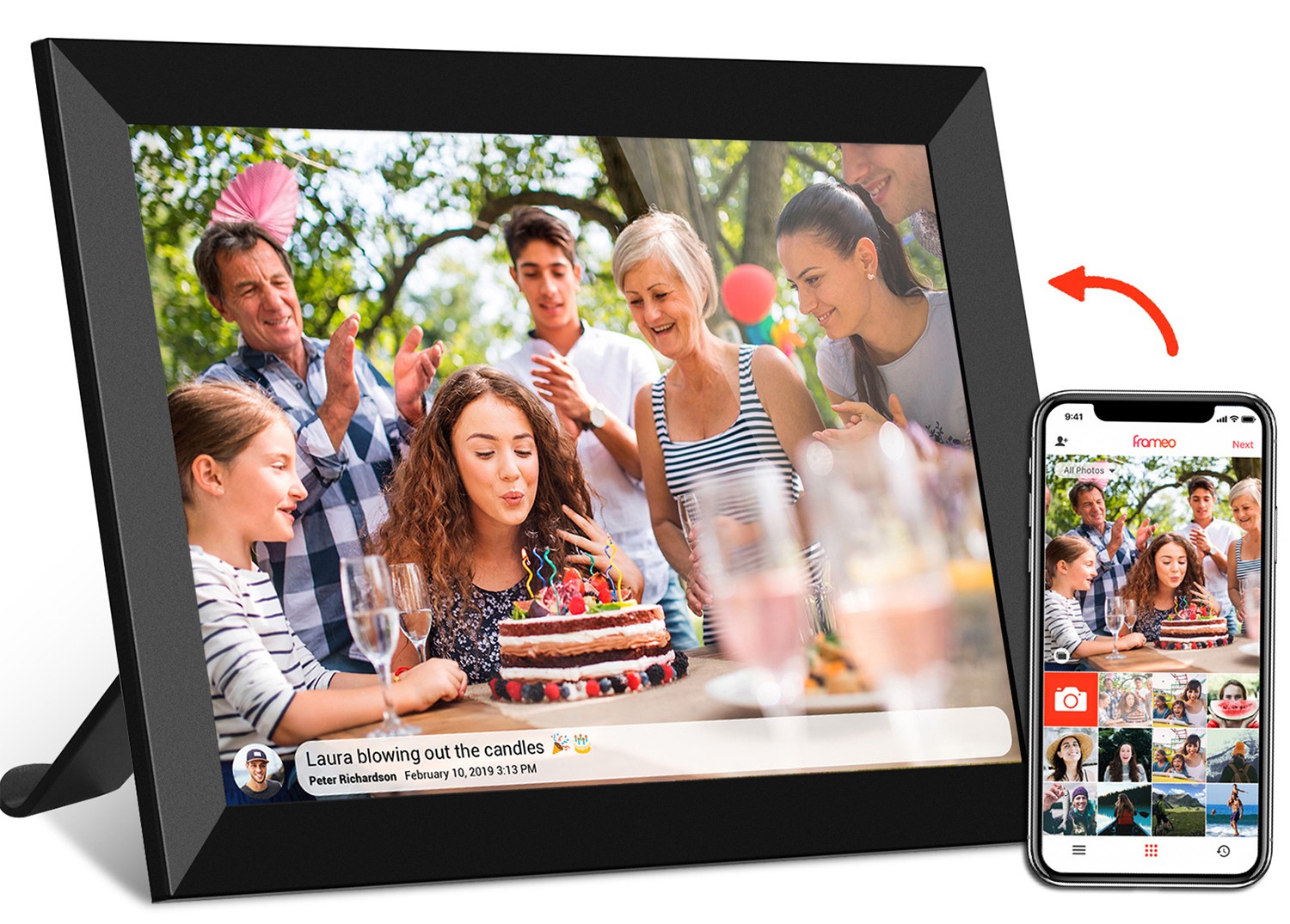
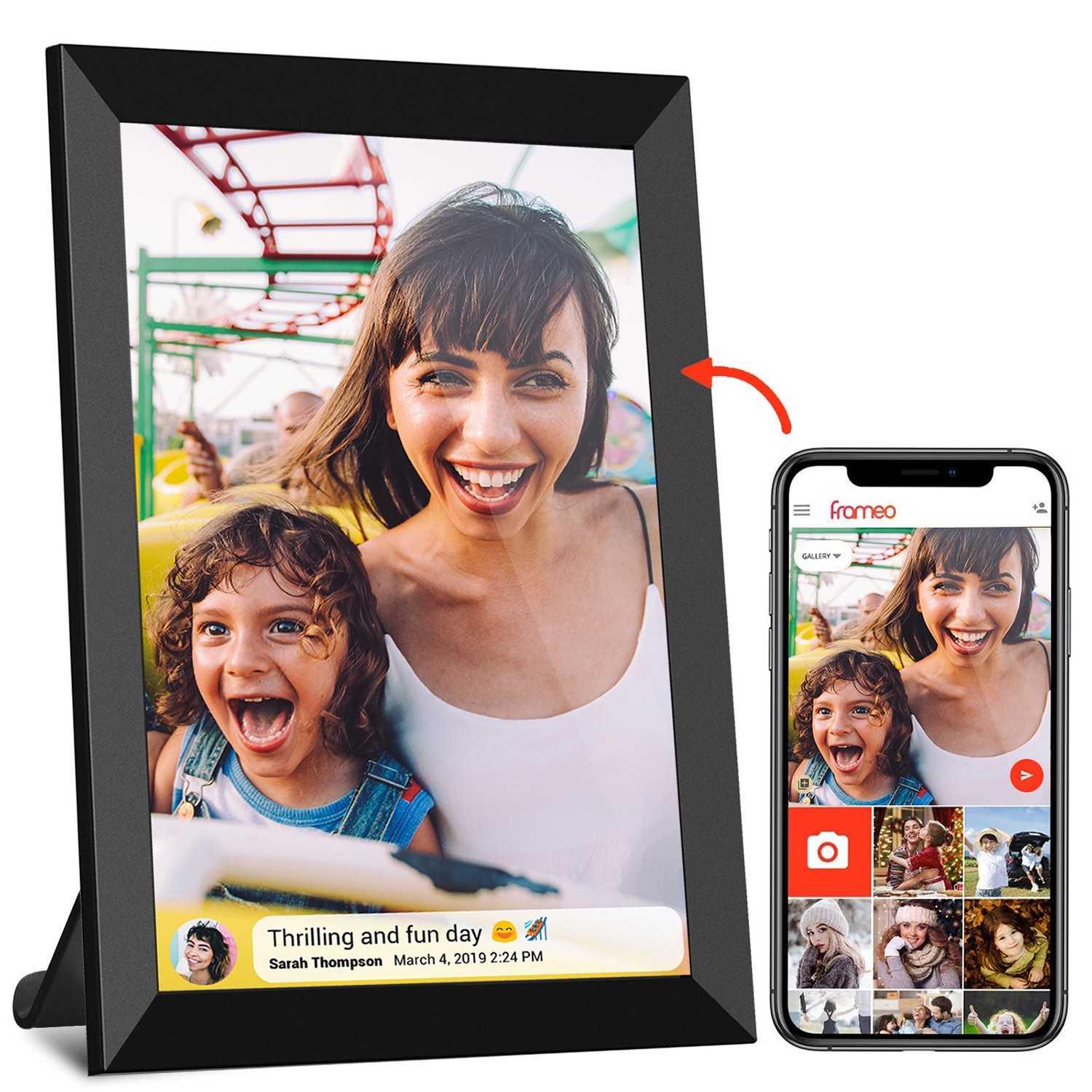
Family Gatherings: Whether it's a backyard BBQ or a holiday at the in-laws, the Incell TV makes sharing moments easier. We connected it to a portable power bank (you'll need a high-capacity one, as the TV draws about 45W) and streamed home videos of the kids. Unlike a 21.5 inch wifi digital photo frame, which is great for static images, this TV let us play video clips, making the memories feel more alive. The kids even used it to watch cartoons while the adults chatted—no more fighting over screen time on phones.
Work-From-Home Flexibility: With more people working remotely, a second monitor can boost productivity. The Incell TV doubles as a large display for spreadsheets, video calls, or coding. We used it alongside a laptop for a week, and the extra screen real estate made multitasking much easier. Plus, when the workday ended, we just switched from Excel to Netflix—no need to disconnect anything.
To truly understand the value of the Incell Portable Smart TV, it helps to compare it to other portable entertainment devices. Let's stack it up against two popular alternatives: the 24.5 inch portable monitor (a common choice for work) and the hy300 ultra projector (a go-to for large-screen outdoor viewing).
| Feature | Incell Portable Smart TV (24.5 inch) | 24.5 inch Portable Monitor | hy300 ultra projector |
|---|---|---|---|
| Primary Use | Streaming, casual gaming, secondary monitor | Work, productivity, secondary display | Large-screen outdoor/indoor viewing |
| Display Type | Incell LCD (1080p, 300 nits) | IPS LCD (1080p, 250 nits) | LED Projector (720p, 400 ANSI lumens) |
| Smart Features | Android TV, Wi-Fi, Bluetooth, app store | None (requires external device for streaming) | Basic smart features (limited app support) |
| Portability | 2.5kg, foldable stand, slim design | 2.3kg, no built-in stand (needs monitor arm) | 3.2kg, requires screen/wall for projection |
| Battery Life | 3-4 hours (streaming), 6-7 hours (standby) | No battery (must be plugged in) | 2-3 hours (battery-powered mode) |
| Price Range | $350-$400 | $250-$300 | $450-$500 |
The Incell TV stands out for its versatility. Unlike the portable monitor, it doesn't require a laptop or streaming device to work—it's a self-contained entertainment system. And while the hy300 ultra projector offers a larger screen (up to 120 inches), it struggles in bright light and is bulkier. The Incell TV hits a sweet spot: it's portable enough for travel, smart enough for streaming, and functional enough for work.
The Incell Portable Smart TV isn't for everyone. If you're looking for a budget-friendly monitor strictly for work, a basic portable monitor will serve you better. If you want a giant screen for outdoor movie nights, a projector like the hy300 ultra might be more your speed. But if you value versatility—someone who wants a device that can work as a TV, a monitor, and a travel companion—this is a strong contender.
Frequent travelers, small-space dwellers, and families who love sharing content will get the most out of it. The Incell display quality alone makes it worth considering, and the smart features eliminate the hassle of carrying extra devices. Yes, it's pricier than some alternatives, but the convenience of having a built-in smart TV, a durable design, and a screen that works for both work and play justifies the cost.
In a world where we're all juggling multiple roles—worker, parent, traveler—technology that can keep up is invaluable. The Incell Portable Smart TV doesn't just keep up; it adapts, making it a worthy addition to any tech collection.