Gone are the days when Android tablets were dismissed as "just bigger smartphones." Today, they're dynamic, (versatile) tools that bridge the gap between portability and productivity, seamlessly fitting into family life, business operations, and professional workflows. Whether you're a parent hunting for a kid-friendly device, a store owner upgrading to eye-catching digital signage, or a nurse needing a reliable tool for patient care, Android tablets offer a world of features tailored to your needs. In this guide, we'll walk through the core features that make Android tablets stand out, dive into specialized use cases, and help you understand what to look for when choosing the perfect one.
The first thing you notice about an Android tablet is its display—and for good reason. It's the window to everything you do, from streaming cartoons for the kids to managing meeting room schedules on digital signage. Let's break down what matters most.
Android tablets come in a range of sizes, but the sweet spot for most users falls between 7 and 13.3 inches. Smaller 7-inch models are ultra-portable, perfect for little hands (think kids tablets), while 10.1-inch screens strike a balance between usability and portability—great for both casual use and professional tasks like note-taking or patient chart reviews. Larger sizes, like 15.6 or 21.5 inches, are often reserved for specialized roles, such as digital signage or desktop replacements.
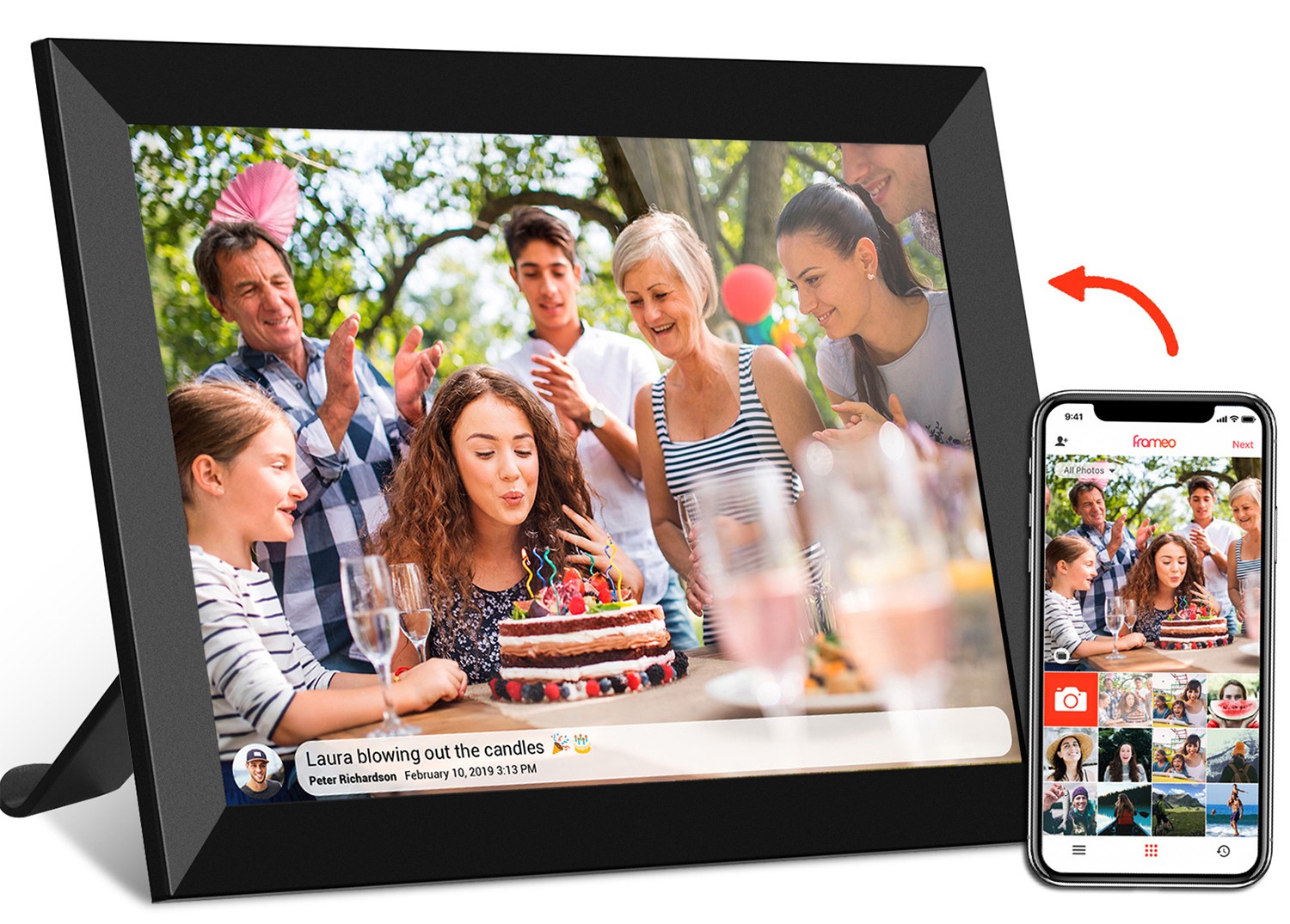
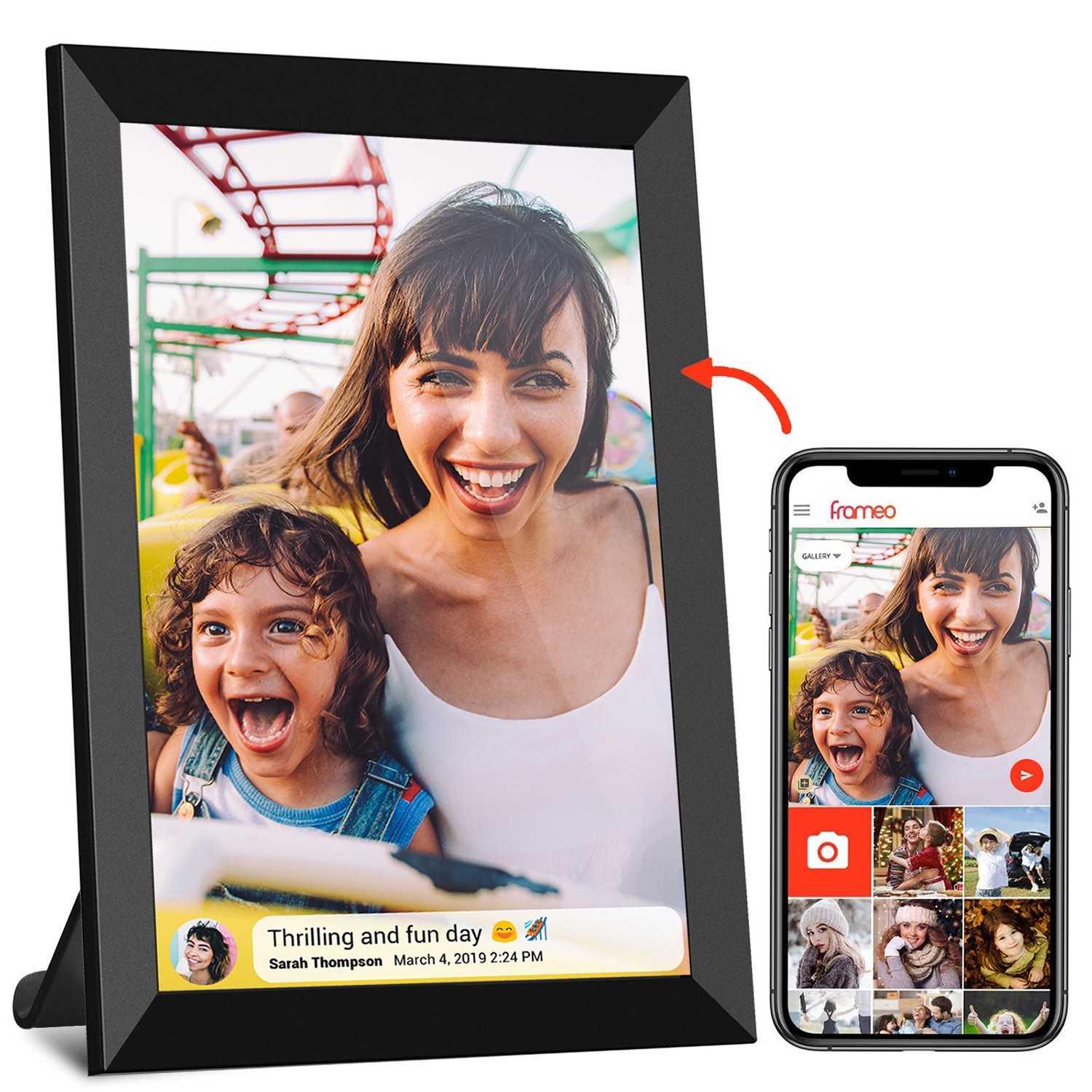
Resolution is equally important. A 10.1 inch LED digital photo frame might prioritize vibrant colors for photos, while a healthcare android tablet needs sharp text for reading medical records. Most modern tablets offer at least 1920x1080 (Full HD) resolution, ensuring crisp images and legible text even from a distance—critical for signage viewed by customers or patients.
Touch responsiveness can make or break the experience. Look for tablets with capacitive multi-touch screens (supporting 10+ points) for smooth navigation, whether you're scrolling through a kids' storybook app or swiping through slides on a meeting room tablet. For digital signage, some models add touch capabilities to let customers interact with menus or product info—like a 21.5 inch wifi digital picture frame with touch that doubles as a self-service kiosk.
Durability is another key factor, especially for kids tablets and healthcare use. Many kids tablets feature reinforced frames and shatter-resistant glass to withstand drops, while healthcare models often have antimicrobial coatings to repel germs—a must in hospitals and clinics where cleanliness is paramount.
A tablet's performance determines how smoothly it handles everything from loading apps to streaming 4K videos. Let's demystify the specs that matter.
The processor (or CPU) is the tablet's brain, and more cores generally mean better multitasking. For basic use—like a kids tablet running educational apps—a quad-core processor (e.g., MediaTek Helio G35) works well. But for heavier tasks, such as Android tablet digital signage playing high-res videos or a healthcare tablet running multiple EHR apps simultaneously, aim for an octa-core chip (like Qualcomm Snapdragon 662 or higher). These processors handle complex tasks without lag, ensuring your signage doesn't freeze mid-presentation or your medical app doesn't crash during a patient consult.
RAM (Random Access Memory) is like your tablet's short-term memory. For kids tablets or simple signage, 2GB RAM is sufficient, but if you're multitasking—say, video calling on a healthcare tablet while referencing patient data—4GB or more is better. Tablets with 6GB+ RAM are ideal for power users, like designers or IT admins managing multiple signage displays.
Storage is where you keep apps, photos, videos, and files. Kids tablets often start at 32GB, which is enough for a handful of games and educational apps, but if your child loves downloading new content, look for expandable storage via microSD (up to 128GB or more). For digital signage, 64GB+ is better to store large video files and avoid constant reloading. Some premium tablets even offer 128GB or 256GB of built-in storage, perfect for healthcare tablets that need to cache patient records offline.
Android's flexibility is what sets it apart. Unlike closed systems, Android lets you customize almost everything, from home screen layouts to app permissions, making it ideal for diverse use cases.
Modern Android versions (11 and above) come packed with features that enhance usability. Split-screen mode lets you run two apps side by side—great for a healthcare professional checking a patient's vitals on one screen and typing notes on the other. For kids tablets, Google Kids Space offers a curated environment with age-appropriate apps, videos, and books, plus parental controls to set screen time limits and block inappropriate content.
Digital signage benefits from Android's enterprise features, like kiosk mode, which locks the tablet to a single app (e.g., your signage software) to prevent tampering. Some tablets even support over-the-air (OTA) updates, so you can push software fixes or content updates to all your signage displays remotely—no need to manually update each device.
With access to the Google Play Store, Android tablets have millions of apps at their fingertips. Kids will love educational apps like ABCmouse and Khan Academy Kids, while healthcare professionals can use HIPAA-compliant apps for EHR access. Digital signage apps (e.g., ScreenCloud, NoviSign) let you design and schedule content with drag-and-drop ease, and most work seamlessly with Android's built-in Wi-Fi and Bluetooth.
Google services like Drive, Photos, and Calendar integrate smoothly, too. A healthcare tablet can sync patient notes to Google Drive, while a digital signage display can pull real-time data (like weather or news) from Google services to keep content fresh.
A tablet is only as good as its ability to connect—whether to the internet, accessories, or other devices. Here's what to look for.
Wi-Fi is standard on all Android tablets, but not all Wi-Fi is created equal. Wi-Fi 6 (802.11ax) offers faster speeds and better range, which is a game-changer for digital signage in large spaces like malls or hospitals. For tablets on the go—like a healthcare android tablet used in ambulances or remote clinics—cellular connectivity (4G LTE/5G) ensures you're always connected, even without Wi-Fi.
USB-C has become the universal port, replacing older micro-USB. It supports fast charging, data transfer, and even display output—so you can hook your tablet up to a monitor for presentations. For digital signage, Power over Ethernet (POE) is a standout feature: it delivers both power and internet via a single Ethernet cable, eliminating the need for separate power outlets. This is a lifesaver for installations like ceiling-mounted signage or meeting room displays where plug access is limited.
Bluetooth 5.0 is another must-have, enabling stable connections to accessories like wireless keyboards (for productivity), barcode scanners (healthcare), or game controllers (kids tablets). Some tablets even include NFC (Near Field Communication) for quick tasks like tapping to share files or authenticate access to secure areas.
No one wants a tablet that dies halfway through the day. Battery life depends on usage, but most Android tablets offer 6–10 hours of screen time. Kids tablets, with their smaller screens and less powerful processors, often last even longer—great for long car rides or rainy afternoons. Digital signage, which runs 24/7, might require external power, but some models with low-power displays can run on battery for 12+ hours during demos or temporary setups.
Healthcare android tablets often prioritize battery longevity, with capacities up to 10,000mAh and features like low-power mode to extend life during shifts. Fast charging is another plus—many tablets charge from 0–50% in under an hour, so you can top them up during a quick break.
What makes Android tablets truly special is their adaptability. Let's explore three standout use cases where they shine.
Kids tablets are designed with little ones in mind, blending durability, safety, and learning. Parental controls are a top priority—apps like Google Family Link let you set daily screen time limits, approve app downloads, and even track usage from your phone. Many models also include kid-proof cases with built-in stands, so you don't have to panic when the tablet takes a tumble.
Educational content is another highlight. Preloaded apps teach math, reading, and creativity, while features like "Learn Mode" reward progress with badges or games. Some kids tablets even come with extras, like a kids instant print camera, letting children snap photos and print them out to color or share—bridging the digital and physical worlds. With prices starting around $100, they're an affordable way to keep kids entertained and learning.
Gone are the days of static posters—Android tablet digital signage lets businesses display dynamic content, from promotions to real-time updates. These tablets are built for reliability, with features like POE support (for easy installation), bright displays (500+ nits) for visibility in stores or lobbies, and remote management software to update content across multiple screens.
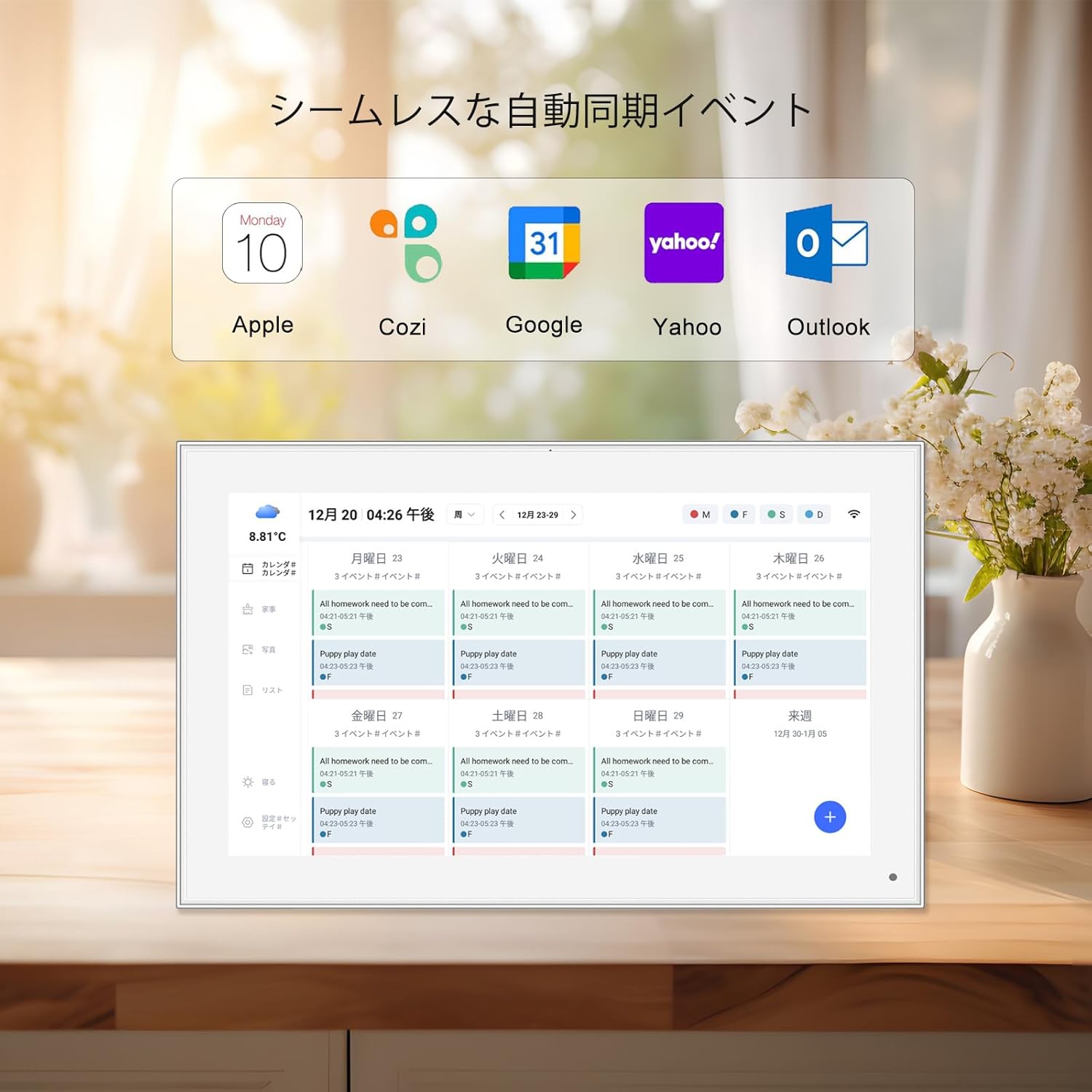
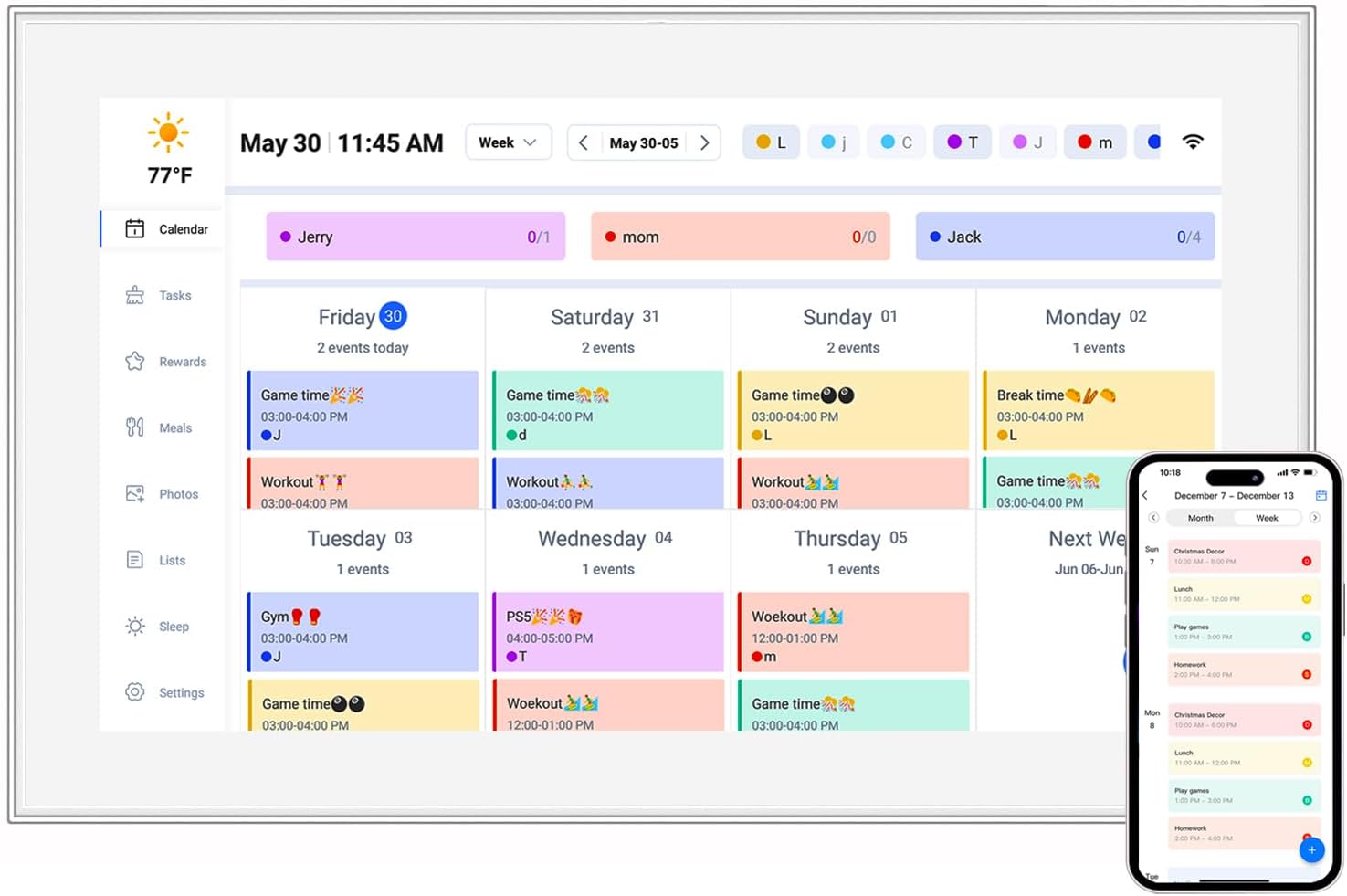
Common sizes include 10.1 inch (desktop displays), 21.5 inch (wall-mounted signs), and 43 inch (large floor-standing units). Meeting room digital signage is a popular niche—tablets with touchscreens let teams book rooms, share agendas, and even video call, all from one device. For retail, interactive signage can show product videos or let customers browse inventory, boosting engagement and sales.
In healthcare, Android tablets streamline workflows and improve patient interactions. Designed for medical environments, they often feature antimicrobial coatings to prevent germ spread and rugged builds to withstand frequent cleaning with disinfectants. Sunlight-readable displays ensure visibility in patient rooms, while long battery life keeps them running through 12-hour shifts.
Integration with EHR (Electronic Health Record) systems is key—nurses and doctors can access patient charts, update vitals, and even prescribe medications on the go. Some models include barcode scanners to quickly verify medications, reducing errors. For patients, tablets offer entertainment (movies, games) and communication tools, making hospital stays a little more comfortable.
| Use Case | Primary Feature | Key Specs | Ideal Size | Must-Have Features |
|---|---|---|---|---|
| Kids Tablet | Parental Controls & Durability | 2GB+ RAM, 32GB Storage, Reinforced Casing | 7–10.1 inch | Google Family Link, Educational Apps, Kid-Proof Case |
| Android Tablet Digital Signage | Remote Management & POE | 4GB+ RAM, 64GB Storage, POE Support | 10.1–24 inch | Kiosk Mode, Bright Display (500+ nits), CMS Compatibility |
| Healthcare Android Tablet | Antimicrobial Design & EHR Integration | 4GB+ RAM, 64GB Storage, 10,000mAh Battery | 10.1–13.3 inch | Sunlight Readability, HIPAA-Compliant Apps, Fast Charging |
With so many options, how do you pick the perfect Android tablet? Start by defining your needs: Are you buying for a child, a business, or professional use? Here's a quick checklist:
Android tablets have evolved from niche gadgets to essential tools, adapting to the unique needs of families, businesses, and professionals. Whether you're a parent watching your child learn through a kids tablet, a store owner engaging customers with dynamic digital signage, or a nurse delivering better care with a healthcare android tablet, there's an Android tablet designed for you.
With their vibrant displays, customizable software, and long-lasting batteries, these devices prove that technology is at its best when it's flexible, accessible, and human-centered. So, whether you're upgrading an old tablet or buying your first, remember: the best Android tablet isn't just about specs—it's about how it fits into your life.