In today's fast-paced world, static posters and printed notices just don't cut it anymore. Digital signage has emerged as a dynamic, versatile tool that transforms how businesses, healthcare facilities, educational institutions, and organizations communicate with their audiences. From eye-catching floor standing digital signage in shopping malls to compact android tablet digital signage in boutique stores, these displays offer unparalleled flexibility—delivering real-time updates, interactive content, and personalized messages that engage, inform, and inspire. But deploying digital signage successfully isn't a matter of just buying a screen and hitting "play." It requires careful planning, the right partners, and a deep understanding of your goals. In this guide, we'll walk you through every step of the process, ensuring your digital signage deployment is not just effective, but truly impactful.
Before diving into hardware or software, take a step back and define the "why" behind your digital signage project. Successful deployment starts with clear goals, a deep understanding of your audience, and a realistic assessment of your environment.
What do you want to achieve with your digital signage? Are you looking to boost brand awareness, drive sales, improve internal communication, or enhance the customer experience? For example, a retail store might use digital signage to showcase new products and promotions, while a hospital might prioritize patient education and wayfinding. Your goals will dictate everything from the type of content you create to the hardware you choose. Write them down, make them specific (e.g., "increase in-store product inquiries by 15%") and measurable—this will help you track success later.
Who will be viewing your digital signage? A 10.1 inch android tablet digital signage display in a pediatric clinic will need bright, engaging content tailored to kids and parents, while a 43 inch commercial digital signage screen in a corporate lobby should focus on professional, brand-aligned messaging. Consider demographics (age, interests, tech-savviness), behavior (how long do they? Are they in a hurry?), and needs (what information do they seek?). For instance, commuters in a train station might only glance at a screen for 5 seconds, so content must be concise and visually striking.
Where will your digital signage live? Indoor environments like offices or hospitals have different requirements than outdoor spaces exposed to sunlight, rain, or extreme temperatures. For example, a floor standing digital signage unit in a busy mall needs to be durable enough to withstand accidental bumps, while a healthcare android tablet in a patient room must be easy to clean and sanitize. Lighting is another critical factor: glare from windows or overhead lights can make content unreadable, so opt for high-brightness screens (1,000 nits or more) for well-lit areas. Finally, consider power and connectivity—will your display need access to Wi-Fi, Ethernet, or PoE (Power over Ethernet)? This will impact installation logistics later.
Your digital signage supplier is more than just a vendor—they're a partner in your success. The right supplier will not only provide quality hardware but also offer expertise, customization options, and ongoing support. Here's what to look for:
Reliability: Digital signage is often running 24/7, so hardware must be built to last. Ask about the supplier's track record—do they offer warranties? What's their average product lifespan? A reputable supplier will stand behind their products, offering at least a 1-3 year warranty on displays and components.
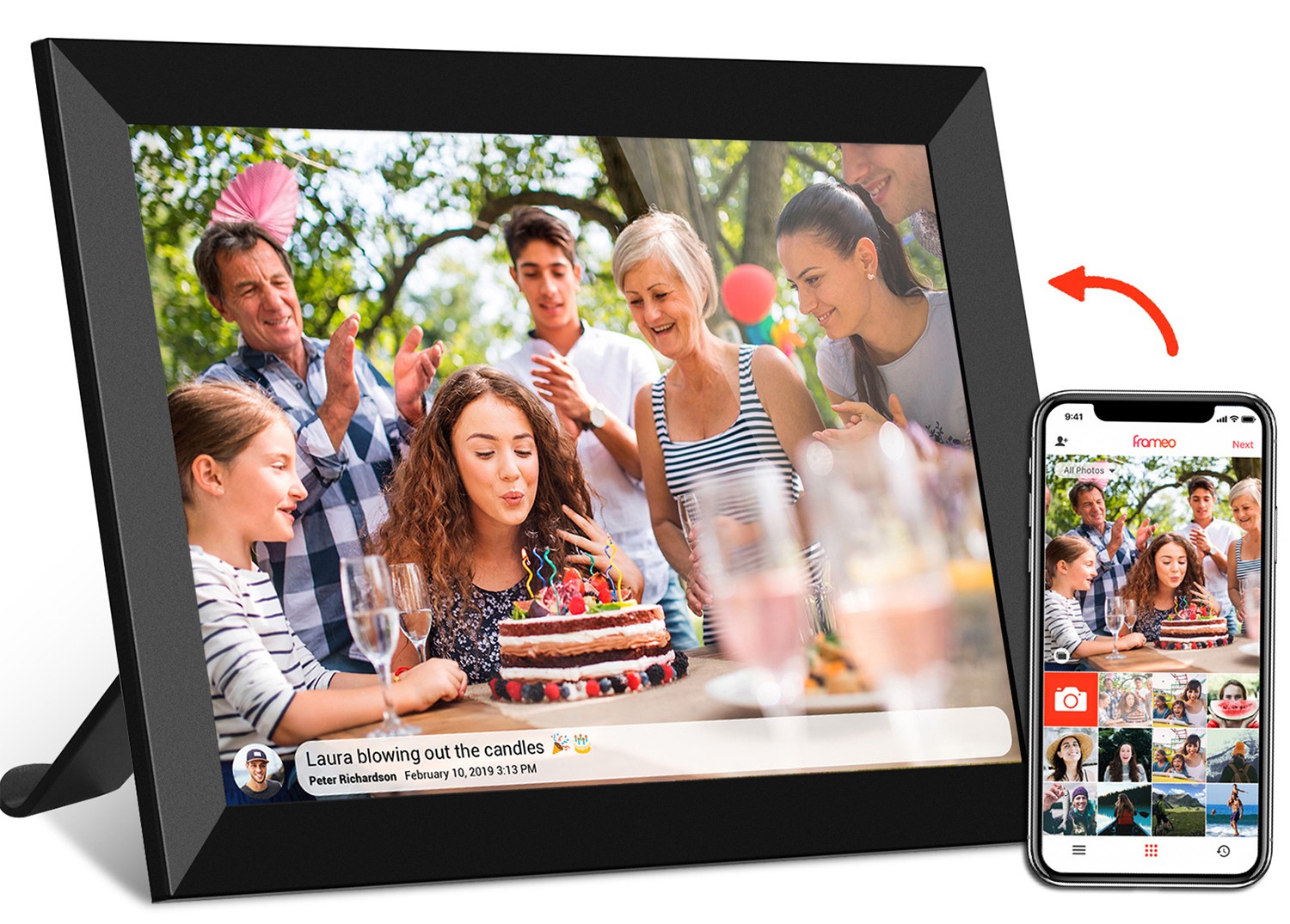
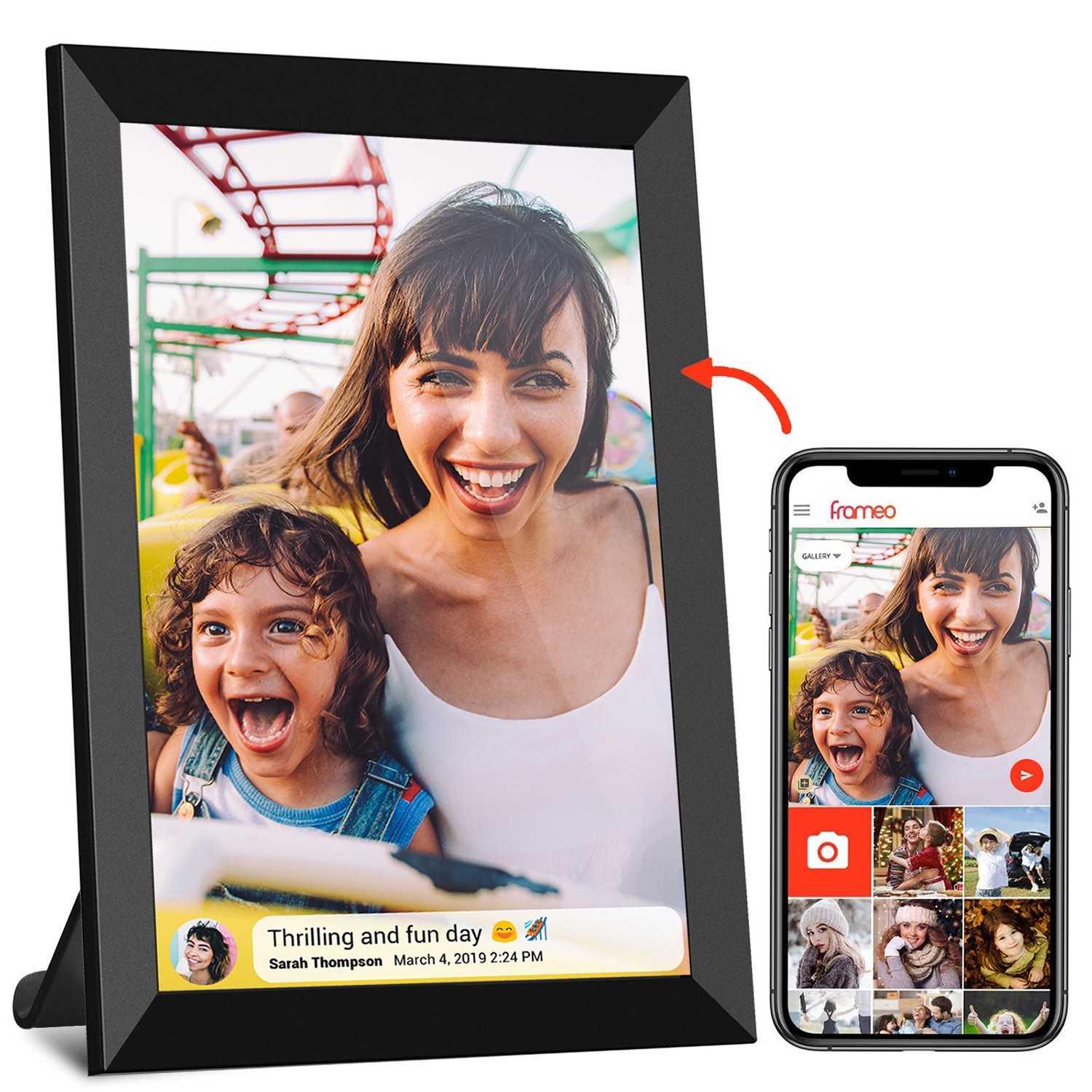
Customization: Every business is unique. Does the supplier offer tailored solutions? For example, if you need a 10.1 inch frameo wifi digital photo frame with a private mold for your brand, or a healthcare android tablet with antimicrobial coating, they should be able to accommodate custom requests.
Support: Technical issues are inevitable. Look for suppliers with responsive customer support, ideally 24/7, and resources like online tutorials, user manuals, or dedicated account managers. Avoid suppliers who disappear once the sale is made—you'll need help troubleshooting, updating software, or replacing parts down the line.
Range of Products: A good supplier should offer a variety of options to fit your needs, from compact android tablet digital signage for small spaces to large floor standing digital signage for high-traffic areas. If you're planning to scale (e.g., adding more screens in different locations), ensure the supplier can support your growth with consistent hardware and software.
Steer clear of suppliers who push "one-size-fits-all" solutions—your business isn't generic, and your signage shouldn't be either. Be wary of rock-bottom prices, too; cheap hardware often means lower quality displays, shorter lifespans, and limited support. Instead, prioritize value: a slightly higher upfront cost for a reliable, customizable solution will save you money on repairs and replacements in the long run.
Now comes the fun part: choosing the hardware. Digital signage displays come in all shapes, sizes, and technologies, each suited to different use cases. Let's break down the most popular options, including some you might recognize from our keyword list.
Most digital signage uses either LCD (Liquid Crystal Display) or LED (Light Emitting Diode) technology. LCDs are cost-effective, energy-efficient, and ideal for indoor use, with sizes ranging from 7 inches to 98 inches. LED displays, on the other hand, offer brighter, more vibrant colors and are better suited for outdoor or large-scale installations (think stadium screens or billboards). For most businesses, LCD is the way to go—unless you need extreme brightness or a seamless, bezel-free video wall.
Digital signage isn't one-size-fits-all. Here are the most common form factors, and when to use them:
As the name suggests, floor standing digital signage is a freestanding unit designed to stand on the ground, making it perfect for high-traffic areas like malls, airports, or convention centers. Sizes typically range from 43 inches to 55 inches or more, with a sturdy base to prevent tipping. These displays are attention-grabbing, often featuring full HD or 4K resolution, and can be interactive (with touchscreens) or non-interactive. Pros: Highly visible, no mounting required, ideal for temporary events. Cons: Take up floor space, may require professional installation to secure. Best use case: Retail promotions, product launches, or guiding foot traffic in large venues.
For smaller spaces or more intimate settings, android tablet digital signage is a game-changer. These compact displays (usually 7 inches to 15.6 inches) run on the Android operating system, making them easy to integrate with apps, cloud-based content management systems (CMS), and other software. They're lightweight, portable, and can be wall-mounted, placed on desktops, or even used as countertop displays. For example, a café might use a 10.1 inch android tablet to display their menu, while a hotel lobby could use one to showcase local attractions. Pros: Affordable, easy to install, highly customizable via apps. Cons: Smaller screen size limits visibility from a distance. Best use case: Small businesses, boutique stores, or as secondary displays in larger environments.
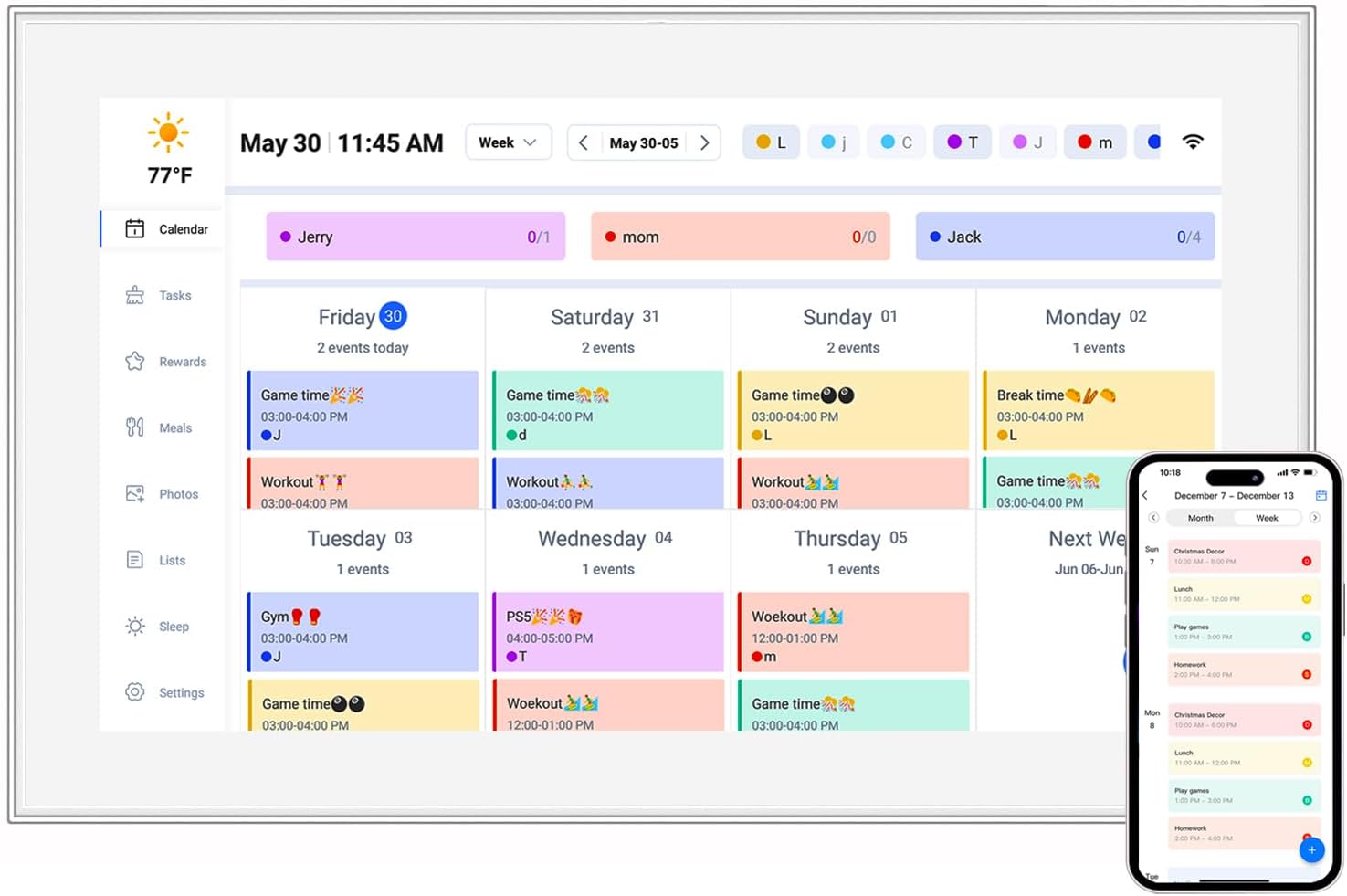
Power over Ethernet (PoE) technology has revolutionized corporate communication with poe meeting room digital signage. These displays receive both power and data through a single Ethernet cable, eliminating the need for separate power outlets and reducing cable clutter. Sizes range from 10.1 inches to 21.5 inches, and they're perfect for conference rooms, huddle spaces, or offices. Imagine walking into a meeting room and seeing a screen displaying the day's agenda, room availability, and even real-time updates from your team's Slack channel—all powered by PoE. Pros: Simplified installation, reduced wiring, easy to manage remotely. Cons: Requires a PoE-enabled switch or injector. Best use case: Corporate offices, universities, or any space where seamless connectivity and minimal setup are priorities.
| Type | Key Features | Pros | Cons | Best Use Case |
|---|---|---|---|---|
| Floor Standing Digital Signage | 43-55+ inches, freestanding, high visibility | Attention-grabbing, no mounting needed | Bulky, takes up floor space | Malls, airports, retail promotions |
| Android Tablet Digital Signage | 7-15.6 inches, Android OS, portable | Affordable, customizable, easy to install | Small screen limits distance visibility | Cafés, boutiques, hotel lobbies |
| PoE Meeting Room Digital Signage | 10.1-21.5 inches, PoE-powered, single-cable setup | Reduced clutter, remote management | Requires PoE infrastructure | Conference rooms, corporate offices |
When selecting hardware, don't overlook screen size and resolution. A 21.5 inch wifi digital photo frame might work for a small office, but a busy retail store would need a larger display to attract attention. As a rule of thumb, the screen should be visible from the farthest viewing distance—measure the space and calculate accordingly. Resolution is equally important: 1080p (Full HD) is standard for most displays, but 4K is worth investing in for larger screens (27 inches or more) to ensure sharp, clear content. Finally, check connectivity options: Wi-Fi is convenient for remote locations, but Ethernet (or PoE) offers more reliable, secure connections—critical for real-time content updates.
Great hardware is nothing without great content—and the right software makes creating, managing, and deploying that content a breeze. Here's what you need to know about digital signage software.
A CMS is the backbone of your digital signage setup, allowing you to create, schedule, and update content from anywhere, at any time. Cloud-based CMS platforms (like ScreenCloud, NoviSign, or Yodeck) are popular for their flexibility—you can manage multiple displays remotely, set content schedules (e.g., morning vs. evening promotions), and even integrate data from third-party apps (like social media feeds or weather updates). On-premise CMS solutions, on the other hand, are hosted locally and offer more control over data security—ideal for organizations with strict compliance requirements (like healthcare or finance). When choosing a CMS, look for features like drag-and-drop content creation, analytics (to track views and engagement), and compatibility with your hardware (e.g., does it work with Android tablets or PoE displays?).
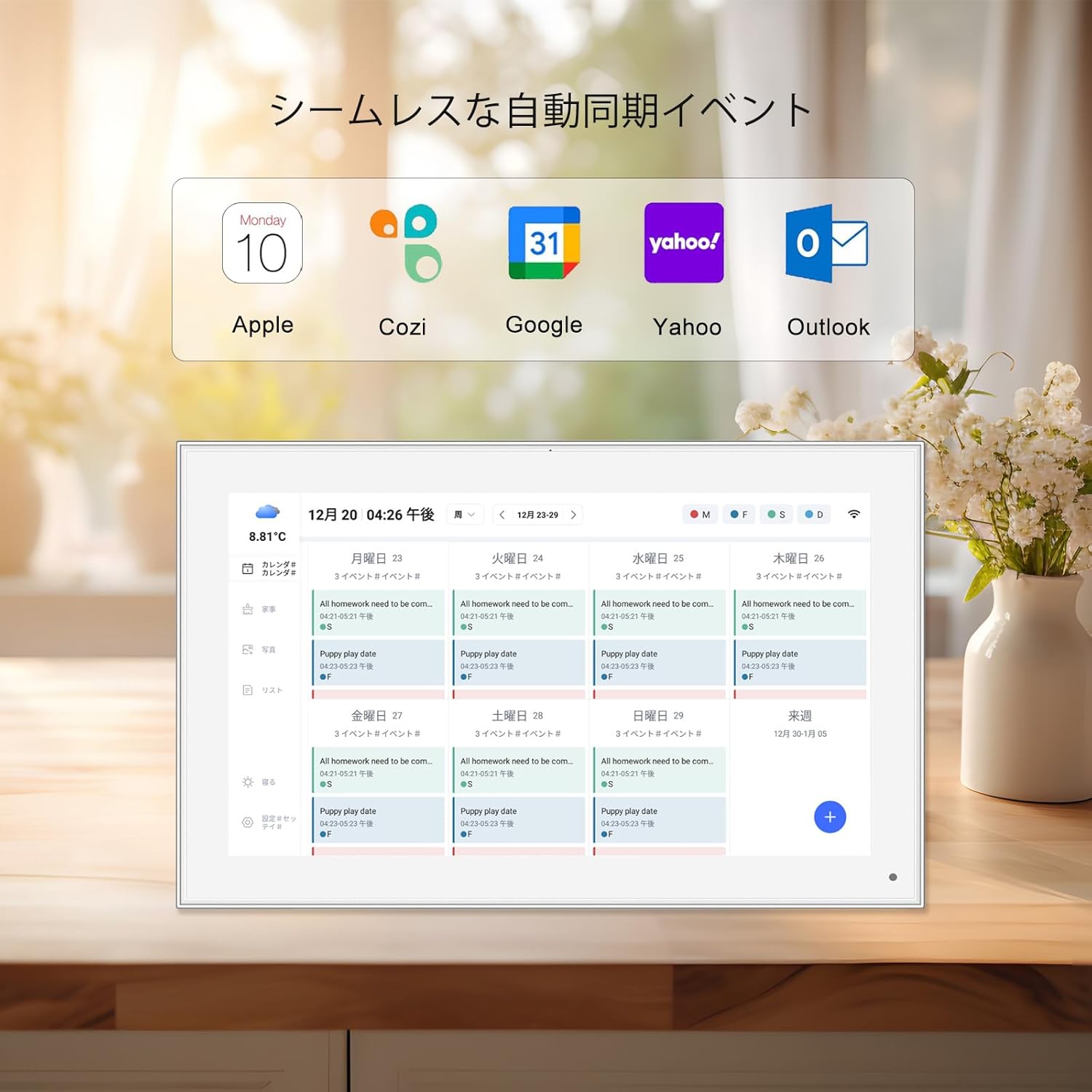
Your digital signage shouldn't exist in a silo. Look for software that integrates with the tools you already use, like Google Calendar (for meeting room signage), Shopify (for retail promotions), or patient management systems (for healthcare android tablets). For example, a hospital's CMS could pull data from their EHR (Electronic Health Record) system to display personalized patient messages on bedside tablets, such as "Dr. Smith will see you at 3 PM today." Integration saves time, reduces manual errors, and ensures content is always up-to-date.
Not everyone on your team will be a tech expert, so choose software with an intuitive, user-friendly interface. Look for features like pre-built templates (for quick content creation), easy scheduling, and simple troubleshooting tools. Some CMS platforms even offer mobile apps, allowing you to manage your signage on the go—perfect for busy managers or business owners.
You've planned, chosen your supplier, selected hardware and software—now it's time to install your digital signage. Proper installation ensures your displays work reliably, look professional, and deliver the best possible experience for your audience.
Before installation day, conduct a final site survey to confirm power sources, network connectivity, and mounting locations. For floor standing digital signage, ensure the area is clear of obstacles and that the floor can support the unit's weight. For wall-mounted displays (like android tablet digital signage), use a stud finder to locate secure mounting points and measure twice to avoid mistakes. If you're using PoE meeting room digital signage, test the Ethernet connection to ensure it's PoE-enabled and can handle the display's power requirements (most PoE switches deliver 15-30 watts—check your display's specs!).
The height and angle of your digital signage can make or break visibility. For most displays, the center of the screen should be at eye level for your target audience—around 5-6 feet off the ground for adults, lower for kids. Avoid placing screens too high (e.g., near the ceiling) or too low (e.g., on the floor) unless necessary. For interactive displays (like touchscreen floor standing signage), ensure they're at a comfortable height for users to reach—around 3-4 feet off the ground. If mounting outdoors, use weatherproof enclosures to protect against rain, dust, and extreme temperatures.
A secure, reliable network is critical for digital signage—especially if you're using cloud-based CMS or real-time content. Set up a dedicated network for your displays (separate from your office Wi-Fi) to avoid bandwidth issues and enhance security. Use strong passwords, enable firewalls, and consider VPNs for remote management. For PoE displays, segment the network to prevent unauthorized access to sensitive data (like meeting room agendas or patient information). Finally, test the network speed to ensure content loads quickly—slow buffering will frustrate viewers and undermine your message.
Digital signage is an investment, and proper maintenance will extend its lifespan and keep it running smoothly for years to come.
Keep your software and firmware up to date to patch security vulnerabilities, fix bugs, and access new features. Most CMS platforms offer automatic updates, but it's still a good idea to check in periodically. Monitor your displays for issues like black screens, frozen content, or connectivity problems—many CMS tools include analytics dashboards that alert you to downtime. For hardware issues (e.g., a cracked screen or faulty speaker), contact your digital signage supplier for repairs or replacements—avoid DIY fixes that could void warranties.
Dust, fingerprints, and smudges can make your digital signage look unprofessional and reduce visibility. Clean screens regularly with a soft, lint-free microfiber cloth—avoid paper towels or harsh chemicals (like ammonia or alcohol), which can damage the display. For healthcare android tablets or other displays in sterile environments, use antimicrobial wipes approved by the manufacturer. If your display has vents (to prevent overheating), dust them monthly to ensure proper airflow—overheating is a common cause of hardware failure.
Most digital signage displays last 5-7 years with proper care, but you can extend that lifespan by avoiding 24/7 operation (unless necessary). Use scheduling features in your CMS to turn displays off during off-hours (e.g., overnight in a retail store). Avoid exposing screens to direct sunlight for long periods—UV rays can fade colors and damage internal components. Finally, keep backups of your content and CMS settings—if a display fails, you can quickly restore content to a replacement unit.
Still not sure how to apply these steps? Let's look at three real-world examples of successful digital signage deployments.
A large hospital in Chicago wanted to improve patient communication and reduce staff workload. They partnered with a digital signage supplier to deploy healthcare android tablets at every patient bedside. The 10.1 inch tablets, featuring antimicrobial coatings and easy-to-use interfaces, displayed personalized messages (e.g., "Your physical therapy appointment is at 2 PM"), educational videos about procedures, and even entertainment options (like Netflix). The CMS integrated with the hospital's EHR system, automatically updating content when patients were admitted or discharged. Within six months, patient satisfaction scores increased by 22%, and nurses reported spending 15 fewer hours per week answering routine questions—freeing them up to focus on care.
A tech company with 50+ meeting rooms was struggling with scheduling conflicts and disorganized communication. They installed poe meeting room digital signage in each space—15.6 inch displays powered by a single Ethernet cable. The screens, managed via a cloud-based CMS, showed real-time room availability, upcoming meetings, and even linked to the company's Google Calendar for easy booking. Employees could check room status from their phones or laptops, and admins could update content (like company announcements) with a few clicks. The result? A 40% reduction in scheduling conflicts and a 25% increase in meeting room utilization—proving that PoE signage isn't just convenient, but also a boost to productivity.
A national clothing retailer wanted to attract more foot traffic to their stores and showcase seasonal collections. They installed floor standing digital signage units (55 inch, 4K touchscreens) near store entrances, featuring interactive lookbooks, product demos, and limited-time promotions. Customers could browse sizes, colors, and even "try on" outfits virtually using the touchscreen. The CMS allowed the retailer to update content daily (e.g., highlighting new arrivals or flash sales), and analytics showed that 65% of customers who interacted with the signage made a purchase. Within three months, in-store sales increased by 18%, and the retailer expanded the program to 100+ locations.
Deploying digital signage is a journey, but with careful planning, the right digital signage supplier, and a focus on your audience, it can transform how you communicate. From floor standing digital signage that commands attention to compact android tablet displays that fit in small spaces, the options are endless—but the key is to align your hardware, software, and content with your goals. Remember: digital signage is not a "set it and forget it" solution. Regular maintenance, content updates, and audience feedback will ensure it continues to deliver value for years to come. So take the first step, define your goals, and start creating digital experiences that engage, inform, and inspire.