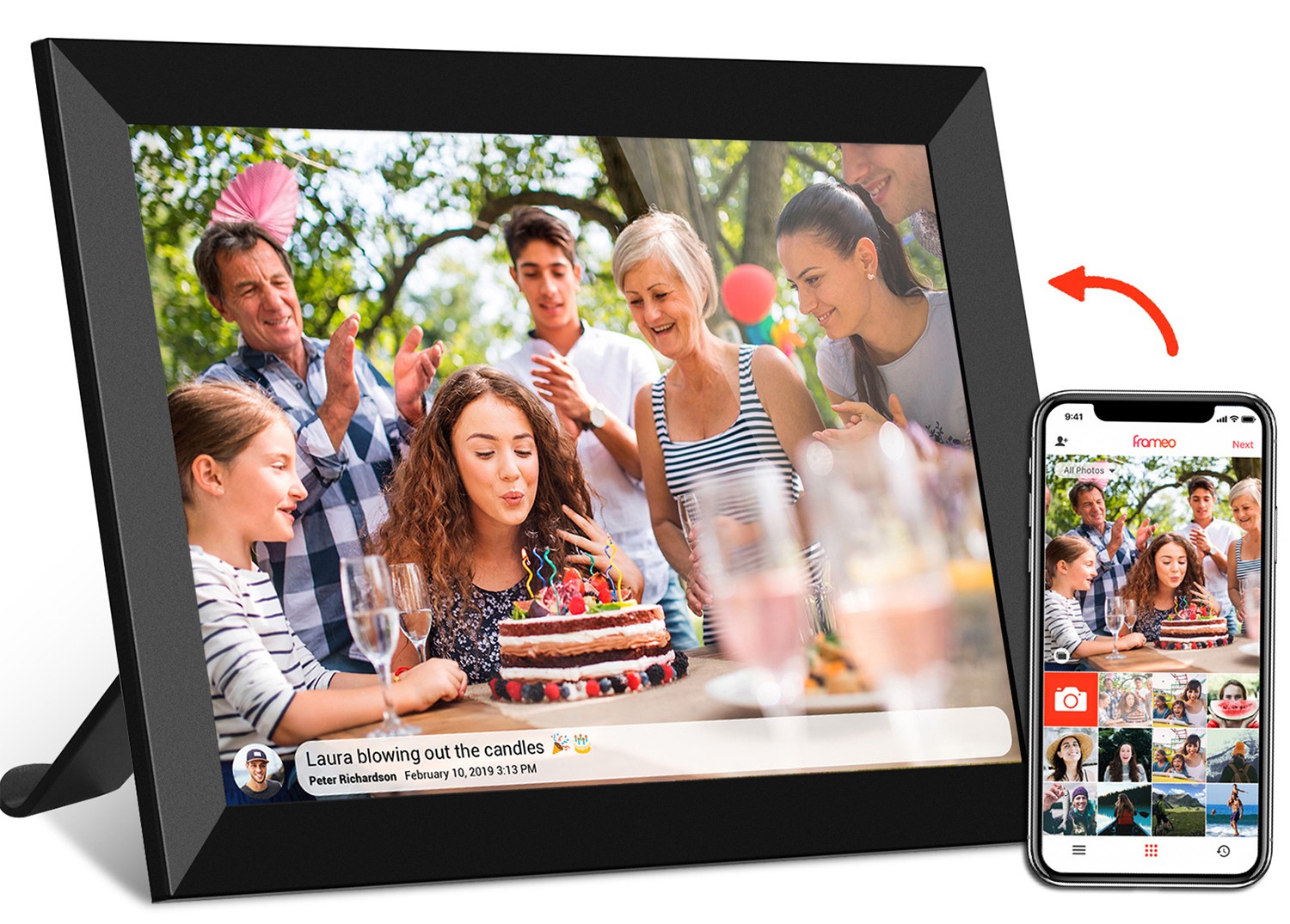
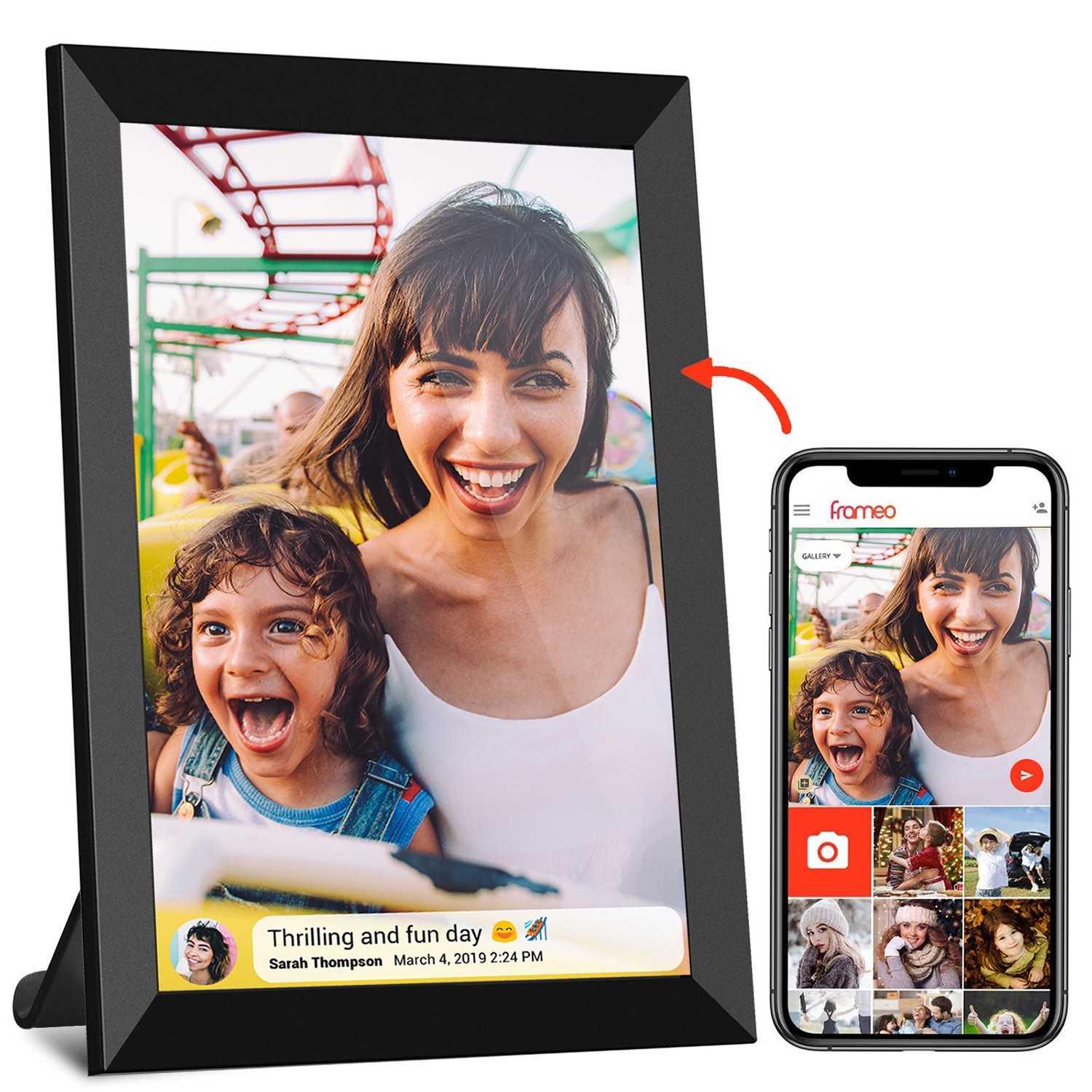
In a world where static images and basic frames are giving way to dynamic, immersive displays, acrylic dynamic video frames have emerged as a game-changer. These sleek, modern devices blend the timeless elegance of acrylic with the vibrancy of video playback, creating a visual experience that captivates whether it's showcasing family memories, marketing content, or artistic visuals. Unlike traditional photo frames or even standard digital photo frames—think the popular 10.1 inch frameo wifi digital photo frame—acrylic dynamic video frames don't just display images; they tell stories, evoke emotions, and command attention through movement and sound. In this guide, we'll dive deep into the art and science of designing these frames, exploring everything from material selection to technical specs, and how to make your acrylic dynamic video frame stand out.
What Are Acrylic Dynamic Video Frames?
At their core, acrylic dynamic video frames are a fusion of high-quality acrylic materials and digital display technology. Imagine a frame where the boundary between the screen and the frame itself disappears—no clunky bezels, no visible hardware, just a smooth sheet of acrylic that seems to come alive with moving images. Unlike a 10.1 inch wireless wifi digital photo frame, which often prioritizes image slideshows, these frames are built for video: short clips, loops, or even full-length videos, all wrapped in the premium feel of acrylic.
The magic lies in their construction. The acrylic serves as both the protective casing and the design focal point, while a slim LCD or LED screen is embedded within or behind it. This integration creates a "floating" display effect, where the video appears to play directly on the acrylic surface. Whether you're using one at home to relive a wedding video or in a store window to showcase a product demo, the result is always striking: modern, sophisticated, and impossible to ignore.
Key Design Elements to Master
Crafting an exceptional acrylic dynamic video frame isn't just about slapping a screen into a piece of acrylic. It requires careful attention to several design elements that determine both aesthetics and functionality. Let's break them down:
1. Acrylic Quality and Finish
Acrylic is the star of the show here, so choosing the right type matters. Cast acrylic is the gold standard for high-end frames—it offers superior clarity, minimal distortion, and better resistance to yellowing over time compared to extruded acrylic, which is more budget-friendly but slightly less clear. For a luxury look, opt for clear, optically pure acrylic; for a softer vibe, frosted or colored acrylic (like pale blue or smoky gray) can add subtle personality without overpowering the video.
Edge finishing is another detail that elevates the design. Polished edges create a glossy, mirror-like effect, while beveled edges add depth and sophistication. For a modern, minimalist look, laser-cut edges ensure precision and sharpness, making the frame feel seamless.
2. Screen Integration
The screen is the heart of the dynamic frame, and its integration with the acrylic is critical. Size, resolution, and aspect ratio all play a role. Common sizes range from compact 7-inch frames (great for desktops) to large 21.5-inch models (ideal for wall displays). The 10.1 inch frameo wifi digital photo frame has set a benchmark for user-friendly sizing, and many acrylic dynamic video frames follow suit, balancing visibility with space efficiency.
Resolution is non-negotiable—blurry videos ruin the illusion of luxury. Aim for at least 1080p (Full HD) for frames 10 inches and larger; smaller frames can get away with 720p, but higher resolution always enhances the viewing experience. Aspect ratio depends on your content: 16:9 is standard for videos, while 4:3 works better for older home movies or square-format clips.
|
7-10.1 inches
|
Desktops, shelves, small spaces
|
720p-1080p
|
3-5mm
|
|
15.6-21.5 inches
|
Wall mounts, living rooms, retail displays
|
1080p-4K
|
5-8mm
|
|
24 inches+
|
Large lobbies, event backdrops
|
4K
|
8-12mm
|
3. Video Playback Features
What good is a video frame if it can't play your content smoothly? Look for frames with loop capabilities (so your video repeats without manual restart), adjustable playback speed, and volume control. Some advanced models even offer motion sensors—pausing the video when no one is nearby to save power, then resuming when someone walks by.
Connectivity is another key feature. Wifi-enabled frames let you update content remotely (a must for businesses), while USB and SD card slots offer plug-and-play convenience. The 10.1 inch frameo wifi digital photo frame popularized app-based sharing, and many acrylic dynamic video frames now include similar features, allowing you to send videos directly from your phone to the frame via Bluetooth or a dedicated app.
Materials Matter: Why Acrylic Beats Glass (and Other Options)
You might wonder: Why acrylic, and not glass? The answer lies in both practicality and aesthetics. Glass is heavy, fragile, and prone to glare—three things that don't pair well with a dynamic display meant to be noticed. Acrylic, on the other hand, is lightweight (50% lighter than glass), shatter-resistant (great for homes with kids or high-traffic areas), and offers superior optical clarity when properly manufactured.
Another advantage? Acrylic is infinitely customizable. Unlike glass, which is hard to shape without cracking, acrylic can be laser-cut into intricate designs, curved into rounded edges, or even thermoformed into 3D shapes. This flexibility opens up creative possibilities, from geometric frames to organic, flowing designs that complement modern decor.
When selecting acrylic, pay attention to the thickness. Thinner acrylic (3-5mm) works for small frames and creates a delicate, floating effect, while thicker acrylic (8-12mm) adds durability and a bold, statement-making presence. For outdoor use or high-impact areas, consider impact-modified acrylic, which resists scratches anding from UV exposure.
Applications: Where Acrylic Dynamic Video Frames Shine
Acrylic dynamic video frames aren't one-trick ponies—their versatility makes them perfect for both personal and commercial use. Let's explore some of the most popular ways to use them:
Personal Use: Bringing Memories to Life
At home, these frames transform how we display cherished moments. Imagine a 10.1 inch frameo wifi digital photo frame, but instead of static photos, it's playing the video of your child's first steps, or a montage of your last family vacation. The smooth acrylic edges and vibrant video turn a shelf or mantel into a focal point, sparking conversations and nostalgia.
Weddings are another prime use case. Couples often create highlight reels of their big day, but projecting them on a screen feels impersonal. An acrylic dynamic video frame, placed on a gift table or near the entrance, plays the reel in a loop—intimate, elegant, and impossible for guests to miss. Similarly, birthdays, graduations, or anniversaries become more memorable when paired with a video frame showcasing the guest of honor's journey.
Commercial Use: Marketing with Impact
Businesses are catching on to the power of acrylic dynamic video frames, too. In retail, they're replacing static posters in windows and checkout lines, playing short product demos or customer testimonials. A clothing store might use a 21.5 inch frame to showcase a fashion show clip, while a café could display a video of baristas crafting latte art, enticing customers to order.
Even smaller formats, like the video brochure, leverage similar technology. A video brochure is essentially a pocket-sized acrylic dynamic video frame—think a business card or pamphlet with a tiny screen that plays a marketing video when opened. Real estate agents use them to showcase property tours, while event planners include them in invitations to build excitement.
Corporate lobbies and offices also benefit. A sleek acrylic frame near the reception desk can play company culture videos, highlighting team events or product launches, giving visitors a quick, engaging snapshot of the brand. For healthcare settings, frames can display patient education videos or calming nature scenes, reducing anxiety in waiting rooms.
Customization: Making It Uniquely Yours
One of the biggest draws of acrylic dynamic video frames is their potential for customization. Whether you're designing one for home or business, these tweaks will make it stand out:
1. Acrylic Etching and Engraving
Add a personal or brand touch with custom etching. For weddings, etch the couple's names and wedding date into the acrylic border. For businesses, logo engraving on the corner of the frame reinforces brand identity without being intrusive. Laser etching creates a frosted, matte design that contrasts beautifully with the clear acrylic and the bright video playing behind it.
2. Lighting Accents
LED strips hidden behind the acrylic can add ambient lighting, enhancing the frame's visual appeal. Warm white LEDs create a cozy glow for home use, while cool white or colored LEDs (like brand-specific hues) work better for commercial displays. Some frames even sync the LED color with the video content—imagine a frame playing a beach video, with the LEDs shifting from blue to orange to match the sunset on screen.
3. Stand and Mounting Options
How your frame is displayed matters. Desktop frames often come with sleek metal or acrylic stands, but you can customize the shape—L-shaped, triangular, or even magnetic bases for a "floating" effect on metal surfaces. Wall-mounted frames can be flush with the wall (for a seamless look) or slightly recessed, creating depth. For businesses, floor-standing models (similar to floor standing digital signage) work well in large spaces like malls or convention centers.
Maintenance: Keeping Your Frame Looking Pristine
Acrylic dynamic video frames are designed to be low-maintenance, but a little care goes a long way in preserving their beauty. Here's how to keep yours in top shape:
Cleaning Acrylic Surfaces
Acrylic scratches easily, so avoid abrasive cloths or cleaners. Instead, use a soft microfiber cloth (the same kind you use for eyeglasses) and mild soap mixed with lukewarm water. Gently wipe the surface in a circular motion, then dry with a clean, dry microfiber cloth to prevent water spots. For stubborn smudges, use a specialized acrylic cleaner (avoid ammonia-based products, which can cloud the surface).
Screen Care
The screen is just as delicate as the acrylic. Dust it regularly with a dry microfiber cloth, and avoid pressing too hard—LCD/LED screens can be damaged by pressure. If the screen gets fingerprints, dampen the cloth slightly with water (no soap) and wipe gently. Keep the frame away from direct sunlight, as prolonged exposure can cause the screen to overheat or the acrylic to yellow over time.
Software and Hardware Checks
For wifi-enabled frames, like the 10.1 inch frameo wifi digital photo frame, ensures smooth performance and access to new features. Check the manufacturer's website for updates, or use the frame's app to update wirelessly. If the frame has a battery (common in portable models), charge it fully before first use, and avoid letting it drain completely—this extends battery life. For plug-in models, use a surge protector to guard against power spikes.
Future Trends in Acrylic Dynamic Video Frame Design
As technology advances, acrylic dynamic video frames are evolving, too. Here are a few trends to watch for:
Flexible Screens:
Imagine an acrylic frame that's slightly curved or even bendable, conforming to unique spaces like rounded walls or furniture. Flexible OLED screens are becoming more affordable, and we'll soon see them integrated into acrylic frames for a truly futuristic look.
AI Integration:
Smart frames with AI could adjust brightness based on ambient light, pause videos when no one is nearby, or even recommend which videos to play based on the time of day (e.g., calming nature scenes in the morning, energetic clips in the evening).
Eco-Friendly Materials:
Brands are moving toward recycled acrylic and energy-efficient screens, making frames more sustainable. Solar-powered options, with small solar panels embedded in the frame, could eliminate the need for plugging in, perfect for outdoor use.
Interactive Features:
Touchscreens are already common, but future frames might add gesture control—wave your hand to skip a video or adjust the volume. Voice control, via assistants like Alexa, could also become standard, letting you say, "Play the wedding video" without lifting a finger.
Conclusion: Designing Your Perfect Acrylic Dynamic Video Frame
Acrylic dynamic video frames are more than just displays—they're storytellers, blending the elegance of acrylic with the power of video to create immersive, emotional experiences. Whether you're designing one for home to showcase family memories or for business to market your brand, the key is to balance aesthetics with functionality: choose high-quality acrylic, prioritize screen clarity, and customize it to fit your space and style.
From the compact 10.1 inch frameo wifi digital photo frame to larger commercial models, and even portable video brochures, the technology is accessible and versatile. With the right design elements, materials, and care, your acrylic dynamic video frame will not only display content—it will become a cherished part of your home or business, captivating everyone who sees it.
So, what will you showcase in yours? A wedding video, a product demo, or a montage of life's best moments? Whatever it is, an acrylic dynamic video frame ensures it's seen, felt, and remembered.