Walk into any modern office, coworking space, or even a busy healthcare clinic these days, and you might notice a sleek, unassuming device perched on desks or meeting room tables. It's not quite a laptop, not exactly a tablet, and definitely not your grandma's bulky desktop monitor. Instead, it has a distinct, angular design—like a lowercase "L" come to life—with a screen tilted at just the right angle for easy viewing, supported by a sturdy base that hugs the edge of the desk. This is an L-shaped desktop terminal, and it's quietly redefining how we interact with technology in shared and personal workspaces.
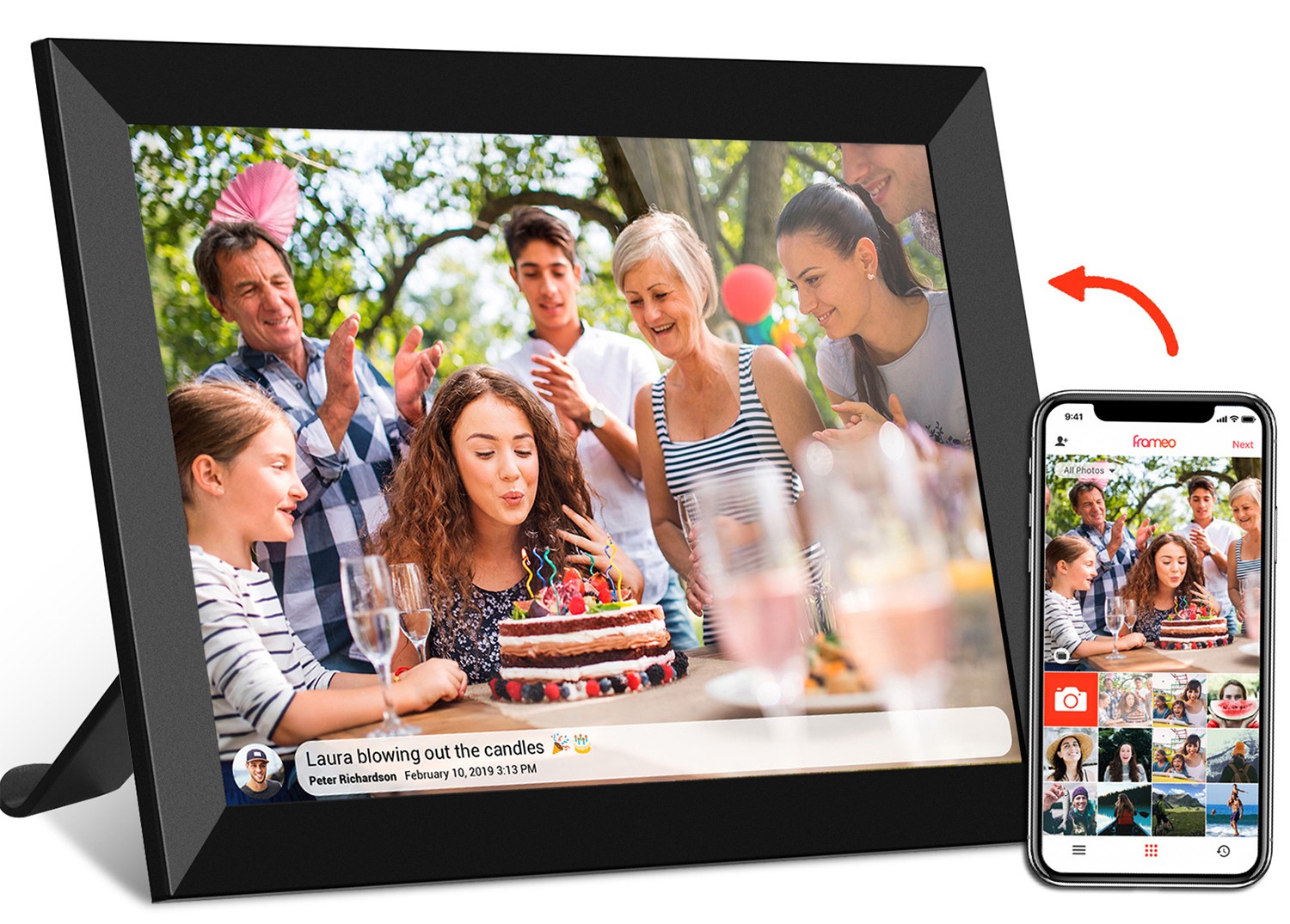
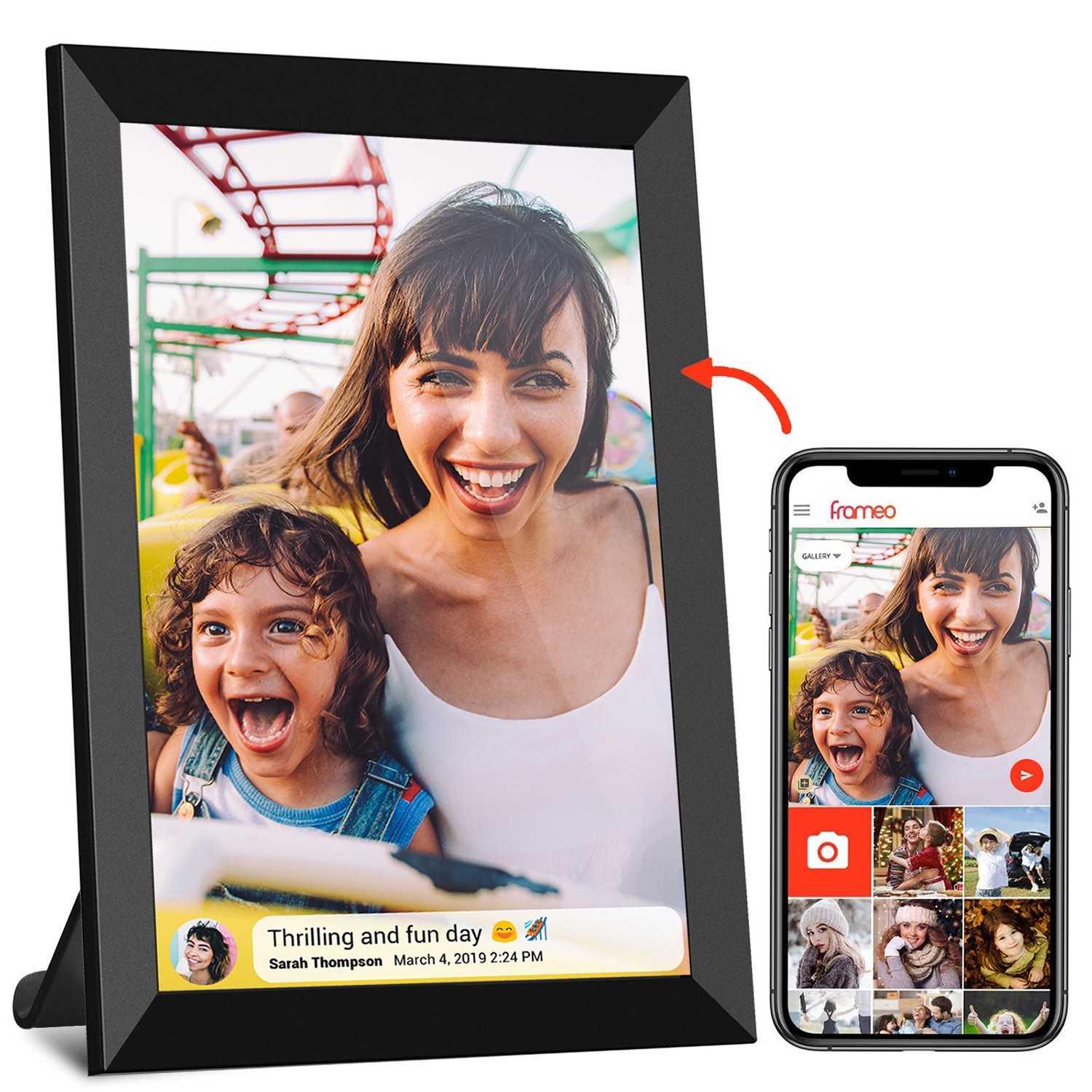
At first glance, you might mistake it for a fancy digital photo frame or a compact monitor, but its true power lies in its versatility. Unlike a standard tablet that you might pick up and carry around, or a desktop PC that's bolted to the floor, an L-shaped desktop terminal is built to stay put—anchored by its L-shaped base—while still offering the flexibility of a touchscreen interface and smart connectivity. It's the kind of device that makes you think, "Why didn't someone design this sooner?" as you realize how it solves small, everyday frustrations: cluttered cables, awkward screen angles, and the constant juggle between devices during meetings.
In this article, we'll dive into what exactly an L-shaped desktop terminal is, how it's designed, the features that set it apart, and why it's becoming a staple in offices, meeting rooms, and beyond. We'll also explore real-world use cases, compare it to other common devices, and even peek at where this technology might be headed. By the end, you'll not only recognize one when you see it—you might just find yourself wondering how you ever worked without it.
Let's start with the obvious: that L-shape. Why design a desktop terminal with this specific geometry? The answer is equal parts form and function. Imagine trying to prop a standard tablet upright on your desk. You might use a flimsy stand that wobbles every time you tap the screen, or lean it against a stack of books, only to have it slide down mid-email. An L-shaped terminal solves this with a base that's engineered for stability. The horizontal part of the "L" sits flat on the desk, weighted to prevent tipping, while the vertical part rises up to support the screen at a comfortable, eye-level angle—usually between 15 and 30 degrees, depending on the model.
This design isn't just about stability, though. It's about space efficiency. Desks, especially in shared offices or small meeting rooms, are precious real estate. A traditional desktop setup with a monitor, keyboard, and mouse can take up half the surface area, leaving little room for notebooks, coffee mugs, or collaborative projects. An L-shaped terminal, on the other hand, tucks neatly into the corner or edge of the desk, with the base often incorporating cable management features—think hidden slots for power cords or USB cables—to keep wires from tangling into a spaghetti-like mess. It's like having a mini command center that doesn't hog the table.
Materials matter, too. Most L-shaped terminals are built with a mix of durable plastics, brushed metal, or even acrylic for a sleek, modern look. Take, for example, the desktop tablet l-type series , a popular line of these devices from manufacturers focused on office tech. These models often feature a slim, edge-to-edge touchscreen (common sizes range from 10.1 inches to 15.6 inches) paired with a base made of lightweight aluminum. The result? A device that feels premium but won't weigh down your desk—or your budget.
Another key design feature is adjustability. While the L-shape is fixed, many models let you tilt the screen slightly forward or backward to suit different users. This is a game-changer in shared spaces, where someone who's 5'2" might prefer a steeper angle than a colleague who's 6' tall. Some even come with a rotating screen, allowing you to switch between landscape and portrait mode—handy for viewing documents, calendars, or social media feeds.
An L-shaped desktop terminal isn't just a pretty face (or, in this case, a pretty L-shape). Under the hood, it's packed with features that turn it into a smart, connected hub for work and communication. Let's break down the most important ones:
Gone are the days of fumbling with a mouse or keyboard to navigate a static screen. Most L-shaped terminals come with a capacitive touchscreen—similar to what you'd find on a high-end tablet—allowing you to tap, swipe, pinch, and zoom with ease. This is especially useful during meetings: instead of passing around a laptop to edit a document, everyone can gather around the terminal and make changes in real time, with the screen acting as a shared whiteboard. Even in solo work, a touchscreen makes quick tasks—like checking emails, marking calendar events, or adjusting settings—feel more intuitive than clicking through menus.
What good is a smart device if it can't connect to the rest of your tech? L-shaped terminals are built to stay online, with built-in Wi-Fi for seamless access to cloud apps, calendars, and video conferencing tools like Zoom or Microsoft Teams. Many also include Bluetooth, so you can pair wireless headphones, speakers, or even a keyboard if you need to type longer documents. For enterprise settings, some models go a step further with Power over Ethernet (POE) support. POE lets the device draw power and data through a single Ethernet cable, eliminating the need for a separate power adapter and reducing cable clutter even more—a feature that IT departments everywhere are likely cheering for.
Unlike traditional desktop monitors, which rely on a separate computer to function, L-shaped terminals are standalone devices with their own operating systems. Android is the most common choice here, thanks to its flexibility, wide range of apps, and compatibility with business software. This means you can download apps directly onto the terminal—think Slack for team chats, Google Calendar for scheduling, or even specialized tools like patient management software in healthcare settings. Some models even run a modified version of Android optimized for business use, with enhanced security features to protect sensitive data.
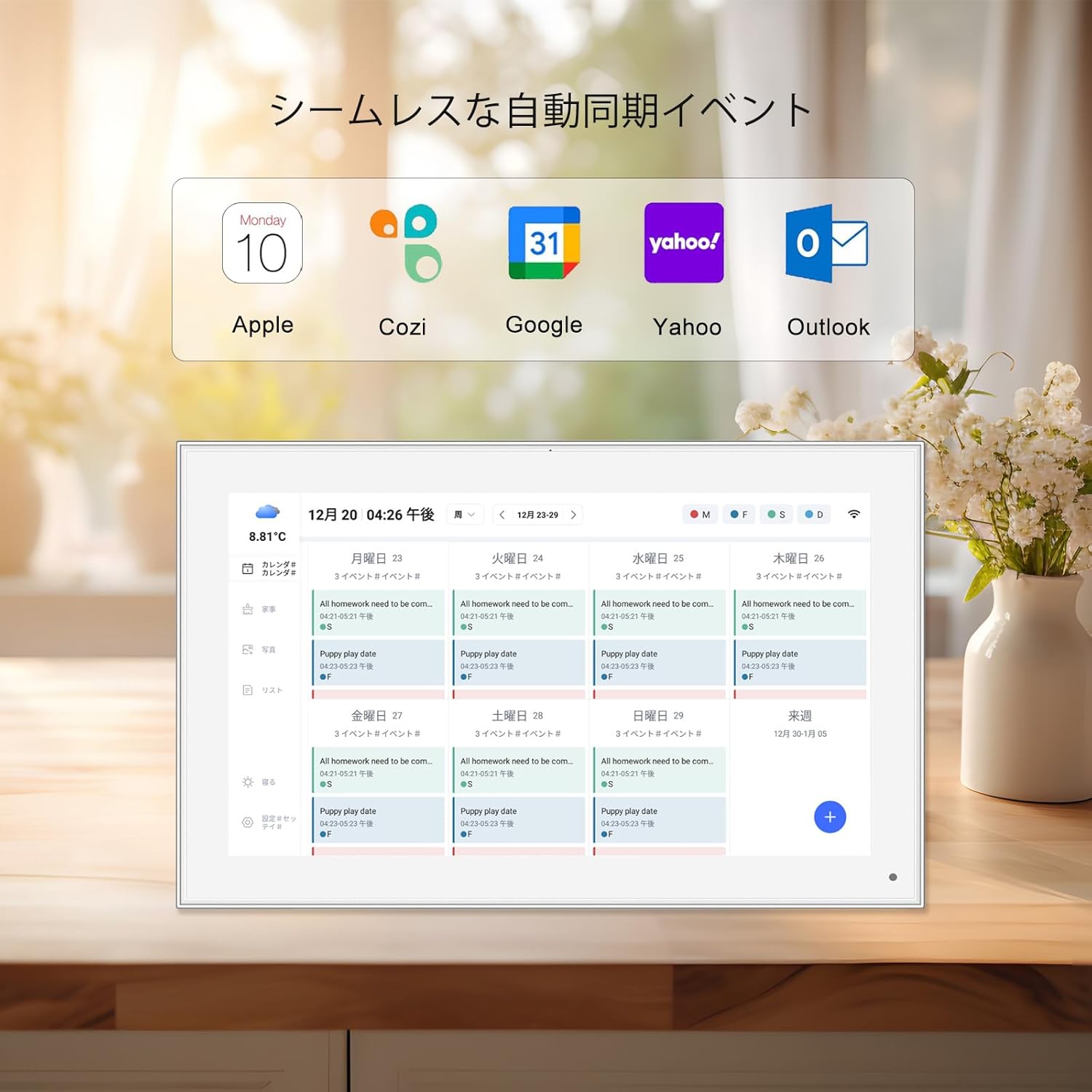
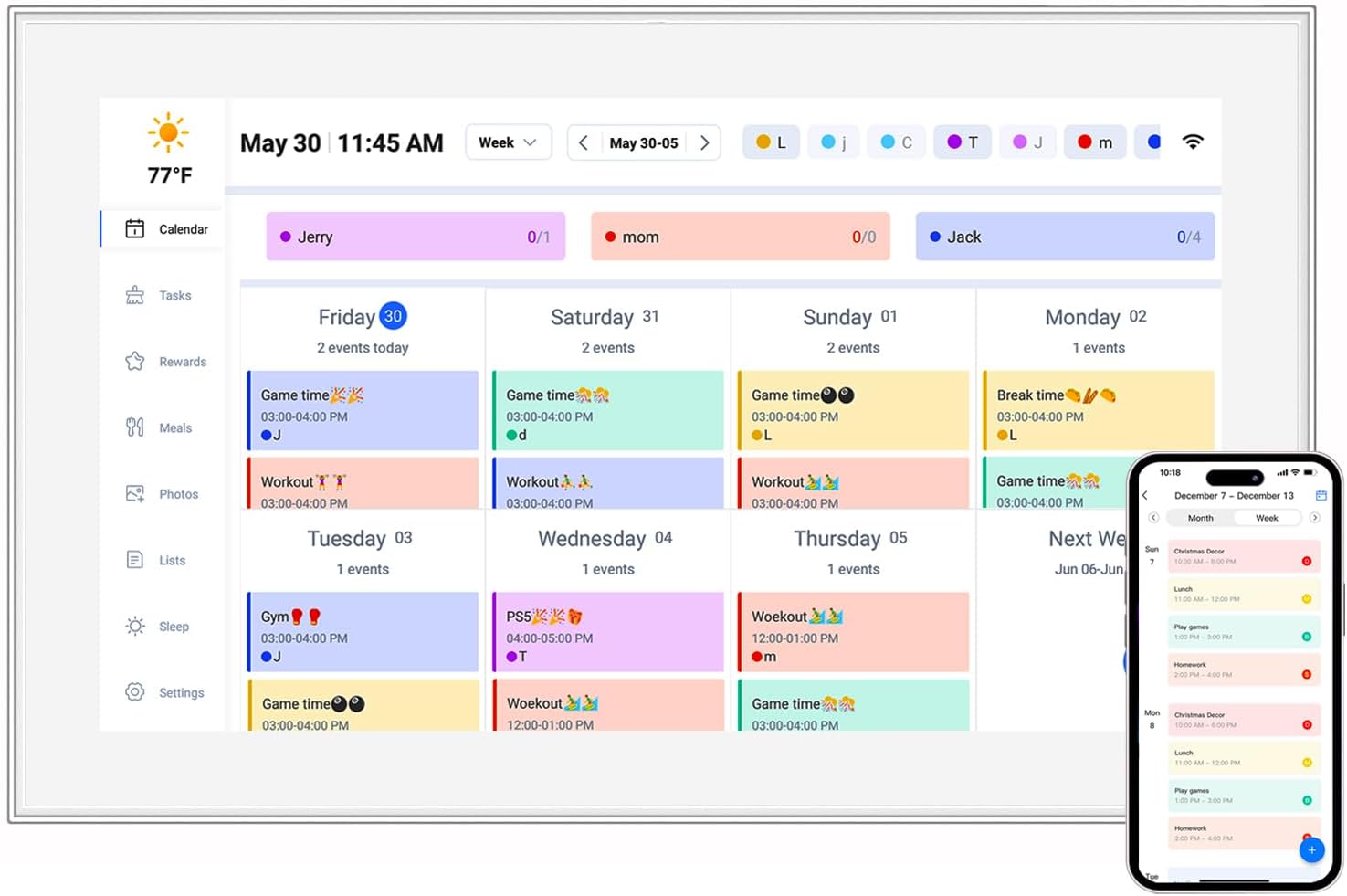
Many L-shaped terminals come pre-loaded with software designed to boost productivity. For example, a 10.1 inch L-shape tablet PC might include a built-in calendar app that syncs with your Google or Outlook account, displaying upcoming meetings and deadlines right on the home screen. Others have whiteboarding tools, allowing you to jot down ideas with a stylus (some models include one in the box) and save them to the cloud instantly. In meeting rooms, this software often integrates with video conferencing platforms, so you can join a call with a single tap and share your screen without fumbling with HDMI cords.
Unlike consumer tablets that are meant to be used a few hours a day, L-shaped desktop terminals are built to withstand constant use—think 8+ hours a day, 5 days a week, in busy offices. They often have reinforced screens to resist scratches, and their internal components are tested for heat resistance, ensuring they don't overheat during long meetings or video calls. Some models even have anti-glare coatings, so you can use them in bright rooms without squinting—a small detail that makes a big difference in usability.
So, who actually uses these L-shaped desktop terminals? The short answer: just about anyone who works in a space where technology needs to be both accessible and unobtrusive. Let's explore a few key industries and scenarios where they're making the biggest impact:
If there's one place where L-shaped desktop terminals shine, it's the meeting room. Traditional meeting setups are often a nightmare of tangled cables, mismatched adapters, and awkward screen sharing. An L-shaped terminal simplifies all of that. Imagine walking into a conference room, and instead of hunting for a HDMI port, you just tap the terminal's screen to launch Zoom, Microsoft Teams, or Google Meet. The terminal connects to the room's Wi-Fi automatically, and since it's always on (or in low-power mode), it's ready to go the second the meeting starts.
But it's not just about video calls. Many L-shaped terminals double as meeting room digital signage , displaying the day's meeting schedule outside the room so everyone knows when the space is free. Inside, the screen can show agendas, share presentation slides, or act as a collaborative whiteboard. For example, during a brainstorming session, team members can take turns drawing ideas on the touchscreen, with the terminal saving each version to the cloud for later review. No more scribbling notes on a physical whiteboard and then taking photos to remember what was said—everything is digitized and shareable in seconds.
POE (Power over Ethernet) models are especially popular in meeting rooms. Since they draw power and data through a single Ethernet cable, there's no need for a separate power outlet, keeping the terminal's base clutter-free. IT teams love this, too: they can remotely update software, troubleshoot issues, or even lock the terminal if it's not in use, all without physically accessing the device.
While meeting rooms get a lot of attention, L-shaped terminals are also finding their way onto individual desks. Think of it as a dedicated "information hub" that sits alongside your laptop, keeping essential tools visible at all times. For example, you could have your calendar and to-do list open on the terminal while working on a project on your laptop, eliminating the need to switch between tabs or apps. Or, if you're on a long video call, you could use the terminal to display the call participants while your laptop handles the audio—freeing up your laptop's screen for notes or documents.
The desktop tablet l-type series includes smaller models (like the 10.1 inch) that are perfect for personal workstations. They're compact enough to share desk space with a laptop but large enough to display meaningful information—no squinting required. Plus, their L-shaped base means they stay put, so you don't have to worry about knocking them over when reaching for your coffee mug.
Healthcare settings are another unexpected but ideal fit for L-shaped desktop terminals. Clinics and hospitals are busy places, with staff constantly moving between patient rooms, nurses' stations, and administrative offices. An L-shaped terminal at a nurses' station can display patient schedules, medication reminders, and real-time updates from other departments—all accessible with a quick tap. In patient rooms, a terminal might show appointment times, educational videos, or even allow patients to request assistance with a simple touch.
Many healthcare-focused models come with extra features like antimicrobial coatings (to reduce the spread of germs) and HIPAA-compliant software (to protect patient data). They're also built to be easy to clean—no crevices for dust or bacteria to hide in—making them a practical choice for sterile environments.
You might be thinking, "Can't I just use a regular tablet in a stand, or a monitor with a smart TV stick?" The short answer is yes—but the long answer is that L-shaped desktop terminals offer a unique blend of features that other devices can't match. To illustrate this, let's compare an L-shaped terminal (specifically a 10.1 inch L-type model) to two common alternatives: a traditional desktop PC and a standard standalone tablet.
| Feature | 10.1 inch L-shaped desktop terminal | Traditional desktop PC (monitor + tower) | Standard standalone tablet |
|---|---|---|---|
| Design | L-shaped base for stability; compact, all-in-one design | Separate monitor, tower, keyboard, and mouse; bulky footprint | Flat, portable design; requires a separate stand for desk use |
| Screen positioning | Tilted at an ergonomic angle; fixed but adjustable | Fixed height/angle (unless using an expensive monitor arm) | Depends on stand; often unstable or at awkward angles |
| Ergonomics | Screen at eye level; reduces neck strain | Monitor height often too low; requires hunching | Screen often too low when propped up; hard to type on for long periods |
| Space efficiency | Minimal footprint; base hugs desk edge | Requires significant desk space for tower and peripherals | Compact when not in use, but stand adds bulk |
| Connectivity | Wi-Fi, Bluetooth, often POE; no extra cables | Multiple cables (power, HDMI, USB); limited wireless options | Wi-Fi and Bluetooth, but charging cable adds clutter |
| Ideal use case | Meeting rooms, shared workspaces, healthcare clinics | Heavy-duty computing (video editing, programming) | Portable use (commuting, travel, casual browsing) |
As you can see, the L-shaped terminal hits a sweet spot between the stability of a desktop, the portability of a tablet, and the smart features of a connected device. It's not trying to replace your laptop or your phone—instead, it's filling a gap in the ecosystem: a dedicated, stationary device that keeps essential information at your fingertips without the hassle of traditional setups.
Like all technology, L-shaped desktop terminals are evolving—and fast. Here are a few trends we're seeing that could shape their future:
While 10.1 inch and 15.6 inch screens are common today, we're starting to see larger models (up to 21.5 inches) designed for bigger meeting rooms or collaborative spaces. These larger screens often come with 4K resolution, making text and images sharper than ever. Some manufacturers are also experimenting with "frameless" designs, where the screen extends almost to the edges of the L-shaped base, creating a more immersive viewing experience.
Imagine walking up to an L-shaped terminal, and it greets you by name: "Good morning, Sarah! Your 10 AM meeting with the marketing team starts in 15 minutes—would you like me to pull up the agenda?" AI-powered voice assistants like Alexa or Google Assistant are already making their way into these devices, allowing for hands-free control. In the future, we might see more advanced AI features, like real-time transcription during meetings, automatic summarization of notes, or even predictive scheduling that suggests meeting times based on team availability.
As companies prioritize eco-friendly practices, L-shaped terminal manufacturers are following suit. Expect to see models with energy-efficient screens (like OLED or E Ink for low-power modes), recyclable materials in their bases, and modular designs that make it easy to replace broken parts instead of replacing the entire device. Some brands are even offering carbon-neutral shipping or take-back programs for old terminals, ensuring they're recycled properly.
While we've focused on offices and healthcare, L-shaped terminals are poised to expand into niche markets. For example, retail stores could use them as interactive product catalogs, allowing customers to browse inventory and place orders with a tap. Restaurants might use them as digital menus that update in real time (no more printing new menus when prices change). Even schools could benefit, with terminals in classrooms acting as interactive teaching tools, displaying lesson plans and allowing students to submit answers directly on the screen.
At the end of the day, an L-shaped desktop terminal isn't just another piece of tech. It's a reflection of how our workspaces are evolving: toward simplicity, collaboration, and intentional design. It solves the small, daily annoyances that add up—cables underfoot, screens that are too low, meetings that start 10 minutes late because no one can get the projector working—and turns them into non-issues.
Whether you're in a bustling office, a quiet healthcare clinic, or a busy meeting room, this device has a way of fading into the background when you don't need it, then springing to life when you do—displaying your calendar, connecting you to a call, or letting you collaborate with a team in real time. It's the kind of innovation that feels obvious once it exists, making you wonder how we ever managed with clunky monitors and disconnected devices.
So the next time you spot that sleek, L-shaped device on a desk or in a meeting room, take a closer look. Chances are, it's not just keeping the peace—it's keeping the work flowing, too. And who knows? Maybe soon, you'll find one on your desk, too.