Exploring the heart of dynamic visual communication for modern businesses
Walk into any bustling café, boutique, or corporate lobby today, and you'll likely notice something different from the static posters of yesteryear. Sleek, transparent frames hum softly, displaying crisp videos of latte art being crafted, new clothing lines swaying on models, or patient testimonials scrolling gently. These are acrylic motion video frames—more than just pretty displays, they're powerful tools for storytelling. At the center of their magic? The advertising module. But what exactly is this module, and how does it transform a simple frame into a business's silent salesperson? Let's dive in.
Before we unpack the advertising module, let's get clear on the star of the show: the acrylic motion video frame. Imagine a frame made from high-grade acrylic—lightweight, durable, and with a crystal-clear finish that makes whatever's on the screen pop. Inside, there's a slim LED screen (often 10.1 inches or larger, depending on the model) and a small but mighty set of components that bring visuals to life. Unlike traditional digital photo frames that only show static images, these frames are built for motion: think short videos, looping animations, or even slideshows with smooth transitions. They're designed to blend into any space—whether perched on a retail counter, mounted on a hotel wall, or placed on a doctor's office desk—while grabbing attention without feeling intrusive.
But here's the kicker: without their advertising module, these frames would just be expensive paperweights. The module is the brains behind the beauty, turning random video clips into targeted, timed, and trackable advertising. It's the difference between showing a generic sunset video and displaying a 15-second promo for your morning pastry special that updates automatically every weekday at 7 AM. So, let's break down what makes this module tick.
At its core, the advertising module is a blend of hardware, software, and connectivity tools working in harmony. Think of it as a mini command center that lets businesses create, manage, and deploy visual content with precision. Let's break it down into its key parts:
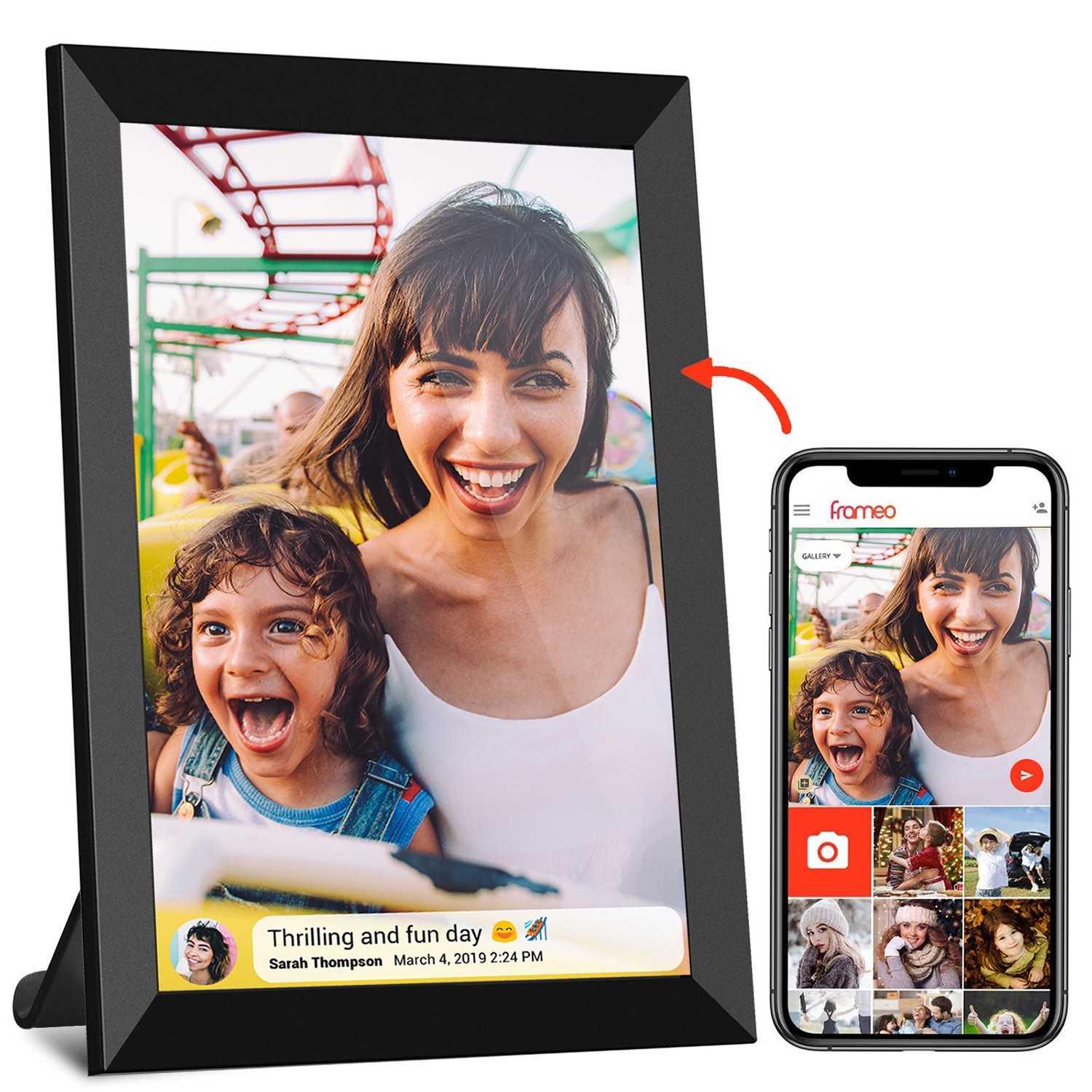
Inside every acrylic motion video frame, the advertising module's hardware is surprisingly compact. There's a small processor (often similar to what's in a basic Android tablet) that handles video playback, a storage drive (like 32GB of internal memory) to store content, and ports for power and connectivity (USB, HDMI, or even Wi-Fi/Bluetooth chips). Some advanced models, like those used in healthcare settings or busy retail spaces, might even include motion sensors—so the screen lights up only when someone walks by, saving battery life. For example, a 10.1 inch wireless wifi digital photo frame with an advertising module might have a built-in speaker too, adding audio to videos for extra impact (think a coffee shop's frame playing the sound of a espresso machine hissing while showing latte art).
Hardware is just the body; software is the soul. The advertising module's software is usually a user-friendly platform (often web-based or via a mobile app) that lets businesses upload, edit, and schedule content. No coding skills needed—drag-and-drop tools let you trim videos, add text overlays (like "20% Off Today!"), or set playlists. For example, a bakery could create a morning playlist with breakfast pastries, switch to lunch sandwiches at 11 AM, and end with evening desserts at 5 PM. The software also tracks metrics: How many times did a video play? Did customers linger longer when the "new menu item" clip ran? This data helps businesses tweak their content for better results.
What good is great content if you can't update it? The advertising module's connectivity features (Wi-Fi, Bluetooth, or even cellular in some cases) let businesses push new content to the frame remotely. Forgot to add a holiday promotion? No problem—log into the software from your laptop, upload the video, and hit "send." Within minutes, every acrylic motion video frame in your store network updates. This is a game-changer for businesses with multiple locations: a retail chain can roll out a new campaign across 50 stores in seconds, ensuring brand consistency.
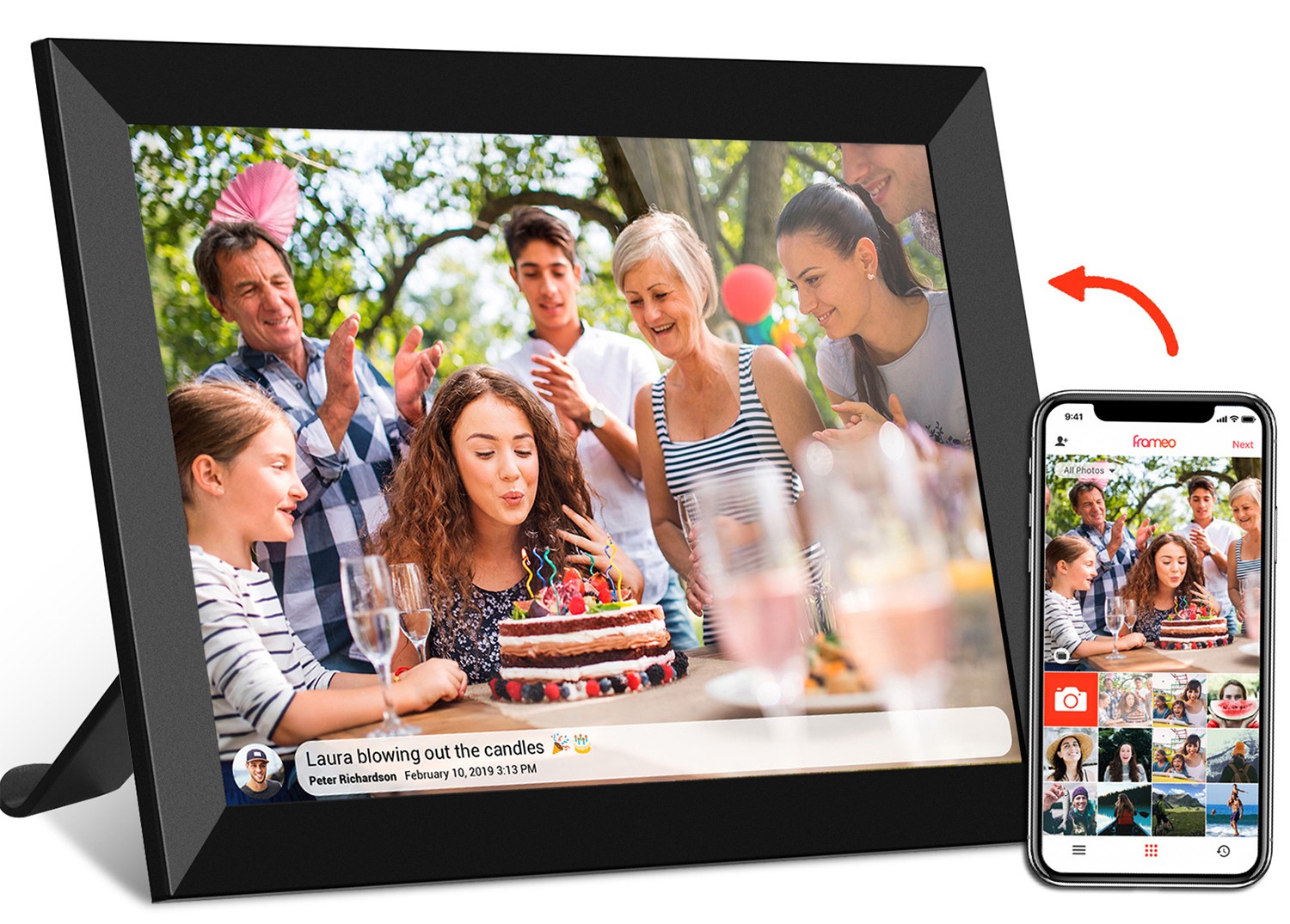
Let's paint a picture to see the advertising module in action. Meet Maria, who owns a small boutique in downtown Portland. She recently invested in a 10.1 inch frameo wifi digital photo frame with an advertising module—specifically an acrylic motion video frame—to showcase her new summer collection. Here's how her day goes:
In this scenario, the advertising module isn't just playing videos—it's driving conversation, tracking engagement, and letting Maria adapt on the fly. It turns the frame from a passive display into an active member of her team.
So, what makes this module a must-have for businesses, big and small? Let's break down the benefits:
Static posters get ignored after the first glance. But motion? Our brains are wired to notice movement. A 2023 study by the Digital Signage Federation found that video content in retail settings increases customer dwell time by 32%—and the advertising module makes creating that video content a breeze.
Printing new posters every week? That adds up. With the advertising module, Maria can update content for free—no design fees, no shipping, no wasted paper. Over a year, that's thousands saved.
A café can show breakfast specials in the morning, lunch deals at noon, and happy hour promotions in the evening—all automatically. No more manually swapping out menus. The module's scheduling tool ensures the right message reaches the right people at the right time.
Unlike traditional ads, where you guess if they're working, the advertising module provides data: how many times a video played, how long it was viewed, even which content drove the most interactions (thanks to those motion sensors). Businesses can use this data to refine their strategy—no guesswork needed.
The advertising module in acrylic motion video frames isn't the only player in the visual advertising game. Let's see how it compares to two popular alternatives: video brochures and floor standing digital signage.
| Feature | Acrylic Motion Video Frame (w/ Advertising Module) | Video Brochure | Floor Standing Digital Signage |
|---|---|---|---|
| Content Updates | Remote, instant updates via Wi-Fi/software | Pre-loaded; cannot update after printing | Remote updates possible, but often requires IT support |
| Best For | Countertops, shelves, small spaces (retail, offices) | Direct mail, events, one-time promotions | High-traffic areas (malls, airports, lobbies) |
| Cost Over Time | Low (one-time purchase + content creation) | High (per-unit cost for printing/distribution) | High (initial cost + installation + maintenance) |
| Engagement Style | Subtle, integrated into decor | Tactile (customer must open/play) | Bold, attention-grabbing (large screens) |
*Table compares key features for small to medium businesses; results may vary by brand/model.
The advertising module in acrylic motion video frames isn't a one-trick pony. Its flexibility makes it useful across industries. Here are a few examples:
A boutique jewelry store uses a 10.1 inch frameo wifi digital photo frame with an advertising module near the register. The module cycles through videos of customers reacting to their new collection ("It's perfect for my sister's wedding!") and limited-time offers ("Free engraving this weekend"). Since installing it, add-on sales of matching earrings have jumped 28%.
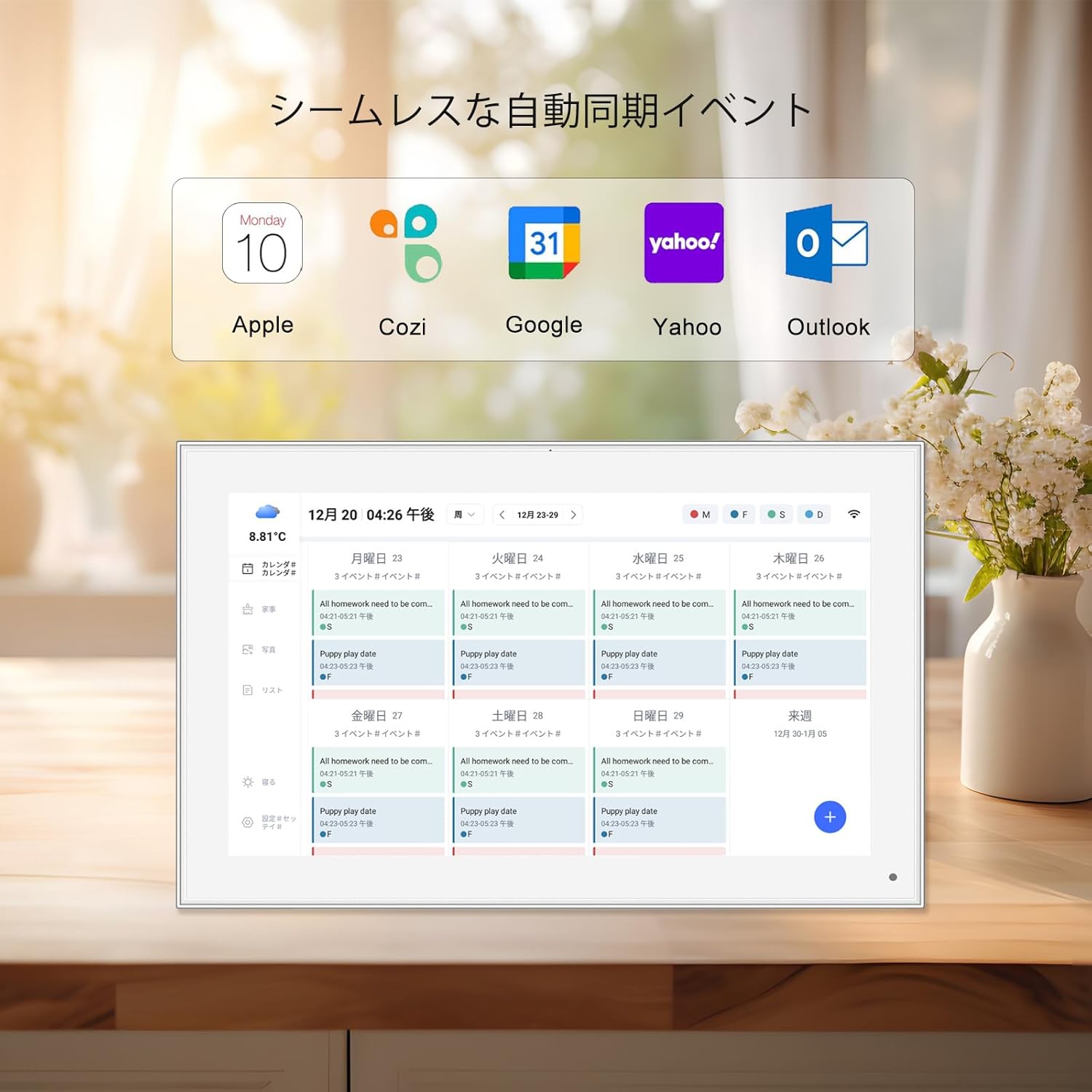
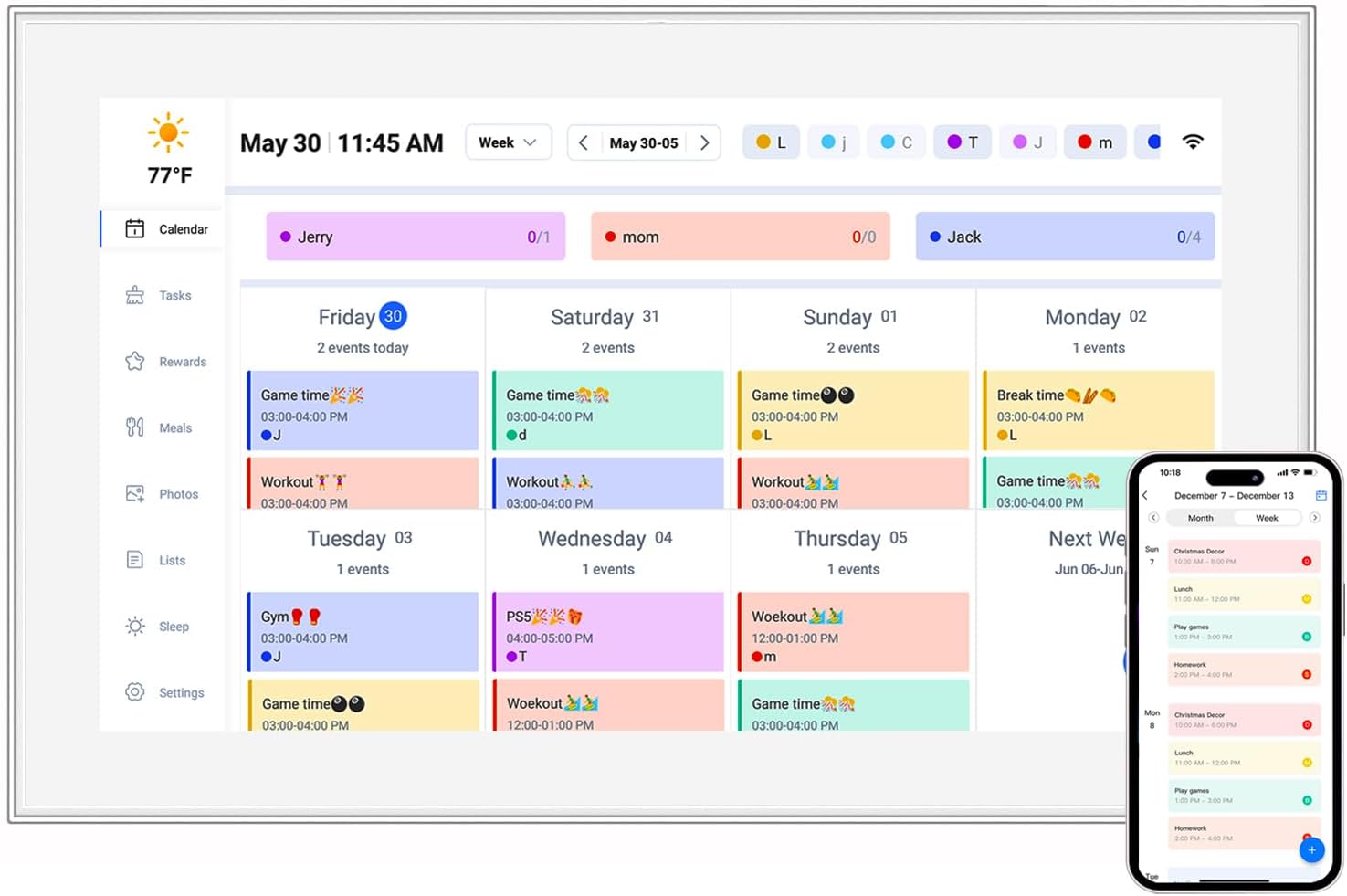
A dental clinic mounts a 15.6 inch digital calendar (with an integrated advertising module) in the waiting room. Instead of stressful TV news, it plays soft nature videos interspersed with tips: "How to Floss Properly" and "Meet Dr. Lee, Our New Orthodontist." Patients report feeling less anxious, and appointment no-shows have dropped by 15%.
At a trade show, a tech company uses an acrylic motion video frame to demo their new software. The advertising module is set to play a 60-second tutorial on loop, with a "Scan QR for a Free Trial" overlay. Booth staff report spending less time repeating the same demo and more time answering detailed questions—leads increased by 40% that year.
As technology evolves, so will the advertising module. Here's what we can expect in the next few years:
At the end of the day, the advertising module in an acrylic motion video frame is more than just a tech feature. It's a bridge between businesses and their audiences—turning silent spaces into conversations, static displays into stories, and casual browsers into loyal customers. Whether you're a small café owner like Maria or a large retail chain, this module transforms how you connect with people, one video at a time. So the next time you see that sleek acrylic frame glowing in a store, remember: it's not just showing a video. It's working—hard—behind the scenes.