Walk into a modern shopping mall, and you might notice a sleek, large screen near the entrance. Instead of showing just one advertisement, it's displaying four things at once: a vibrant product video, a live Instagram feed of customer photos, a tiny weather widget, and a scrolling list of store promotions. That's split-screen playback in action—a feature of digital signage that's quietly transforming how businesses, hospitals, and offices communicate. In a world where attention spans are shorter than ever, split-screen technology lets a single display do the work of multiple, keeping audiences informed, engaged, and never bored. Let's dive into what split-screen playback really is, how it works, and why it's becoming a must-have for anyone using digital signage today.
Split-screen playback is a digital signage feature that divides a single screen into multiple independent "zones," each capable of showing different content simultaneously. Think of it like a TV with picture-in-picture, but taken to the next level—instead of just two small windows, you can have grids, vertical splits, or custom layouts with videos, images, text, live feeds, or even interactive elements, all playing at the same time. Unlike traditional single-content signage, which sticks to one message at a time, split-screen turns a display into a multitasking hub, making it perfect for spaces where information needs to be dynamic, varied, and always up-to-date.
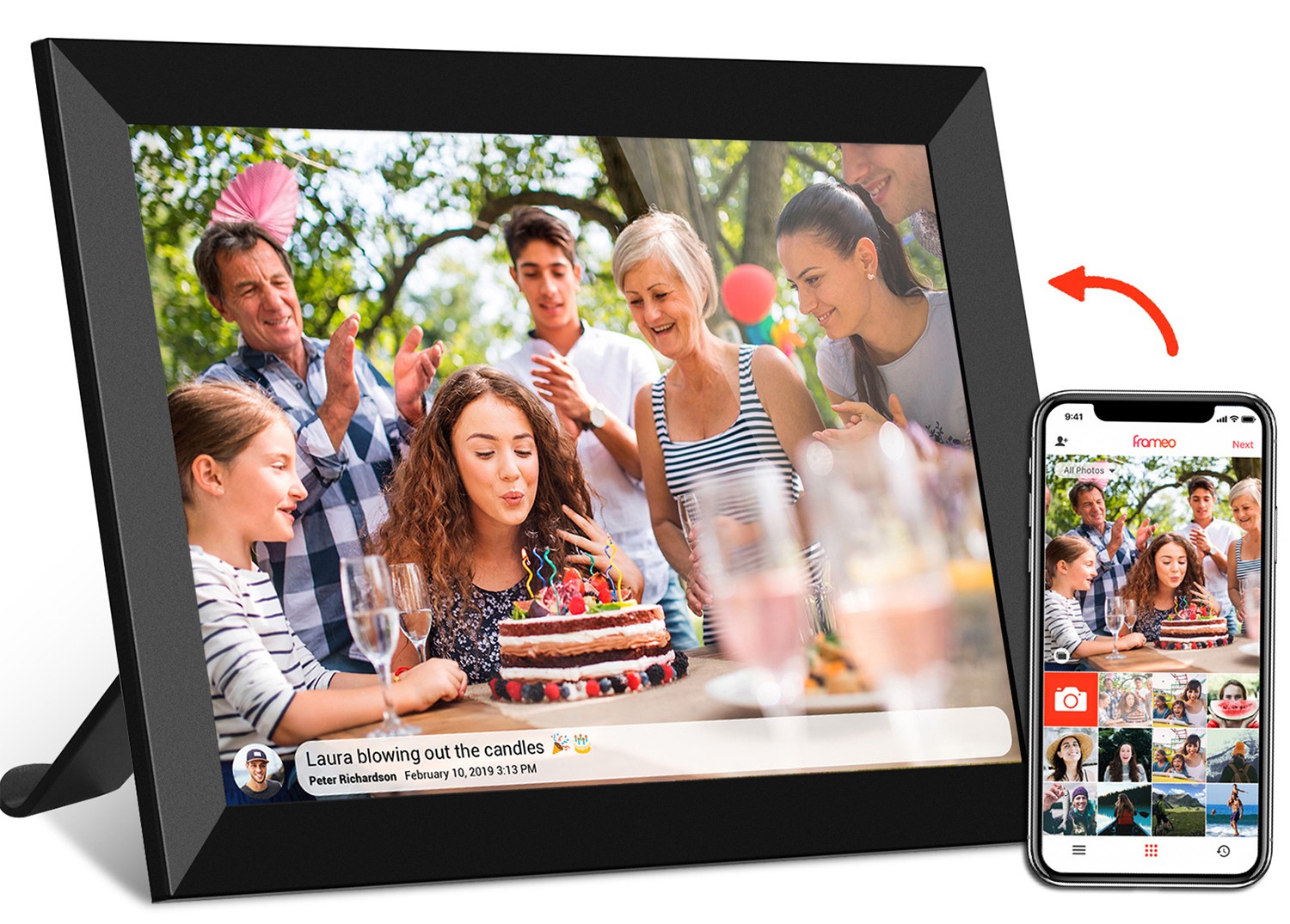
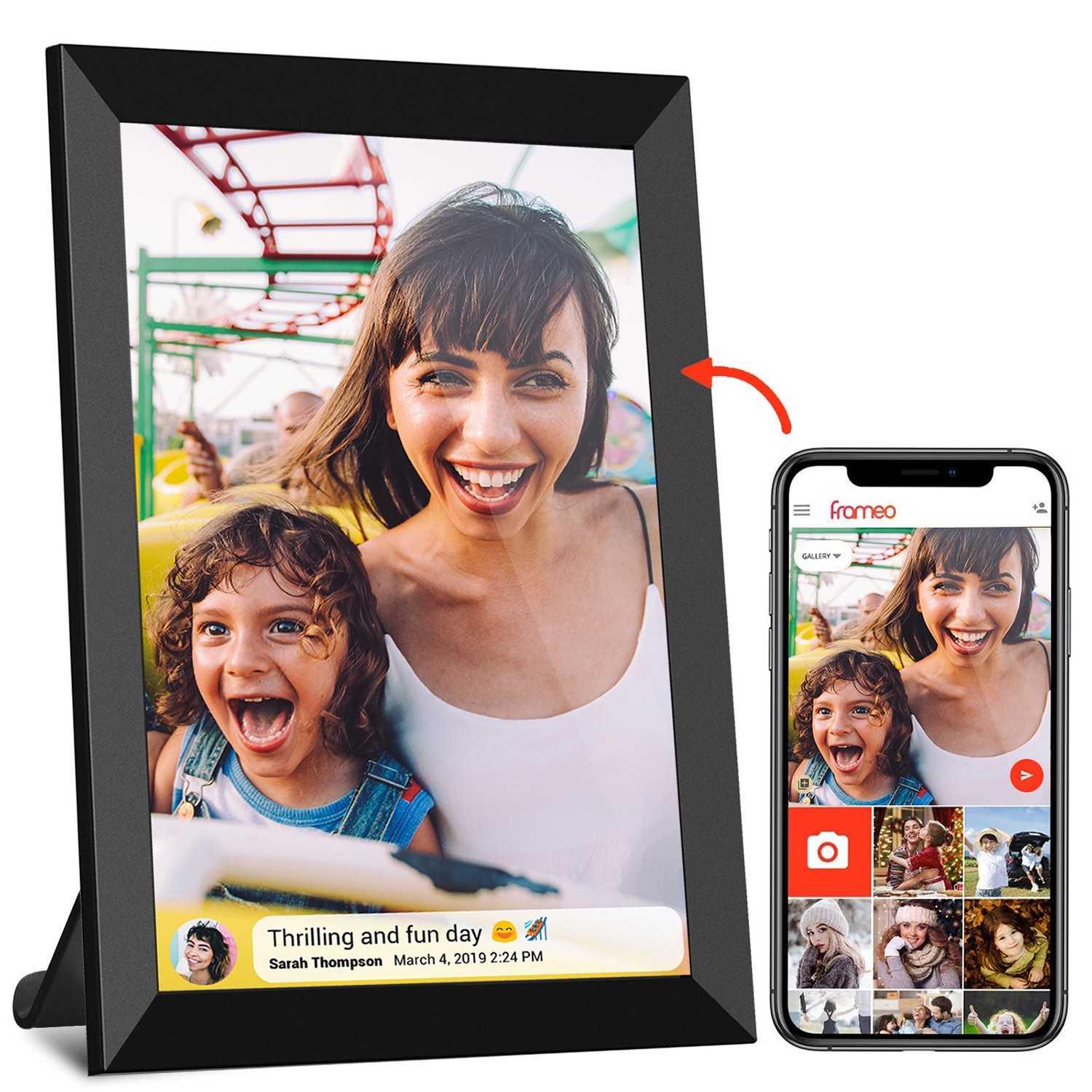
At its core, split-screen is about flexibility. Whether you're using a compact android tablet digital signage in a cafe or a massive 43 inch commercial digital signage in a convention center, the goal is the same: to maximize the value of your screen real estate. Instead of buying three separate displays to show a video, a menu, and a social media feed, you can merge them into one—saving money, reducing clutter, and creating a more cohesive visual experience.
Behind the scenes, split-screen playback relies on two key components: software and hardware. Let's break it down simply.
First, the software : Most digital signage systems come with a Content Management System (CMS)—a platform that lets you design, schedule, and manage your content. For split-screen, the CMS includes tools to create "layouts": grids, boxes, or custom shapes that divide the screen into zones. You can drag and drop different types of content into each zone—say, a YouTube video in the top-left, a Google Sheet in the bottom-right, and a live Twitter feed in the middle. The CMS then "tells" the screen how to render each zone, ensuring they play smoothly without overlapping or lagging.
Then, the hardware : The screen itself (whether it's a floor standing digital signage or a wall-mounted display) needs enough processing power to handle multiple content streams at once. A basic 10.1 inch digital photo frame might struggle with four high-definition videos, but a 21.5 inch wifi digital picture frame with touch—or a dedicated digital signage player—has the CPU and GPU to keep everything running seamlessly. Some systems even use cloud-based processing, where heavy tasks (like rendering live feeds) happen off-site, reducing the load on the local hardware.
Connectivity matters too. Most split-screen setups use Wi-Fi for updating content remotely, but in busy environments like offices, POE meeting room digital signage (which uses Power over Ethernet) is popular. POE sends both power and data through a single Ethernet cable, simplifying installation and ensuring a stable connection—no more messy wires or dead batteries mid-presentation.
Split-screen isn't just a fancy feature—it solves real problems. Here's why businesses and organizations are adopting it:
Why buy two screens when one can do the job? Split-screen reduces the need for multiple displays, cutting costs on hardware, installation, and energy. A small cafe, for example, can use a single android tablet digital signage near the counter to show daily specials, a "Today's Barista" bio, and a rotating slideshow of customer reviews—no extra screens required.
People are drawn to variety. A screen showing only one ad might get ignored, but a split-screen with a mix of videos, text, and live content is more likely to hold attention. Think of a sports bar: instead of switching between football and basketball games, a split-screen lets fans watch both at once, keeping them in their seats longer (and ordering more snacks).
With split-screen, you can update one zone without disrupting the others. A clothing store might swap out a "Summer Sale" video for a "Back-to-School" promo in the main zone, while leaving the social media feed and store map running. In healthcare settings, a healthcare android tablet in a waiting room can update appointment times in real-time (so patients know if the doctor is running late) without pausing the calming nature video in the corner.
Too much information on one screen can be overwhelming, but split-screen organizes content into neat zones. A university campus sign, for example, might use a vertical split: left side for class schedules, right side for event announcements. Students can quickly scan the section they need, instead of squinting at a jumbled mess of text.
Split-screen isn't one-size-fits-all. The best layout depends on your content, audience, and space. Here are some common setups, along with when to use them:
| Layout Type | Description | Ideal Use Cases | Example Scenario |
|---|---|---|---|
| 2x2 Grid | Screen divided into 4 equal squares (2 rows, 2 columns). | Displaying multiple pieces of content with equal importance. | A retail store showing four product videos (one for shoes, one for shirts, etc.) to highlight a new collection. |
| 1 Main + 3 Supporting | One large central zone (60% of the screen) with three smaller zones around it. | Primary content (like a video) with supplementary info (social feeds, weather, news). | A hotel lobby using floor standing digital signage: main zone shows a promotional video of the pool, supporting zones show local attractions, check-in times, and Wi-Fi password. |
| Vertical Split (1:1) | Screen split down the middle into two equal vertical sections. | Two distinct types of content (e.g., text-heavy and visual-heavy). | A healthcare android tablet in a clinic: left side shows patient appointment times (text), right side shows a live feed of the pharmacy queue (visual). |
| Horizontal Split (3:1) | Screen split into a large top section (75%) and a small bottom section (25%). | Long-form content (like a presentation) with a persistent ticker (news, alerts). | A POE meeting room digital signage showing a PowerPoint presentation (top) and a scrolling list of upcoming meetings (bottom). |
The key is to balance variety with readability. A 3x3 grid might seem efficient, but tiny zones can make text unreadable—especially from a distance. Test layouts from where your audience will stand or sit; if you can't read the smallest zone from 10 feet away, simplify the design.
Split-screen playback isn't just for ads—it's changing how industries communicate. Let's look at how different sectors are using it:
Retailers love split-screen for its ability to showcase multiple products and engage shoppers. A clothing brand might use a 21.5 inch wifi digital picture frame with touch near the fitting rooms: one zone plays a video of models wearing the latest line, another shows customer reviews ("This dress is so soft!"), and a third displays a QR code for easy online ordering. Floor standing digital signage in department stores often uses the "1 Main + 3 Supporting" layout to highlight a featured product (like a new perfume) while cross-promoting related items (lotion, shower gel) in the smaller zones.
Even small businesses benefit. A coffee shop with a compact android tablet digital signage by the register can split the screen into a menu (top), a "Today's Special" image (middle), and a live feed of their Instagram (bottom)—turning a simple display into a mini marketing hub.
Hospitals and clinics are using split-screen to reduce stress and improve efficiency. Waiting rooms often have healthcare android tablets with vertical splits: one side lists appointment times (so patients know when to expect their turn), the other plays calming nature videos or health tips ("5 Ways to Lower Blood Pressure"). In staff break rooms, digital signage might split into a schedule of shifts, a list of open beds, and a live feed from the ER—keeping nurses and doctors updated without crowding the space with bulletin boards.
Long-term care facilities take it a step further. A dementia care unit might use a split-screen with a large digital clock (to reduce confusion) and a slideshow of family photos (to trigger memories)—all on a single, unobtrusive screen.
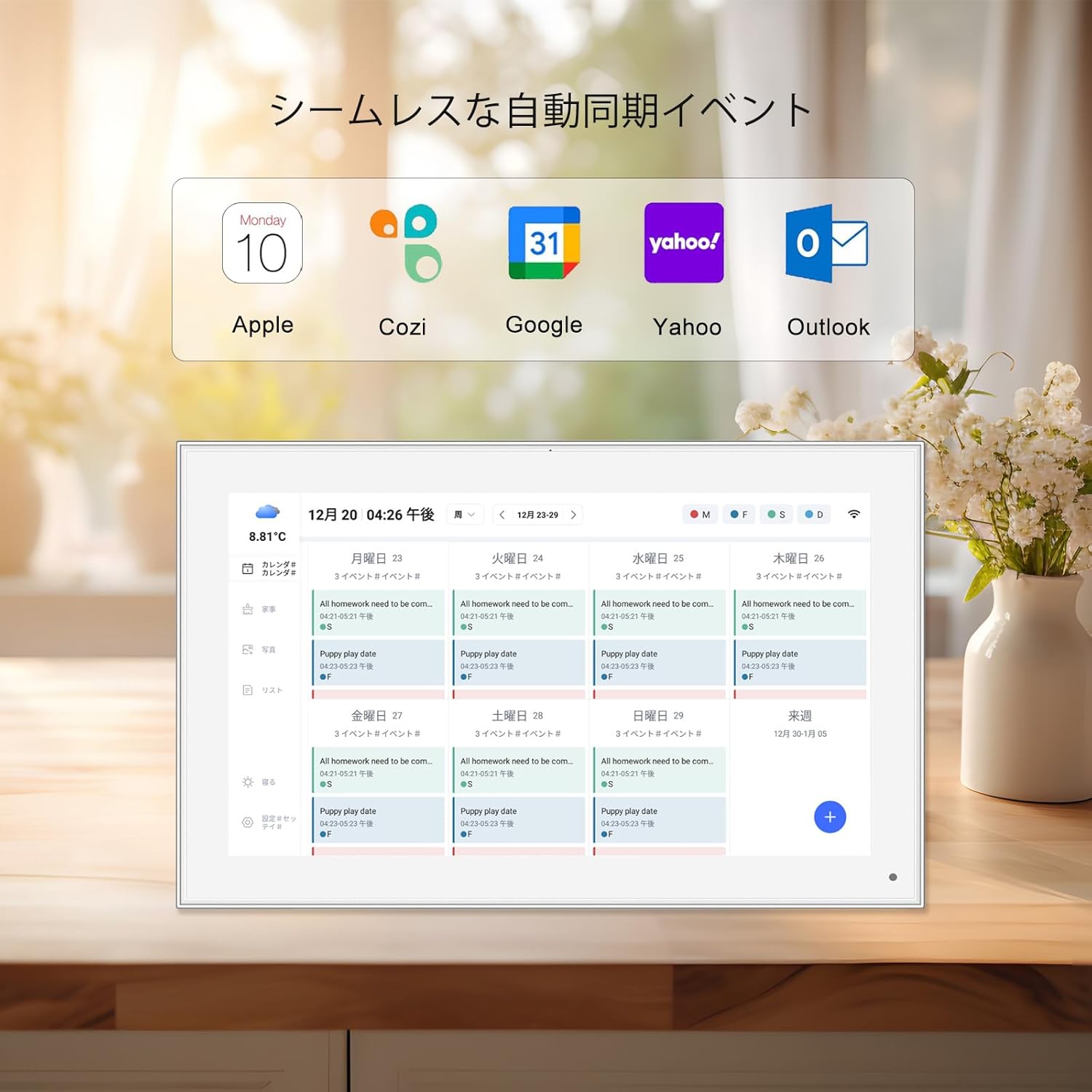
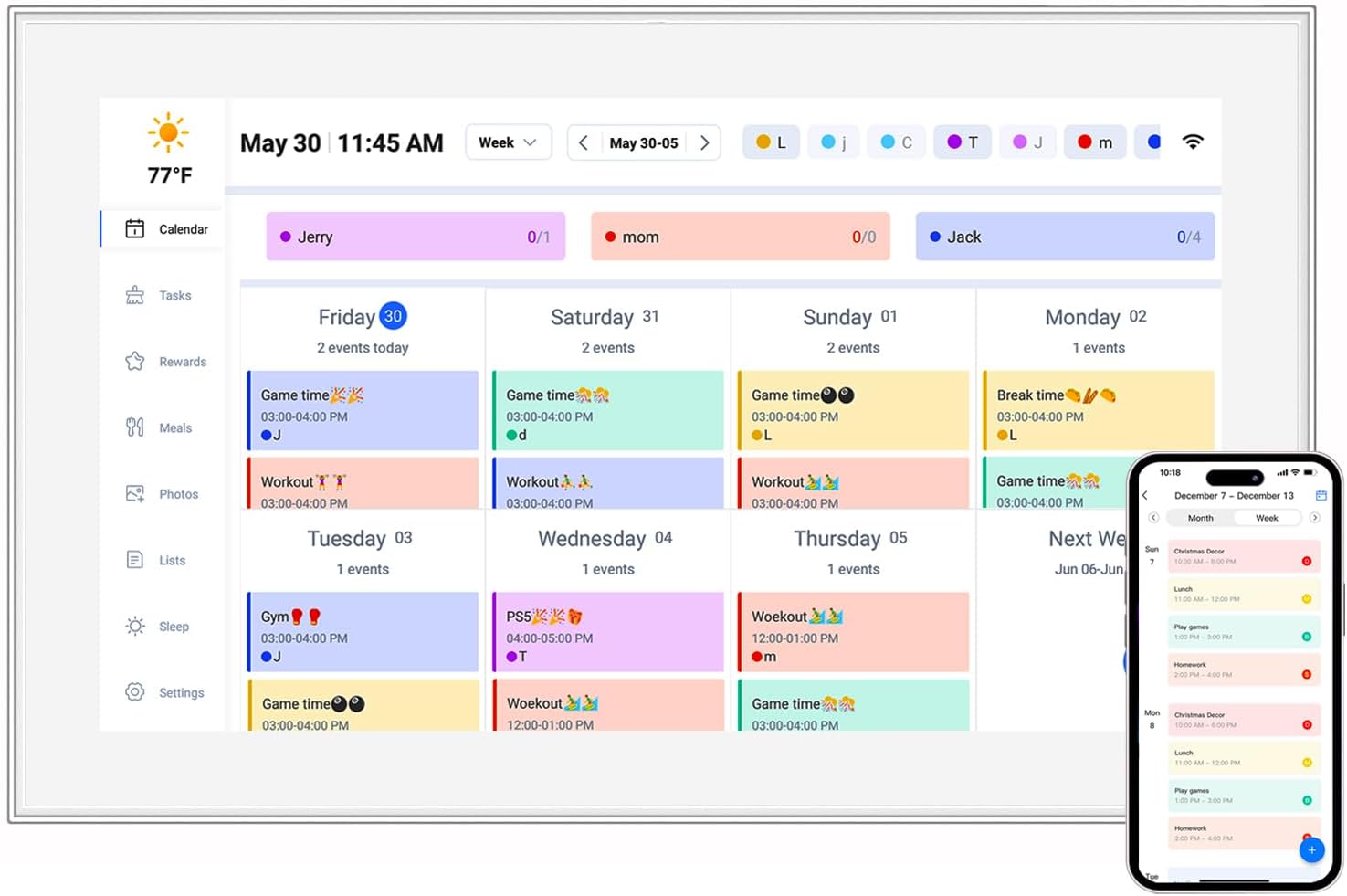
Offices are ditching messy whiteboards for POE meeting room digital signage with split-screen. Imagine walking into a conference room: the screen is split into four zones—one showing the meeting agenda (from a shared Google Doc), another displaying video call participants, a third with the presenter's slides, and a tiny fourth with a live timer ("15 minutes left"). POE makes this setup a breeze: no need for separate power cords or Wi-Fi extenders—just plug in the Ethernet cable and go. After the meeting, the split-screen can switch to a company-wide announcement video, ensuring the space stays useful even when empty.
Reception areas also benefit. A lobby screen might split into a welcome message, a live feed of the CEO's latest blog post, and a map of the office—helping visitors and new hires navigate without asking for directions.
Airports and train stations are chaotic places, but split-screen digital signage brings order. A 43 inch commercial digital signage above a gate might split into flight times (main zone), weather at the destination (small top zone), and a safety video (small bottom zone). Bus stops use horizontal splits: top for arrival times, bottom for local ads ("Get 10% off at the coffee shop across the street!"). Even ride-share pickup areas benefit—split-screens can show a live map of incoming drivers, a list of nearby pickup points, and a reminder to wear seatbelts.
Ready to try split-screen? Here are some technical tips to avoid common pitfalls:
Not all CMS platforms are created equal. Look for one with drag-and-drop layout tools (no coding required!), support for live content (like Google Sheets or social media feeds), and scheduling features (so you can set layouts to change automatically—e.g., morning vs. evening). Cloud-based CMS systems are best for remote management; you can update a split-screen in Tokyo from your laptop in New York.
A screen that can't handle multiple HD videos will stutter, ruin the experience, and make your brand look unprofessional. For most split-screen setups, aim for a display with at least 1080p resolution (4K if it's larger than 32 inches). If you're using a standalone player (instead of a built-in smart screen), opt for one with at least 4GB of RAM and a quad-core processor. Remember: floor standing digital signage that runs 12+ hours a day needs reliable hardware—no cheap knockoffs here.
That tiny 10% zone might seem like a good spot for a news ticker, but if the font is too small, no one will read it. Rule of thumb: text in the smallest zone should be readable from at least 6 feet away. Use high-contrast colors (black text on white, not yellow on white) and avoid busy backgrounds behind text. Tools like WebAIM Contrast Checker can help ensure your text is visible.
Updating split-screen content is easy, but don't overdo it. Changing layouts every 5 minutes can confuse viewers. Instead, set a schedule: update promotions daily, social feeds hourly, and live data (like stock prices) in real-time. Some CMS systems let you "lock" certain zones (e.g., the date and time) so they never change, while others auto-refresh—find a balance that works for your audience.
Split-screen playback is evolving fast, and future trends promise to make it even more powerful. Here's what to watch for:
Imagine a split-screen that "sees" who's watching and adjusts content accordingly. Cameras (with privacy controls, of course) could detect if a viewer is a parent with kids, then switch one zone to show family-friendly products. Or, in a airport, split-screen might prioritize flight info for the airline of the nearest gate—no more scrolling through irrelevant flights.
Touchscreens are already common, but future split-screens might let viewers "drag" zones around. A shopper could tap a product video in the corner and expand it to full screen, then shrink it back to split-view when done. Gesture controls (wave to skip a video) or voice commands ("Show me the menu") could make interaction even easier.
Emerging tech could add depth to split-screen zones. A furniture store might show a 3D model of a couch in one zone, letting viewers rotate it with a swipe, while another zone displays fabric options. AR overlays could let passersby "try on" glasses or makeup via a split-screen camera feed—blending digital and physical shopping experiences.
As businesses focus on eco-friendliness, split-screen could help reduce energy use. Screens might dim non-essential zones during off-peak hours (e.g., the social media feed goes dark at night, but the clock stays lit). Solar-powered floor standing digital signage could also become more common, making split-screen accessible in outdoor spaces without access to electricity.
Split-screen playback isn't just about showing more content—it's about showing the right content, to the right people, at the right time. Whether you're using a healthcare android tablet to calm patients, a POE meeting room digital signage to streamline meetings, or a floor standing digital signage to sell products, split-screen turns passive displays into active communication tools.
The key is to start small. Pick one layout, test it with your audience, and tweak as needed. With the right software, hardware, and a little creativity, split-screen can transform your digital signage from a background noise into a focal point—one that informs, engages, and even delights.
So, the next time you walk past a digital sign showing more than one thing, take a closer look. It might just be the future of communication—one split screen at a time.