Running a business means keeping track of a million moving parts—meetings, deadlines, client appointments, team schedules, and even the occasional office birthday. In the chaos, a reliable calendar clock isn't just a nice-to-have; it's the quiet hero that keeps everyone aligned. But here's the thing: off-the-shelf calendar clocks often feel generic, like they're designed for homes, not the unique rhythm of a busy workplace. That's where a DIY approach comes in. By building your own calendar clock, you can tailor it to your business's needs, whether you're outfitting a cozy startup office or a sprawling corporate conference room. Today, we're breaking down how to install a
calendar days clock
that works for
your
team—no tech degree required. Let's get started.
Why Bother with DIY? (And Why This Guide is for You)
You might be thinking, "Why not just buy one?" Fair question. Pre-built calendar clocks are convenient, but they often skimp on features businesses need. Maybe you want to sync it with your company's Google Calendar, display custom branding, or fit it into a specific nook in your reception area. DIY lets you pick and choose. Plus, it's surprisingly affordable—especially if you source parts smartly. And yes, even if you're not a "tech person," this guide will walk you through every step.
We'll focus on two popular sizes that work for most businesses: the
10.1 inch digital calendar
(perfect for small spaces like front desks or individual workstations) and the
15.6 inch digital calendar
(ideal for conference rooms or break areas where everyone can see it). Both are easy to find, user-friendly, and adaptable. And don't worry about hunting down parts—we'll point you to trusted
online sell
platforms where you can grab everything you need without leaving your desk.
Step-by-Step Installation (Let's Build This Thing!)
Now for the fun part: putting it all together. We'll break this into five easy phases. Take your time, and remember—if you make a mistake, you can always backtrack. No pressure!
Phase 1: Unbox & Inspect Your Digital Calendar
First, open up your
10.1 inch digital calendar
or
15.6 inch digital calendar
box. Inside, you should find the display unit, power adapter, user manual, and maybe a quick-start guide. Take a minute to inspect the screen for cracks or scratches—this is especially important if you ordered online (though most
online sell
platforms have solid return policies if something's off). Also, check that the power adapter matches the one listed in the manual. If anything's missing, contact the seller right away.
Pro tip: Save the box! If you ever need to move the calendar clock or ship it for repairs, the original packaging is your best friend.
Phase 2: Choose Your Mounting Spot (Wall vs. Desktop)
Where will your calendar clock live? Let's weigh the options:
-
Wall mounting:
Best for saving desk space and ensuring visibility (great for conference rooms or reception areas). Use a stud finder to locate wall studs—this keeps the calendar secure, especially for larger 15.6 inch models.
-
Desktop stand:
Perfect if you rent your office (no drilling!) or want flexibility to move it around. Most digital calendars come with a simple stand, or you can buy a sleek one online for a more polished look.
Once you've picked a spot, use your measuring tape and pencil to mark where the bracket will go. For wall mounting, hold the bracket against the wall, level it, and mark the screw holes. If you're using wall anchors (for drywall without studs), drill small pilot holes first—this prevents the wall from cracking.
Phase 3: Attach the Bracket & Secure the Calendar
Now, let's mount the bracket. If you're using screws, drive them into the wall (or anchors) until they're snug but not overtight—you don't want to strip the holes. Then, attach the bracket to the back of the digital calendar. Most models have VESA mounting holes (standard for displays), so the bracket should line up easily. Use the screws that came with the bracket (they're usually shorter to avoid damaging the screen).
Gently lift the calendar and hook it onto the wall bracket (or place it on the desktop stand). Give it a light shake to make sure it's secure—you don't want it wobbling mid-meeting.
Phase 4: Power It Up & Connect to Wi-Fi
Plug the power adapter into the calendar clock and a nearby outlet. You should see the screen light up—hooray, it's alive! Now, let's get it online. Most digital calendars have a built-in Wi-Fi setting (check the user manual for the exact steps—every brand is a little different). Go to "Settings," select "Wi-Fi," and choose your business's network. Enter the password, and wait for it to connect (this might take a minute).
Why Wi-Fi? It lets you sync the calendar with your business apps, update the time automatically (no daylight saving time stress!), and even push updates remotely. If your office has a guest network, use the main one instead—it's more reliable for long-term use.
Phase 5: Set Up the Calendar Software (Make It Yours!)
Now comes the customization. Most
10.1 inch digital calendar
and
15.6 inch digital calendar
models come with a basic calendar app pre-installed, but you can upgrade to something fancier if you want. Here's how to make it work for your business:
-
Sync with your company calendar:
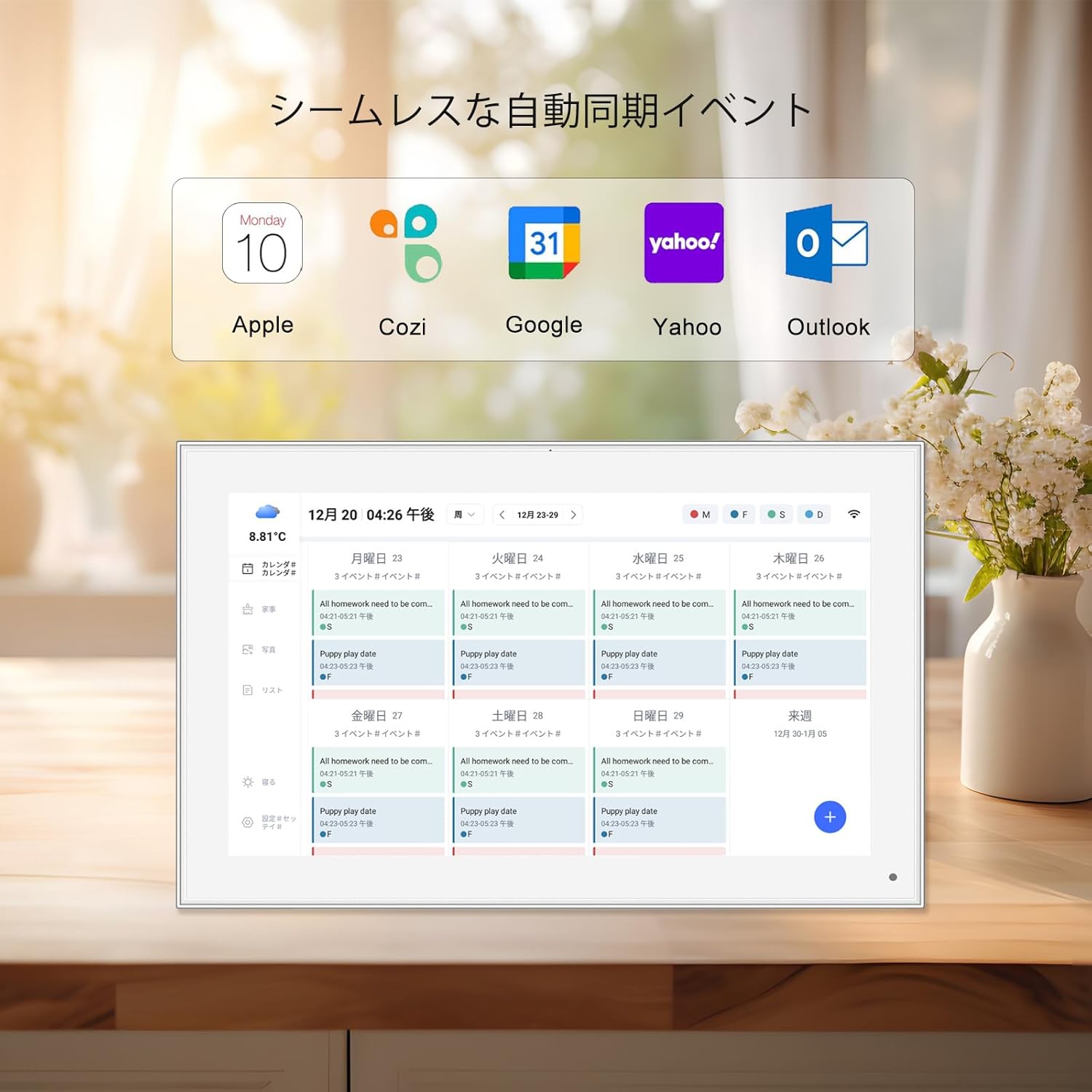
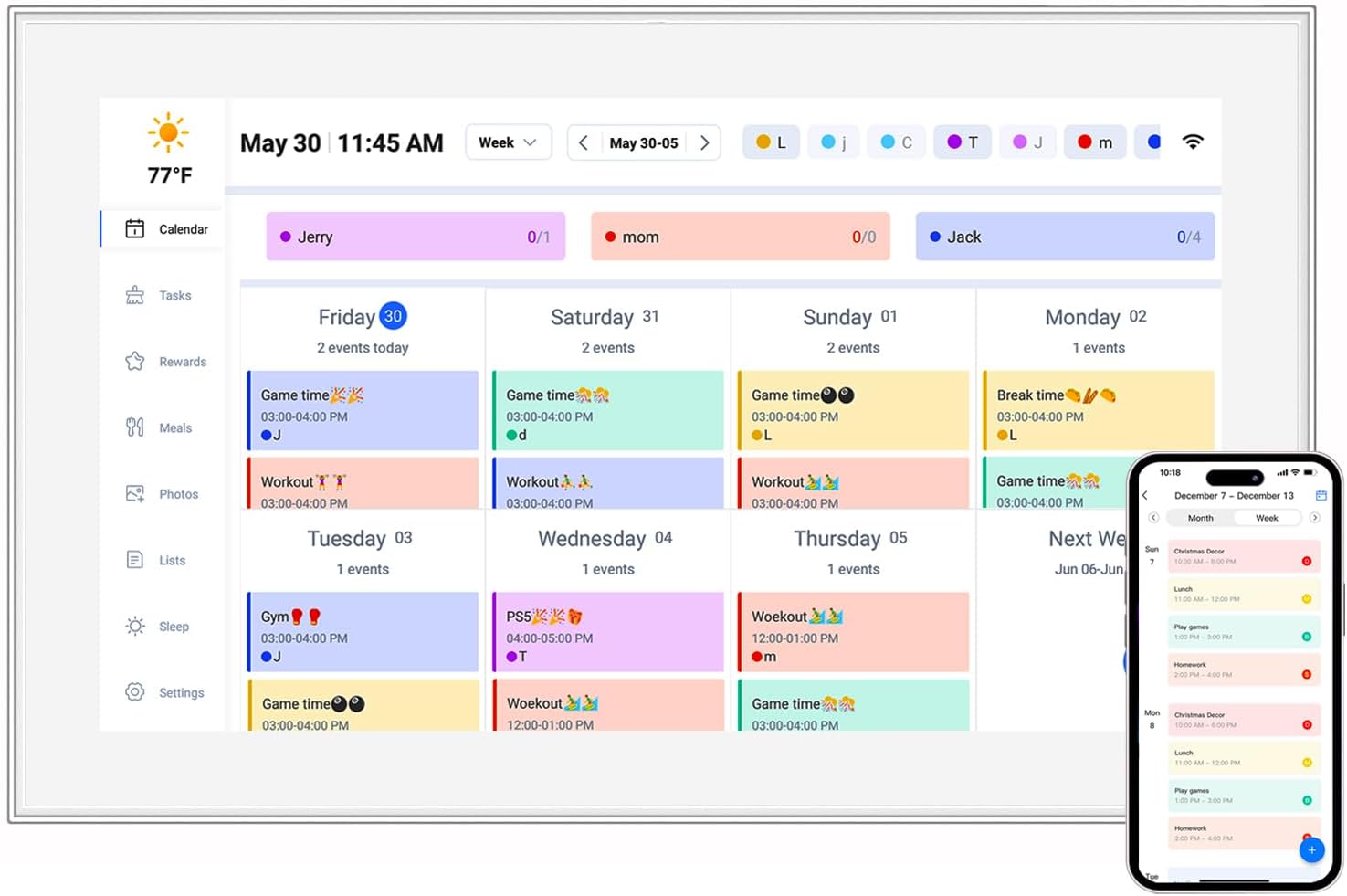
Look for an "Add Calendar" option in the app. Enter your Google Calendar, Outlook, or iCal URL (you can find this in your calendar settings under "Share"). Now, all your team meetings and deadlines will automatically show up on the clock.
-
Adjust the display settings:
Change the time format (12-hour vs. 24-hour), date style (MM/DD/YYYY or DD/MM/YYYY), and brightness (dimmer for low-light areas like break rooms). Some models even let you set a screensaver—upload your company logo or a fun team photo!
-
Set reminders:
Want to alert the team about an upcoming all-hands meeting? Use the "Reminders" feature to pop up a notification 10 minutes before. No more last-minute dashes to the conference room.
Pro tip: Test the sync by adding a dummy event to your calendar (e.g., "Test Calendar Sync 3 PM"). If it shows up on the digital calendar within 5 minutes, you're golden. If not, double-check the Wi-Fi connection and calendar URL.
Troubleshooting: Common Hiccups & How to Fix Them
Even the best DIY projects hit snags. Here's how to troubleshoot the most likely issues:
Problem: The screen won't turn on.
Solution: Check the power adapter first—make sure it's plugged into both the calendar and the outlet. If that's not it, try a different outlet (sometimes circuits trip). If the adapter's light is on but the screen is dark, the calendar might need a reset—look for a tiny reset button on the back (use a paperclip to press it for 10 seconds).
Problem: The calendar isn't syncing with my apps.
Solution: Verify the Wi-Fi connection—sometimes the calendar drops the network. Go to "Settings" > "Wi-Fi" and reconnect. If that fails, check the calendar URL you entered—typos happen! You can also try restarting the calendar (unplug it, wait 30 seconds, then plug it back in).
Problem: The screen is too dim/too bright.
Solution: Adjust the brightness in "Settings" > "Display." If it's still not right, check if the calendar has an "Auto-Brightness" feature—this uses a light sensor to adjust based on the room, which is great for saving energy.
Problem: The bracket feels loose.
Solution: Tighten the screws on the bracket (both on the wall and the back of the calendar). If it's wall-mounted and still wobbly, you might need to use longer screws or switch to heavy-duty anchors—these are easy to find on
online sell
sites.
Going the Extra Mile: Custom Features for Businesses
Now that your calendar clock is up and running, let's make it truly yours. Here are a few ideas to level up:
Add Company Branding
Most digital calendars let you upload custom backgrounds or screensavers. Use Canva (a free design tool) to create a template with your company colors, logo, and a friendly message like "Welcome to [Your Business]—Today's Meetings: 2 PM Client Call, 4 PM Team Huddle." It's a subtle way to reinforce your brand without feeling salesy.
Display Weather & News (Optional)
Some calendar apps let you add widgets for local weather or industry news. This is a nice touch for reception areas—clients waiting for appointments will appreciate the update, and your team can grab a weather check before heading out for lunch.
Set Up Multiple Users
If multiple teams need to update the calendar (e.g., HR for company events, sales for client meetings), share the calendar app login with trusted staff. Just make sure to set permissions—you don't want interns accidentally deleting all the events!
Maintenance Tips to Keep It Running Smoothly
Like any office tool, your calendar clock needs a little TLC to stay in top shape. Here's how to keep it going strong:
-
Clean the screen weekly:
Use a dry microfiber cloth to wipe away dust and fingerprints. Avoid glass cleaners—they can damage the screen's coating. For stubborn smudges, dampen the cloth with a tiny bit of water (and dry immediately).
-
update the software:
Check the calendar's "Settings" > "System Updates" monthly. Updates fix bugs and add new features—plus, they keep your calendar secure (important if it's connected to your business network).
-
Dust the vents:
Over time, dust builds up in the vents, which can cause the calendar to overheat. Use a can of compressed air (available online or at office supply stores) to blow out dust—hold the can upright to avoid moisture.
-
Unplug during storms:
Power surges can fry electronics. If a storm is coming, unplug the calendar clock (or use a surge protector for extra safety).
You Did It! Your Business Now Has a Custom Calendar Clock
Take a step back and admire your handiwork. That sleek
10.1 inch digital calendar
or bold
15.6 inch digital calendar
isn't just a display—it's a tool that will keep your team on track, impress clients, and add a professional touch to your workspace. And the best part? You built it yourself, tailored to your business's needs.
Remember, if you ever need to expand—say, adding a second calendar clock in the break room—you've already got the skills. And with parts easy to find on
online sell
platforms, scaling up is a breeze.
Here's to fewer missed meetings, more organized days, and a workspace that works
for
you. Happy scheduling!