In a world where digital technology seamlessly blends with daily life, the way we display memories, art, and information has undergone a remarkable transformation. Gone are the days of static photo albums gathering dust on shelves or generic posters fading in lobbies. Today, acrylic dynamic video frames stand at the intersection of innovation and aesthetics, offering a dynamic canvas that brings visuals to life. Among the many technological advancements elevating these frames, 4K resolution has emerged as a game-changer, redefining clarity, detail, and immersion. In this article, we'll explore why 4K matters in acrylic dynamic video frames, breaking down its advantages, real-world applications, and how it compares to lower resolutions. Whether you're a homeowner looking to elevate your living space, a business owner seeking to captivate customers, or a digital signage supplier curating cutting-edge displays, understanding the 4K difference will help you make informed choices that blend artistry with performance.
Before diving into 4K, let's first clarify what an acrylic dynamic video frame is—and why it's more than just a fancy screen. At its core, it's a fusion of premium materials and smart technology: the frame itself is crafted from high-quality acrylic, a material prized for its crystal-clear transparency, durability, and sleek, modern finish. Unlike traditional wooden or plastic frames, acrylic adds a touch of elegance, allowing the focus to remain on the content while complementing any decor, from minimalist homes to high-end retail spaces.
The "dynamic video" aspect is where it truly shines. Unlike static photo frames that display a single image, these frames play videos, slideshows, or even live feeds, turning any space into an interactive visual experience. Imagine a family room where a frame doesn't just show a still photo of your last vacation but plays a short clip of your kids laughing on the beach, or a boutique window where product videos loop, showcasing textures and movement that static images can never capture. This versatility makes acrylic dynamic video frames a favorite for both personal and commercial use—they're not just displays; they're storytellers.
When we talk about 4K, we're referring to a resolution of approximately 3840 x 2160 pixels—four times the number of pixels in a standard 1080p (Full HD) display (which is 1920 x 1080 pixels). To put that in perspective, a 4K screen packs over 8 million pixels into its display, while 1080p offers just under 2 million. Why does pixel count matter? Pixels are the tiny dots that make up an image; more pixels mean finer details, sharper edges, and smoother gradients. It's the difference between seeing a blurry face in a group photo and being able to pick out individual freckles or the texture of a sweater.
But 4K isn't just about "more pixels." It's about how those pixels work together to create a more lifelike viewing experience. Modern 4K displays also often include advanced technologies like High Dynamic Range (HDR), which expands contrast ratios and color depth, making blacks darker, whites brighter, and colors more true to life. For acrylic dynamic video frames, which are often viewed up close (unlike large TVs across a room), this level of detail becomes even more critical—every inch of the screen is under scrutiny, and 4K ensures there's no loss of quality, even when viewed from a short distance.
Now, let's get to the heart of the matter: why 4K is a game-changer for acrylic dynamic video frames. These advantages aren't just technical specs—they translate to real, tangible improvements in how we experience content.
The most obvious benefit of 4K is the level of detail it brings to images and videos. Whether you're displaying family photos, art prints, or promotional content, 4K ensures that even the smallest elements are crisp and clear. For example, a 10.1 inch wireless wifi digital photo frame with 4K resolution can display a childhood photo of your parent, capturing the faint smile lines around their eyes or the texture of the vintage shirt they wore—details that might blur into a smudge on a 1080p screen. Similarly, in a business setting, a product video showcasing a handcrafted watch would reveal the intricate gears and polished metal surfaces with stunning clarity, making customers more likely to appreciate the craftsmanship.
This detail is especially important for acrylic frames, which often serve as focal points. When guests or customers pause to look at the frame, they're not just glancing—they're engaging. 4K rewards that engagement by inviting viewers to lean in and notice things they might miss otherwise, turning a casual glance into a memorable interaction.
Acrylic dynamic video frames aren't just about sharpness—they're about emotion, and color plays a huge role in evoking feelings. 4K displays, particularly those with HDR support, offer wider color gamuts and better color accuracy than lower resolutions. This means reds are more vivid, blues more serene, and skin tones more natural. For family photos, this translates to capturing the warmth of a sunset picnic or the soft pink of a newborn's cheek exactly as you remember it. For businesses, accurate colors ensure brand consistency—imagine a coffee shop displaying a video of its signature latte, where the rich brown of the espresso and creamy white of the foam match the real thing, making customers' mouths water.
Acrylic's transparency enhances this further. Since the material doesn't yellow or distort light like some plastics, the 4K colors shine through unfiltered, creating a display that feels more like looking through a window than at a screen. This combination of 4K color accuracy and acrylic clarity makes for visuals that feel almost three-dimensional.
Unlike static frames, acrylic dynamic video frames often play moving content—home videos, promotional clips, or even short animations. Here, 4K's benefits extend beyond still images to motion handling. Most 4K displays in modern frames support higher refresh rates (60Hz or more), which reduce motion blur when content is moving. This is crucial for videos of kids running around the yard, a chef chopping vegetables in a restaurant ad, or a fashion model walking down a runway—4K ensures the action stays smooth, not choppy or blurry.
Lower resolutions can struggle with motion, especially in fast-paced scenes, leading to "ghosting" or smearing. But with 4K's higher pixel density and advanced processing, even quick movements remain crisp. For a digital signage supplier, this is a key selling point: a 4K acrylic frame in a busy mall can play a high-energy promotional video all day, and passersby will still see every frame clearly, even in a split-second glance.
Acrylic dynamic video frames are designed to be noticed, and 4K amplifies that by creating a more immersive experience. The combination of sharp detail, vibrant colors, and smooth motion makes viewers feel like they're part of the content, not just observers. Imagine a healthcare facility using a 4K acrylic frame to display calming nature videos—patients might feel transported to a forest or beach, reducing stress. Or a classroom where a 4K frame shows interactive science experiments, making complex concepts easier to grasp through clear, detailed visuals.
This immersion is also psychological. Studies have shown that high-resolution displays capture and hold attention longer than lower-resolution ones. For businesses, this means customers spend more time engaging with your content, increasing brand recall. For families, it means more moments spent gathered around the frame, reliving memories or sharing new ones.
Content creation is rapidly moving toward 4K and beyond. Most smartphones, cameras, and even drones now shoot in 4K, and streaming platforms like YouTube and Netflix offer extensive 4K libraries. By investing in a 4K acrylic dynamic video frame, you're ensuring your display can handle the content of today and tomorrow. A 1080p frame might struggle with 4K videos, downscaling them to fit and losing quality in the process. But a 4K frame will display native 4K content as it was meant to be seen, ensuring your investment remains relevant for years to come.
To better understand 4K's impact, let's look at how these frames are used in everyday scenarios, from homes to businesses.
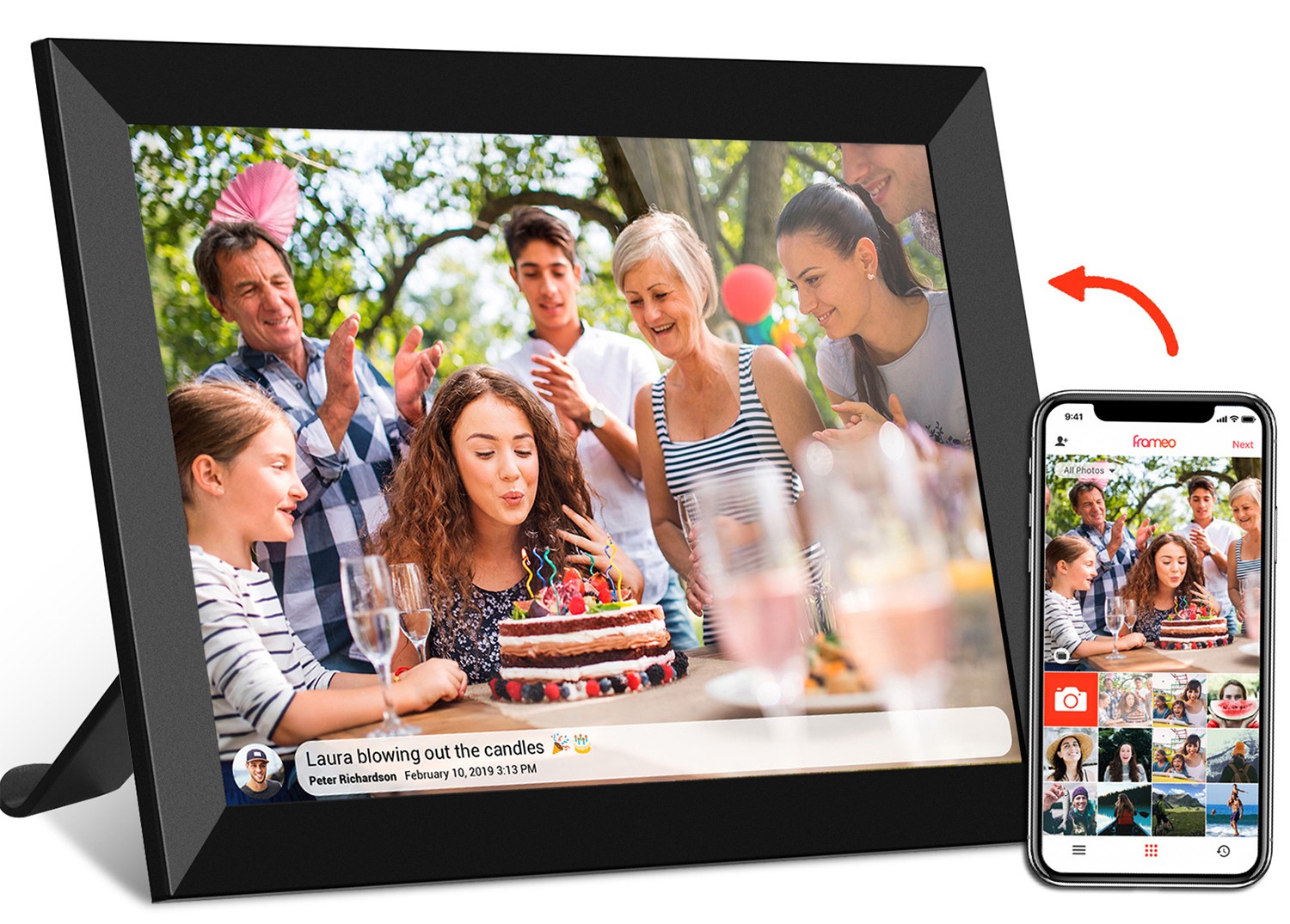
For families, a 4K acrylic dynamic video frame—like the popular Frameo wifi digital photo frame 10.1 inch—becomes a central hub for sharing moments. Frameo's app allows loved ones to send photos and short videos directly to the frame from anywhere in the world, and with 4K resolution, those moments arrive in breathtaking quality. Imagine your sibling sending a video of their child's first steps from overseas: on a 4K frame, you'll see the little one's wobbly legs, the carpet fibers beneath them, and the proud smile on your sibling's face—details that make the moment feel close, even from miles away.
Acrylic's sleek design also fits seamlessly into home decor. A 21.5 inch wifi digital picture frame with Frameo and touch functionality, encased in clear acrylic, can hang in a living room, displaying a rotating gallery of family videos and photos without clashing with furniture or wall colors. The 4K touchscreen adds convenience, letting you swipe through content or adjust settings with a tap.
For businesses, a digital signage supplier might recommend 4K acrylic dynamic video frames as a way to stand out in crowded markets. Retail stores can use them to display product videos, highlighting features like fabric texture in clothing or the shine of jewelry. Restaurants might showcase food preparation videos, where 4K captures the steam rising from a hot dish or the crispness of a freshly baked pastry. In offices, they can serve as interactive meeting room displays, showing presentations with sharp text and charts that everyone in the room can read clearly.
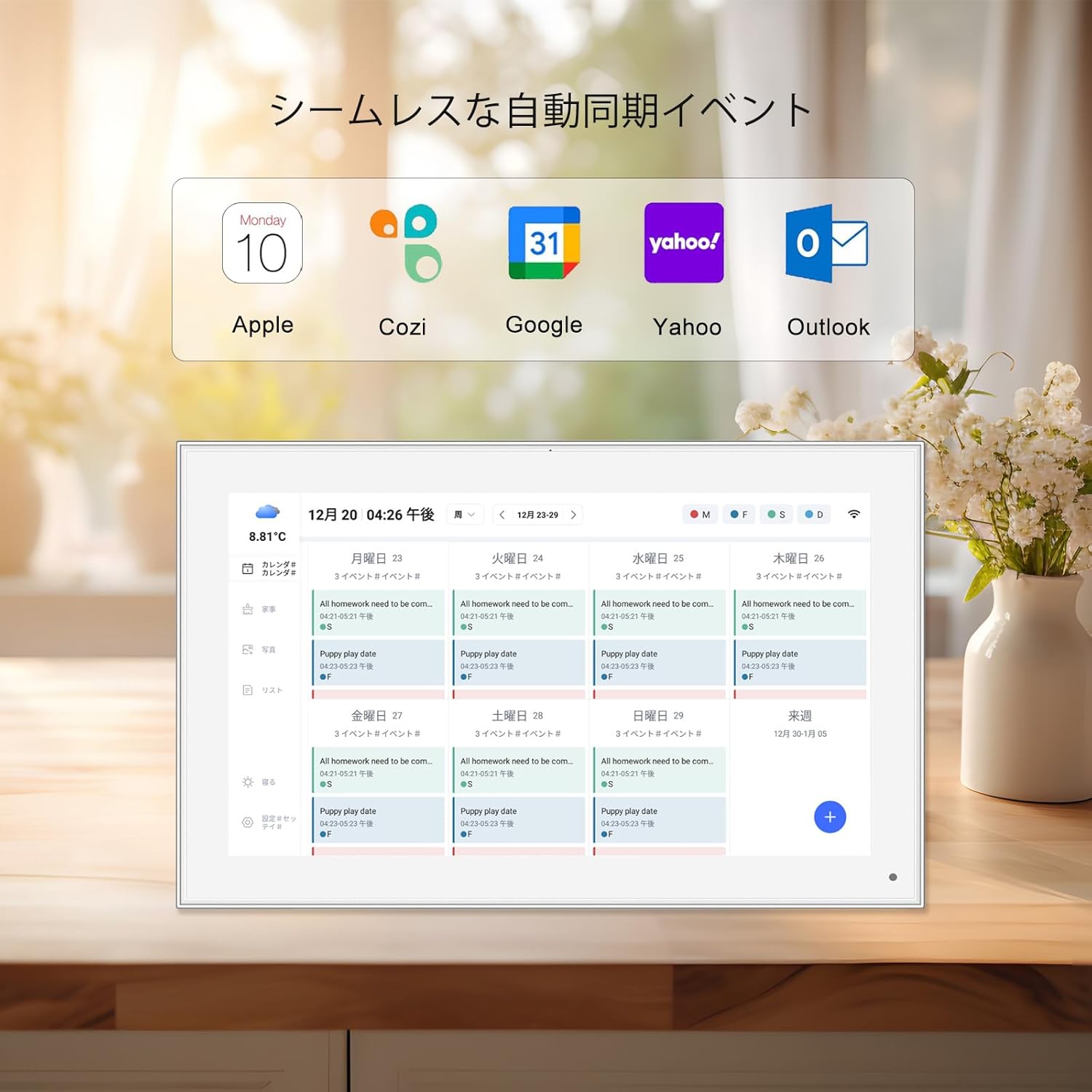
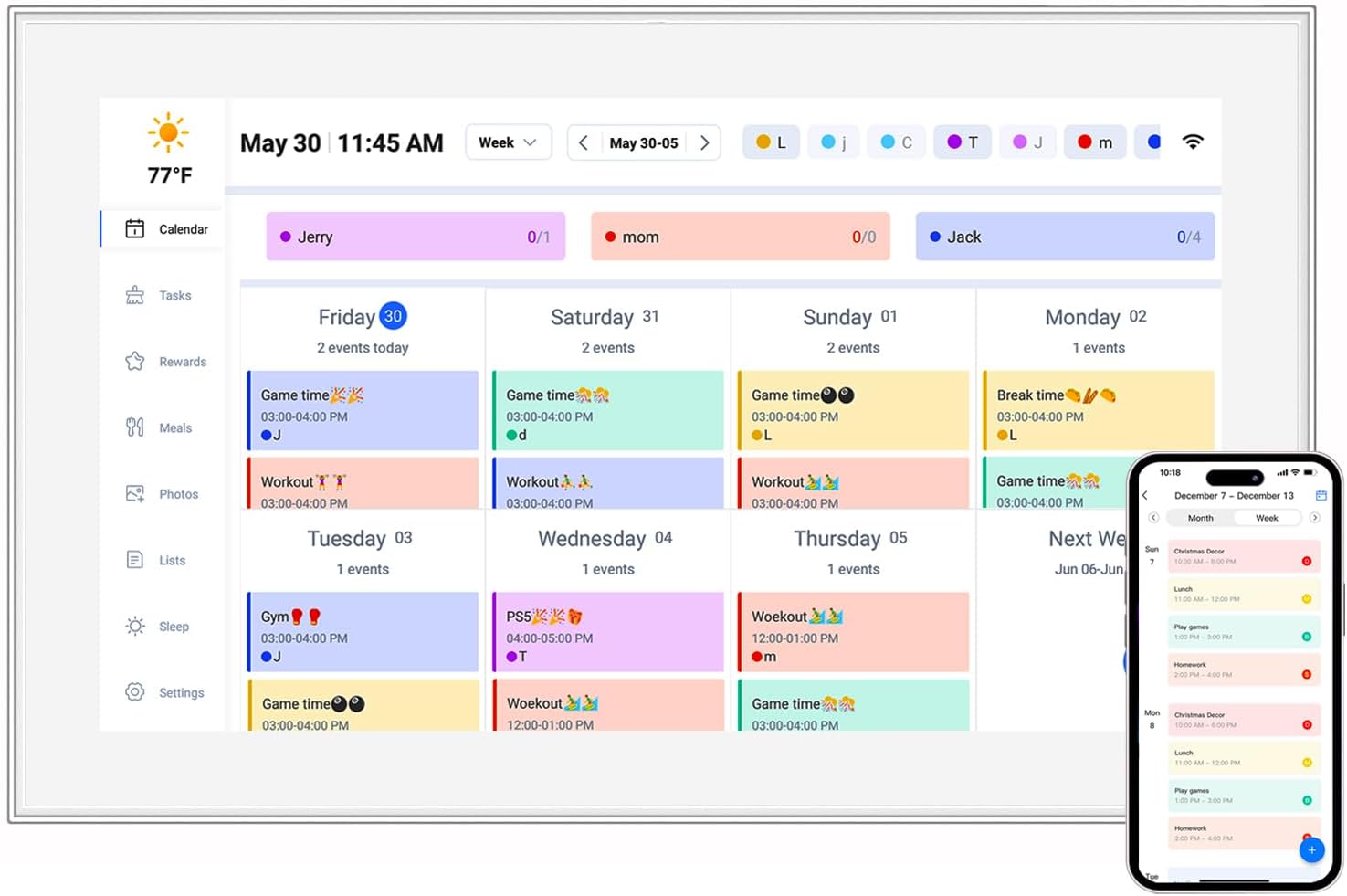
The acrylic material adds a premium feel, signaling to customers that your brand values quality. A 15.6 inch digital calendar in a hotel lobby, for example, not only displays events but does so with 4K clarity, making the space feel modern and attentive to detail. Even small businesses benefit: a boutique using an acrylic motion video frame in its window can attract foot traffic with dynamic content that's impossible to ignore.
In specialized fields like healthcare, clarity can be critical. A healthcare android tablet with 4K resolution might display patient information, medical diagrams, or rehabilitation exercises with precise detail, ensuring healthcare providers and patients alike can see every important element. Similarly, in education, a 4K acrylic frame can show interactive lessons—from close-up shots of a science experiment to historical maps with tiny text—making learning more engaging and effective.
To put 4K's advantages into perspective, let's compare it to common lower resolutions used in digital frames: 1080p (Full HD) and 720p (HD). The table below breaks down key differences:
| Resolution | Pixel Count | Detail Level | Suitable Content | Ideal Viewing Distance |
|---|---|---|---|---|
| 4K (3840x2160) | ~8.3 million | Extremely sharp; captures fine textures, small text, and subtle color gradients | High-quality photos, videos, art, detailed presentations | Close (1–3 feet) to medium (3–6 feet) |
| 1080p (1920x1080) | ~2.1 million | Sharp for most content, but small details may blur at close range | Standard photos, basic videos, text-heavy slides | Medium (3–6 feet) to far (6+ feet) |
| 720p (1280x720) | ~0.9 million | Noticeable pixelation in close viewing; limited detail | Simple slideshows, low-resolution videos | Far (6+ feet) |
As the table shows, 4K excels in close viewing scenarios—which is exactly where acrylic dynamic video frames are typically used. A 10.1 inch frame on a desk or shelf is viewed from just a few feet away, making 4K's extra detail immediately noticeable. 1080p works for larger frames viewed from farther away, but for the intimate, up-close experience of acrylic frames, 4K is unmatched.
Acrylic and 4K aren't just paired by chance—they enhance each other. Acrylic is known for its optical clarity; unlike glass, it's lightweight and shatter-resistant, but more importantly, it has excellent light transmission, meaning it doesn't filter or distort the colors and details produced by the 4K screen. This transparency ensures that the 4K content remains the star, with the frame itself acting as a nearly invisible border.
Additionally, acrylic can be shaped and finished in various ways—matte, glossy, or frosted—to enhance the viewing experience. A glossy acrylic frame, for example, adds a subtle reflection that mimics the sheen of a high-quality print, while a frosted edge softens the frame's, making the content feel more integrated into the space. When combined with 4K, these design choices create a display that's as much a piece of art as it is a tech device.
In the world of digital displays, 4K resolution has set a new standard for clarity and immersion, and when paired with the elegance of acrylic dynamic video frames, it creates a product that's both functional and beautiful. From preserving family memories with stunning detail to helping businesses captivate customers, 4K offers advantages that go beyond "better pixels"—it enhances how we connect with content.
Whether you're considering a Frameo wifi digital photo frame for your home, an acrylic motion video frame for your business, or a specialized healthcare tablet, choosing 4K ensures you're investing in a display that will remain impressive for years to come. As content creation continues to shift toward higher resolutions, 4K frames future-proof your investment, ensuring your visuals always look their best.
In the end, 4K acrylic dynamic video frames aren't just about seeing more pixels—they're about seeing more of life. The smiles, the details, the moments that make life meaningful—all preserved and displayed with the clarity they deserve. And in a world where we're constantly bombarded with visuals, that kind of quality is truly priceless.