DIY Android Tablet Complete Steps: 2025 B2B Solution

DIY Android Tablet Complete Steps: 2025 B2B Solution

author: admin
2025-09-12

In today's fast-paced business world, off-the-shelf tech often falls short of unique B2B needs. Whether you're outfitting a hospital with healthcare Android tablets for patient monitoring or equipping retail spaces with Android tablet digital signage , building a custom solution can save costs and boost functionality. This guide walks you through creating a DIY Android tablet—perfect for B2B applications like healthcare, retail, or corporate settings. Let's dive in.

Step 1: Define Your B2B Requirements

Before picking up a screwdriver, ask: What problem will this tablet solve? B2B use cases vary wildly, and your specs will hinge on the answer. For example:

  • Healthcare Android tablet: Prioritize durability (water-resistant casing), long battery life (12+ hours for shift work), and compatibility with medical software (e.g., EHR systems). A 10.1-inch screen strikes a balance between portability and readability for nurses on the go.
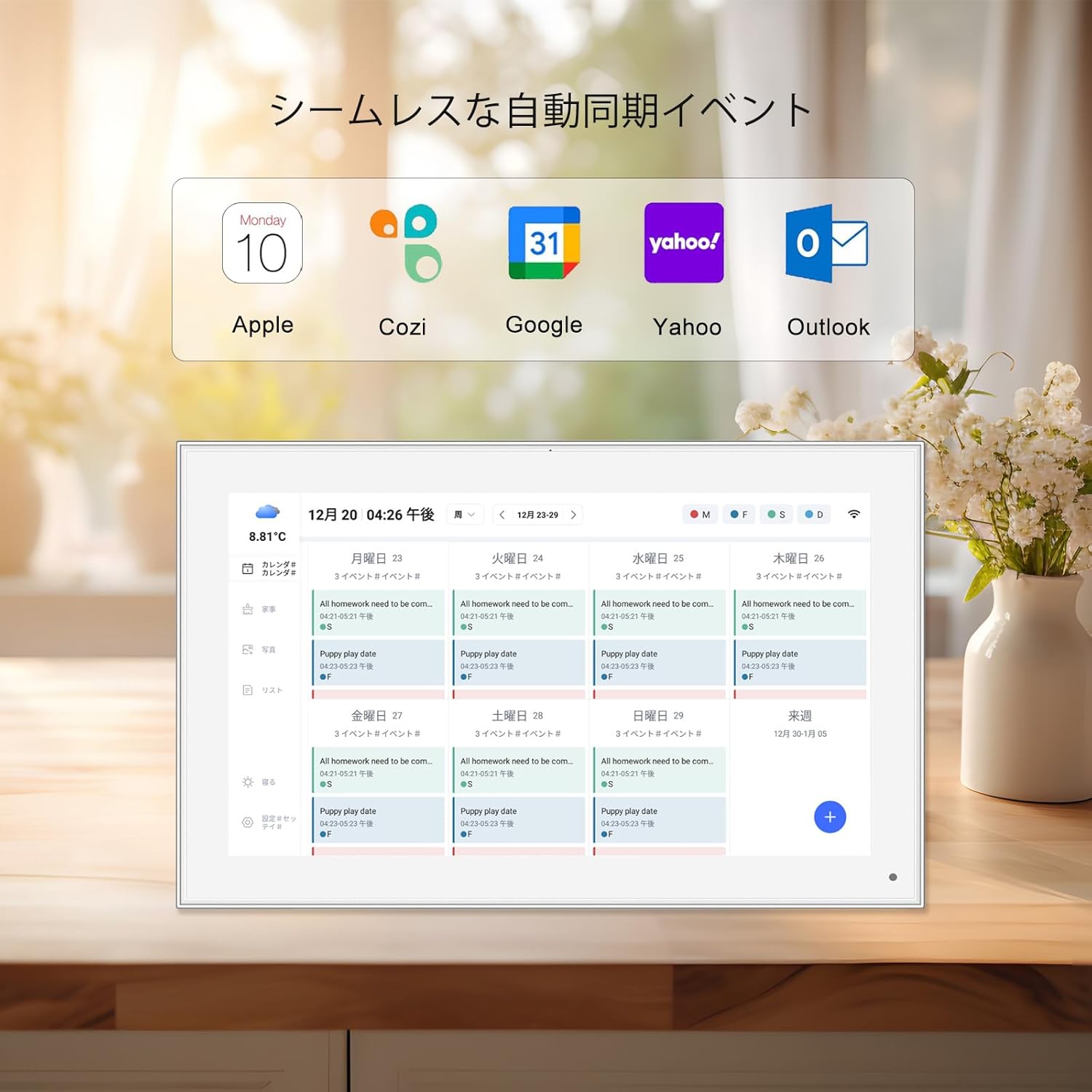
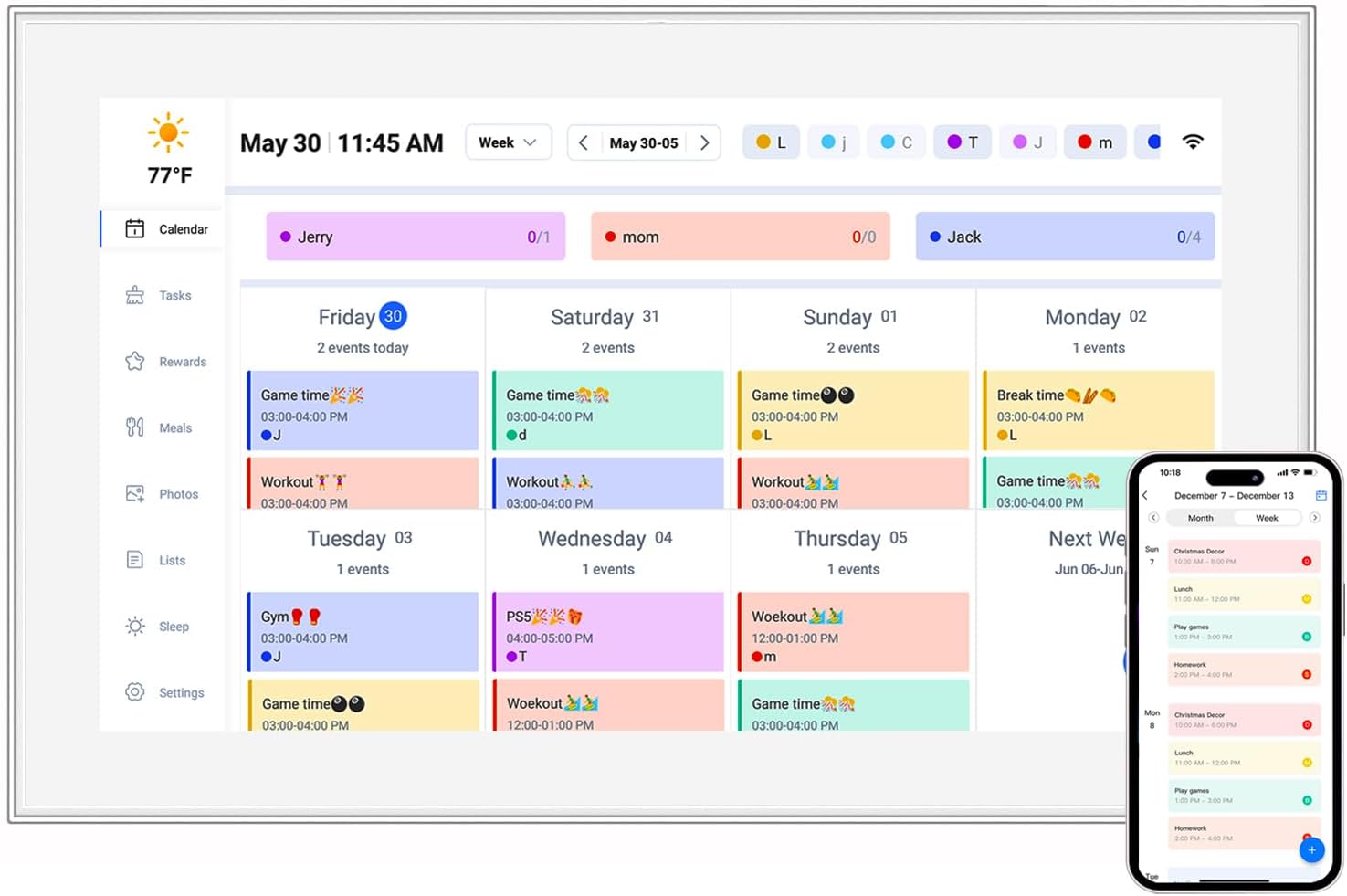
  • Android tablet digital signage: Focus on bright displays (300+ nits for visibility), PoE (Power over Ethernet) support for seamless installation, and 24/7 uptime. Sizes like 21.5-inch or 24-inch work well for floor-standing or wall-mounted setups.
  • Meeting room tablets: Need crisp audio, video conferencing tools, and remote management via MDM (Mobile Device Management) software. A 10.1-inch or 15.6-inch screen with touch capability keeps collaboration smooth.

Key specs to nail down: screen size (common options include 10.1 inch or 21.5 inch), OS version (Android 11 or higher for security updates), connectivity (Wi-Fi 6, Bluetooth 5.0, optional 4G/LTE), and storage (32GB+ for apps and data). Don't forget industry-specific needs—e.g., FDA compliance for healthcare devices or IP65 rating for retail kiosks.
Step 2: Source Components Like a Pro

Sourcing parts is where B2B buyers can truly cut costs. Many components meant for digital picture frames or digital signage work perfectly for DIY tablets—you just need to know where to look. Here's a breakdown of essential parts and how to source them:

Component Key Specs for B2B Recommended Source Cost-Saving Tip
Motherboard Quad-core processor, 4GB RAM, Android 12 support Specialized electronics suppliers or Alibaba Buy in bulk for 10-15% discounts
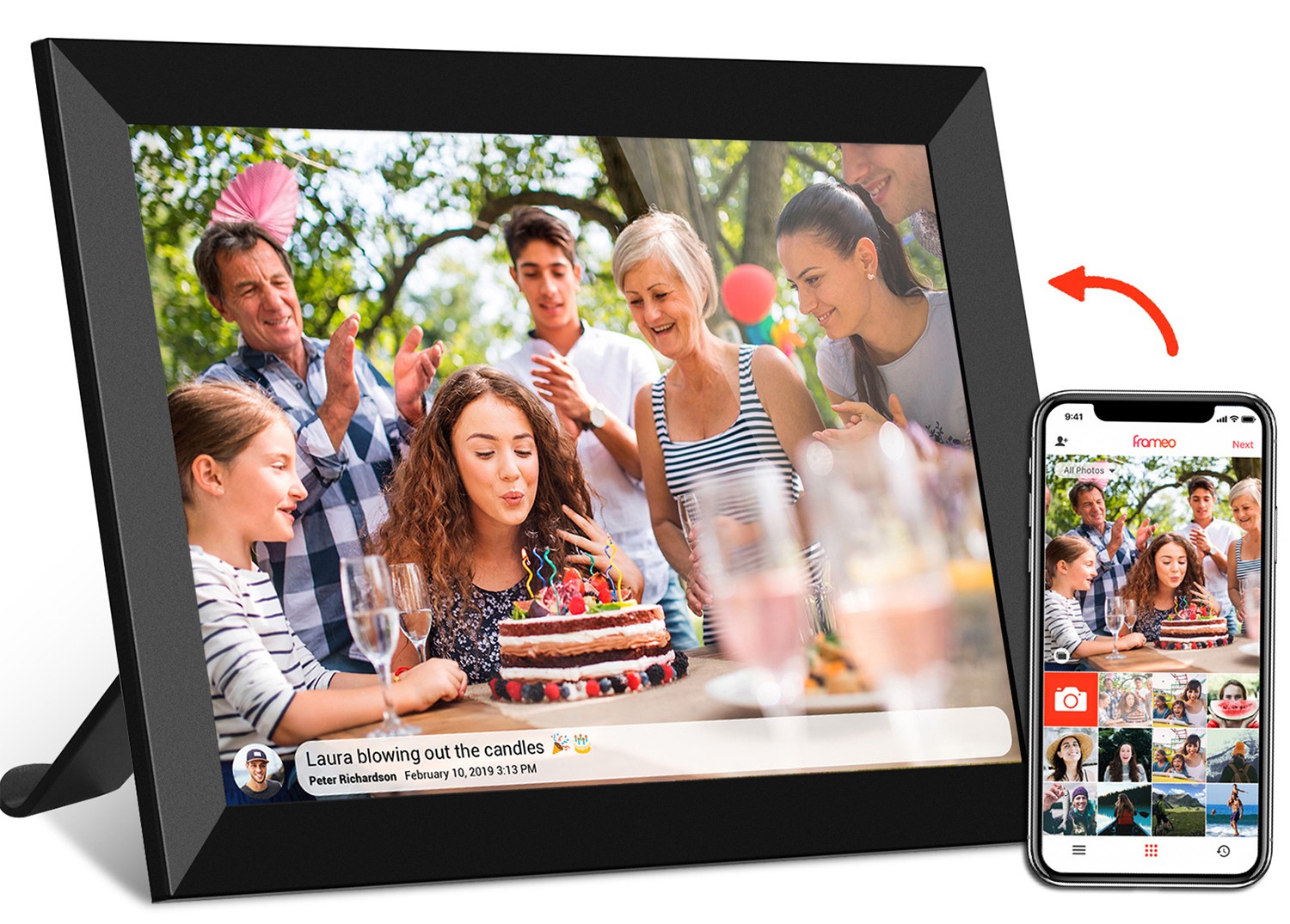
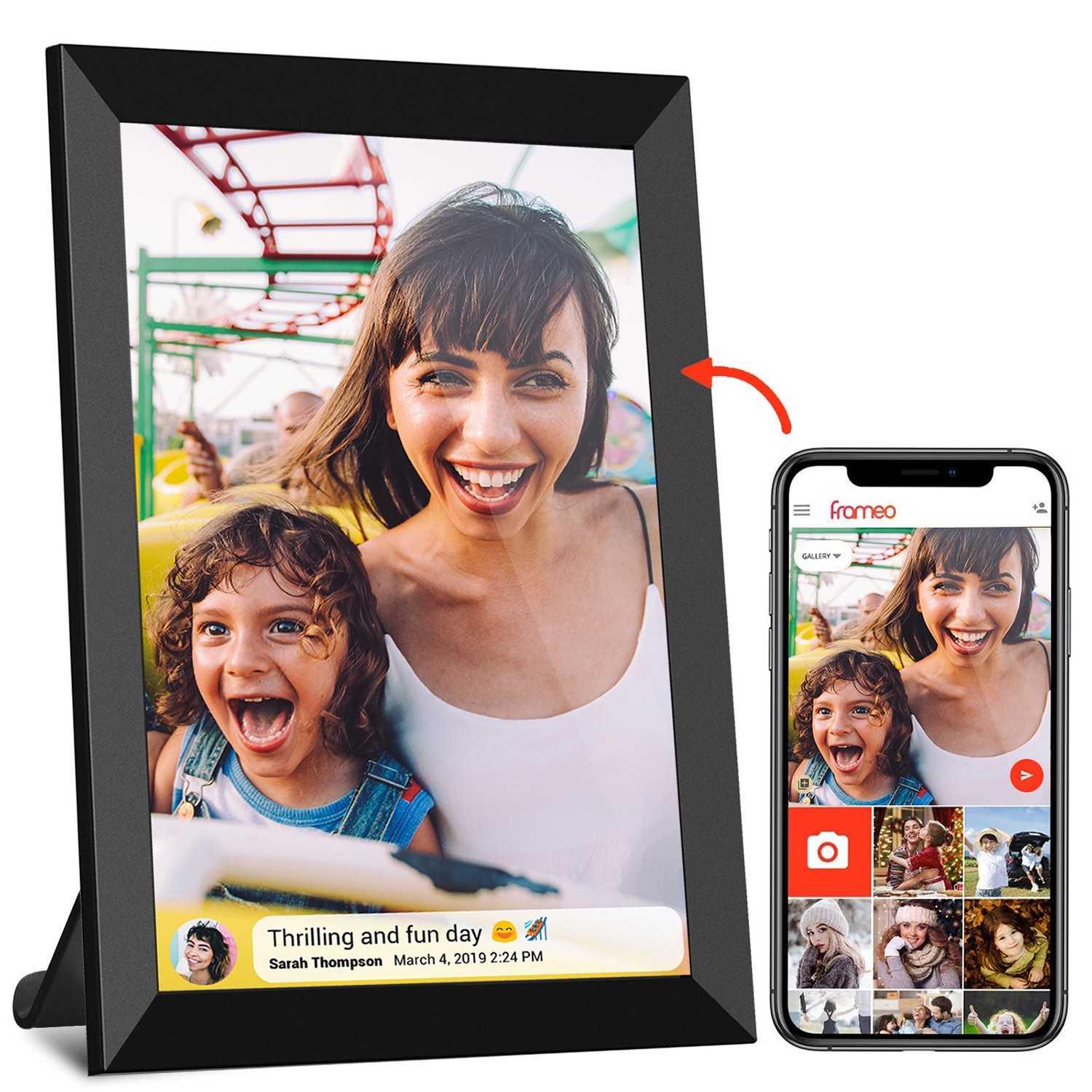
Display Panel 10.1 inch LED (1280x800 resolution), 300 nits brightness Digital picture frame factory (e.g., suppliers of 10.1 inch LED digital photo frames) Repurpose frames with cracked casings—screens are often intact
Touch Screen 10-point capacitive, anti-glare coating Digital signage suppliers or Amazon Business Pair with display panel for bundled deals
Battery 5000mAh (12-hour runtime), rechargeable Li-Po Battery wholesalers (e.g., Shenzhen-based vendors) Opt for bulk packs with 1-year warranty
Casing ABS plastic or aluminum (lightweight, durable) Custom injection molding services or 3D printing Use acrylic for digital signage cases—sleek and cost-effective
Sensors GPS, gyroscope, ambient light sensor (for auto-brightness) Electronics markets (e.g., Guangzhou's Huaqiangbei) Buy generic sensors—branding doesn't matter here

Pro tip: Reach out to digital signage suppliers for "overstock" or "refurbished" displays. These are often unused or lightly tested screens from large orders, sold at 30-40% below retail. For example, a 21.5 inch Wi-Fi digital photo frame display can be repurposed for a large-format healthcare tablet with minimal modifications.

Step 3: Assemble Your Tablet (Tools & Tricks)

Assembly doesn't require a PhD in engineering—just patience and the right tools. Here's a step-by-step walkthrough:

Tools You'll Need:

  • Precision screwdriver set (Phillips #00 and flathead)
  • Anti-static wristband (to avoid frying components)
  • Thermal paste (for cooling the processor)
  • Tweezers (for small connectors)
  • Double-sided adhesive tape (for securing batteries/screens)

Assembly Steps:

  1. Prep the motherboard: Apply a pea-sized dot of thermal paste to the CPU, then attach the heat sink. This prevents overheating during 24/7 use (critical for digital signage).
  2. Connect the display: Align the LCD ribbon cable with the motherboard's connector. Gently press down the locking tab—bend the cable too hard, and it'll snap. If using a 10.1 inch LED digital photo frame screen, check for a compatible LVDS connector (common in most frames).
  3. Add the touch panel: Peel the adhesive backing from the touch screen and align it with the display. Press firmly around the edges to avoid air bubbles. Connect its ribbon cable to the motherboard's touch port.
  4. Install the battery: Secure the battery with double-sided tape (or screws, if the casing has mounts). Plug the battery connector into the motherboard—ensure it clicks into place to prevent power issues.
  5. Close the casing: Place the assembled internals into the casing. Screw it shut, but leave a small gap for ventilation (overheating is the #1 killer of DIY tablets).

Pro move: Test the tablet before fully closing the casing. Power it on to check for display glitches or unresponsive touch—fixing issues now saves (taking apart) later.

Step 4: Software Setup for B2B Workflows

Hardware is just the start—software makes your tablet a B2B workhorse. Here's how to configure it for your industry:

Flash the OS:

Most motherboards come with Android pre-installed, but you'll want to flash a clean, updated version (Android 12 or 13). Use tools like SP Flash Tool (for MediaTek chipsets) or Odin (for Samsung-based boards). Download the firmware from the motherboard manufacturer's site—avoid "cracked" OS versions, which risk malware.

Customize for B2B Use Cases:

  • Healthcare Android tablet: Install medical apps (e.g., Epic, Cerner) and enable kiosk mode to lock users into approved software. Use MDM tools like Microsoft Intune to remotely wipe data if a tablet is lost.
  • Android tablet digital signage: Load signage software (e.g., ScreenCloud, NoviSign) and set up scheduling (display promotions during store hours, closed messages overnight). Enable auto-start so the screen turns on/off with power—no manual intervention needed.
  • Meeting room tablets: Preload Zoom, Microsoft Teams, and a whiteboarding app (Miro). Use PoE (Power over Ethernet) to keep it charged and connected—no messy cables.

Security & Updates:

B2B devices handle sensitive data—don't skimp on security. Enable Google Play Protect, set up a firewall, and restrict app installations to trusted sources. For remote updates, use MDM to push OS patches and app updates overnight, so devices stay current without disrupting workflows.

Step 5: Test Like a Quality Inspector

B2B clients demand reliability—your DIY tablet must pass rigorous testing before deployment. Here's a checklist:

Functional Tests:

  • Display: Check for dead pixels (use a solid color test pattern) and brightness uniformity (no dark corners).
  • Touch: Test every inch of the screen with a stylus—unresponsive areas mean a misaligned touch panel.
  • Connectivity: Stress-test Wi-Fi by streaming 4K video for 2 hours; dropouts indicate a weak antenna (reposition it inside the casing).
  • Battery: Drain the battery from 100% to 0% while running typical apps—healthcare tablets should last 8+ hours, signage tablets (plugged in) need stable power draw.

Stress & Durability Tests:

  • Heat test: Run a CPU-intensive app (e.g., video editing) for 4 hours. The back should stay warm, not hot—if it burns your hand, add a better heat sink.
  • drop test: For healthcare/retail tablets, drop from 3 feet onto carpet (mimics real-world slips). If the screen cracks, upgrade to tempered glass.
  • Water resistance: For healthcare use, spray the tablet with a mist bottle (simulating spills). If it short-circuits, seal ports with rubber gaskets.

Pro tip: Keep a log of test results—B2B clients love seeing data that proves reliability. For example, "Passed 500 drop tests at 3 feet" or "Battery life: 14 hours under healthcare app load."

Case Study: How a Clinic Saved 35% with DIY Healthcare Tablets

A mid-sized clinic in Texas needed 200 tablets for nurses to log patient vitals. Off-the-shelf healthcare tablets cost $400 each—way over budget. By building DIY healthcare Android tablets with 10.1-inch screens sourced from a digital picture frame factory , they cut costs to $260 per unit.

Key moves: They used repurposed 10.1 inch LED displays (from faulty digital photo frames, bought for $30 each), bulk-ordered motherboards, and 3D-printed durable casings. Software-wise, they loaded EHR apps and set up remote monitoring via MDM. Six months in, only 2 tablets needed repairs—proof that DIY can rival commercial quality.

Step 6: Scale for B2B Clients (Bulk Production & Branding)

Once you've nailed the prototype, it's time to scale. B2B buyers order 50+ units at a time—here's how to meet demand:

Bulk Production Tips:

  • Partner with a factory: Local electronics assemblers can handle repetitive tasks (e.g., soldering, casing) for $10-15 per unit. Look for factories that also make digital signage —they'll have experience with large-scale builds.
  • Custom branding: Add client logos to casings (laser engraving or vinyl stickers) or boot screens (via custom ROMs). For premium clients, offer acrylic or metal casings.
  • Packaging: Use eco-friendly boxes with foam inserts to prevent damage during shipping. Include a quick-start guide and 1-year warranty card—B2B buyers value professionalism.

Selling Your DIY Tablets:

Target B2B channels: LinkedIn outreach to healthcare administrators, trade shows (e.g., NRF for retail, HIMSS for healthcare), or B2B marketplaces like Alibaba. Highlight unique selling points: "Custom 10.1 inch Android tablets with PoE support—built to your specs in 4 weeks."

Don't forget after-sales support. Offer remote troubleshooting via Zoom, and stock replacement parts (screens, batteries) for quick fixes. Happy clients mean repeat orders!

Final Thoughts: Why DIY is the Future of B2B Tech

Building a DIY Android tablet isn't just for hobbyists—it's a smart B2B strategy. By repurposing components from digital picture frame factories and digital signage suppliers , you can deliver tailored solutions at a fraction of retail prices. Whether it's a healthcare Android tablet or Android tablet digital signage , the steps above prove that with planning and precision, you can compete with big-name brands.

So, grab your screwdriver and start innovating. Your B2B clients (and bottom line) will thank you.

HKTDC 2026