In a world where we interact with screens more than ever—whether for work, play, or staying connected—display technology has quietly become the unsung hero of our daily lives. Among the most exciting advancements in recent years is the rise of 4K displays in Android tablets. It's not just a number on a spec sheet; it's a transformation that's redefining how we experience content, collaborate, learn, and even heal. Let's dive into how 4K is turning these portable devices into powerhouses of clarity, immersion, and utility.
First, let's keep it simple: 4K refers to a screen resolution of approximately 3840 x 2160 pixels. That's four times the number of pixels in a standard 1080p (Full HD) display—about 8.3 million pixels crammed into a single screen. To put that in perspective, imagine looking at a photo where every freckle on a child's face, every blade of grass in a landscape, or every line in a medical chart is visible with stunning precision. That's the magic of 4K: it doesn't just show you content; it lets you experience it with a level of detail that feels almost tangible.
For Android tablets, this leap in resolution is particularly impactful. Unlike smartphones, which have smaller screens, tablets strike a balance between portability and size—big enough to showcase 4K's benefits, yet light enough to carry anywhere. Whether you're streaming a movie, reviewing a presentation, or helping a child with homework, the difference is immediate: text is sharper, colors are richer, and motion is smoother. It's like upgrading from a blurry old TV to a cinema-quality screen, but in the palm of your hand.
Let's start with the most obvious joy: consuming media. We've all been there—sitting down to watch a favorite movie on a tablet, only to squint at fuzzy details or pixelated edges. With 4K, that frustration fades. Streaming services like Netflix, Disney+, and Prime Video now offer a growing library of 4K content, and Android tablets with 4K displays bring that content to life. Imagine watching a nature documentary where you can see the individual feathers on a bird in flight, or a superhero film where every explosion's spark feels like it's happening right in front of you.
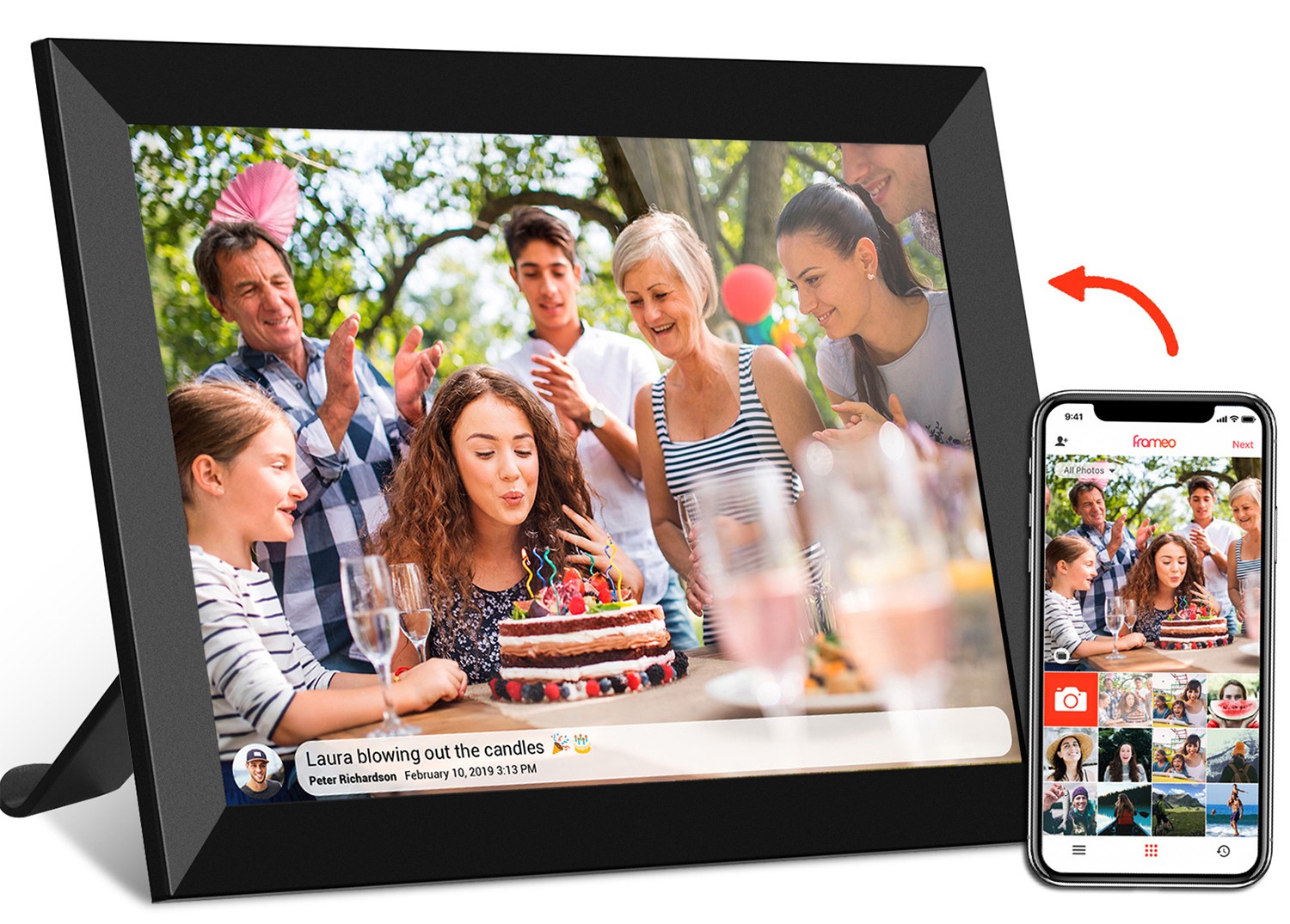
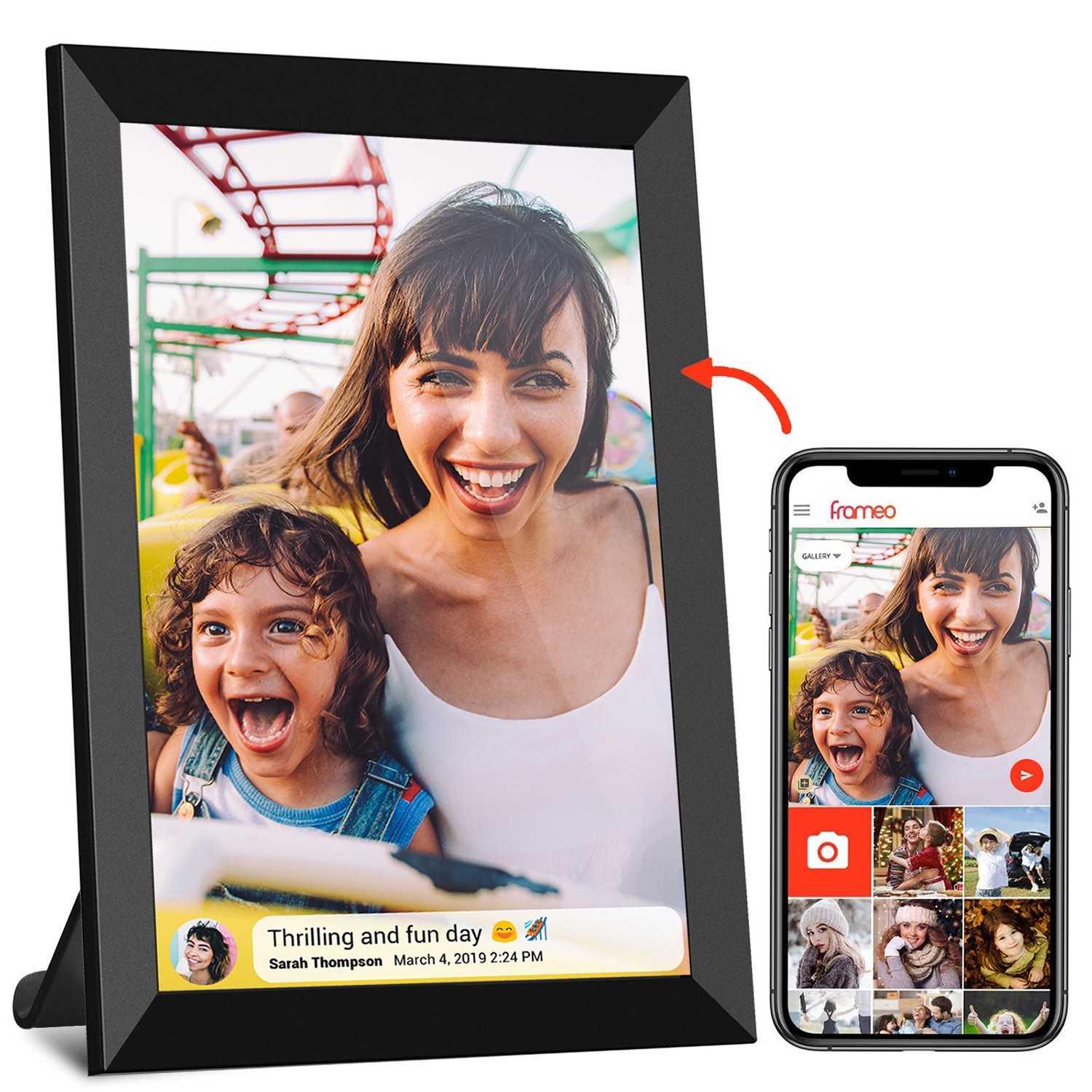
But it's not just about entertainment. Think about photos—those cherished moments we capture with our phones and want to share with family. A 4K Android tablet turns into a digital canvas, making even casual snapshots look like professional prints. It's like having a high-end digital photo frame that fits in your bag, but with the added bonus of being able to swipe, zoom, and even edit those photos on the spot. For families separated by distance, sending a 4K photo to a loved one's tablet means they can see every smile, every milestone, with the clarity of being there.
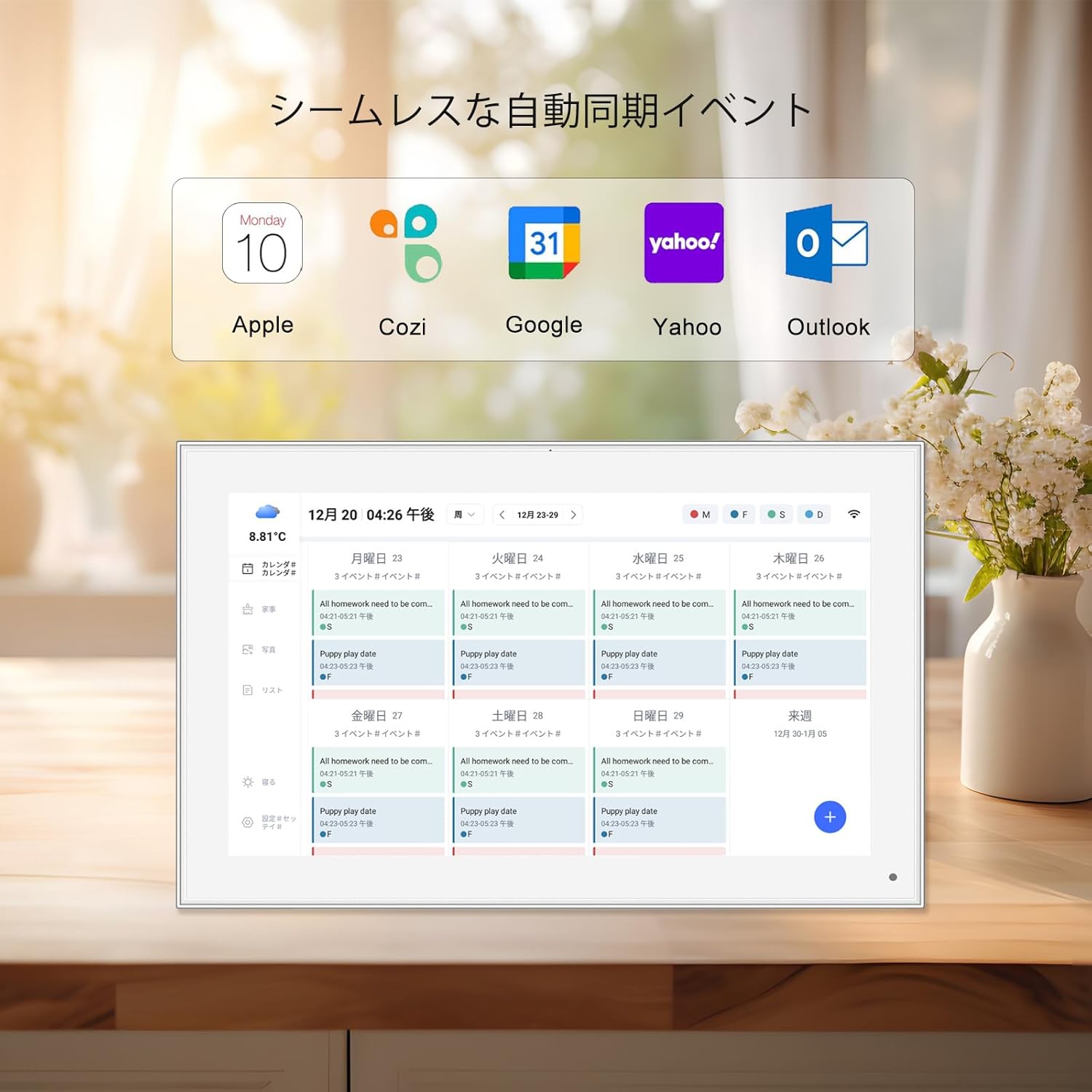
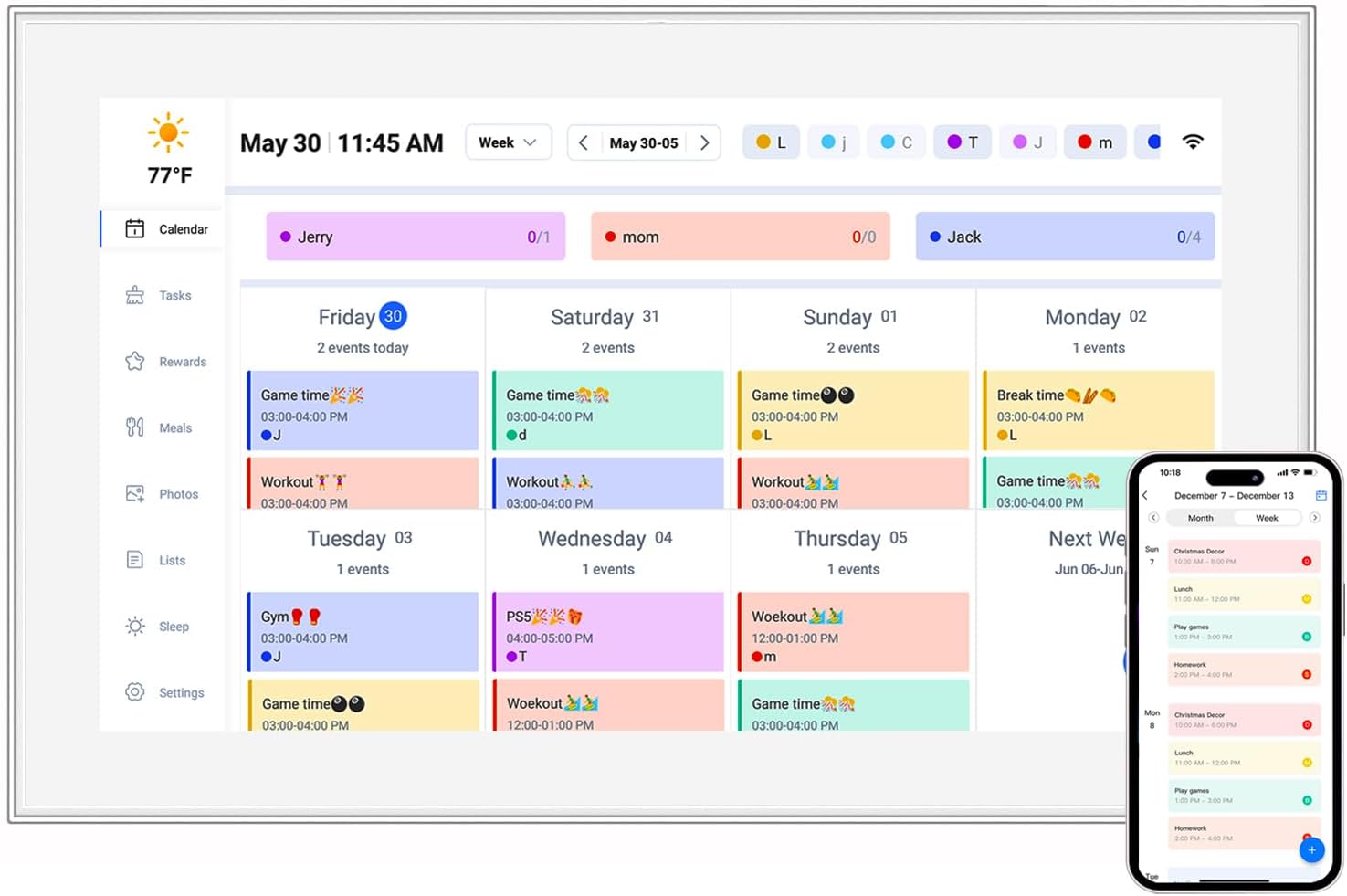
The workplace is where 4K Android tablets are truly shining, especially in collaboration spaces. Enter the meeting room: gone are the days of squinting at grainy projectors or struggling to read tiny text on a whiteboard. Today, many offices are replacing traditional setups with android tablet digital signage—smart displays that double as interactive hubs. And when those displays are 4K, productivity gets a serious upgrade.
Picture this: a team brainstorming session where a 21.5-inch 4K Android tablet serves as the centerpiece. A designer pulls up a mockup, and everyone can see the subtle gradients in a logo or the fine print in a contract without huddling around a small screen. A remote colleague joins via video call, and their face appears so crisp it feels like they're in the room. Even spreadsheets, often the bane of meetings, become readable at a glance, with numbers and charts that don't blur when zoomed in. 4K turns meetings from tedious gatherings into dynamic, efficient collaborations.
But it's not just meeting rooms. Professionals on the go are using 4K Android tablets as portable workstations. A sales rep can present a product catalog with high-res images, a teacher can annotate lesson plans with precision, and a project manager can track timelines on a Gantt chart where every task detail is crystal clear. It's the kind of tool that makes you wonder how you ever worked without it.
If there's one group that benefits most from clear, engaging screens, it's kids. Learning through a screen—whether it's a math game, a science video, or an interactive story—relies heavily on visual clarity. A kids tablet with a 4K display isn't just a "nice-to-have"; it's a tool that can make learning feel less like work and more like play.
Take early readers, for example. A 4K screen shows text with such sharpness that even small fonts are easy on the eyes, reducing strain during long reading sessions. Educational apps that use animations—like explaining the water cycle or the solar system—become more immersive when every detail (the swirl of a cloud, the rings of Saturn) is visible. For visual learners, this isn't just helpful; it's transformative. A child struggling to grasp a concept might suddenly "get it" when they can see the details they missed on a lower-res screen.
And let's not forget creativity. Many kids tablets come with drawing or photography apps. With 4K, a child's doodle becomes a masterpiece with vibrant colors and smooth lines, or their snapshot of a pet looks as good as something from a professional camera. It's a confidence booster—proof that their ideas matter, and their work is worth showing off.
One of the most inspiring applications of 4K Android tablets is in healthcare. When lives are on the line, clarity isn't just important—it's critical. A healthcare android tablet with a 4K display is becoming an indispensable tool for doctors, nurses, and patients alike.
Consider a doctor reviewing an X-ray or MRI scan. On a standard screen, tiny abnormalities—a small tumor, a hairline fracture—might go unnoticed. But with 4K, those details pop. A radiologist can zoom in on a specific area without losing clarity, ensuring a more accurate diagnosis. For surgeons, 4K tablets in the operating room can display real-time feeds from endoscopic cameras, letting them see tissue textures and blood vessels with unprecedented precision.
Patients benefit too. Imagine a nurse using a 4K tablet to show a patient their EKG results, explaining each wave and peak with clear, readable graphs. Or an elderly patient with vision issues being able to read medication instructions on a screen that's sharp and easy to adjust. 4K isn't just about technology here; it's about dignity, understanding, and better care.
If you're still wondering whether 4K is worth the investment, let's break down the differences. Below is a comparison of 4K and 1080p displays in common tablet sizes, showing just how much impact those extra pixels have:
| Feature | 4K (3840x2160) | 1080p (1920x1080) |
|---|---|---|
| Pixel Count | ~8.3 million pixels | ~2.1 million pixels |
| Pixel Density (10.1-inch screen) | ~443 pixels per inch (PPI) | ~220 PPI |
| Text Clarity | Sharp at any font size; ideal for reading small text (e.g., legal documents, medical charts) | Clear at standard sizes, but may blur when zoomed in or with small fonts |
| Image Detail | Captures fine textures (e.g., facial features in photos, fabric patterns, medical scans) | Good for everyday use, but loses detail in complex images |
| Best For | Professional work, healthcare, education, immersive media | Casual streaming, basic web browsing, light productivity |
As 4K becomes more mainstream, we're seeing Android tablets evolve beyond standalone devices. One exciting trend is their integration with portable monitors—screens that can connect to tablets, laptops, or phones to extend your workspace. A 4K Android tablet paired with a 24.5-inch portable monitor, for example, turns into a dual-screen setup that's perfect for multitasking: editing a document on the monitor while referencing research on the tablet.
Travelers, digital nomads, and students are especially loving this combo. Why carry a bulky laptop when you can have a tablet that doubles as a powerhouse and a portable monitor that slips into a backpack? It's flexibility redefined, all powered by the clarity of 4K.
At the end of the day, 4K in Android tablets is about more than pixels. It's about making technology feel human. It's the parent who watches their child's face light up while learning on a kids tablet, the doctor who catches a critical detail in a scan, the team that collaborates seamlessly in a meeting room, and the traveler who streams their favorite show with cinema-like quality. It's about turning "good enough" into "extraordinary."
As 4K displays become more affordable and accessible, we'll only see more innovation. Maybe tomorrow's Android tablets will pair 4K with AI-enhanced visuals, or foldable screens that expand the viewing area even further. But for now, one thing is clear: 4K has arrived, and it's changing the game—one pixel at a time.