In today's fast-paced digital world, technology has blurred the lines between work, healthcare, and daily life— and at the center of this convergence lies the 4K Android tablet. More than just a larger smartphone or a portable computer, these devices have evolved into versatile tools that adapt to our needs, whether you're a nurse checking patient records in a busy hospital, a team collaborating in a meeting room, or a family displaying cherished memories on a digital photo frame. With stunning 4K resolution, powerful processors, and the flexibility of the Android ecosystem, 4K Android tablets are redefining what's possible in connectivity and functionality. Let's dive into their performance capabilities, real-world applications, and why they've become indispensable across industries.
At the heart of any high-performance tablet is its processor, and 4K Android tablets don't disappoint. Leading models now pack chipsets like the Qualcomm Snapdragon 8 Gen 3 or MediaTek Dimensity 9300, designed to handle the demands of 4K content streaming, multitasking, and resource-heavy applications. For instance, a 10.1 inch Android tablet equipped with a Snapdragon 8 Gen 3 can seamlessly run multiple apps at once—think video conferencing, document editing, and a background media player—without lag. This is critical for professionals who rely on their devices to keep up with their workflow, whether they're in a meeting room or on the go.
What sets these processors apart is their ability to balance power and efficiency. They use advanced architectures with multiple cores, allowing them to prioritize tasks: high-performance cores tackle 4K video rendering, while energy-efficient cores handle simpler jobs like notifications or web browsing. This balance ensures that even with intensive use, the tablet remains responsive and battery life stays intact— a must for healthcare workers who can't afford to pause for charging during a long shift.
The "4K" in 4K Android tablets isn't just a marketing term—it's a game-changer for visibility and clarity. With a resolution of 3840 x 2160 pixels, these displays offer four times the detail of Full HD, making text sharper, images more lifelike, and videos stunningly immersive. For applications like digital signage or healthcare, where clarity is non-negotiable, this matters. Imagine a 21.5 inch wifi digital photo frame in a hospital waiting room: 4K resolution ensures that patient education videos, appointment schedules, or even calming nature scenes are displayed with crisp, vibrant colors, reducing eye strain for both staff and visitors.
But resolution is just one piece of the puzzle. Modern 4K Android tablets also feature advanced display technologies like IPS (In-Plane Switching) panels for wide viewing angles—essential for meeting room digital signage, where everyone around the table needs a clear view of presentations. Many also include HDR10 support, enhancing contrast and color depth, so dark scenes in medical training videos or bright outdoor photos on a digital photo frame look equally impressive. Brightness levels often reach 500 nits or higher, ensuring readability even in sunlit rooms or under harsh hospital lighting.
A powerful device is only useful if it can keep up with your day, and 4K Android tablets excel here. Most models pack batteries between 7,000mAh and 10,000mAh, paired with software optimizations that extend usage. A 10.1 inch healthcare android tablet, for example, can last a full 12-hour shift on a single charge, even with constant use of medical apps, Wi-Fi, and screen brightness cranked up. For devices used in fixed settings like meeting room digital signage, POE (Power over Ethernet) support is a game-changer: it eliminates the need for separate power cords, simplifying installation and reducing clutter. This is especially useful in busy offices or healthcare facilities where cable management is a priority.
Connectivity is another strong suit. 4K Android tablets now come with Wi-Fi 6 (or even Wi-Fi 6E) for faster, more stable connections—vital for streaming 4K content or video conferencing without buffering. Bluetooth 5.2 support allows seamless pairing with accessories like keyboards, barcode scanners (for healthcare), or portable monitors, turning the tablet into a makeshift workstation. Some models even include 5G capabilities, making them ideal for field workers or remote healthcare providers who need reliable connectivity outside the office.
The Android operating system is a key advantage, offering a familiar, user-friendly interface with endless customization options. Manufacturers often layer their own software skins on top, adding features tailored to specific industries. For healthcare android tablets, this might include HIPAA-compliant security tools, encrypted patient data storage, or one-touch access to emergency response apps. For meeting room digital signage, custom launchers can lock the tablet into a single app—like a presentation tool or scheduling system—preventing unauthorized use.
Regular software updates are also critical, and top brands now commit to 3-5 years of security patches, ensuring devices remain protected against evolving threats. This is especially important in healthcare, where patient data privacy is paramount, and in corporate settings where meeting room digital signage might handle sensitive company information.
In hospitals and clinics, the healthcare android tablet has become a lifeline for caregivers. Unlike bulky desktop computers or outdated paper charts, these tablets are lightweight and portable, allowing nurses and doctors to access patient records, update vitals, and even conduct telemedicine consultations at the bedside. A 10.1 inch model, for example, fits easily in a lab coat pocket but offers enough screen real estate to display detailed medical images or EHR (Electronic Health Record) dashboards in 4K clarity. The high resolution ensures that small text—like medication dosages or lab results—is easy to read, reducing the risk of errors.
Beyond patient care, 4K healthcare android tablets are used for staff training. Medical students can watch 4K surgical tutorials with precise detail, while nurses can review infection control videos with crisp, clear visuals. Some models even include antimicrobial coatings to prevent the spread of germs— a small but crucial feature in healthcare settings. With long battery life and durable builds, these tablets keep up with the chaotic pace of hospitals, ensuring care isn't interrupted by dead batteries or broken screens.
Gone are the days of fuzzy projectors and outdated whiteboards in meeting rooms. Today's offices are upgrading to 4K Android tablets as meeting room digital signage, transforming how teams collaborate. A 21.5 inch or larger model, mounted on the wall or placed on a stand, serves as both a display and an interactive tool. With POE support, installation is a breeze—simply connect the tablet to the office Ethernet network, and it's powered and online. The 4K screen makes presentations pop, whether you're sharing slides, spreadsheets, or video clips, and touchscreen functionality allows attendees to annotate directly on the display, fostering real-time collaboration.
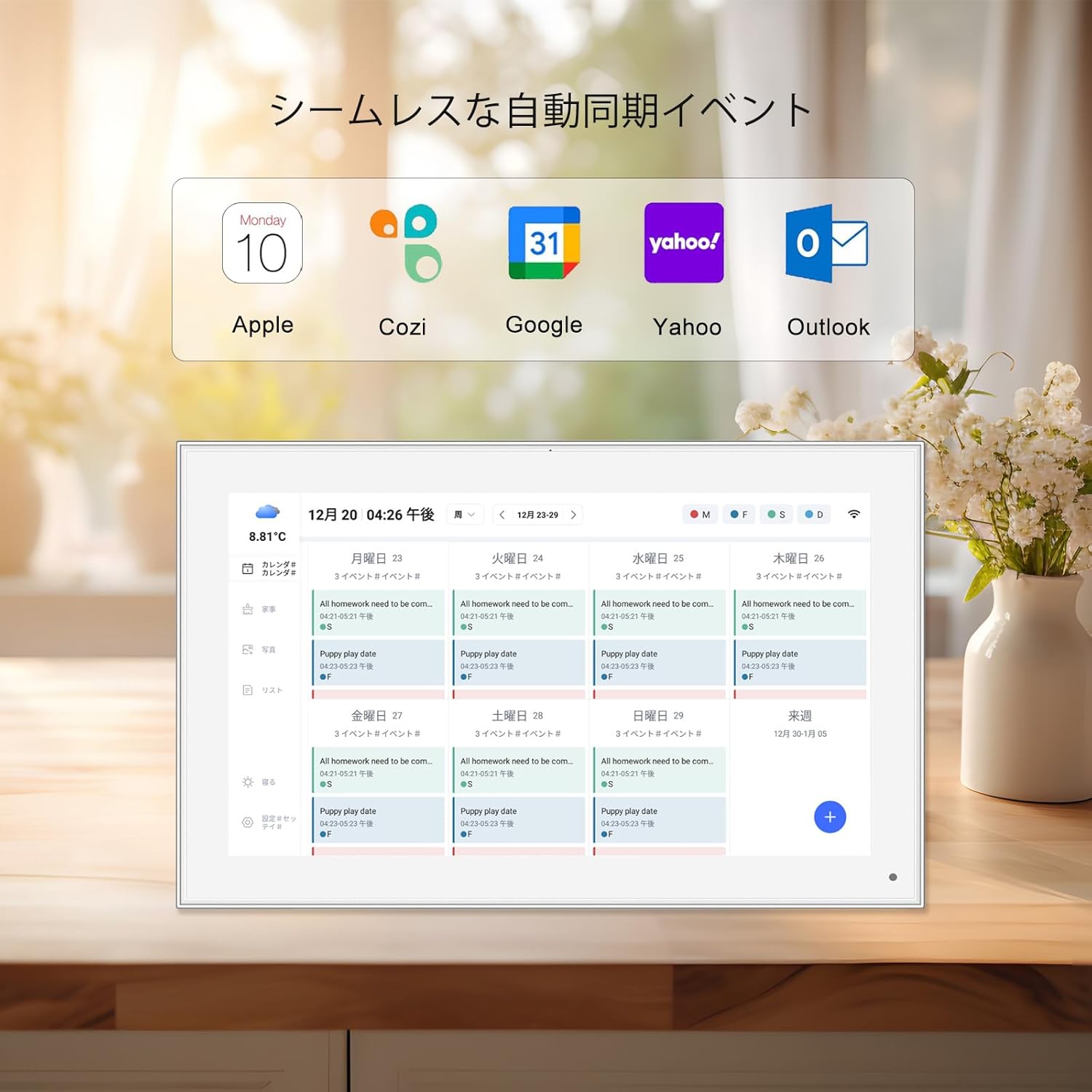
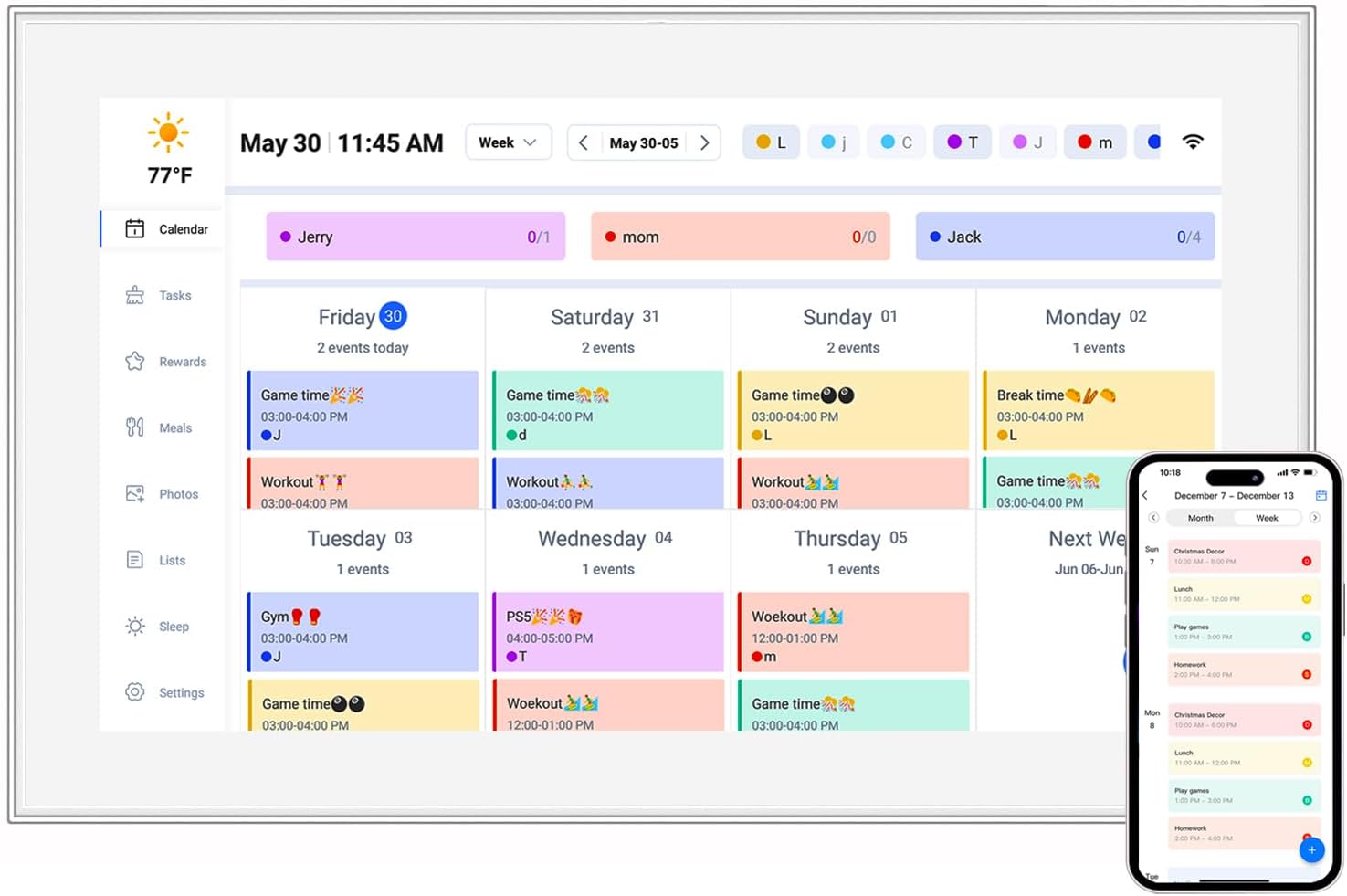
These tablets also integrate seamlessly with popular productivity tools like Google Workspace, Microsoft 365, and Zoom. Imagine walking into a meeting room, tapping the 4K screen to launch a Zoom call, and instantly sharing your laptop's display via Wi-Fi—no messy HDMI cords required. Some models even come with built-in cameras and microphones, turning the tablet into a complete video conferencing hub. For reception areas, smaller 10.1 inch digital photo frame-style tablets can display meeting schedules, company news, or welcome messages, keeping visitors informed and engaged.
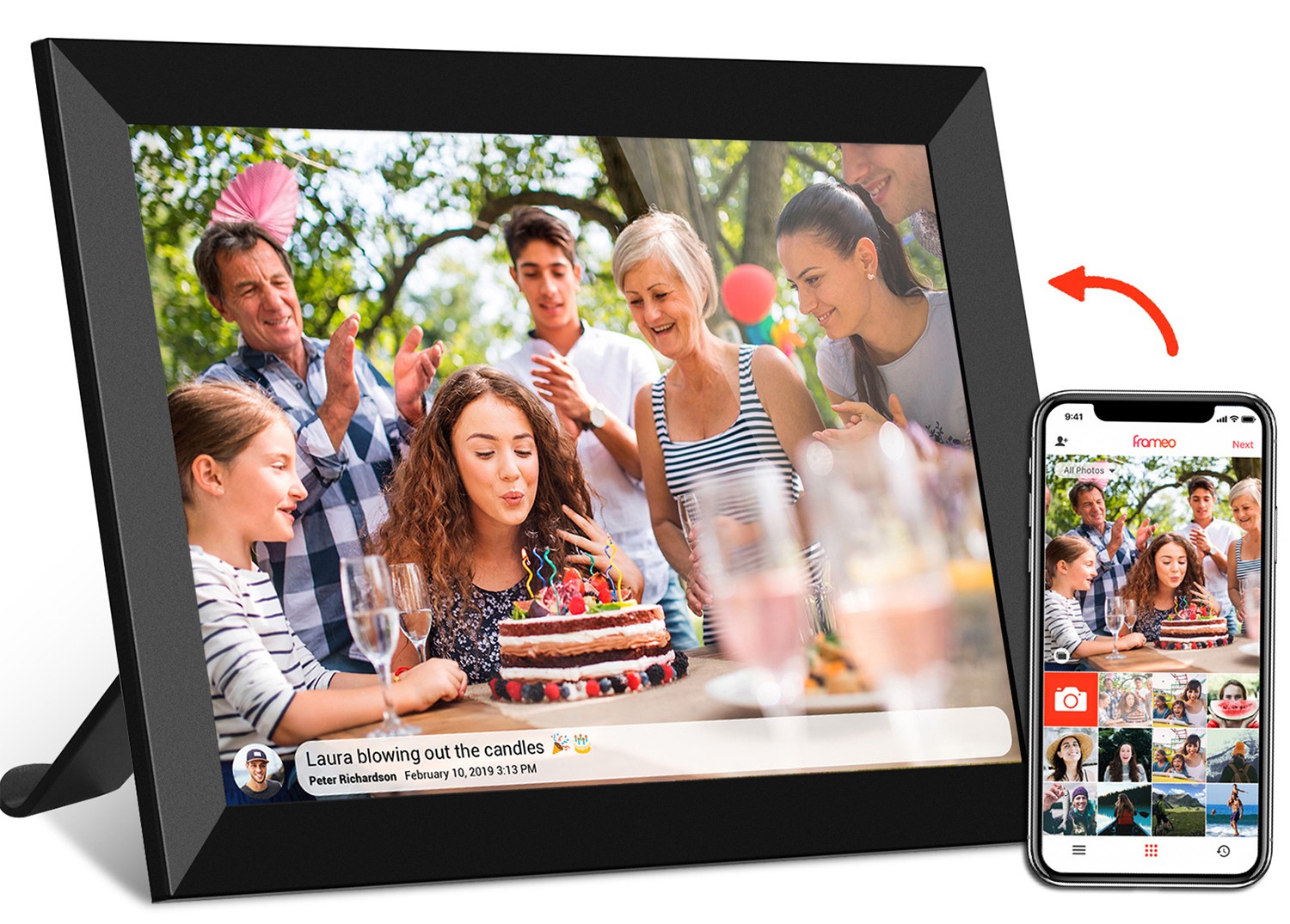
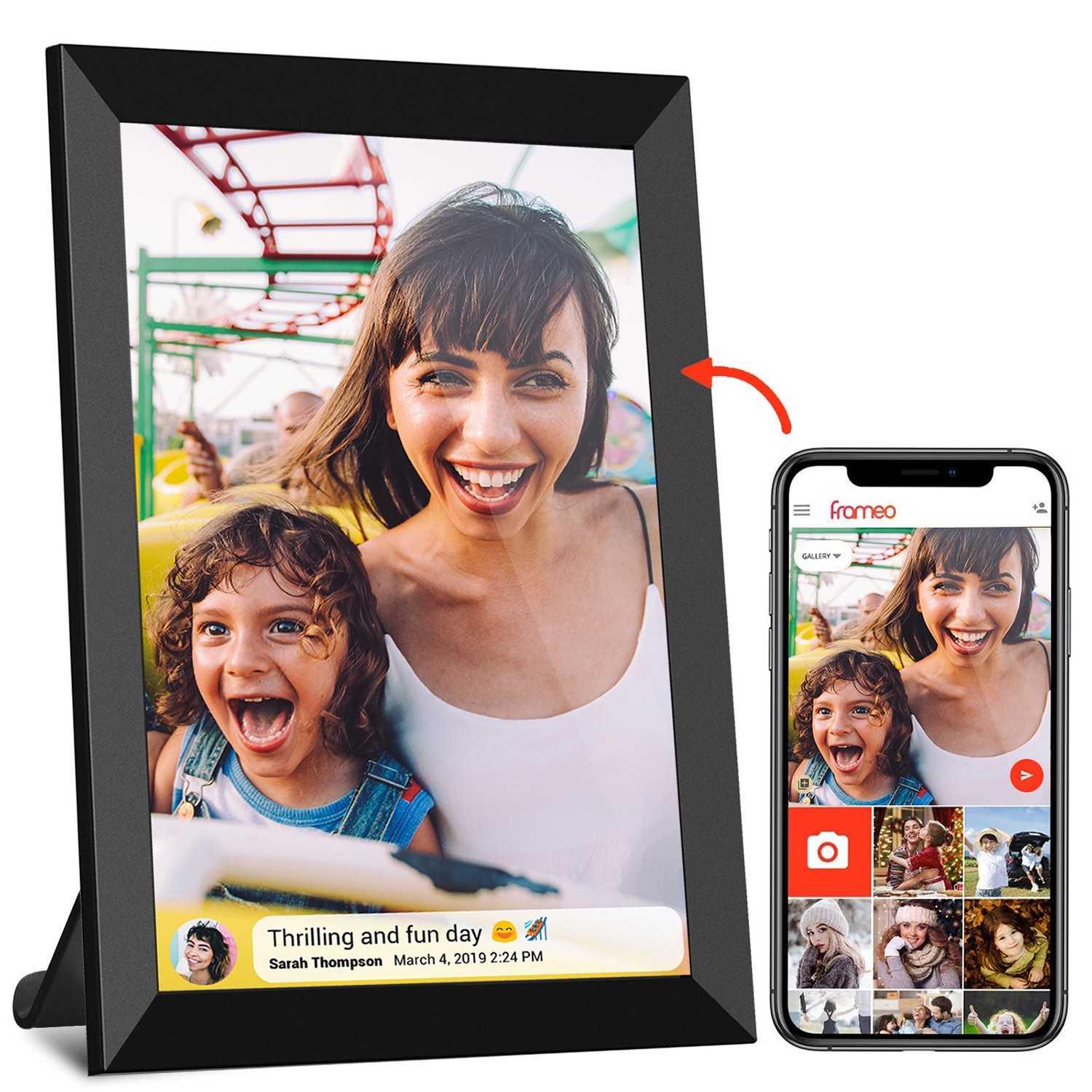
Beyond specialized industries, 4K Android tablets are winning over everyday users with their versatility. One popular use case is as a digital photo frame: when not in use for work, a 10.1 inch or 15.6 inch tablet can cycle through family photos, vacation snapshots, or even social media feeds, displayed in stunning 4K resolution. Many models come with dedicated photo frame modes that start automatically when the tablet is idle, turning it into a dynamic decor piece. Apps like Frameo allow users to send photos to the tablet remotely, so grandparents can receive updates from grandkids in real time—no technical expertise required.
For professionals on the go, pairing a 4K Android tablet with a portable monitor creates a mobile workstation. Imagine connecting your 10.1 inch tablet to a 24.5 inch portable monitor via USB-C, extending your screen space for multitasking. The tablet handles the processing, while the monitor displays 4K content—perfect for editing documents, designing graphics, or watching training videos during travel. With touchscreen support on both devices, you can navigate seamlessly between screens, making productivity possible anywhere.
| Use Case | Key Features Needed | Ideal Screen Size | Standout Benefit |
|---|---|---|---|
| Healthcare | HIPAA compliance, long battery, antimicrobial coating | 10.1 - 13.3 inch | Portable access to patient data with 4K clarity |
| Meeting Room Digital Signage | POE support, touchscreen, 4K display | 21.5 - 43 inch | Interactive collaboration hub with minimal setup |
| Digital Photo Frame | Wi-Fi, auto-rotate, photo app integration | 10.1 - 15.6 inch | Displays memories in vivid 4K resolution |
| Mobile Workstation | USB-C, multitasking, portable monitor compatibility | 10.1 - 12.9 inch | Turns into a productivity hub with extended display |
While performance specs are important, choosing the right 4K Android tablet often comes down to size and intended use. For healthcare professionals, the 10.1 inch healthcare android tablet is a sweet spot—small enough to carry, large enough to view medical data. Models like the SSA 10.1 inch Wi-Fi digital photo frame (which doubles as a healthcare tablet) offer 32GB of storage for apps and patient records, plus a bright 4K screen readable even under harsh lights.
For meeting room digital signage, bigger is better. A 21.5 inch Wi-Fi digital picture frame with touch capabilities, like the Frameo model, serves as both a display and interactive tool. Its 4K resolution ensures presentations are clear from every seat, while touchscreen support lets teams annotate and collaborate in real time. POE compatibility simplifies installation, making it a favorite for IT teams.
For personal use, the 10.1 inch Frameo Wi-Fi digital photo frame is a crowd-pleaser. With 32GB of storage, it can hold thousands of photos, and its private mold design ensures it stands out on a shelf or desk. The 4K screen makes family photos look vibrant, and remote photo sharing via the Frameo app keeps loved ones connected, even when miles apart.
As technology advances, 4K Android tablets will only become more powerful and versatile. We're already seeing trends like foldable displays, which could turn a 10.1 inch tablet into a 15.6 inch screen with a simple fold—perfect for both portable use and digital signage. AI integration is another area to watch: imagine a healthcare android tablet that uses AI to flag potential errors in patient records or suggest treatment options based on symptoms. For meeting rooms, smarter voice control and gesture recognition could make interactions even more intuitive, reducing the need for touchscreens in germ-sensitive environments.
Battery technology will also improve, with solid-state batteries promising longer life and faster charging. And as 5G networks become more widespread, 4K Android tablets will offer even more flexibility, allowing seamless connectivity in remote areas—great news for field healthcare workers or traveling professionals. The future isn't just about better specs; it's about making these devices even more integrated into our lives, adapting to our needs without us having to think about it.
From the busy halls of a hospital to the collaborative space of a meeting room, from a family's living room shelf to a remote worker's hotel room, 4K Android tablets are more than just gadgets—they're storytellers. They help nurses tell the story of a patient's recovery, teams tell the story of a project's success, and families tell the story of their lives through photos. With their powerful performance, stunning 4K displays, and adaptability across industries, these tablets have proven they're not just a trend, but a staple in our digital lives.
Whether you're in healthcare, corporate, or just looking to upgrade your personal tech, there's a 4K Android tablet designed for you. It's a device that grows with you, adapts to your needs, and keeps you connected—proving that in a world of constant change, the best technology is the kind that makes life easier, more efficient, and a little more human.