We've all sat through those meetings—dimly lit rooms, a fuzzy projector screen that looks like it's been through a few too many office moves, and text so pixelated you'd swear it was written in hieroglyphics. By the third slide, half the room is either scrolling through emails or pretending to take notes while mentally planning their lunch. Meetings are supposed to spark ideas, align teams, and drive decisions—but when the technology feels stuck in 2005, it's hard to stay focused. Enter 4K projectors: sleek, powerful tools that are turning lackluster presentations into immersive experiences. In this article, we'll explore how 4K projectors are revolutionizing meeting rooms, why they're a game-changer for engagement, and how they pair seamlessly with tools like poe meeting room digital signage and android tablet digital signage to create a modern, productive workspace. Plus, we'll dive into standout models like the hy300 ultra projector and even touch on complementary tech like the 24.5 inch portable monitor to round out your setup.
Let's start with the basics: what makes a projector "bad," and why does it matter? Most offices still rely on 1080p (or worse, 720p) projectors that were probably purchased when flip phones were still cool. These devices fail in three critical areas: resolution, brightness, and connectivity—and each failure has a direct impact on your team's productivity.
First, resolution. A 1080p projector has about 2 million pixels, which sounds decent until you try to display a spreadsheet with 12pt font or a product photo with fine details. Text blurs into smudges, charts turn into colorful blobs, and suddenly everyone's asking, "Can you zoom in?" every two minutes. When your audience is busy deciphering the screen instead of absorbing your message, you're not just wasting time—you're risking miscommunication. I once sat through a quarterly review where the sales data was so pixelated, the team debated whether a key number was "15" or "75" for 10 minutes. By the time we sorted it out, half the meeting was gone.
Then there's brightness. Walk into any conference room with a cheap projector, and you'll notice the ritual: close the blinds, turn off the lights, and squint like you're trying to read a book in a cave. Why? Because most old projectors top out at 2,000 lumens—barely enough to combat a sunny day or a single overhead light. The result? Washed-out colors, faded graphs, and a room so dark that taking notes becomes a guessing game. Studies show that low light levels actually reduce alertness and focus—so you're not just making presentations harder to see; you're making your team drowsy.
Connectivity might be the most frustrating offender. Ever watched a presenter spend 15 minutes juggling HDMI adapters, USB cables, and "no signal" error messages? Or tried to connect a new laptop only to realize the projector only has a VGA port (RIP, VGA)? In a world where most of us work from laptops, tablets, or even phones, being tethered to outdated ports is a productivity killer. And forget about wireless sharing—unless you're using a janky third-party app, you're stuck passing around a single cable like it's a hot potato.
The numbers back this up: a survey by Microsoft found that professionals waste an average of 30 minutes per week troubleshooting meeting tech. Multiply that by 52 weeks and a team of 10, and you're losing over 260 hours of work per year—all because of a subpar projector. That's time that could be spent closing deals, brainstorming ideas, or actually getting work done.
So, what makes 4K projectors different? Let's start with the star feature: resolution. 4K (3840x2160 pixels) packs in over 8 million pixels—four times more than 1080p. That means text as small as 10pt is sharp enough to read from the back of the room, product photos show every texture and color, and data visualizations look like they were pulled straight from a design studio. Imagine presenting a marketing deck where the client can zoom in on a logo and see individual color gradients, or a financial report where every decimal point in the budget is crystal clear. No more squinting, no more "What does that say?", just smooth, seamless communication.
But 4K isn't just about pixels—it's about color and contrast, too. Most modern 4K projectors include HDR (High Dynamic Range), which expands the range of colors and brightness levels. Dark areas stay deep and rich without losing detail, and bright areas pop without washing out. Think of it like upgrading from a black-and-white TV to a 4K smart TV—suddenly, images have depth. A graph with red and green data points? On an old projector, they might blend into a muddy brown; on a 4K HDR projector, the reds are vivid, the greens are crisp, and the contrast makes the data jump off the screen.
Brightness is another game-changer. Today's 4K business projectors, like the hy300 ultra projector , often hit 4,000 lumens or more. That means you can keep the conference room lights on, open the blinds, and still get a vibrant, clear image. No more cave-like meeting rooms! Natural light and ambient lighting boost mood and focus, so your team stays engaged, takes better notes, and contributes more ideas. I recently visited a startup that upgraded to a 4K projector with 4,500 lumens—their team now holds morning meetings with the sun streaming in, and productivity has spiked. "We used to dread meetings," one employee told me. "Now, we actually look forward to collaborating because we can see what's going on."
Connectivity has finally caught up to 2025, too. Modern 4K projectors come with HDMI 2.1 (for lightning-fast 4K content), USB-C (so you can connect a laptop or tablet with a single cable), and built-in Wi-Fi/Bluetooth. Some even support Miracast, AirPlay, or Chromecast, so you can mirror your screen from your phone or laptop in seconds. No adapters, no cables, no stress. Imagine walking into a meeting, tapping "Connect" on your laptop, and having your presentation up in 10 seconds flat. It's not just convenient—it's transformative for how meetings flow.
A 4K projector is powerful on its own, but its true magic happens when it's part of a larger tech ecosystem. Two tools that pair perfectly with 4K projectors are poe meeting room digital signage and android tablet digital signage . Let's break down how they work together to create a seamless, professional experience.
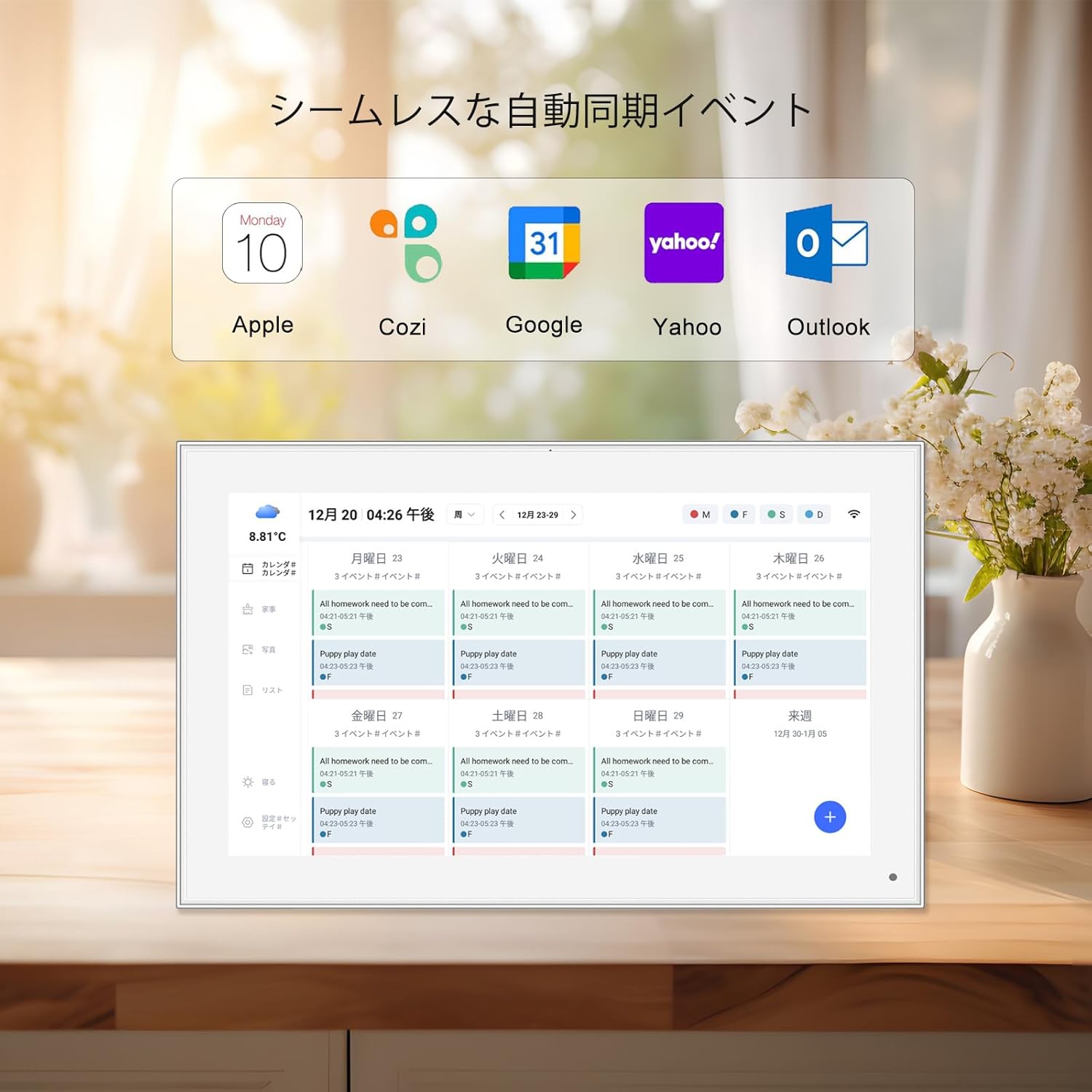
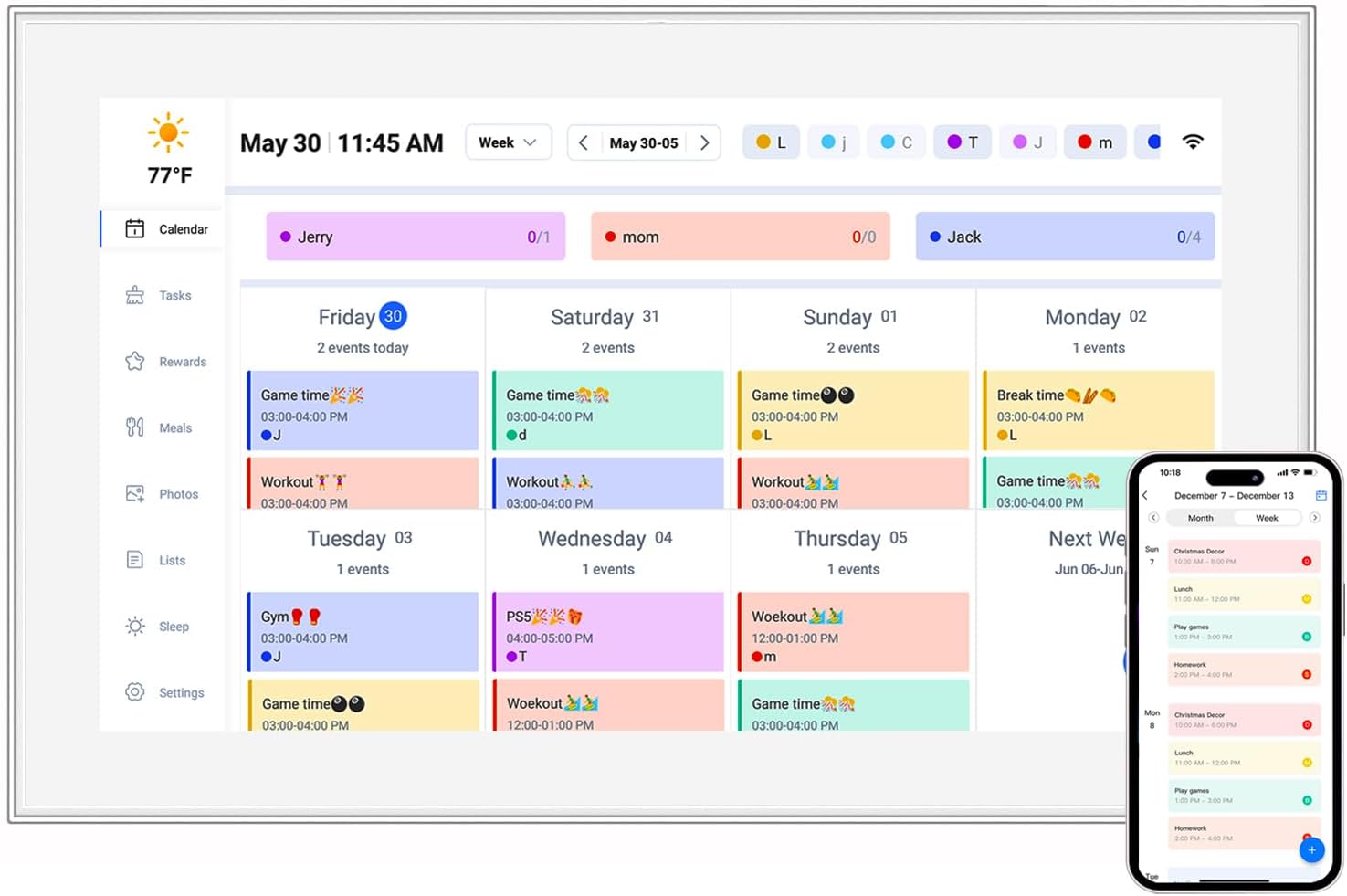
First, poe meeting room digital signage . POE stands for "Power over Ethernet," which means these sleek displays get both power and data through a single Ethernet cable. No more messy power cords snaking across the floor! These signs are typically mounted outside meeting rooms, showing real-time schedules ("Team A: 2-3 PM"), room availability ("Free Now"), or even quick pre-meeting info ("Agenda: Q3 Budget Review"). When paired with a 4K projector, they create a cohesive flow: attendees see the agenda outside, walk in, and the projector picks up seamlessly with the presentation. It reduces no-shows, cuts down on "Is this room free?" chaos, and makes your office feel polished and organized.
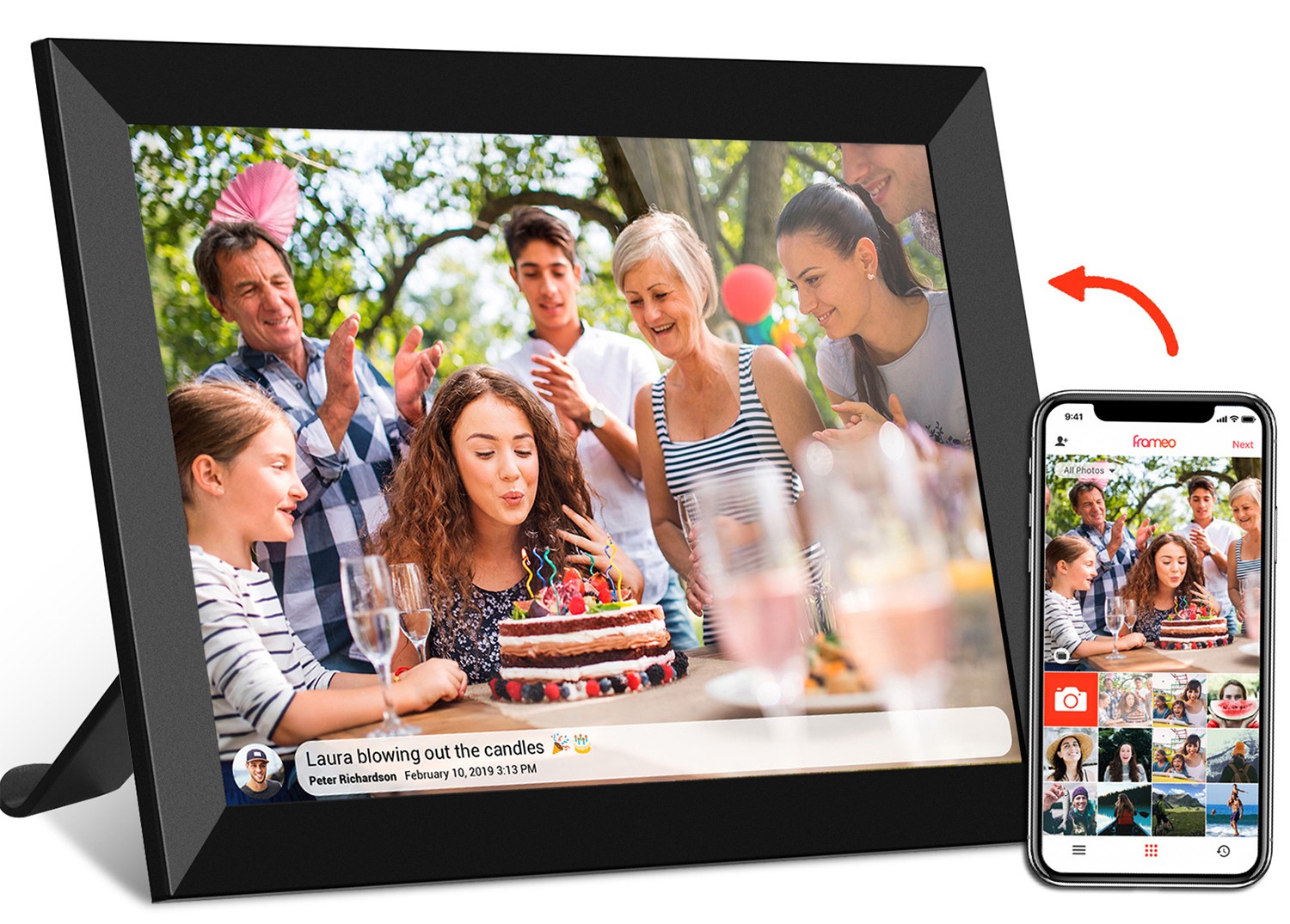
Then there's android tablet digital signage —think wall-mounted or tabletop Android tablets that act as interactive hubs. These tablets can control the 4K projector (swipe to advance slides, adjust volume), display speaker notes for the presenter, or even let attendees submit questions or comments in real time. Some models sync with the projector, so when you update the agenda on the tablet, it automatically appears on the big screen. I visited a law firm that uses Android tablets in their conference rooms—attorneys can pull up case files on the tablet, annotate them with a stylus, and the changes instantly show up on the 4K projector. No more passing around physical documents or squinting at small screens—it's collaboration, simplified.
And let's not forget accessories like the 24.5 inch portable monitor . While the 4K projector handles the main presentation, a portable monitor can serve as a secondary screen for the presenter. Keep your notes, timer, or next slide preview on the monitor, so you never have to turn around and check the big screen. It's lightweight, easy to set up, and perfect for hybrid meetings—plug in a webcam, and remote attendees get a clear view of both the presentation and the presenter. One marketing team I worked with uses two portable monitors: one for notes, and one for video calls with remote teammates. "It's like having a personal command center," their project manager said. "I can see the slides, my team, and my notes all at once."
Let's put this all into context with a real (anonymized) example. Meet "TechCo," a mid-sized software company with 50 employees. They recently upgraded their main conference room with a hy300 ultra projector , poe meeting room digital signage , an android tablet digital signage controller, and a 24.5 inch portable monitor . Here's how their meetings changed:
Before the upgrade: TechCo's old setup was a 7-year-old 1080p projector with 2,200 lumens, a tangled mess of HDMI cables, and a whiteboard that doubled as a projection screen (yes, really). Their weekly all-hands meetings were painful: the projector was so dim, they had to turn off all lights, making it impossible to take notes. The HDMI cable only worked with certain laptops, so remote presenters often had to email slides in advance (leading to last-minute edits getting lost). The team estimated they spent 15 minutes per meeting just setting up, and engagement was low—attendance hovered around 60%, and feedback surveys mentioned "hard to see slides" as a top complaint.
After the upgrade: The transformation was immediate. The hy300 ultra projector 's 4K resolution made their product demos look stunning—engineers could zoom in on code snippets, and designers could showcase UI details without losing clarity. The 4,000 lumens meant they kept the lights on, so everyone took detailed notes and stayed alert. The POE signage outside the room cut no-shows to 10% by displaying the agenda and start time. The Android tablet let presenters control slides, annotate in real time, and even pull up competitor websites on the fly. The 24.5 inch portable monitor became the "presenter's best friend"—hosts kept their notes and video call feed there, so they maintained eye contact with the room.
The results? All-hands attendance jumped to 95%, meeting setup time dropped to 2 minutes, and feedback shifted from "hard to see" to "engaging" and "productive." One engineer summed it up: "I used to zone out during demos because I couldn't see the details. Now, I'm asking questions and contributing ideas because everything is so clear."
Still on the fence? Let's compare a traditional 1080p projector with a modern 4K model like the hy300 ultra projector to see the difference in black and white (or rather, 4K color).
| Feature | Traditional 1080p Projector | 4K Projector (e.g., hy300 ultra projector) |
|---|---|---|
| Resolution | 1920x1080 (2.1 million pixels) – text/small details blurry | 3840x2160 (8.3 million pixels) – sharp text, crisp images even zoomed in |
| Brightness | 2,000-2,500 lumens – requires dark room, washed-out colors | 4,000+ lumens – clear image with lights on, vibrant colors |
| Color/Contrast | Basic color range, low contrast (darks look gray) | HDR support, wide color gamut (deep blacks, vivid hues) |
| Connectivity | HDMI 1.4, VGA – requires adapters, no wireless | HDMI 2.1, USB-C, Wi-Fi/Bluetooth – wireless mirroring, single-cable setup |
| Integration | Limited – no sync with digital signage or tablets | Seamless with poe meeting room digital signage and android tablet digital signage |
| Setup Time | 10-15 minutes (cable wrangling, troubleshooting) | 1-2 minutes (wireless connection, auto-calibration) |
| Engagement Impact | Low – audience strains to see, distractions common | High – clear visuals, interactive features keep focus |
The table says it all: 4K projectors aren't just an upgrade—they're a complete overhaul of the meeting experience. From resolution to connectivity to integration, they address every pain point of traditional projectors.
Ready to upgrade? Here's what to look for when shopping for a 4K projector for your meeting room:
Room Size & Throw Ratio: Measure your conference room! A short-throw projector (throws a 100" image from 3-5 feet) is ideal for small rooms, while standard-throw (5-10 feet for 100") works for medium spaces. The hy300 ultra projector , for example, has a flexible throw ratio, making it adaptable to most office sizes.
Brightness (Lumens): For rooms with windows or overhead lights, aim for 3,500-4,500 lumens. If your room is always dark (think basement conference room), 3,000 lumens might suffice—but brighter is almost always better for versatility.
Connectivity Ports: HDMI 2.1 is non-negotiable for 4K content. USB-C is a must for modern laptops/tablets. Wi-Fi/Bluetooth save time on setup, and built-in speakers can eliminate the need for external audio in small rooms.
Smart Features: Look for projectors with app ecosystems (like Android TV) or compatibility with meeting tools (Zoom, Teams). Some models even have built-in cameras/mics for video conferencing—perfect for hybrid teams.
Budget: 4K projectors range from $800 to $5,000+. Mid-range models ($1,500-$3,000), like the hy300 ultra projector , offer the best balance of features (4K, high lumens, connectivity) for most businesses. Splurge on high-end models only if you have a large room or host frequent client presentations.
You've bought the projector—now make sure you're getting the most out of it:
Invest in a Quality Screen: A cheap whiteboard or bedsheet won't do 4K justice. A matte white or gray projection screen (gray reduces glare) will make colors pop and contrast sharper. Brands like Elite Screens or Da-Lite offer affordable options for offices.
Calibrate the Image: Most projectors have built-in calibration tools (Settings > Picture > Calibrate). Spend 10 minutes adjusting brightness, contrast, and color temperature to match your room's lighting. It's like tuning a guitar—small tweaks make a huge difference.
Keep the Lens Clean: Dust and fingerprints on the lens blur the image. Wipe it gently with a microfiber cloth (the same kind you use for glasses) every 2-4 weeks. Avoid paper towels—they scratch!
update Firmware: Manufacturers release updates to fix bugs, add features, or improve performance. Check the projector's settings monthly for updates—your future self will thank you.
Train Your Team: Even the best tech is useless if no one knows how to use it. Host a 15-minute demo: show everyone how to connect wirelessly, adjust settings, and troubleshoot "no signal" errors. Create a quick cheat sheet and post it near the projector for reference.
As hybrid work becomes the norm, meeting rooms are evolving into "collaboration hubs" where in-person and remote teams connect seamlessly. 4K projectors are at the heart of this shift, but they're just the beginning. Imagine a future where your 4K projector syncs with android tablet digital signage to automatically transcribe meetings, or uses AI to highlight key action items on the screen. Some projectors already offer "follow-me" features, where you can start a presentation in one room and continue it in another with a tap.
Sustainability is another trend. Many new 4K projectors have energy-saving modes (auto-dim when no one's in the room) and long-lasting LED bulbs (20,000+ hours vs. 5,000 hours for old lamp-based models), reducing waste and electricity costs.
At the end of the day, though, the biggest benefit of 4K projectors is simple: they make meetings worth attending. When your team can see clearly, collaborate easily, and focus on the content—not the tech—magic happens. Ideas flow, decisions get made, and work actually gets done.
Meetings don't have to be a chore. With a 4K projector, paired with tools like poe meeting room digital signage , android tablet digital signage , and a 24.5 inch portable monitor , you can turn your conference room into a space that inspires creativity and drives productivity. No more squinting, no more cable chaos, no more wasted time—just clear, engaging presentations that make your team feel valued.
So, what are you waiting for? Ditch the old projector, embrace 4K, and start hosting meetings that your team will actually look forward to. Trust us—your slides (and your sanity) will thank you.