Let's be honest—we've all been there. You're rushing out the door, trying to remember if tomorrow's the big meeting, your kid's soccer practice, or that dentist appointment you swore you'd note down. Our phones are supposed to keep us organized, but between endless notifications and dead batteries, sometimes we need something simpler, something that's just… there. That's where the calendar clock comes in.
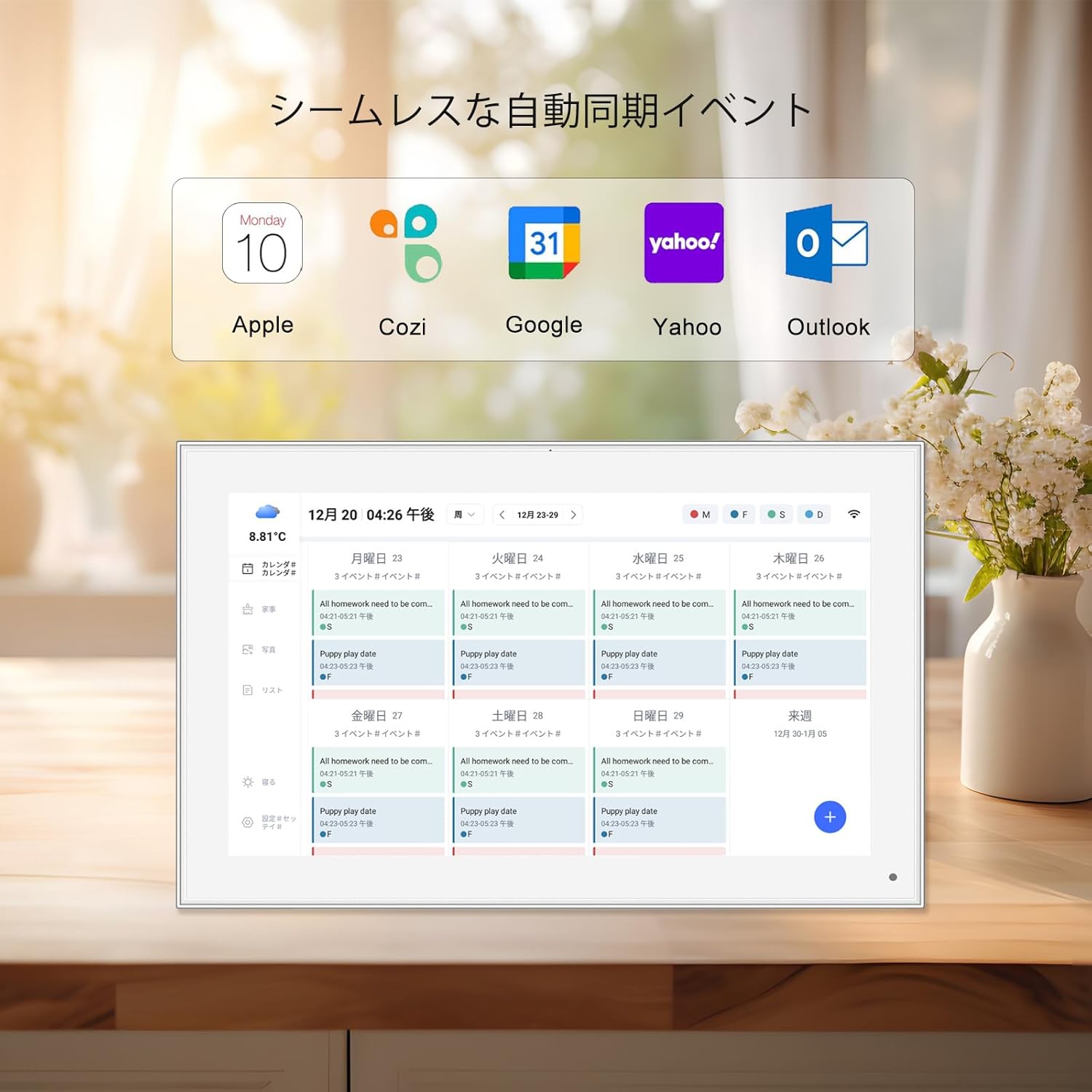
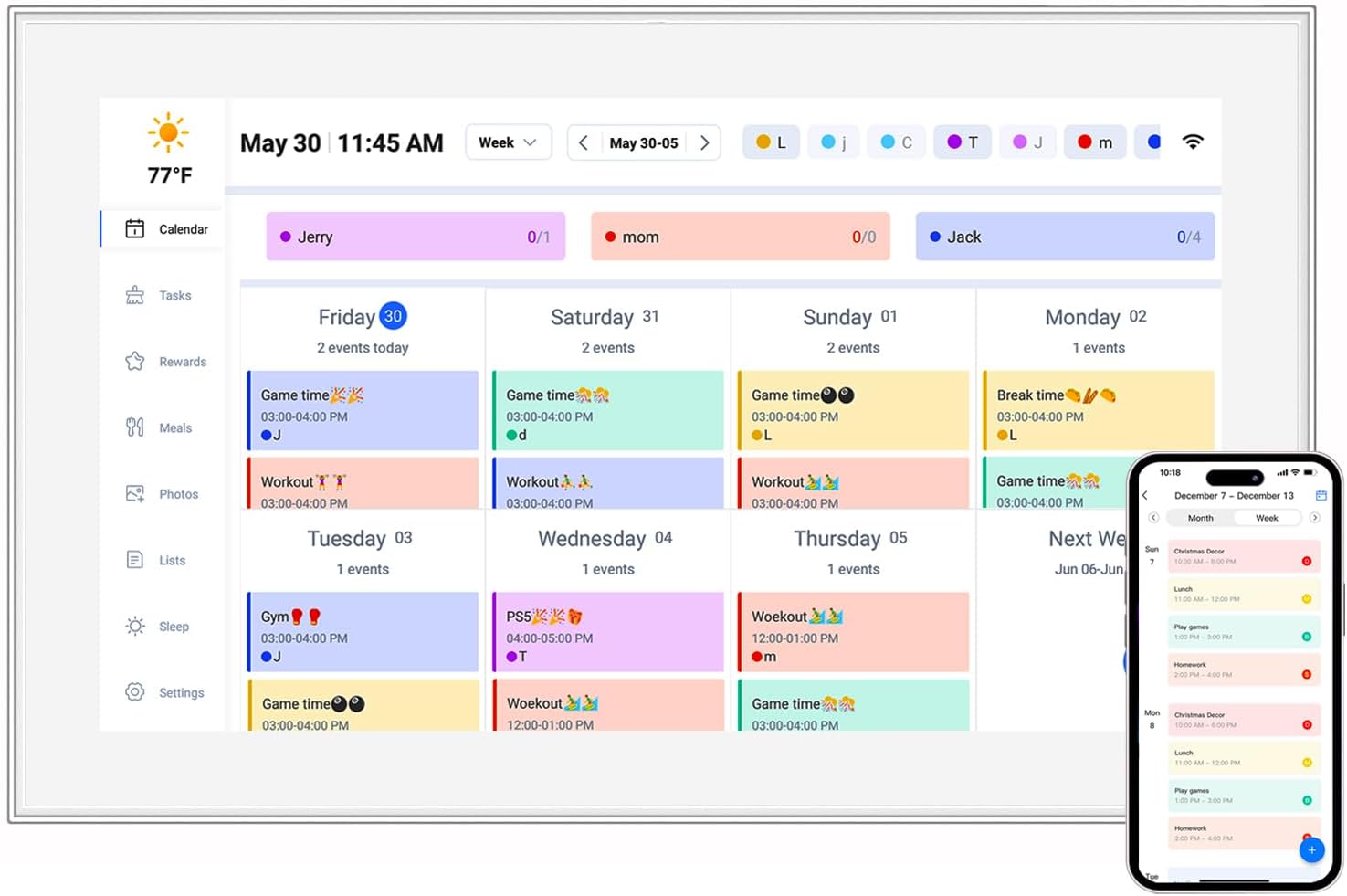
A calendar clock isn't just a timepiece. It's a daily anchor—a sleek, digital display that shows the date, day of the week, month, and even upcoming events at a glance. No app to open, no password to type. It's perfect for busy families, home offices, or anyone who craves a little less screen chaos and a little more clarity. And here's the best part: you can build one yourself. Even better, you can turn that DIY project into a thriving business in 2025.
In this guide, we're going to walk you through two big things: first, how to create your own calendar clock from scratch (yes, even if you're new to DIY tech), and second, how to turn that homemade prototype into a product people will line up to buy. We'll cover everything from picking the right parts (hint: a 10.1 inch digital calendar screen makes all the difference) to selling your creation online. By the end, you'll have a functional, stylish calendar clock and a roadmap to turn your hobby into a income stream.
Building a calendar clock might sound intimidating, but it's actually one of the most approachable DIY tech projects out there. Think of it as putting together a puzzle—each piece has a purpose, and once they fit, you'll have something you can be proud of. Let's break it down step by step.
Before you start, gather these supplies. You can find most of them online or at your local electronics store. We've focused on affordability and ease of use, so no fancy engineering degree required!
| Item | Purpose | Estimated Cost | Where to Buy |
|---|---|---|---|
| 10.1 inch digital calendar screen | The "face" of your clock—displays date, time, and events | $40–$60 | Amazon, eBay, or electronics wholesalers |
| Raspberry Pi Zero W (or similar microcontroller) | The "brain"—runs the calendar software | $25–$35 | Adafruit, Micro Center, or Amazon |
| Micro SD card (16GB+) | Stores the operating system and calendar data | $8–$12 | Best Buy, Amazon |
| Power supply (5V USB-C) | Charges the Raspberry Pi and screen | $10–$15 | Any electronics store |
| Wooden or acrylic case (or 3D-printed enclosure) | Holds all components together—choose a style that fits your decor | $15–$30 | Etsy (for custom cases), or DIY with cardboard/wood |
| HDMI cable (mini HDMI to HDMI) | Connects the Raspberry Pi to the screen | $5–$10 | Amazon, Walmart |
| Basic tools: screwdriver, hot glue gun, scissors | For assembling the case and securing components | $0–$20 (if you don't already own them) | Hardware store |
Now that you have your materials, let's build. Take your time—this is supposed to be fun, not stressful. If you get stuck, pause and watch a quick YouTube tutorial on Raspberry Pi setup (there are hundreds!).
The Raspberry Pi is the heart of your calendar clock. It's a tiny computer that will run the software to display dates and times. Here's how to get it ready:
Your 10.1 inch digital calendar screen is where the magic happens. Most screens come with an HDMI port, which makes connecting to the Raspberry Pi a breeze:
Now, let's turn that blank screen into a calendar clock. We'll use a free, open-source app called "MagicMirror²"—it's designed for exactly this purpose and is super customizable.
sudo apt update
sudo apt install -y npm
git clone https://github.com/MichMich/MagicMirror.git
cd MagicMirror
npm install
npm start
to launch MagicMirror². You'll see a default layout with time, date, weather, and news. Don't worry—we'll tweak this!
nano config/config.js
in the terminal. Here, you can remove the news/weather modules and focus on the "currentweather" (optional) and "calendar" modules. Adjust the font size, colors, and position until it looks clean and easy to read.
Now that the tech works, let's make it look good. A case protects the components and turns your prototype into something you'd actually want on your desk. Here's a simple approach using wood:
Power up your calendar clock. It should turn on automatically and display the date, time, and any events you've added. If something's off, here are quick fixes:
Congratulations! You now have a working, homemade calendar clock. Show it off to friends and family—chances are, they'll ask where they can get one. Which brings us to…
You've built a great prototype. Now, let's turn that prototype into a business. The calendar clock market is ripe for innovation—consumers are tired of generic, overpriced gadgets, and they love products with a personal touch. Here's how to make it happen.
Before you start selling, you need to know who's buying. Let's break down your target audience:
Industry data backs this up: The global smart home decor market is expected to grow by 12% annually through 2025, and "functional decor" (products that look good and serve a purpose) is leading the charge. Your calendar clock fits right in.
There are already digital calendars on the market—so why would someone buy yours? The answer is differentiation . Here's how to make your calendar clock unique:
Once you've finalized your design, it's time to scale production. You don't need a factory—start small and grow as demand increases.
Buying parts individually is fine for a prototype, but to make a profit, you'll need to source in bulk. Here's how:
You don't need an assembly line. Start by assembling units yourself or hiring a part-time helper. As orders grow, outsource to a fulfillment center (we'll talk about that later).
Pricing is tricky—charge too much, and customers will walk away; charge too little, and you won't make a profit. Here's a simple formula:
Price = (Cost of Materials + Labor + Overhead) x 2–3
Let's break it down for a basic 10.1 inch model:
| Cost Category | Estimated Cost Per Unit |
|---|---|
| 10.1 inch digital calendar screen | $35 (bulk discount) |
| Raspberry Pi + SD card | $30 |
| Case (wood/acrylic) | $15 |
| Cables, screws, packaging | $10 |
| Labor (30 minutes at $20/hour) | $10 |
| Overhead (website, tools, shipping materials) | $5 |
| Total Cost Per Unit | $105 |
Using the formula above, a fair price would be $210–$315. This gives you a healthy profit margin (50–65%) while staying competitive with similar products.
You've built a great product—now you need to get it in front of customers. The key here is online sell —it's low-cost, scalable, and lets you reach a global audience.
No one will buy your calendar clock if they don't know it exists. Here's how to spread the word:
Running a business isn't just about selling—it's about keeping customers happy and operations smooth.
Let's be realistic: Starting a business takes time, and profits won't roll in overnight. But with hard work, here's what a typical first year might look like:
| Metric | Estimate |
|---|---|
| Monthly Sales (first 3 months) | 10–20 units/month |
| Monthly Sales (months 4–6) | 30–50 units/month |
| Monthly Sales (months 7–12) | 50–100 units/month |
| Average Revenue Per Unit | $250 |
| Total Year 1 Revenue | $30,000–$60,000 |
| Total Year 1 Profit (after costs) | $10,000–$25,000 |
Remember, these are estimates—your results may vary based on marketing effort, product quality, and market demand. The key is to start small, test, and adjust as you go.
Building a calendar clock isn't just about soldering wires or coding software—it's about creating something that solves a problem, brings joy, and connects with people. And turning that project into a business? That's about taking something you love and sharing it with the world.
In this guide, we've shown you how to build a prototype with a 10.1 inch digital calendar screen, differentiate your product, and sell it online. It won't be easy—there will be late nights, shipping delays, and the occasional customer complaint—but it will be worth it. Imagine seeing your calendar clock on someone's desk, making their day a little easier. That's the power of turning a DIY idea into a business.
So what are you waiting for? Grab your tools, start building, and let 2025 be the year you turn your hobby into something more. The world needs your calendar clock—and your unique vision.