Walk into any modern office today, and you'll likely be greeted by a symphony of smart technology: video conferencing systems humming in meeting rooms, wireless chargers embedded in desks, and employees typing away on tablets that sync seamlessly with the cloud. Yet, for all this innovation, one area often feels stuck in the past: the humble calendar. Sure, we have digital calendars on our phones and laptops, but when it comes to shared spaces—like conference rooms, break areas, or team hubs—many offices still rely on printed wall calendars, sticky notes, or basic digital displays that feel more like afterthoughts than tools. Enter the 4K calendar clock: a device that blends high-resolution visuals, real-time scheduling, and intuitive design into a single, space-saving unit. But can it really step up as a powerhouse tool in the smart office ecosystem? Let's dive in.
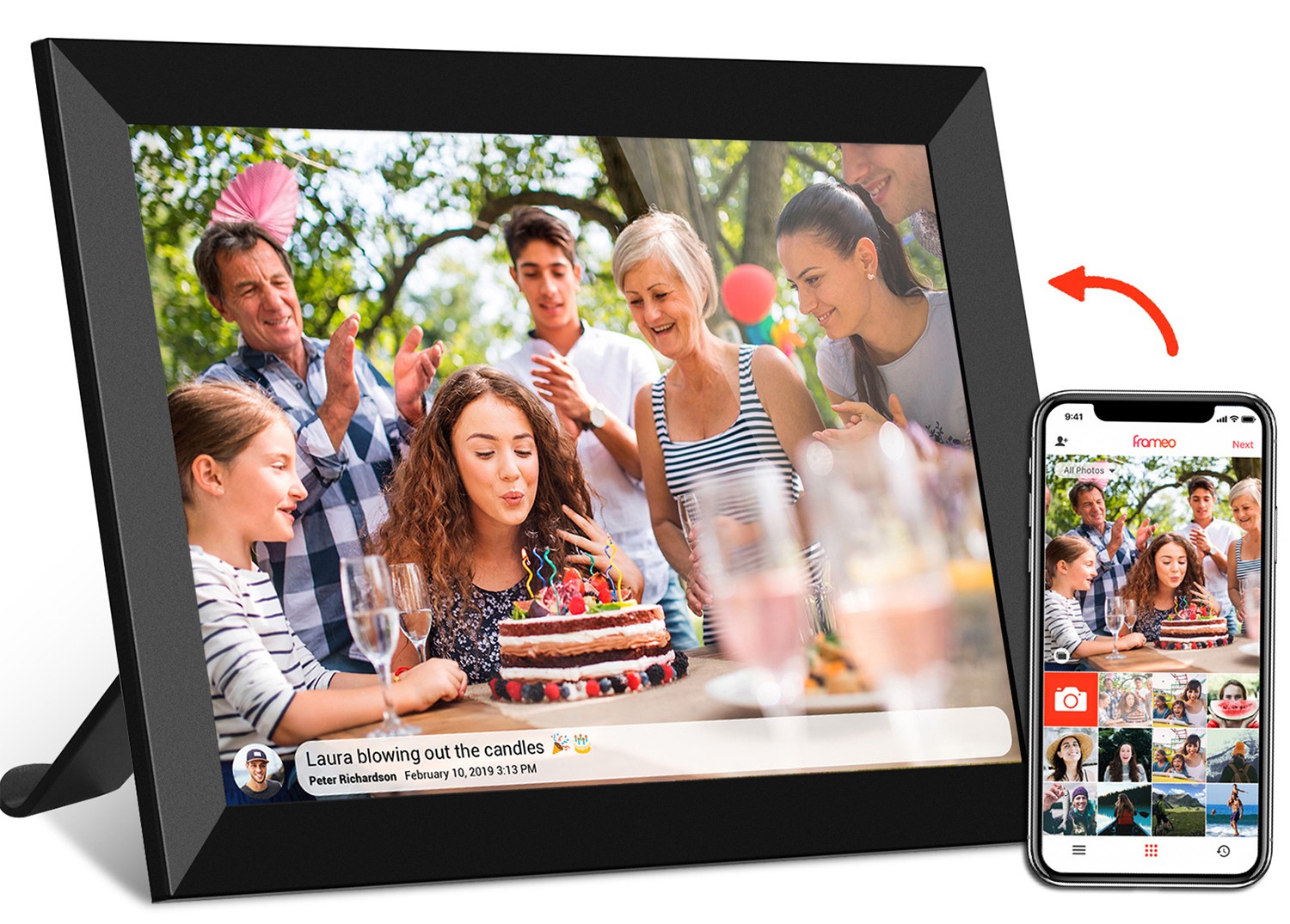
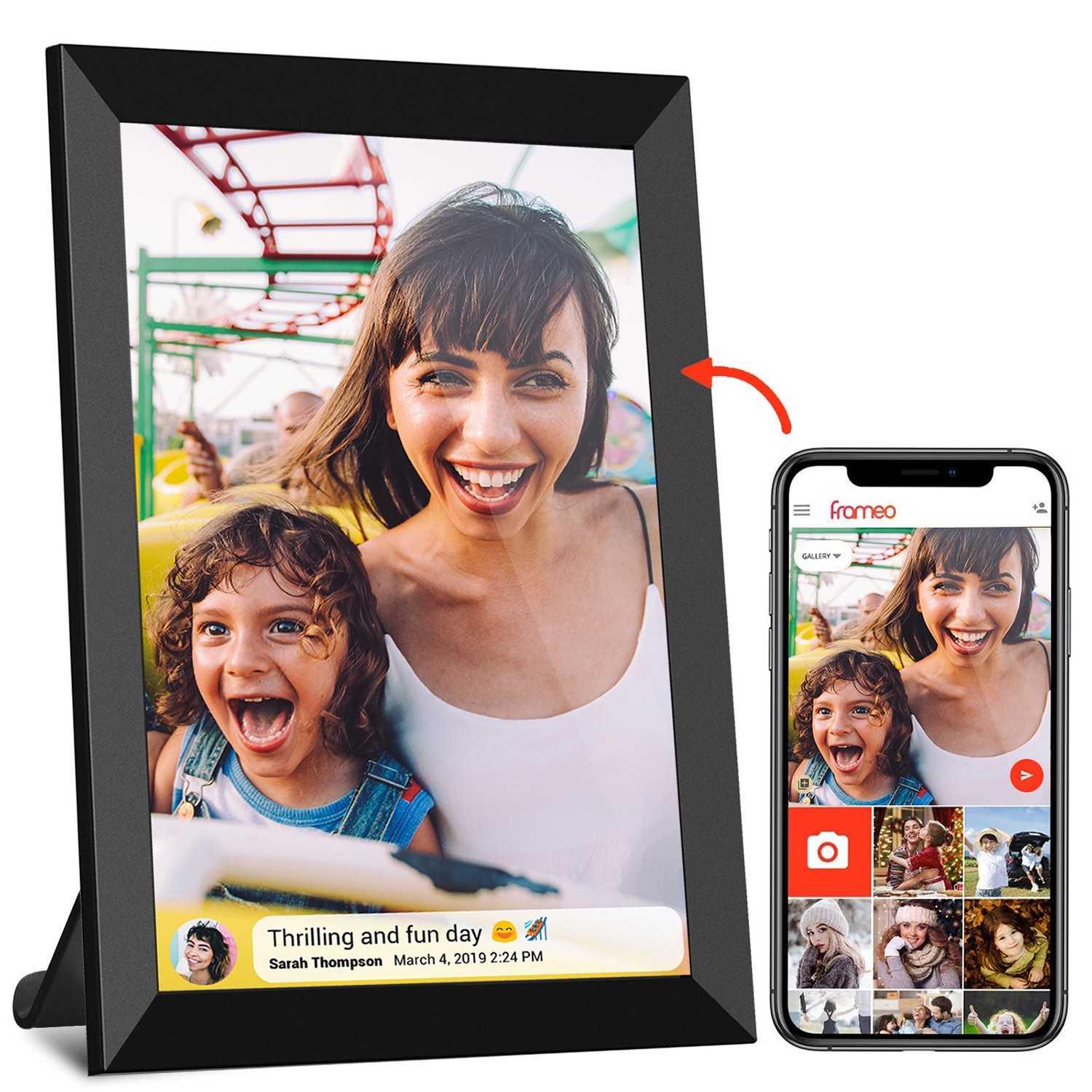
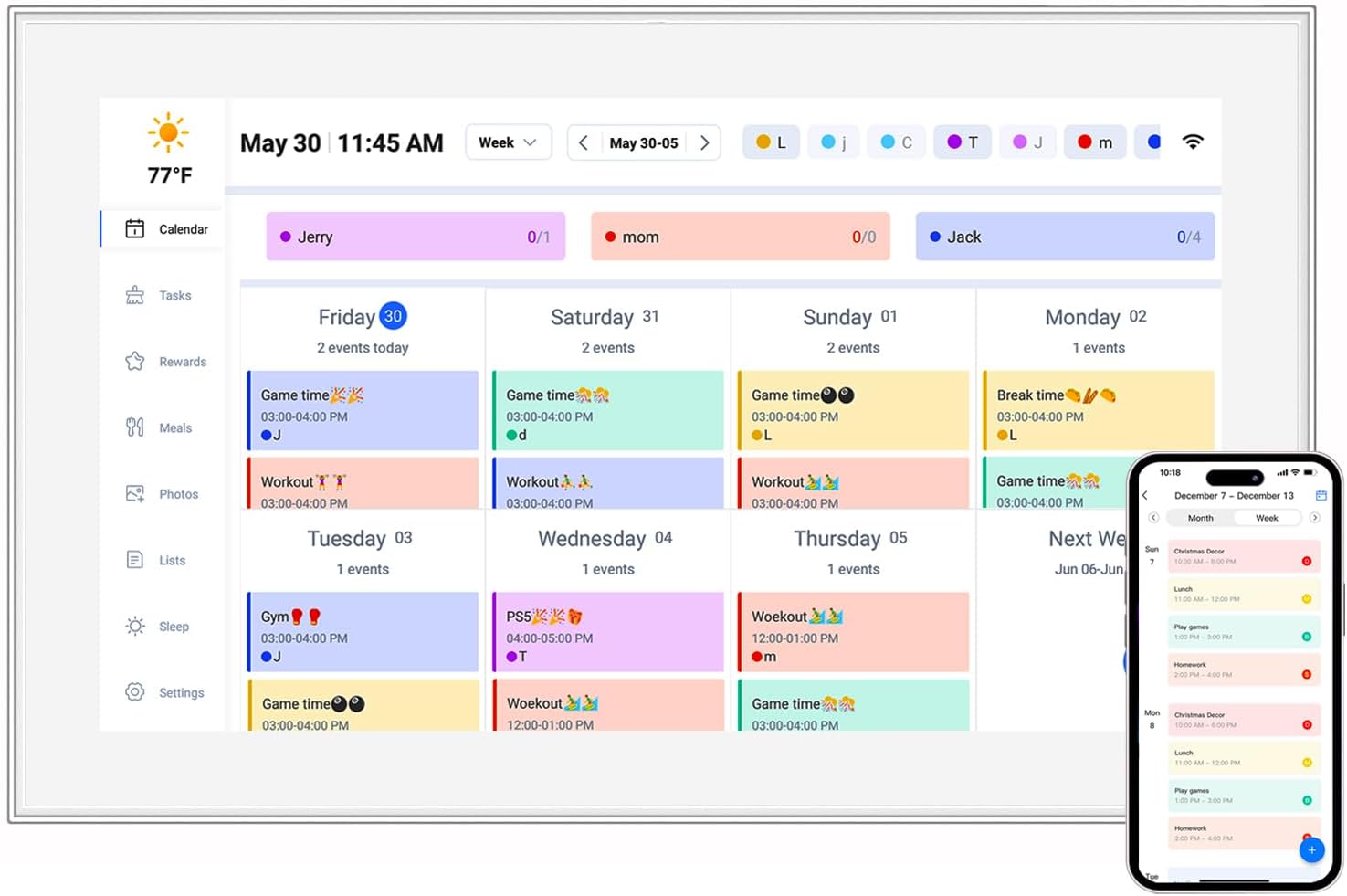
At first glance, you might mistake it for a sleek digital photo frame or a compact smart TV. But a 4K calendar clock is far more than just a pretty screen. Think of it as a multitasking hub designed specifically for the rhythms of office life. It typically features a large, ultra-high-definition display (hence "4K") that shows not just the time and date, but also a dynamic calendar, upcoming meetings, task deadlines, and even room booking statuses. Unlike basic digital signage, which often plays pre-programmed ads or static slides, a 4K calendar clock is interactive—many models let you tap the screen to adjust settings, add events, or pull up detailed schedules. Some even sync with popular office software like Google Workspace, Microsoft 365, or Slack, meaning if a meeting gets rescheduled in Outlook, the calendar clock updates automatically. It's like having a personal assistant for the entire team, right there on the wall.
And yes, it's a "calendar days clock" at its core—so it doesn't just tell you the time; it breaks down the day, week, and month with crystal clarity. No more squinting at tiny print or erasing smudged ink when plans change. For offices drowning in back-to-back meetings or teams spread across hybrid schedules, this kind of visibility can be a game-changer.
Before we get too excited about 4K calendar clocks, let's talk about the problems they're trying to solve. Even in tech-forward offices, scheduling chaos is real. How many times have you walked into a meeting room only to find someone else already using it—because the booking system wasn't updated? Or spent 10 minutes hunting for a whiteboard to jot down the day's priorities, only to realize it's covered in last week's notes? These might seem like small annoyances, but they add up. A 2023 study by the Society for Human Resource Management found that employees lose an average of 2.5 hours per week to scheduling mix-ups and administrative tasks—time that could be spent on actual work.
Traditional solutions fall short here. Printed calendars are static: once you hang them, they're obsolete the moment a meeting moves. Basic digital displays (like the ones you might see in lobbies) are often one-way—you can't interact with them, and updating content usually requires IT support. Even apps on phones or laptops aren't perfect: when you're in a hurry, digging through a calendar app to check room availability or confirm a meeting time feels clunky, especially if you're juggling multiple devices.
Then there's the issue of "information silos." In many offices, the meeting room booking system lives in one app, team tasks in another, and company announcements in a third. A 4K calendar clock, by contrast, pulls all these threads together into one visible, accessible space. It's not just about showing the date—it's about making sure everyone is on the same page, literally and figuratively.
So, what exactly gives these devices an edge over the tools we already have? Let's break down their key features and how they address office pain points:
4K resolution isn't just a marketing buzzword here—it matters. A 21.5-inch 4K screen (a common size for these clocks) displays text so sharp, you can read meeting details from across the room. That's a big deal for open offices where people might be standing, sitting, or walking by. Compare that to a standard 1080p digital sign, where text can look fuzzy from a distance, or a printed calendar, where small fonts force you to get up close. For teams with older employees or those who prefer quick, at-a-glance updates, this clarity is non-negotiable.
Remember that meeting rescheduled at the last minute? With a 4K calendar clock connected to your office's scheduling software, the change appears on screen within seconds. No more sticky notes saying "Meeting moved to 3 PM!" or frantic Slack messages. This is especially useful for hybrid teams: if a remote colleague joins a meeting late, the clock shows the updated start time, so in-person attendees know to wait. It's like having a live feed of your office's schedule, available to everyone, everywhere.
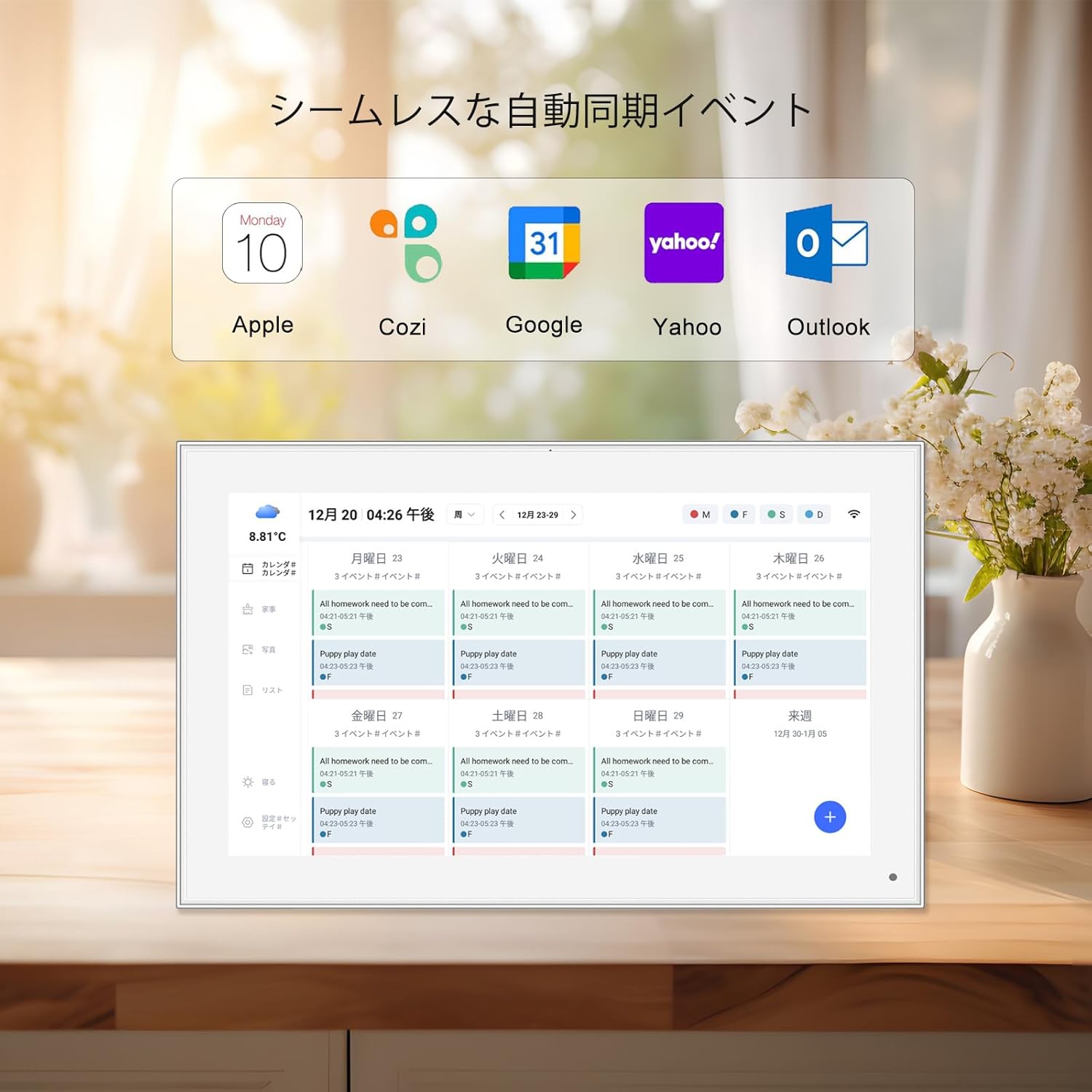
The best 4K calendar clocks don't reinvent the wheel—they play nice with it. Most models sync with Google Calendar, Microsoft Outlook, Zoom, and even room booking tools like Robin or Envoy. This means you don't have to train your team on a new app; they keep using the software they know, and the clock does the heavy lifting of displaying that info. Some advanced models even connect with "POE meeting room digital signage"—Power over Ethernet systems that let you power the clock and send data through a single cable, reducing clutter and simplifying installation.
Offices are getting smaller, and desk space is precious. A 4K calendar clock mounts on the wall, freeing up desk real estate that would otherwise go to a desk calendar or a separate clock. Some models are slim enough to fit in tight corners or above doorways, making them ideal for small meeting rooms or shared workspaces. Compare that to a bulky whiteboard or a stack of printed calendars—this is minimalism meets functionality.
Still not sure if a 4K calendar clock is worth the investment? Let's put it head-to-head with three common office scheduling tools in the table below:
| Feature | 4K Calendar Clock | Traditional Wall Calendar | Basic Digital Signage |
|---|---|---|---|
| Display Quality | 4K ultra-high definition; sharp text from any distance | Low resolution (printed); fades over time | Often 1080p; text can be blurry at a distance |
| Real-Time Updates | Yes—syncs with scheduling software instantly | No—requires manual erasing/writing | Limited—updates require IT support or USB drives |
| Integration | Works with Google Workspace, Outlook, Zoom, etc. | None—standalone | Basic integration (e.g., Google Slides); no live data |
| Space Efficiency | Wall-mounted; slim profile saves desk space | Bulky; takes up wall space with no extra features | Often large; designed for ads, not daily use |
| Cost Over Time | Higher upfront cost, but no replacement (no paper/ink) | Low upfront cost, but ongoing cost for paper/ink | High upfront cost; limited functionality means less value |
As the table shows, 4K calendar clocks excel in areas that matter most for daily office life: clarity, convenience, and integration. They're not just better than traditional tools—they're built for the way we work now.
To get a sense of how these devices work in practice, let's look at a few scenarios where they've made a difference:
Imagine a small conference room in a marketing agency, booked back-to-back from 9 AM to 5 PM. Before the 4K calendar clock, the team used a whiteboard to list meetings, but it was often erased accidentally or updated too late. Now, the clock hangs by the door, showing each meeting's title, attendees, and duration in bold, 4K text. When the 2 PM client call runs over, the project manager taps the screen to extend the booking by 15 minutes, and the clock updates immediately—so the next team knows to arrive a little later. No more awkward interruptions, no more wasted time waiting outside.
A software company with half its team remote and half in-office struggles with "meeting FOMO"—remote colleagues often miss updates because they can't see the in-office schedule. They install a 4K calendar clock in the main workspace that syncs with their Slack channel and Zoom links. Now, when a last-minute standup is added, remote team members can check the clock via a shared link (some models offer web access) and join on time. The clock even displays the Zoom code for each meeting, so no one fumbles with links.
Healthcare offices have unique scheduling needs—patient appointments, staff breaks, and emergency slots all need to be visible at a glance. A clinic installs a 21.5-inch 4K calendar clock in the nurse's station, synced with their electronic health record (EHR) system. Now, when a patient cancels, the slot appears as open on the clock, so staff can quickly fill it. It also displays staff names next to their shifts, reducing confusion during handoffs. For a busy clinic, this isn't just convenience—it's better patient care.
Of course, no tool is perfect. 4K calendar clocks come with their own set of hurdles. The biggest one is cost: a high-quality model can range from $300 to $1,000, depending on size and features. For small businesses, that might feel steep compared to a $20 wall calendar. But proponents argue it's a long-term investment: no more buying calendars every year, no more printing updates, and fewer scheduling errors that cost time (and money).
Another challenge is setup complexity. While most models are plug-and-play, integrating with your existing software might require IT help, especially if you're using niche tools. And if your office has spotty Wi-Fi, the clock might lag when updating—though "POE meeting room digital signage" can help here by using a wired connection for reliability.
Finally, there's the learning curve. Some employees might resist change, preferring the tactile feel of a paper calendar. To overcome this, many companies start small: install one clock in a high-traffic area (like the break room) and let people get used to it before rolling out more. Once they see how easy it is to check the schedule without digging through apps, adoption usually follows.
As smart offices evolve, so will these devices. We're already seeing models with AI features—clocks that learn your team's scheduling habits and suggest better meeting times, or that highlight deadlines for high-priority projects. Some are adding environmental sensors, displaying room temperature or air quality alongside the calendar (useful for offices focused on employee well-being). And with the rise of "android tablet digital signage," we might see more portable models that can be moved between rooms, or that double as video conferencing displays when needed.
There's also the potential for customization. Imagine a clock that matches your office's brand colors, or that displays company news and birthdays alongside the schedule. Some manufacturers are even experimenting with touchless controls—using voice commands or gestures to update the calendar, which could be a boon for germ-conscious workplaces.
After weighing the features, real-world uses, and challenges, the answer seems clear: yes—with a caveat. 4K calendar clocks aren't a one-size-fits-all solution, but for offices that value efficiency, clarity, and integration, they're a standout tool. They turn passive walls into active hubs of information, keeping everyone on the same page and reducing the small, daily stresses that add up. In a world where time is our most precious resource, a device that helps us use it better is more than just "powerful"—it's essential.
As smart offices continue to prioritize connectivity and collaboration, the 4K calendar clock might just be the unsung hero we've been waiting for. It's not about replacing the tools we love; it's about making them work together in a way that feels natural, intuitive, and—most importantly—human. And in the end, isn't that what a smart office should be?