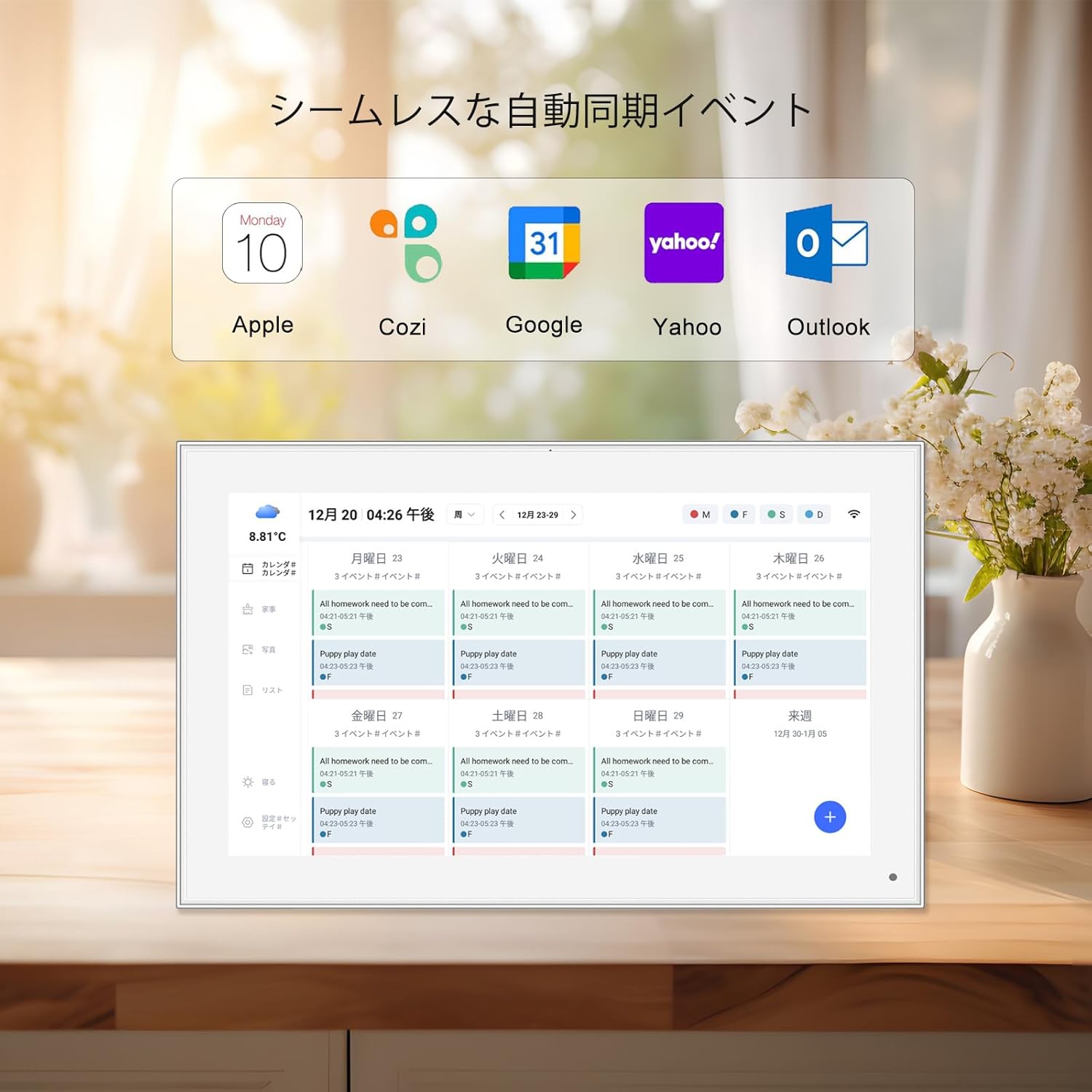
In today's digital age, digital photo frames have become a staple in homes and offices, bridging the gap between cherished memories and modern technology. From the compact 10.1 inch led digital photo frame sitting on a desk to the larger 21.5 inch wifi digital picture frame with touch functionality hanging on a wall, these devices blend functionality with aesthetics. Yet, behind their sleek designs lies a manufacturing process that, if not carefully managed, can leave a significant environmental footprint. One critical stage in this process is plastic dyeing—the step that gives these frames their vibrant colors and appealing finishes. For digital picture frame factories, adopting strict environmental protection specifications in plastic dyeing is no longer optional; it's a necessity to safeguard ecosystems, protect worker health, and meet the growing demand for sustainable consumer products.
Before diving into environmental specs, it's essential to grasp what plastic dyeing entails in the context of digital photo frame manufacturing. Most digital photo frames, including popular models like the frameo cloud frame or the 10.1 inch wireless wifi digital photo frame, feature plastic components—think bezels, back panels, or decorative trims. These plastics, typically made from materials like ABS (Acrylonitrile Butadiene Styrene) or polycarbonate, start as plain, uncolored pellets. Dyeing transforms these pellets into the various hues and textures consumers love, from matte black to glossy white or even custom patterns.
Traditional dyeing processes often rely on solvent-based dyes, which are mixed with chemicals to ensure they bond to the plastic. The plastic pellets are heated, mixed with the dye solution, and then molded into the desired shape. This method, while effective for achieving consistent color, comes with a host of environmental challenges. For instance, solvent-based dyes release volatile organic compounds (VOCs) during heating, and the process requires large volumes of water for cleaning and cooling. Additionally, excess dye that doesn't bond to the plastic often ends up as waste, contributing to landfill accumulation.
As consumer awareness grows, however, there's a shift toward more sustainable practices. Modern digital picture frame factories are reevaluating their dyeing workflows, focusing on reducing resource consumption and minimizing harmful emissions. This shift isn't just about compliance—it's about aligning with global efforts to combat climate change and meet the expectations of eco-conscious buyers, who increasingly check for green credentials before purchasing products like the frameo wifi digital photo frame 10.1 inch.
To appreciate the importance of environmental protection specifications, we must first understand the environmental toll of traditional plastic dyeing. Let's break down the key issues:
Water is a critical resource in traditional dyeing, used for everything from dissolving dyes to cooling machinery. Unfortunately, much of this water becomes contaminated with heavy metals (like lead, cadmium, and chromium) from dye pigments, as well as toxic chemicals from solvents. Without proper treatment, this wastewater is often discharged into local rivers or oceans, harming aquatic life and contaminating drinking water sources. For example, a single digital picture frame factory using outdated methods might discharge thousands of liters of untreated wastewater daily, leaving a trail of pollution that persists for years.
Solvent-based dyes are a major source of VOC emissions. When heated during the dyeing process, these solvents release gases like benzene and toluene, which are not only greenhouse gases but also pose serious health risks to factory workers (increasing the risk of respiratory diseases and cancer) and nearby communities. Even low levels of VOC exposure can cause headaches, dizziness, and eye irritation, making poor air quality a pressing occupational and public health concern.
Plastic dyeing requires high temperatures to ensure dyes bond to the plastic—a process that demands significant energy, often sourced from fossil fuels. Traditional factories may use coal-fired boilers or diesel generators, leading to high carbon dioxide (CO2) emissions. For context, heating plastic pellets to the required 200–300°C (392–572°F) for dyeing consumes large amounts of energy, contributing to the factory's overall carbon footprint and exacerbating global warming.
Not all dye bonds to the plastic during the process. Excess dye, along with plastic scraps and chemical byproducts, forms "dye sludge"—a thick, toxic waste that is difficult to dispose of safely. In many cases, this sludge ends up in landfills, where heavy metals can leach into soil and groundwater. Additionally, defective or off-color frames are often discarded, adding to the growing problem of plastic waste. With digital photo frames like the 21.5 inch wifi digital picture frame frameo with touch being produced in high volumes, even small waste percentages translate to significant environmental harm.
To address these challenges, regulatory bodies and industry organizations have developed environmental protection specifications that digital picture frame factories must follow. These specs are designed to minimize harm at every stage of the dyeing process, from chemical selection to waste disposal. Below are the core areas of focus:
At the heart of eco-friendly dyeing is the use of non-toxic, low-VOC dyes. Specifications often mandate compliance with regulations like the EU's REACH (Registration, Evaluation, Authorization, and Restriction of Chemicals), which restricts the use of hazardous substances in consumer products. For example, REACH prohibits dyes containing lead concentrations above 0.1%, ensuring that even trace amounts of harmful metals don't end up in finished products like the 10.1 inch frameo wifi digital photo frame private mold 6.0. Factories must also maintain detailed records of dye ingredients, conducting regular tests to ensure they meet safety standards.
Water-based dyes are emerging as a popular alternative to solvent-based ones. These dyes use water as a carrier instead of toxic solvents, significantly reducing VOC emissions. While they may require slightly higher temperatures to bond to plastic, the trade-off in reduced air pollution makes them a compelling choice for factories aiming to meet strict environmental specs.
Environmental specs emphasize reducing water usage and ensuring wastewater is properly treated before discharge. This includes implementing closed-loop water systems, where wastewater is filtered, treated, and reused in the dyeing process. For instance, a factory producing the 15.6 inch digital calendar might install reverse osmosis systems to purify wastewater, cutting down on freshwater intake by 50% or more. Additionally, specs often require factories to monitor pH levels and chemical concentrations in wastewater, ensuring they meet local discharge limits (e.g., China's GB 8978-1996 standard for industrial wastewater).
Reducing energy consumption is another key spec. Factories are encouraged to switch to renewable energy sources (solar, wind) for powering dyeing machinery. They may also invest in energy-efficient equipment, such as heat exchangers that capture and reuse waste heat from dyeing processes. For example, a factory producing the hy300 ultra projector (which shares plastic components with some digital photo frames) might use solar panels to offset 30% of its energy needs, significantly lowering CO2 emissions.
Waste minimization is critical. Specifications often require factories to implement "zero-waste" goals, where dye sludge and plastic scraps are recycled or repurposed. Dye sludge, for instance, can sometimes be processed to recover unused dye, which is then reused in future batches. Plastic scraps from defective frames can be ground into pellets and mixed with new plastic, reducing the need for virgin materials. Some factories even partner with recycling facilities to ensure waste is diverted from landfills entirely.
Finally, environmental specs mandate regular audits to ensure compliance. Certifications like ISO 14001 (Environmental Management Systems) provide a framework for factories to implement and document their eco-friendly practices. Auditors check everything from chemical storage to wastewater treatment records, issuing reports that help factories identify areas for improvement. For consumers, these certifications serve as a trust signal—when shopping for a frameo wifi digital photo frame 10.1 inch digital picture frame 32gb, seeing an ISO 14001 logo can provide peace of mind that the product was made responsibly.
To better understand the impact of adopting environmental protection specifications, let's compare traditional and eco-friendly dyeing methods across key metrics. The table below highlights the differences, using data from industry studies and case studies of leading digital picture frame factories.
| Metric | Traditional Dyeing | Eco-Friendly Dyeing | Improvement |
|---|---|---|---|
| Water Usage (liters per kg of plastic) | 50–80 | 10–20 (with closed-loop systems) | 75–80% reduction |
| VOC Emissions (mg/m³) | 500–1000 | 50–150 (with water-based dyes) | 85–90% reduction |
| Energy Consumption (kWh per kg of plastic) | 3–5 | 1.5–2.5 (with energy-efficient machinery) | 40–50% reduction |
| Waste Generation (kg per 1000 frames) | 20–30 | 5–10 (with recycling) | 66–75% reduction |
| Compliance with REACH/ISO 14001 | Often non-compliant | Fully compliant | 100% compliance |
As the table shows, eco-friendly methods offer significant improvements across all metrics. For example, a factory producing 10,000 units of the 10.1 inch wireless wifi digital photo frame annually could save up to 600,000 liters of water by switching to a closed-loop system. Similarly, reducing VOC emissions by 85% would drastically improve air quality for workers and nearby communities, aligning with the factory's corporate social responsibility goals.
Beyond adhering to existing specifications, digital picture frame factories are exploring innovative technologies to make plastic dyeing even more sustainable. Here are some cutting-edge methods gaining traction:
Powder coating involves applying dry, pigmented powder to plastic surfaces using an electrostatic charge. The coated plastic is then heated, causing the powder to melt and form a smooth, durable finish. Unlike liquid dyes, powder coating uses no solvents, eliminating VOC emissions. It also produces minimal waste, as unused powder can be collected and reused. While traditionally used for metal surfaces, advances in powder formulation have made it suitable for plastics used in digital photo frames, such as the 19 inch wifi digital photo frame 4:3 screen. Factories report that powder coating reduces energy consumption by up to 30% compared to solvent-based methods, making it a win-win for both the environment and the bottom line.
UV curing uses ultraviolet light to harden (cure) dye coatings on plastic surfaces. The process involves applying a thin layer of UV-reactive dye to the plastic, then exposing it to UV light for a few seconds. This instantly cures the dye, forming a strong bond without the need for high heat or solvents. UV curing reduces energy usage by up to 50% compared to traditional heating methods, as it requires less time and lower temperatures. It also eliminates VOC emissions, as the dyes are water-based or solvent-free. For factories producing high-volume items like the 7 inch kids tablet (which shares plastic dyeing processes with some digital photo frames), UV curing offers faster production cycles and lower environmental impact.
Digital printing is revolutionizing plastic dyeing by allowing for precise, on-demand color application. Instead of dyeing entire batches of plastic pellets, factories can print colors directly onto molded plastic components using inkjet technology. This reduces waste, as only the required amount of dye is used, and eliminates the need for large dye vats. Digital printing also supports custom colors and patterns, giving designers more flexibility—for example, creating unique finishes for limited-edition frameo wifi digital photo frame 10.1 inch models. While initial setup costs for digital printing equipment are higher, the long-term savings in dye and water usage make it an attractive investment for forward-thinking factories.
Research into biodegradable dyes is ongoing, with promising results. These dyes are made from natural materials like plant extracts, algae, or even food waste (e.g., beetroot juice for red hues). While still in the early stages, biodegradable dyes offer the potential to eliminate toxic waste entirely, as they break down into harmless compounds when exposed to soil or water. Imagine a future where the plastic frame of a 21.5 inch wifi digital photo frame, at the end of its life, decomposes naturally without leaching harmful chemicals—this is the vision driving innovation in biodegradable dye technology.
While regulations and technological advancements play a key role, consumer demand is perhaps the most powerful driver of change in the digital photo frame industry. Today's buyers are more informed than ever, researching a product's environmental impact before making a purchase. A 2023 survey by a leading market research firm found that 68% of consumers are willing to pay 10–15% more for products with proven eco-friendly credentials, a trend that extends to digital photo frames like the frameo cloud frame or 10.1 inch frameo wifi digital photo frame.
Parents, in particular, are prioritizing sustainability when shopping for family-oriented products. For example, when choosing a kids instant print camera or a 10.1 inch android kids tablet pc, they often look for certifications like "low VOC" or "water-based dyes" to ensure the products are safe for their children and the planet. This demand is pushing digital picture frame factories to not only adopt environmental protection specifications but also communicate their efforts transparently. Many factories now include sustainability reports on their websites, detailing their water usage, emissions reductions, and recycling rates. Some even use QR codes on product packaging, allowing consumers to scan and learn about the eco-friendly processes used to make their 10.1 inch digital calendar or wifi digital photo frame.
Retailers are also jumping on board. Major e-commerce platforms now feature "sustainable" or "eco-friendly" categories, making it easier for consumers to find products that align with their values. For a digital picture frame factory, securing a spot in these categories can boost sales significantly, providing a strong incentive to invest in green technologies. As one factory manager noted, "When we switched to water-based dyes for our 10.1 inch wireless wifi digital photo frame line, our sales increased by 20% in six months. Consumers noticed the difference, and they're voting with their wallets."
The plastic dyeing process may seem like a small part of digital photo frame production, but its environmental impact is significant. By adopting strict environmental protection specifications—from using non-toxic dyes to implementing closed-loop water systems—digital picture frame factories can drastically reduce their footprint. Technologies like powder coating, UV curing, and digital printing are making this transition more feasible, while consumer demand and regulatory pressure are accelerating it.
As we look to the future, the goal is clear: to produce beautiful, functional digital photo frames—whether it's a compact 10.1 inch led digital photo frame or a large 21.5 inch wifi digital picture frame frameo with touch—without compromising the planet. This will require ongoing innovation, collaboration between factories and regulators, and a commitment to transparency. For consumers, the power to drive change lies in choosing products from factories that prioritize sustainability. Together, we can ensure that the digital memories we cherish in these frames are preserved alongside the environment we all share.